
When a ship reaches the end of its working life, it doesn’t just disappear. It has to go somewhere — and for more than a third of the world’s retired vessels, that somewhere is India. In 2025, India recycled nearly 3 million gross tonnes of ships, a 60 percent jump over the year before, bringing its share of the global ship recycling market to 35.4 percent.
On July 1, Union Minister for Ports, Shipping and Waterways Sarbananda Sonowal met with European Commissioner for Environment Jessika Roswall to review progress on bringing Indian ship recycling yards under the European Union Ship Recycling Regulation (EUSRR). More than 30 Indian yards have applied for recognition. Six are now in the active compliance and audit process. Three have completed all required procedures and are ready to formally apply for inclusion under the EU framework.
What the EU standard actually requires
The EUSRR is not a rubber stamp. It mandates that recycling happens only at facilities that meet rigorous environmental, safety, and worker welfare standards — proper handling of hazardous materials (asbestos, PCBs, heavy metals), treated effluents before discharge, safe working conditions, and unannounced compliance inspections. India’s ship recycling industry, concentrated largely at Alang in Gujarat, has long faced criticism for dangerous practices and environmental damage. The push toward EUSRR compliance represents a meaningful shift — facilities investing in effluent treatment plants, scientific waste management systems, and healthcare infrastructure for workers.
The circular economy angle
Ship recycling, done right, is one of the most effective examples of the circular economy in heavy industry. Steel, copper, aluminium, and dozens of other materials recovered from retired ships go back into manufacturing — with far lower energy costs than mining virgin materials. A single large cargo vessel can yield 20,000 to 30,000 tonnes of steel. India’s goal of recycling 16,000 ships over the next decade — backed by an $8 billion commitment — puts the country at the centre of a growing global market for responsible end-of-life vessel management.
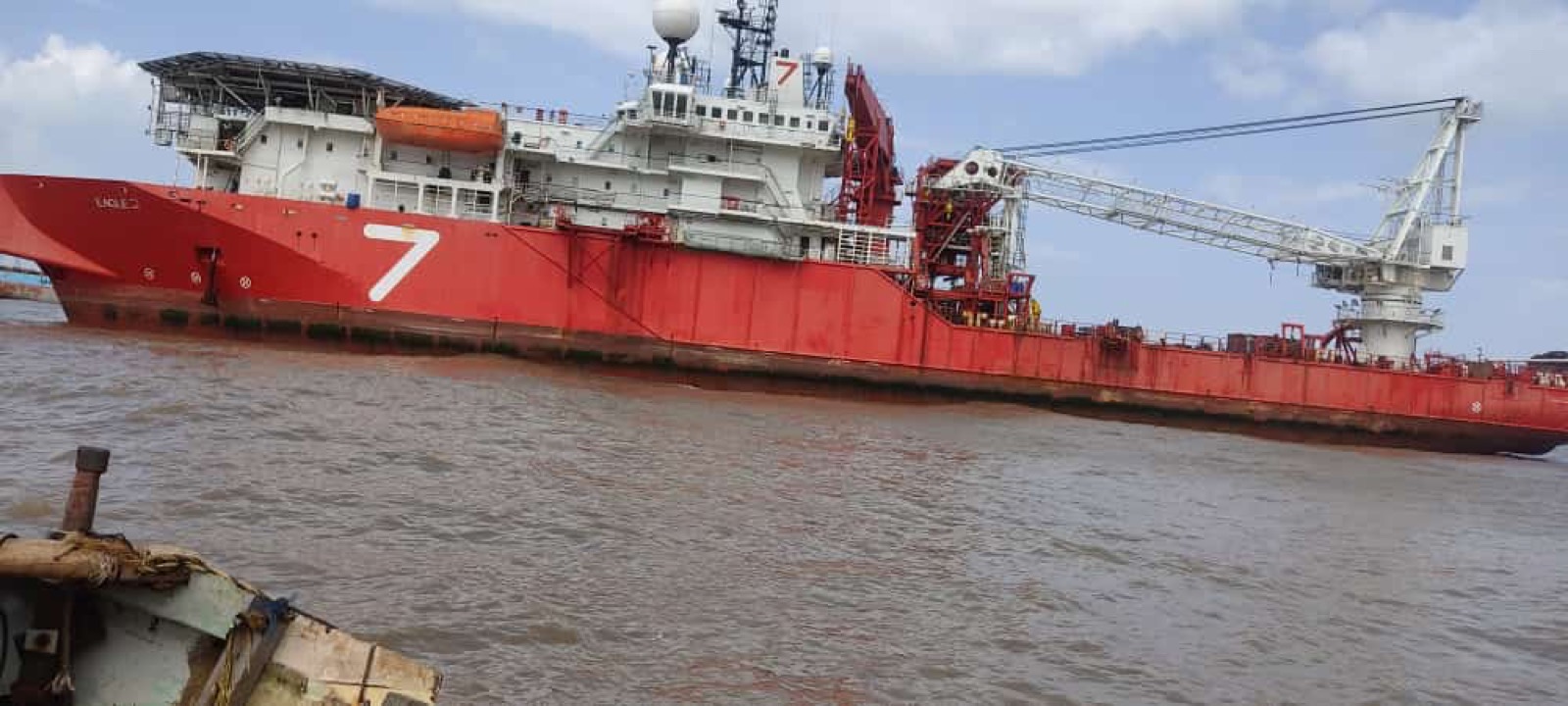
Waste management in heavy industry is among the least-visible but most consequential sustainability challenges. Ship recycling at EU standards means hazardous materials are handled rather than dumped, recovered materials re-enter the economy cleanly, and the environmental cost of producing new metals is avoided. Commissioner Roswall proposed establishing a Joint Working Group between India and the EU to facilitate ongoing regulatory cooperation — a sign that both sides see this as a long-term partnership.
Source: Press Information Bureau, Government of India (PRID 2280098)