
Guest Post by One Less Official
When we think about buying clothes that are good for the earth, we usually think about where we shop. But what matters just as much, if not more, are the sustainable fabric choices behind every garment. The fabric decides how long a garment lasts, how it feels against the skin, and what happens to it once it is eventually thrown away. Making informed, sustainable fabric choices is one of the simplest ways to practise sustainable fashion in everyday life — and it is a core principle of the slow fashion movement, which values durable, well-made garments over disposable trends.
The Synthetic Trap: Wearable Plastic
Polyester, nylon, and acrylic together make up more than 60% of the clothes we wear. They are cheap and durable, which is exactly why fast fashion relies on them so heavily. But these fabrics are oil-based, meaning every t-shirt or jacket made from them is, quite literally, wearable plastic.
Every time we wash polyester or nylon, the fabric sheds tiny plastic microfibers that flow straight into our waterways, eventually making their way into rivers, oceans, and even the food chain. Worse still, these materials do not biodegrade. A polyester garment thrown away today can sit in a landfill for hundreds of years before it breaks down.
The Power of Conscious Materials
Thankfully, the synthetic trap is not the only option. A handful of natural and conscious materials prove that fabric can be durable, comfortable, and kind to the planet all at once. Here are four of the leading sustainable textiles worth knowing about.
1. Organic Cotton
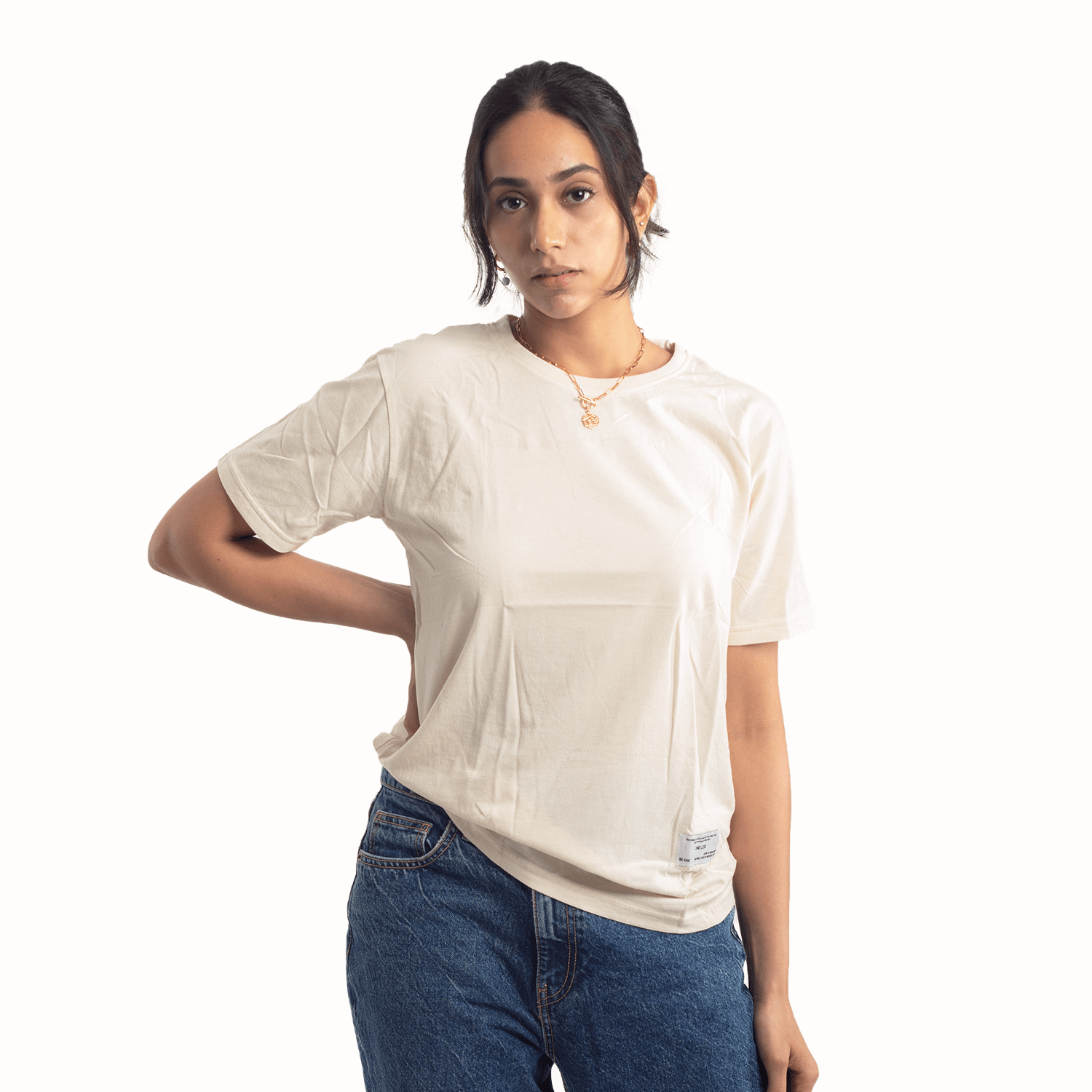
Organic cotton is grown without toxic pesticides or synthetic fertilisers. This makes it kinder to the soil and to the water systems around the farms that grow it, and safer for the farmers who tend the crop and the people who eventually wear it. It is also one of the easiest sustainable fabrics to find today, especially as more certified options reach the market.
2. Hemp
Hemp is a fast-growing crop that needs very little water and almost no pesticides to thrive. The fibre it produces is naturally durable and fully biodegradable, making it one of the lowest-impact fabrics available for everyday clothing.
3. Raffia
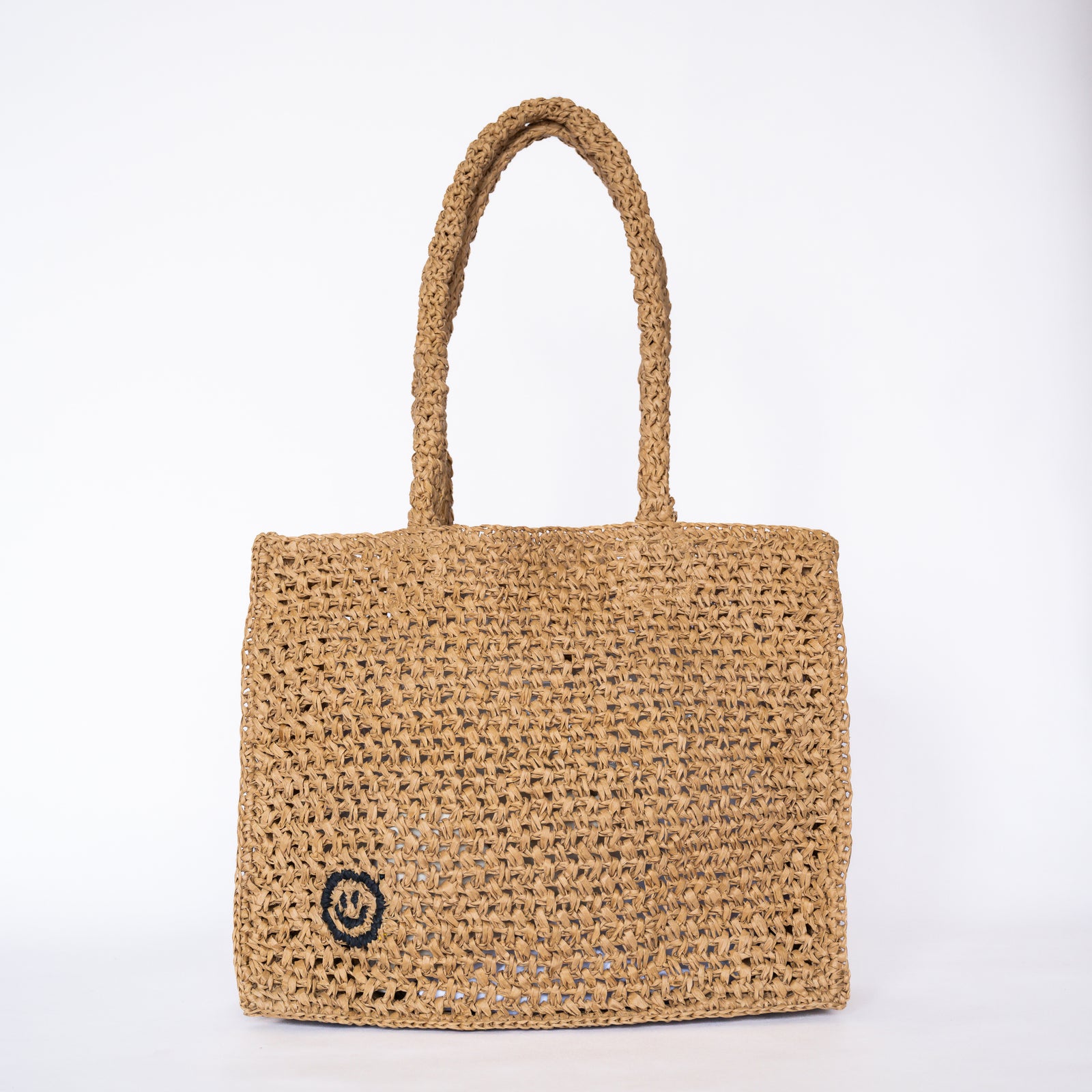
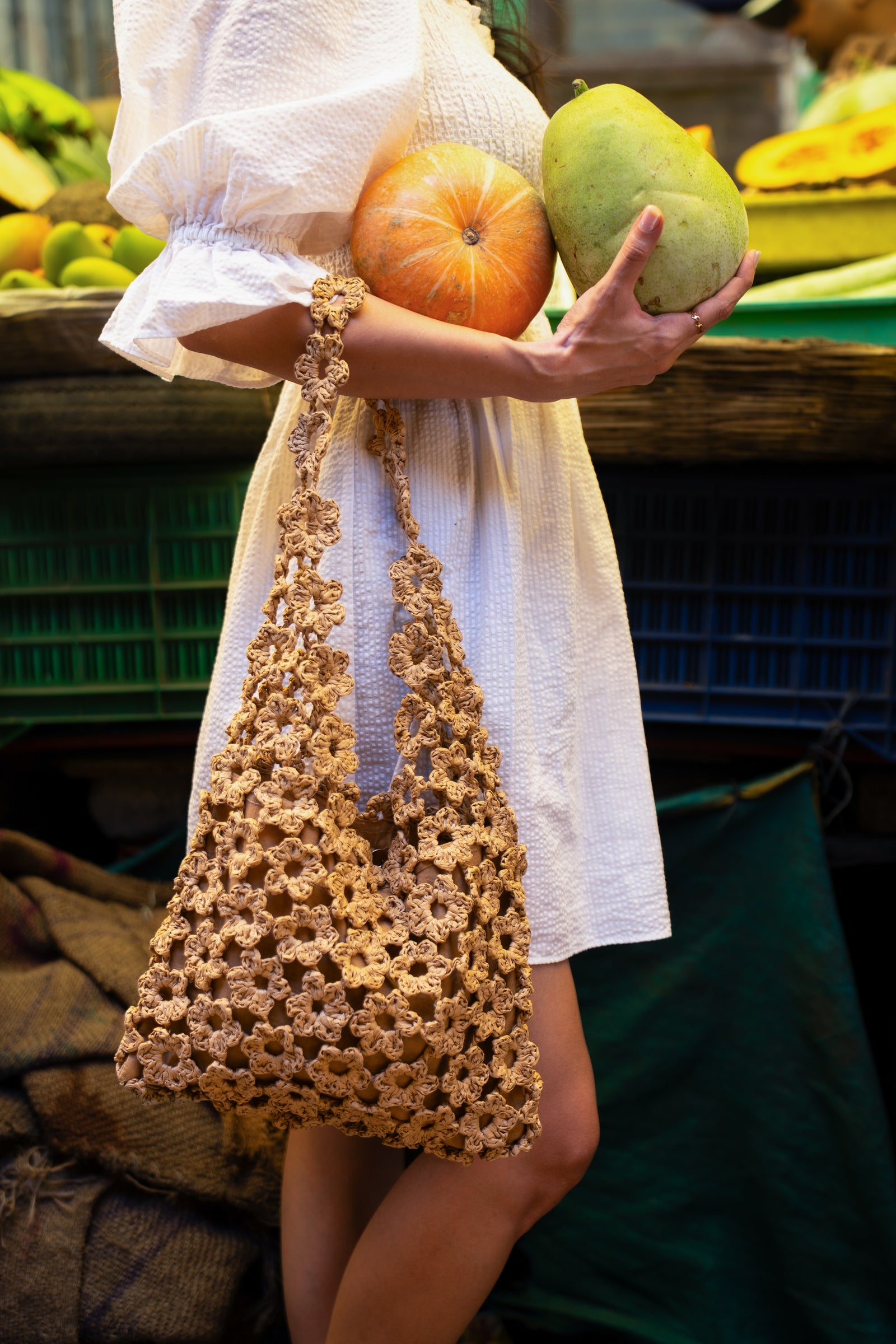
Raffia is a natural fibre harvested from palm leaves. It is renewable, requires no pesticides, and uses very little water to process. Once a raffia product reaches the end of its life, it biodegrades completely. Its texture and strength make it especially popular for hand-woven bags and hats.
4. Closed-Loop Semi-Synthetics
Fabrics such as Tencel are made from wood pulp and processed in a closed-loop system that recycles almost all of the water and solvents used in production. They offer the smooth drape of a synthetic fabric with a far smaller environmental footprint, bridging the gap between natural and synthetic textiles.
Redefining the Wardrobe: A Thoughtful Approach
Consumer mindsets are shifting. More people are beginning to value longevity and repairability over novelty, choosing garments made from natural materials that age gracefully instead of falling apart after a handful of washes. This shift sits at the heart of the broader slow fashion movement, which encourages us to buy less and buy better.
Choosing fabrics thoughtfully also means reading labels more carefully, asking where and how a garment was made, and being willing to pay a little more for something that will last. None of this requires becoming an expert overnight — small, consistent choices compound over time into a wardrobe that is genuinely better for the planet.
Make the Switch
Switching to conscious fabrics does not mean overhauling your entire wardrobe overnight. It can start with a single purchase: the next time you need a new t-shirt, bag, or accessory, look for organic cotton, hemp, raffia, or a closed-loop semi-synthetic instead of the usual polyester blend. Over time, these individual choices add up to a wardrobe that lasts longer, sheds fewer microplastics, and leaves a lighter footprint on the earth.
Several conscious fashion labels and independent makers are already building entire collections around these materials, from everyday clothing to hand-woven accessories. Supporting this shift, even in small ways, sends a clear signal to the wider fashion industry that demand for honest, durable, low-impact fabric is only growing.
Conclusion
In the end, sustainable fabric choices are a direct reflection of how we treat the earth. Choosing well reduces waste, conserves water, and protects the people who grow and weave our clothes. More importantly, it helps build a wardrobe that feels good to wear and good for the planet — proof that sustainable fabrics do not have to come at the cost of style or comfort.
Frequently Asked Questions
1. Why is regular cotton considered harmful to the environment?
Conventional cotton is one of the most pesticide- and water-intensive crops in the world. It is often grown using large amounts of synthetic fertiliser and chemical pesticides that degrade soil health and contaminate local water sources over time, while also posing health risks to the farmers who handle the crop.
2. Is polyester ever sustainable?
Polyester made from recycled plastic bottles, known as recycled polyester, is a better option than virgin polyester because it reuses existing plastic waste instead of drawing on new fossil fuels. That said, it still sheds microplastics when washed, so it is a step in the right direction rather than a complete solution.
3. What are the most eco-friendly fabrics available today?
Organic cotton, hemp, raffia, and closed-loop semi-synthetics like Tencel are widely regarded as some of the most eco-friendly fabrics on the market, thanks to their lower water use, biodegradability, and minimal reliance on harmful chemicals.
4. How do fabric choices affect pollution beyond production?
Synthetic fabrics continue polluting long after they are made. Every wash cycle releases microplastic fibres that wastewater systems struggle to filter out, and these microplastics eventually accumulate in rivers, oceans, and marine life — and ultimately in our own food chain.
5. What is the difference between Viscose/Rayon and Tencel/Lyocell?
Both are derived from wood pulp, but they are processed very differently. Traditional Viscose or Rayon production uses harsher chemicals and an open-loop process that can release pollutants into the environment. Tencel and Lyocell are made using a closed-loop process that recycles almost all of the water and solvents involved, making them the more sustainable choice between the two.
6. Are sustainable fabrics more expensive?
Sustainable fabrics can carry a higher upfront cost because of certified growing practices and smaller-scale production. However, garments made from these fabrics also tend to last considerably longer, which often makes them more cost-effective over the lifetime of the garment compared to cheap, fast-fashion alternatives that wear out quickly.
7. How can I tell if a brand is actually using organic cotton?
Look for recognised organic certification labels such as GOTS (Global Organic Textile Standard) or OEKO-TEX on the product tag. These certifications independently verify that the cotton was grown and processed according to strict organic and chemical-safety standards, rather than relying on a brand’s own claims alone.
About One Less
One Less is a sustainable fashion and accessories brand working with natural materials such as organic cotton, hemp, and hand-woven raffia. The label focuses on minimal, conscious clothing and accessories designed to last, with an emphasis on biodegradable, low-impact fabrics over synthetic alternatives. Read more on their website.