

Sustainable Livelihood Initiative India Private Limited (SLII) has developed the ‘Vardan’ Water Purifier, an extremely affordable and sustainable technology solution to the global problem of water purification. It purifies water at under 8 paisa per litre, works without the need for any external energy, and keeps running for at least 10 years without the need for any maintenance.
Background
In India, about 1.4 million children die from diarrheal diseases every year as a consequence of using contaminated water. Aquifers, or underground water, provide 85% of the country’s drinking water, but 56% of India is facing a drop in water levels. People are aware of the dangers of contaminated water, but usually do not have the resources to obtain clean drinking water. A study by the Organisation for Economic Co-operation and Development found that every rupee invested in clean water in India can yield 4-12 rupees of economic return.
Vardan – Water Purifier
‘Vardan’ aims to be the world’s cheapest complete water purifier. It was built by brothers Abhimanyu and Vardan Rathi of Surat, Gujarat, who founded SLII to work on clean drinking water, sustainable energy, and dignified livelihoods together.
Abhimanyu first began exploring the water-scarcity problem around 2012 while studying chemical engineering. He launched SLII in 2015. Vardan joined as co-founder in 2017, after completing his own engineering degree. Together, the brothers spent close to nine years developing the technology before Vardan’s commercial launch in 2020. SLII has since been recognised as a Best Indian Social Enterprise.
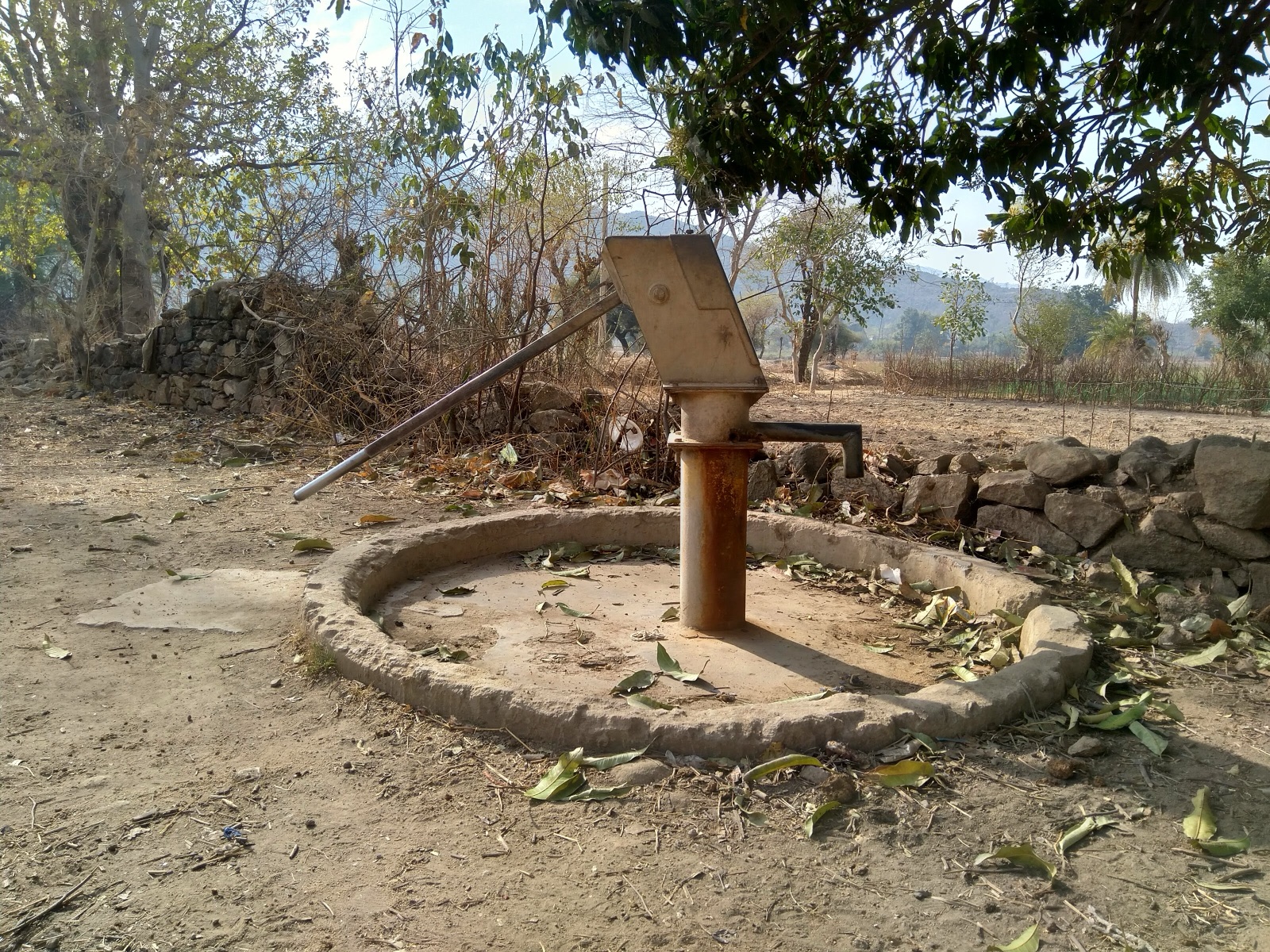
Vardan Water Purifier works without the need for any external energy and purifies water for at least 10 years without the need for any maintenance — all of which is achieved by the use of graphene and solar cells. This matters most in exactly the settings pictured here: villages that depend on a single hand pump or borewell, where a mains-powered RO unit is either unaffordable or impractical to run.
How It Works
Vardan is a low-cost, multi-stage water purification system built around two core technologies. The first is a graphene-based filtration medium: graphene is highly adsorptive, physically traps suspended impurities, and carries natural antibacterial properties, so it does the job of a filtration membrane without any moving parts.
The second is the disinfection stage — an Ultraviolet (UV) germicidal light that kills pathogens in the water. Instead of drawing power from the grid, this UV light is powered by small Dye-Sensitized Solar Cells (DSSC), a third-generation photovoltaic technology built from recycled electronic waste, such as old mobile phone screens. A naturally available organic dye and a simple iodide-based chemical are layered between the recycled screens to generate power.
The result is a purifier that runs entirely on sunlight and gravity. Water flows through in about 10 seconds, with no pump, no membrane, and no electricity bill.
Vardan vs Traditional Purifiers
Most affordable household purification options in India fall into two categories: electric Reverse Osmosis (RO) systems, and gravity-based non-electric purifiers. Reported operating costs put commercial RO purifiers at around 16 paisa per litre. Standard gravity-based non-electric purifiers cost around 20 paisa per litre. Vardan costs roughly 8 paisa per litre, largely because it needs no replacement membranes and no grid electricity.
The bigger difference is water itself. A typical RO filter rejects at least one litre of water for every litre it purifies, which is a serious loss in water-stressed regions. Vardan wastes nothing. With no membranes or mechanical parts to replace, maintenance is limited to occasionally changing the UV lamp and the activated carbon chamber.
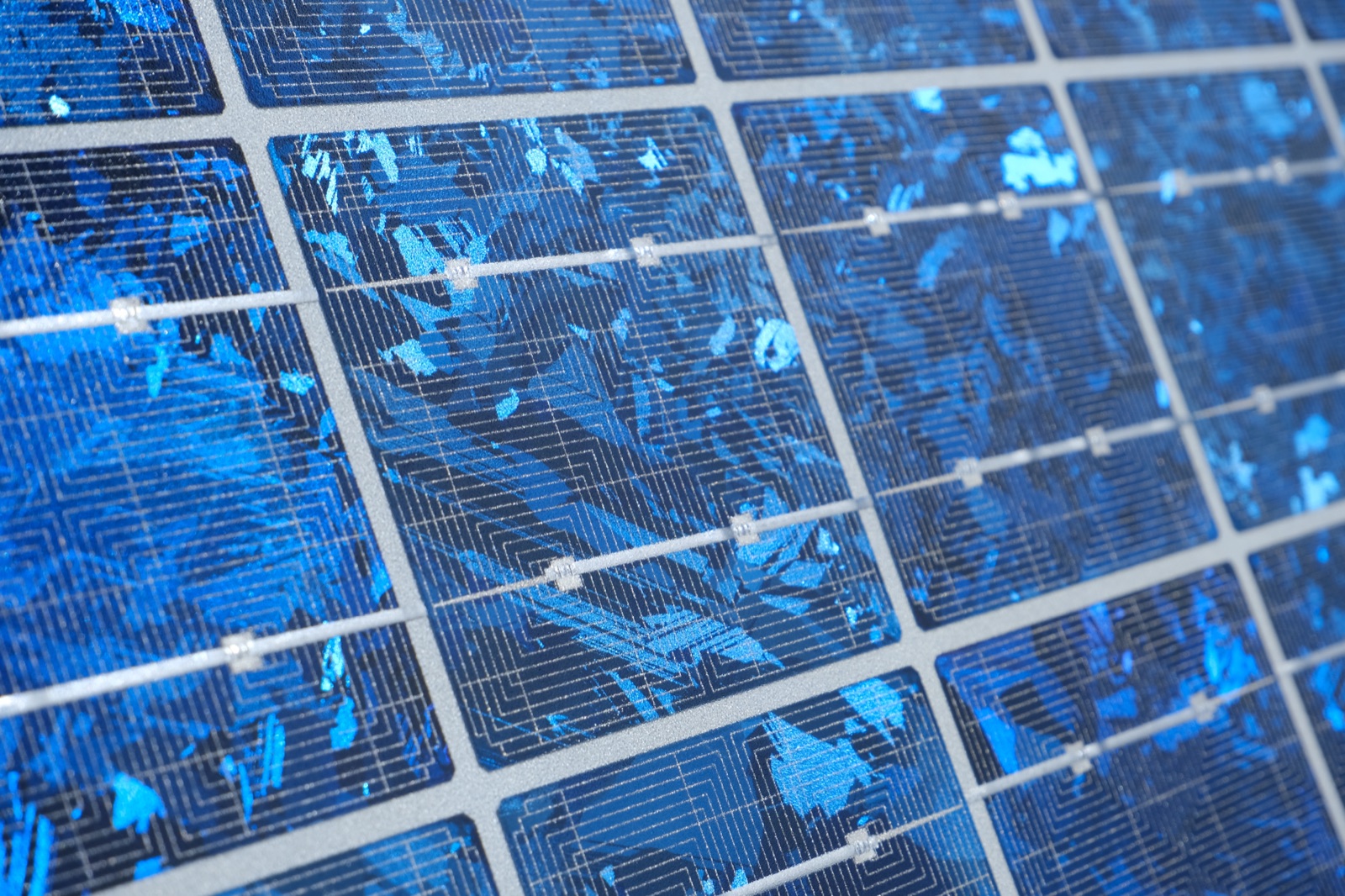
The Ultraviolet (UV) germicidal light used in Vardan is powered by solar cells made from e-waste, so no external energy is required to disinfect the water. Because the purifier has no complex membranes or mechanical parts, maintenance costs stay close to zero across its working life.
Why It Matters for Rural India
Over 50% of India’s population lacks reliable access to safe drinking water. In rural areas, roughly 85% of drinking water is drawn from groundwater sources that are, in many districts, both depleting and increasingly contaminated.
A device that needs no electricity connection and almost no maintenance is a meaningful fit for exactly these communities. It can be installed wherever there is a water source and sunlight, without depending on grid reliability or a technician visit every few months.
This is the same “small changes add up” logic Prakati keeps returning to: a single affordable purifier, multiplied across thousands of homes that currently have no safe alternative, adds up to a measurable public-health and economic dividend — echoing that OECD finding on the return from investment in clean water.
Features
- There are no complex membranes or mechanical parts used in Vardan. This brings down maintenance costs drastically to almost zero.
- A RO filter wastes at least a litre of water as reject for every litre of water purified. Vardan wastes nothing.
- The Ultraviolet (UV) Germicidal light used in Vardan is powered by PV solar cells made from e-waste. Hence no external energy is required.
- Vardan Water Purifier uses a highly adsorptive filter media: graphene. It is not only a great filtration media but also has high antibacterial properties.
- The purification system lasts at least 10 years at negligible maintenance (changing the UV light and activated carbon chamber).
- Purifies water in roughly 10 seconds via gravity flow, with no pump or external power needed.
- Available in variants designed for different daily volumes, priced roughly between ₹5,500–₹11,000 depending on capacity.
As per their official website, Vardan has moved from prototype into commercial deployment, with units delivered to households in and around Surat, Navsari, and Ankleshwar in Gujarat. For a country where access to safe, affordable drinking water remains out of reach for a large share of the population, Vardan is a good example of how frugal, sustainability-first engineering can close that gap — one household at a time. Let us congratulate the team at SLII for their exceptional work. Explore more sustainable changemakers like SLII, or browse our Water section for related stories.
Can we use this for high saline water?
I want to purchase one, how to get in mumbai.
Hello sir, I want to buy this purifier for my office but there is no any links or website to buy directly it. So please tell me? From where I can buy it
Can we use this for high saline water?
How can I purchase it and what’s the price iam interested so please send me details and photos on my phone number is 7990313915
What’s the cost of this purifier for my home of 3 head
Request to forwarward 1000 lit per day unit setup cost
I want this product
How to buy. Please send your contact number and details.
How can I purchase for my home in guntur andhra pradesh
I want to purchase one, how to get in BHIMAVARM
I want buy vardhan water filter for my domestic need. Where to buy?
I want nuw filter
How to buy. Please send your contact number and details
I want new filterwant to purchase one, how to get in BHIMAVARM
Reply
For domestic purpose wants in hyderabad
Contact 78931 44045
Dear Abhimanyu sir,
my name is Gaurav, I am from Gurugram (Haryana) & I am interested to buy this vardan RO purifier. we are 5 members in my family including me. Could you suggest if my requirement of per day is 15-20 ltr. then which size of purifier is for my home. How much will it cost to me?
My contact no. +91-9958763688. please share the details and their quotation on whats app.
thank & regards,
Gaurav
Bhawani Enclave,
Basai Road,
Gurugram
M.No. +91-9958763688