
Most conversations about sustainable packaging in India centre on plastic — bans, alternatives, extended producer responsibility. A new partnership signed this week points to a less obvious material source: the country’s medicinal plants.
The National Medicinal Plants Board (NMPB), under the Ministry of Ayush, has signed a Memorandum of Understanding with the University of Delhi, working through Bhaskaracharya College of Applied Sciences (BCAS), to research and develop packaging materials derived from medicinal plant resources — explicitly framed as sustainable alternatives to conventional aluminium-based and other environmentally costly packaging currently used across the herbal and nutraceutical industry.
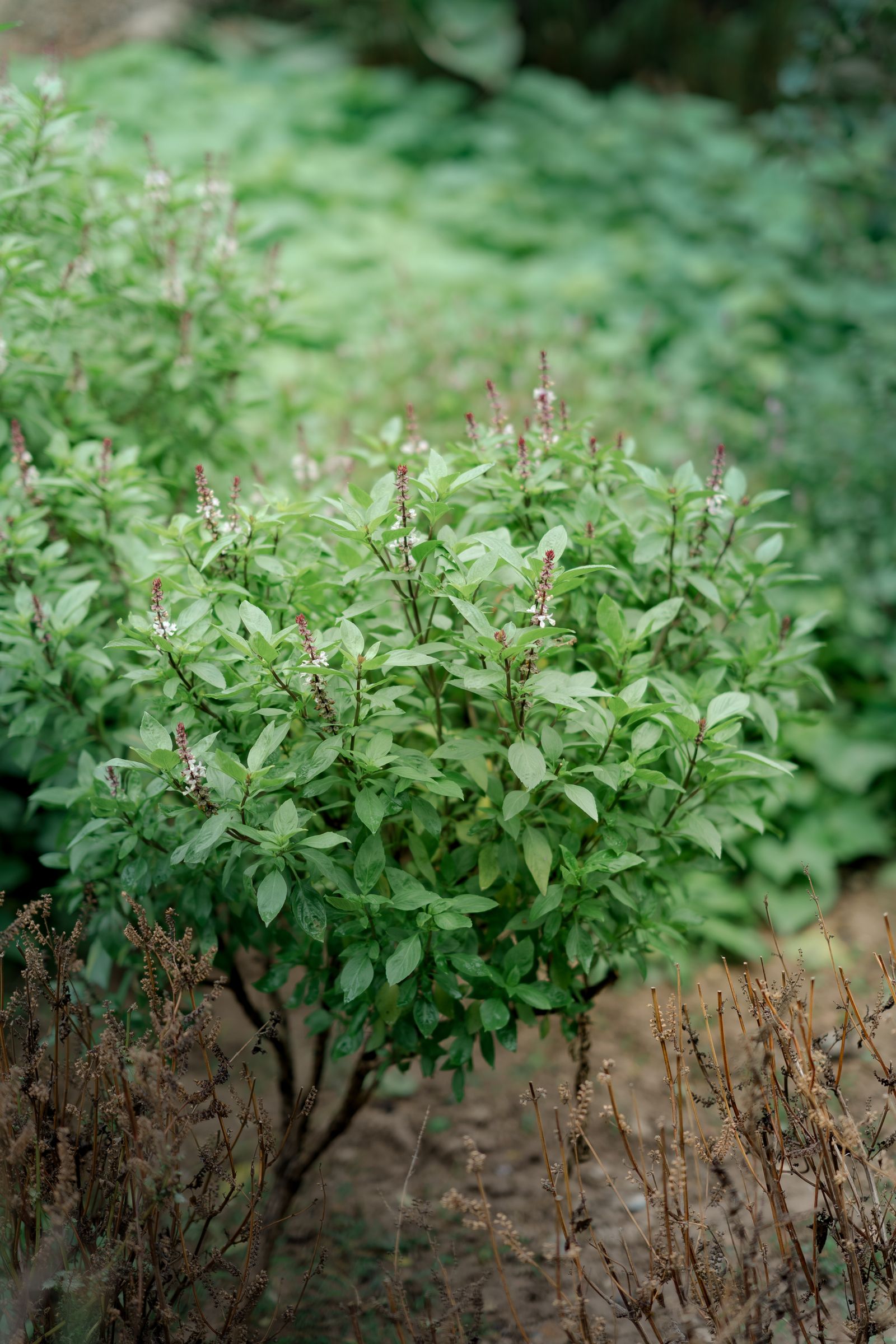
The MoU is broader than packaging alone. It sets up a long-term collaboration spanning scientific research, product development, value addition, post-harvest technologies, technology transfer, and capacity building — all aimed at strengthening how India cultivates, processes, and commercialises its medicinal plant resources. BCAS brings existing expertise in food technology, nutraceuticals, and post-harvest processing, including patented technologies for value-added use of biological resources, which the partnership is expected to extend into packaging-specific research.
What the Partnership Actually Covers
Officials at the signing pointed to a second, less publicised angle: where these plants are grown matters as much as how they’re processed. NMPB’s chief executive noted that cultivating medicinal plants in suitable ecological zones — including riverine areas — can do double duty, generating farmer income while supporting biodiversity conservation and ecological restoration in the same footprint.
Why This Matters Beyond One MoU
India holds one of the world’s largest inventories of medicinal and aromatic plant diversity, much of it tied to centuries of traditional Ayurvedic, Siddha, and Unani practice. That heritage has historically been treated as a health and export asset — India’s herbal exports run into hundreds of crores annually — but it’s been slower to be positioned as a materials-science resource in its own right.
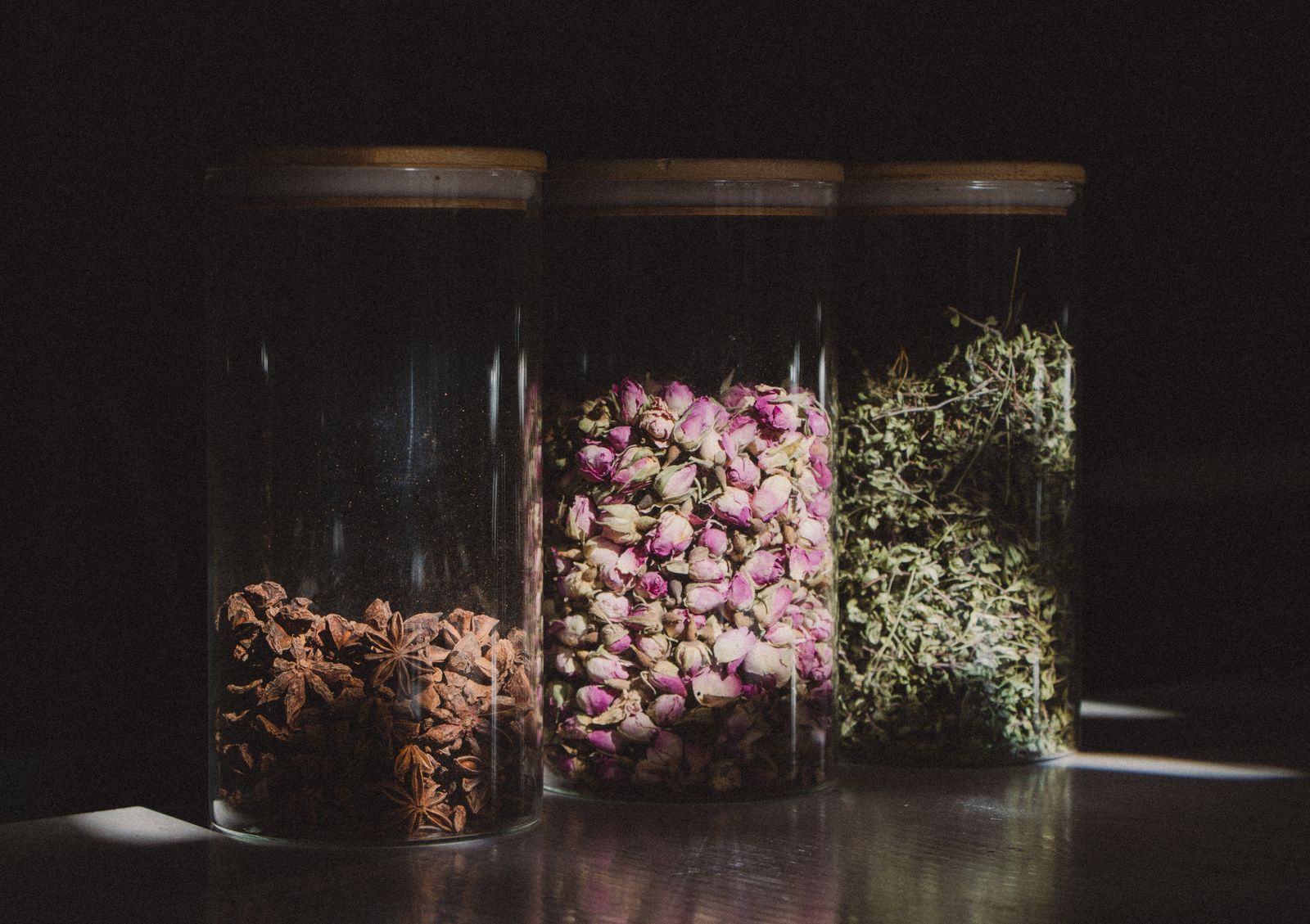
Plant-derived, biodegradable packaging isn’t a new field globally — researchers have worked with everything from mushroom mycelium to seaweed and agricultural fibre waste — but most of that innovation has happened outside India, using non-Indian feedstocks. Anchoring this kind of R&D in NMPB’s existing network of medicinal plant cultivators gives India a domestic supply chain advantage most packaging-innovation programmes elsewhere don’t have: the raw material is already being grown, at scale, by farmers who could use a second revenue stream from the same crop.
There’s a conservation logic embedded in this too. Overharvesting from wild populations has long been one of the biggest threats to India’s medicinal plant biodiversity — the same pressure that drove NMPB’s original mandate to promote cultivation over wild collection in the first place. If a packaging market genuinely takes off around specific species, it could tip the economics further in favour of organised, sustainable cultivation rather than extraction from shrinking wild stands, provided the sourcing is managed carefully rather than triggering a new wave of demand-driven overharvesting.
Early Days, Real Direction
Nothing here is a finished product yet — this is a research MoU, not a packaging line ready for market. But the direction is a useful one to watch: instead of importing a plastic-alternatives conversation wholesale from elsewhere, it roots the search for a replacement material in something India already has an unusual amount of — plant diversity, traditional processing knowledge, and a farmer base that could benefit directly if the science holds up, adding one more strand to India’s broader green economy. For readers exploring their own footprint, it’s another example of how sustainable living choices and India’s materials-science research are starting to draw on the same plant-based playbook.
Source: Press Information Bureau, Government of India — Ministry of Ayush signs MoU with University of Delhi to advance research, innovation and sustainable utilisation of medicinal plants