
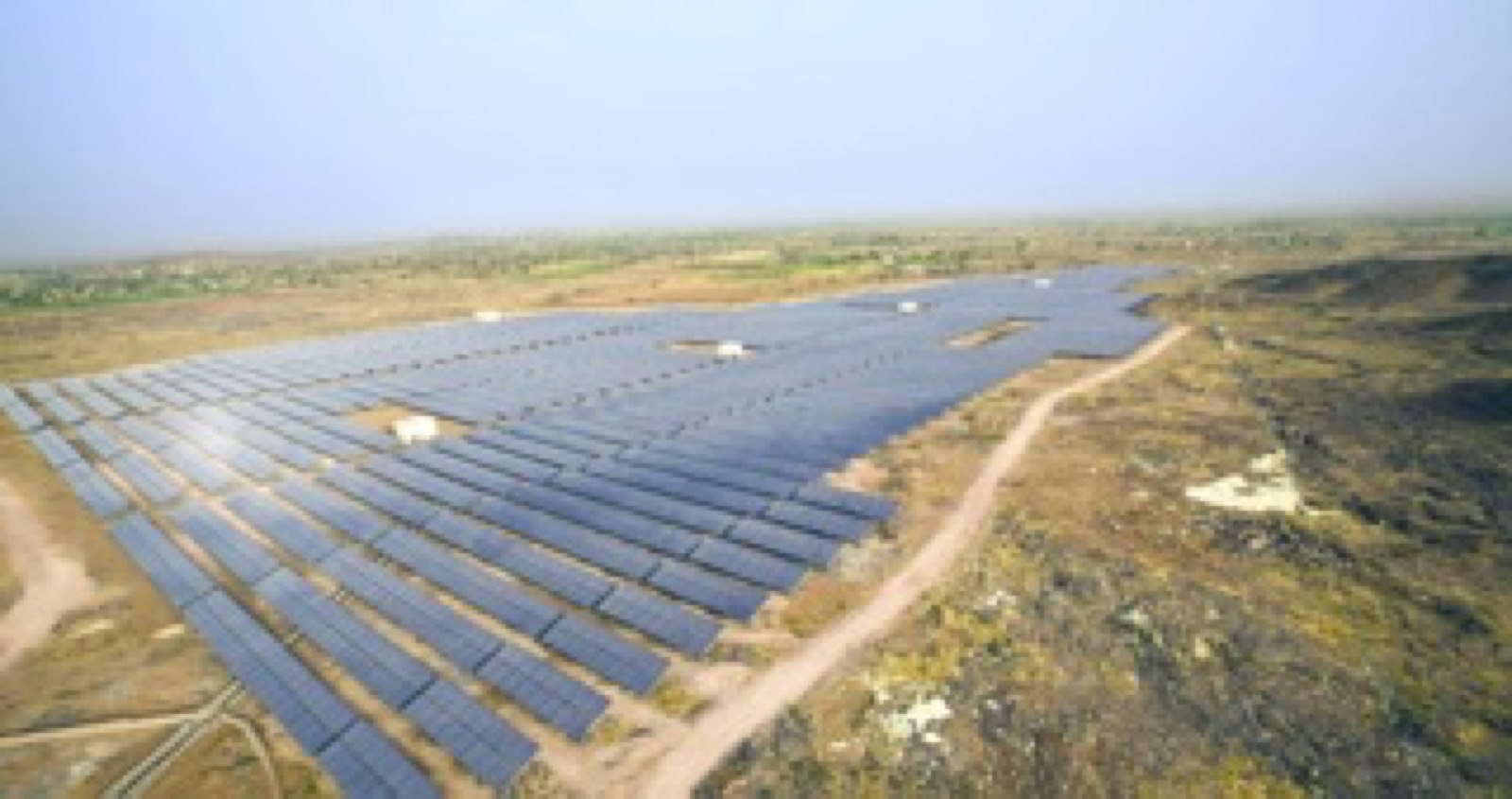
India’s installed solar capacity has crossed 90 GW, and the government’s target of 500 GW of non-fossil capacity by 2030 means the solar sector is nowhere near saturated. For entrepreneurs, this is one of the clearest green economy opportunities available today — not just in generating power, but in the entire ecosystem of installation, financing, servicing, and innovation that a fast-growing solar market needs.
This post looks at practical solar business ideas for future-ready entrepreneurs, grounded in real businesses already building in this space in India.
Why Solar Is a Strong Bet for New Entrepreneurs
- Falling equipment costs: Panel and inverter prices have dropped sharply over the past decade, lowering the capital needed to enter the market.
- Policy tailwinds: Central and state subsidy schemes, net metering rules, and rooftop solar incentives continue to expand demand from residential and commercial customers.
- Rising electricity costs: Businesses and households facing higher grid tariffs are increasingly receptive to solar as a cost-saving measure, not just an environmental one.
- Underserved tier-2 and tier-3 markets: Much of India’s solar adoption is still concentrated in metros — smaller cities and towns remain wide open for new entrants.
Solar Business Ideas Worth Exploring
1. Rooftop Solar EPC (Engineering, Procurement & Construction)
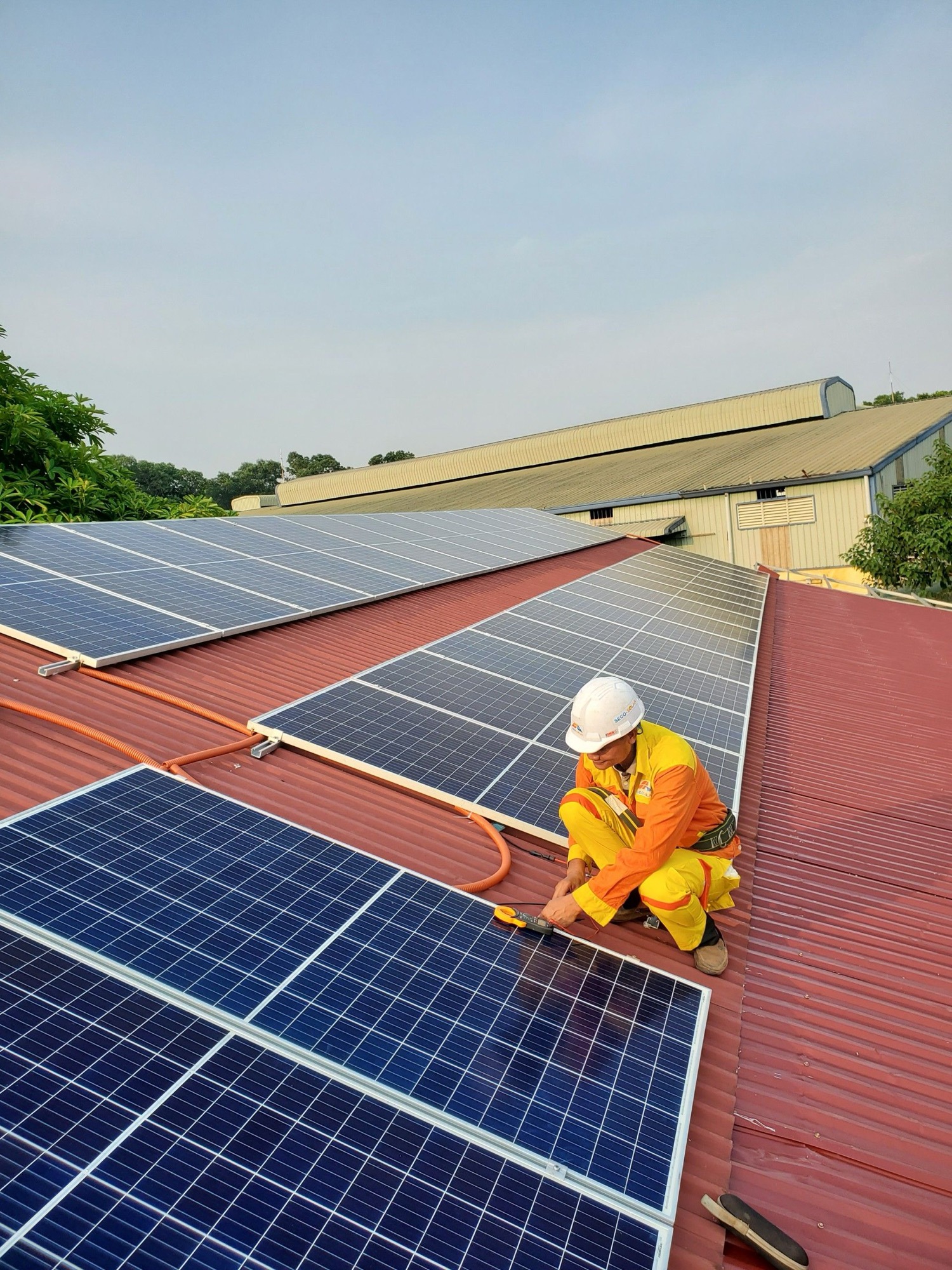
Earthwave Solar, a Surat-based EPC company, shows what this model looks like at scale — turnkey rooftop, commercial, and ground-mount solar installations, with over 120 MW of installed capacity and an 80 MW ground-mount project delivered for Mahindra Susten. The company has even brought inverter manufacturing in-house. For a new entrant, the EPC model can start small: residential rooftop installations in a specific city or district, building a reputation for reliable installation and after-sales service before scaling into commercial projects.
2. Regional Solar Product Supply and Installation
Not every solar business needs to operate nationally. Techno Sun Energy, based in Raipur, Chhattisgarh, has built a solid regional business supplying and installing solar panels and power systems for residential, commercial, and industrial customers since 2017. This kind of hyper-local model — becoming the trusted solar supplier for a specific city or district — remains one of the most accessible entry points for new entrepreneurs, since it relies more on service quality and local trust than large capital outlay.
3. Distributed Solar for Housing Societies and SMEs
Mahindra Solarize, the distributed renewable energy arm of Mahindra & Mahindra, focuses on rooftop solar and solar water pumps for residential, commercial, and industrial customers. While Mahindra Solarize operates at corporate scale, the underlying opportunity — helping housing societies, small factories, and retail complexes switch to rooftop solar with manageable upfront costs — is very much open to smaller regional players who can offer more personalised service and financing support.
4. Solar Operations & Maintenance (O&M) Services
As India’s installed solar base grows, so does the need for ongoing maintenance — panel cleaning, inverter servicing, performance monitoring, and fault diagnosis. This is a lower-capital, service-based business that can be started with a small technical team and grows through recurring annual maintenance contracts with residential and commercial solar owners. It is also a natural add-on for EPC businesses looking to build recurring revenue beyond one-time installations.
5. Solar Financing and Leasing Models
Upfront cost remains the single biggest barrier to solar adoption for many households and small businesses. Solar-as-a-service models — where customers pay a monthly fee instead of a large upfront installation cost — open up the market to price-sensitive segments. Entrepreneurs with a finance background can build businesses around structuring these leasing or PPA (power purchase agreement) arrangements for residential and small commercial customers, partnering with installers rather than doing the installation themselves.
6. Solar-Powered Agricultural Equipment
Solar water pumps, solar dryers, and solar cold storage units address real pain points for Indian farmers, particularly in areas with unreliable grid electricity. Government schemes like PM-KUSUM support solar pump adoption, creating a ready customer base for entrepreneurs who can navigate the subsidy process and provide reliable installation and servicing in rural markets.
What Makes a Solar Business Work
- Local trust matters more than scale. As Techno Sun Energy’s regional model shows, becoming the reliable local name in solar can be just as viable as competing nationally.
- Service and maintenance build recurring revenue. Installation is a one-time sale; O&M contracts create ongoing customer relationships.
- Financing innovation opens new customer segments. Making solar affordable upfront is often more important than the technology itself.
- Subsidy and policy literacy is a genuine competitive advantage. Entrepreneurs who can help customers navigate central and state incentive schemes reduce a major adoption barrier.
Getting Started
If you are considering a solar business, start by understanding the solar adoption gaps in your own city or region — residential rooftop penetration, commercial demand, and existing installer capacity. Talking to installers, discom officials, and early adopters will reveal where the real opportunities lie faster than any market report.
For more sustainable energy business inspiration, explore our series on eco-friendly business ideas in India and browse Prakati’s Green Directory for more real businesses already building India’s renewable energy future.
Solar is no longer a niche bet — it is one of the most future-ready sectors an entrepreneur can enter today.