
India’s electric mobility transition is well past the question of “if” and firmly into the territory of “how fast” and “at what cost.” On July 2, the Associated Chambers of Commerce and Industry of India (ASSOCHAM) convened a National Conference on “Electric Mobility: Building India an Electric Mobility Hub for Viksit Bharat” in New Delhi, with Union Environment Minister Bhupender Yadav presiding as Chief Guest, alongside senior policymakers, automotive manufacturers, technology providers, and industry leaders deliberating on what it will actually take to make that transition happen at scale.
Green growth, not just green technology
The Minister’s framing was notable: India’s shift to electric mobility, he said, is not merely about replacing one technology with another. It is about building “a sustainable industrial ecosystem that strengthens manufacturing, creates green jobs and supports Prime Minister’s vision of Viksit Bharat by 2047.” The focus, he added, must remain on “green growth, resilient infrastructure, transparent governance and a circular economy that ensures long-term environmental sustainability.”
That last phrase — circular economy — carries real weight in an EV context. The environmental case for electric vehicles depends heavily on what happens to their batteries at end-of-life: a battery that ends up in a landfill undercuts much of the emissions benefit gained during the vehicle’s use phase. The government’s growing attention to battery recycling infrastructure and extended producer responsibility rules for EV batteries reflects exactly this logic.
What the conference identified as the actual bottlenecks
The deliberations surfaced a consistent set of enabling conditions that industry says need to be in place before EV adoption accelerates significantly beyond the two-wheeler segment into cars, buses, and freight:
- Policy continuity — manufacturers need multi-year certainty on incentive structures before committing to large-scale localisation investments
- Charging infrastructure — range anxiety remains a real barrier for four-wheelers; the charging network outside major cities is still thin
- Manufacturing localisation — reducing dependence on imported cells and components is both a cost and a resilience issue
- Battery supply chains — lithium, cobalt, and nickel procurement need long-term bilateral frameworks; India’s battery material import bill is significant
- Financing access — EV loans at competitive rates and insurance products calibrated to EVs are still underdeveloped compared to ICE vehicles
- Technology innovation — battery chemistry advances, domestic cell manufacturing, and software-defined vehicle capabilities all need sustained R&D investment
Where things stand
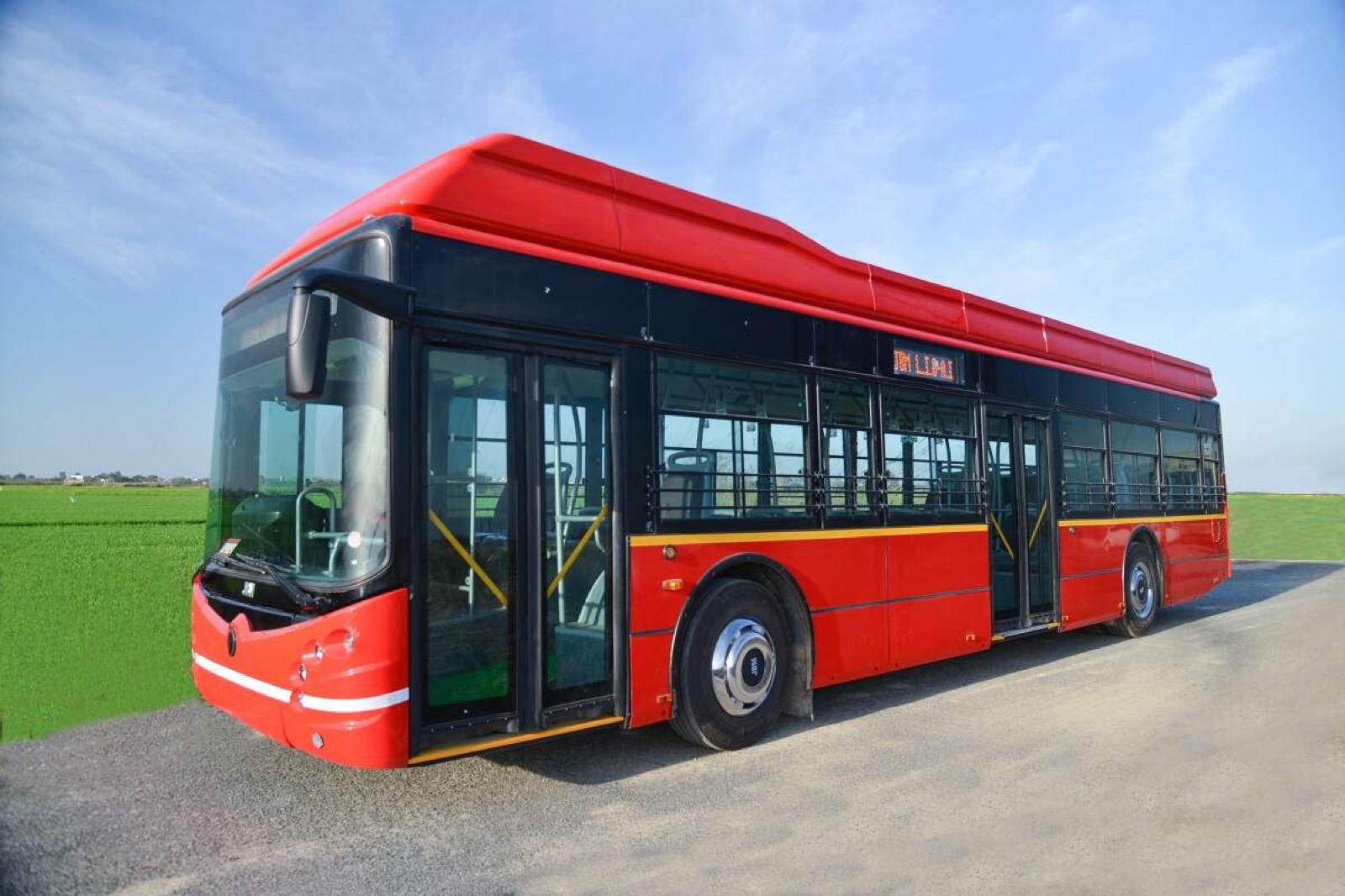
India’s PLI scheme for Advanced Chemistry Cell (ACC) batteries and the FAME scheme for EV demand subsidy have already reshaped the market considerably — electric two-wheelers now represent a meaningful share of new vehicle registrations in urban markets, and public bus electrification under FAME II has added thousands of electric buses to state transport fleets. The government’s reforms to simplify environmental clearances for EV manufacturing facilities and digitise approvals represent additional effort to reduce friction for new investment. What conferences like this one signal is that the policy ecosystem is becoming a genuine conversation between government and industry, not a one-way mandate — which is usually when transitions start to accelerate.
For Prakati’s focus on sustainable transport and the broader story of India’s transition to a lower-emission economy, the electric mobility shift is among the most consequential changes underway. Its success or failure — and the green economy jobs it creates or doesn’t — will shape India’s emissions trajectory for decades.
Source: Press Information Bureau, Government of India (PRID 2280234)