
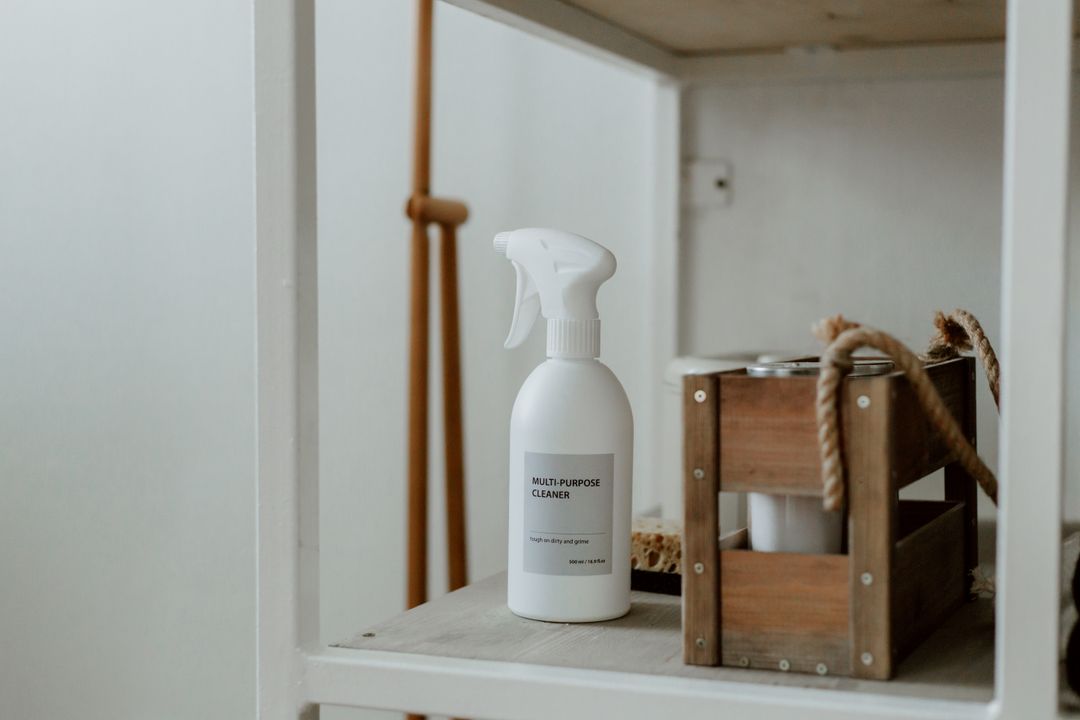
India’s home care market is large, habit-driven, and until recently, dominated by synthetic chemical products. That is changing fast. A new cohort of consumers — urban, health-conscious, and increasingly aware of what goes down their drains — is actively seeking plant-based, non-toxic alternatives. For entrepreneurs, the green cleaning products business is one of the most accessible and scalable entry points into the green economy.
Why Green Cleaning Products Are a High-Demand Business
Conventional household cleaners contain harsh surfactants, phosphates, and synthetic fragrances that persist in waterways and affect aquatic life. As awareness grows — driven by social media, health trends, and tightening regulatory scrutiny — demand for safer, biodegradable alternatives is rising. The Indian eco-friendly home care market is growing at double-digit rates, and the competitive landscape remains far less crowded than FMCG giants would suggest. This is a genuine opportunity for early movers.
5 Green Cleaning Products Business Models to Consider
1. Zero-Waste Concentrate Tablets
Cleaning concentrate tablets are a product category that solves two problems at once: plastic packaging waste and the high cost of shipping water. A single effervescent tablet, dissolved in tap water in a reusable bottle, creates a full-strength floor cleaner, glass cleaner, or multi-surface spray. The logistics are simple, the packaging is minimal (compostable cardboard or paper), and the unit economics are excellent.
This model is particularly well-suited to D2C subscription: customers order a monthly pack of tablets, reducing both packaging and the customer’s plastic footprint. It is also an easy story to tell on Instagram and YouTube, where satisfying “tablet drop” videos generate organic reach.
2. Plant-Based Multi-Surface Cleaner Brand
A plant-based sustainable living cleaner brand formulates products using biodegradable surfactants derived from coconut, corn, or citrus, replacing petrochemical ingredients. The products can span kitchen cleaners, bathroom disinfectants, laundry liquids, and dishwash gels — all without sulphates, phosphates, or synthetic preservatives.
Real example from the Prakati Green Directory: Born Good, a Bangalore-based company founded in 2019, has built exactly this — a range of lab-tested, plant-based home cleaning products certified free of sulphates, phosphates, and parabens. Born Good is listed in the Prakati Green Directory and demonstrates the commercial traction available in this category when product quality is matched with strong brand storytelling.
3. Refill Station Model
A refill station business operates from a physical location — a standalone store, a farmers market stall, or a kiosk inside an existing sustainable lifestyle shop — where customers bring their own bottles and pay by weight or volume to refill cleaning products. The model eliminates single-use plastic almost entirely and creates a loyal, local customer base.
In India, the model is gaining momentum in metro cities where eco-conscious consumers are actively looking for zero-waste shopping options. A refill station can also function as an anchor for a broader eco-friendly products store, combining cleaning refills with personal care, kitchen items, and sustainable packaged food.
Real example from the Prakati Green Directory: Coco Custo, a Mumbai-based brand founded in 2018, makes plant-based household cleaners including detergents and multipurpose solutions. Their approach to non-toxic, sustainable formulation has positioned them as one of the recognisable names in India’s growing green home care space. Coco Custo is listed in the Prakati Green Directory.
4. DIY Cleaning Kit Subscription
A DIY cleaning kit subscription sends customers a monthly box with pre-measured, natural ingredients — baking soda, citric acid, castile soap concentrate, essential oils, and instruction cards — to make their own cleaners at home. This model has a strong community angle: subscribers share their results, customise formulas, and develop a real understanding of what is (and is not) in their cleaning products.
The business is light on manufacturing capital: you source, measure, and package ingredients rather than producing finished goods. Margins can be strong if the subscription retention is high, and the educational component builds deep brand loyalty.
5. Institutional and B2B Green Cleaning Supply
Hotels, co-working spaces, schools, hospitals, and corporate offices are under growing pressure — from their own ESG commitments, guests, and employees — to switch to greener cleaning products. A B2B green cleaning supply business sells directly to these institutions, offering bulk delivery, usage training for cleaning staff, and sustainability reporting (which institutions increasingly need for their own ESG disclosures).
Real example from the Prakati Green Directory: Rustic Art, a Maharashtra-based organic brand, manufactures natural soaps and household cleaning products without synthetic chemicals. Their eco-label products serve both retail and institutional markets, illustrating how a commitment to natural formulations can translate across B2C and B2B channels. Rustic Art is listed in the Prakati Green Directory.
Key Considerations Before You Launch
Starting a green cleaning products business is operationally accessible — but there are a few things to get right from day one:
- Formulation and testing: Plant-based does not automatically mean effective. Invest in proper efficacy testing alongside safety testing. Products that do not work will generate returns and damage the brand.
- Labelling compliance: Cleaning products sold in India must comply with Bureau of Indian Standards (BIS) labelling requirements. Understanding these early saves expensive reformulations later.
- Certifications: Ecolabel certification (the Type I environmental label) adds credibility and opens institutional procurement doors. Vooki, listed in the Prakati Green Directory, holds a Type 1 Eco Label certification — an indication of what serious institutional buyers now expect.
- Packaging: Your packaging must be consistent with your brand values. Recycled PET, glass, aluminium, or compostable formats are all options — each with different cost and logistics implications. Use sustainable packaging from the start rather than retrofitting later.
How to Find Your Green Cleaning Niche
The green cleaning products business is broad enough that picking a niche matters. A few framing questions to guide your positioning:
- Are you targeting health-conscious urban families (B2C) or sustainability-compliant institutions (B2B)?
- Is your primary differentiation the formulation (plant-based chemistry), the packaging (zero-waste or refillable), or the model (subscription, refill, DIY)?
- Is there a specific room or use case — kitchen, bathroom, laundry, dishwashing, baby-safe — where existing green products are weakest?
To study what is already working in this market, explore the Prakati Green Directory, which lists verified Indian businesses in sustainable home care and beyond. Spending time with existing sustainable businesses — their pricing, positioning, and customer communication — is among the most useful research any aspiring founder can do before launching.
The green cleaning products business is not just a trend — it is a structural shift in how Indian households and institutions think about what they put in their homes and down their drains. Founders who enter now, with a genuine commitment to formulation quality and environmental claims, are building into a market that will only grow larger over the next decade.