
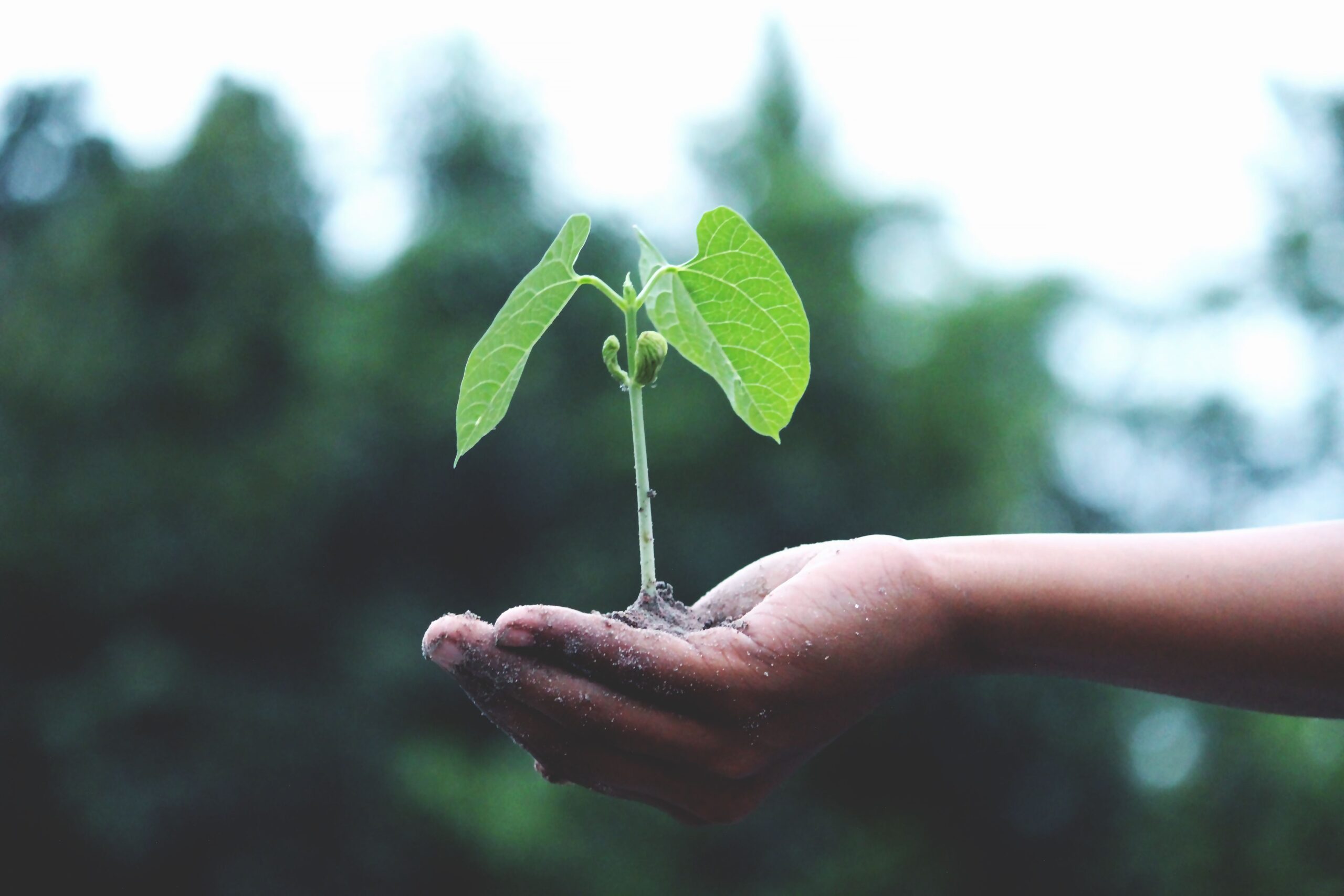
Every green business idea starts the same way: someone notices a small, everyday wastefulness — a plastic spoon used for two minutes, a flower thrown away after one festival, a wrapper that never decomposes — and decides to build something better around it. If you are exploring green business ideas for beginners in 2026, the good news is that you don’t need a science background, a large factory, or millions in funding to start. You need a genuine problem worth solving and the patience to solve it properly.
This is a broad orientation to the sustainability business landscape, not a deep dive into any single niche — think of it as a map of where the opportunities live before you pick a direction. For sharper, narrower guidance, this is the first piece in a series that will later cover sustainable startup ideas for first-time founders and low-investment, home-based options separately.
Start by Replacing Something, Not Inventing Something
The most reliable green business ideas tend to replace an existing wasteful product or habit with a more sustainable equivalent, rather than invent an entirely new category of demand. Plastic cutlery becomes areca leaf or bamboo tableware. Synthetic packaging becomes compostable or paper-based packaging. Chemical-laden cleaning products become plant-based alternatives. The market already exists — you are simply offering a cleaner version of something people already buy.
Learn From Businesses Already Doing It
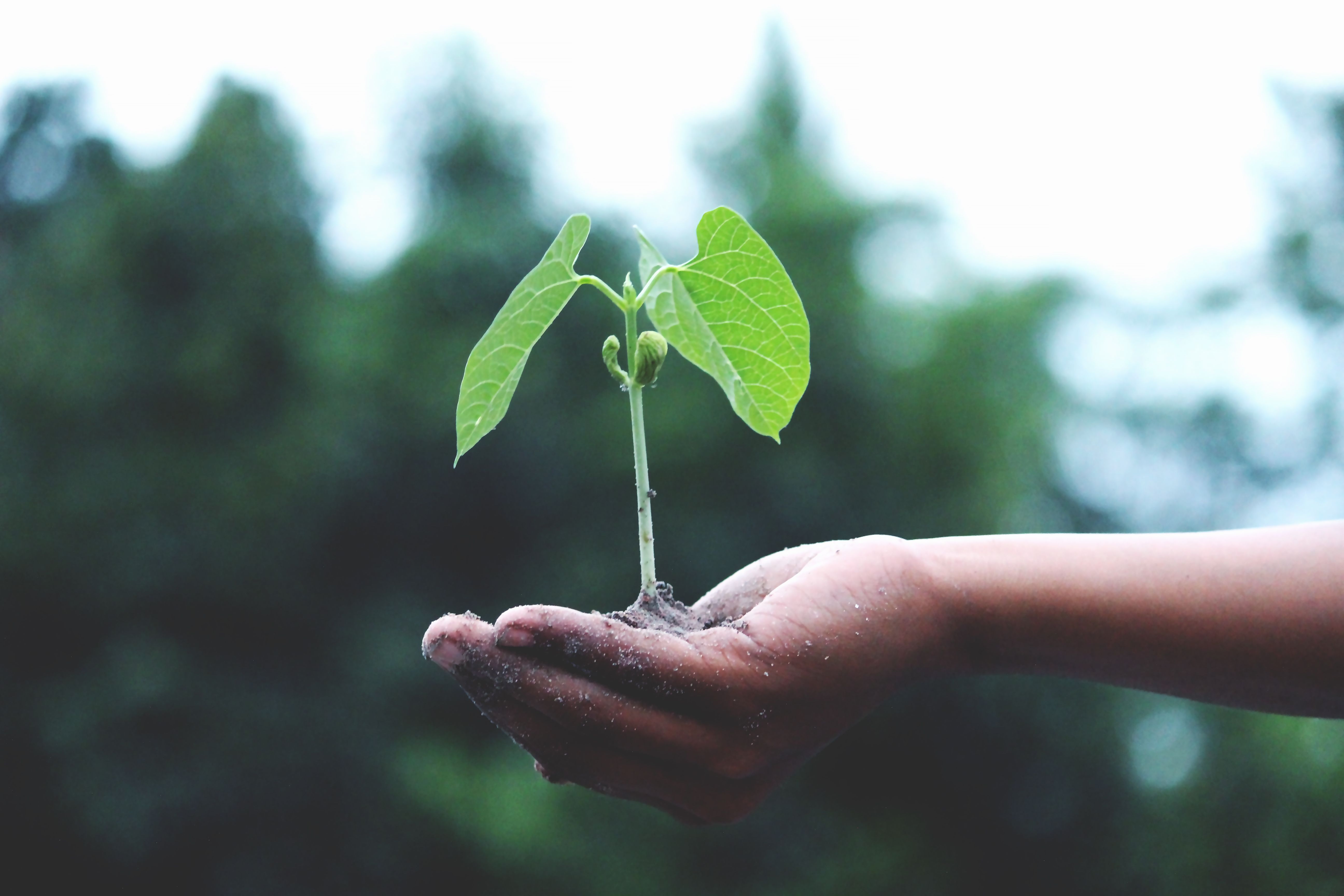
One of the fastest ways to understand what a green business idea looks like in practice is to study real examples rather than abstract categories. Bamboo India built a business around a simple substitution — replacing everyday plastic items with bamboo — and turned it into a full product line. Ecoware did the same for single-use tableware, switching disposable plastic for biodegradable plant-fibre alternatives that restaurants and event organisers can adopt without changing their operations. reCharkha went a step further, turning plastic wrapper waste that would otherwise sit in landfills into bags and mats — proof that the “raw material” for a green business can be waste itself.
None of these businesses started as large operations. Each began by identifying one specific waste stream or one specific product category and committing to doing that one thing well before expanding.
Pick a Lane: Product, Service, or Platform
Green business ideas broadly fall into three lanes. Product businesses manufacture or source a tangible sustainable item — tableware, clothing, packaging, personal care. Service businesses help other businesses or individuals become more sustainable — consulting, waste audits, repair and refurbishment. Platform businesses connect supply and demand — marketplaces, directories, and resale platforms for sustainable goods. Beginners often do best starting in the product or service lane, since platforms typically need an existing community or audience on at least one side before they can work.
Validate Before You Scale
The single biggest mistake beginners make is building a full product range before confirming anyone actually wants to buy it. Start with one product or one service, sell it to a small number of real customers — even ten is enough — and listen carefully to what they say before investing in packaging, certifications, or inventory at scale. Sustainability gives you a genuine story to tell, but a story alone does not replace product-market fit.
If this overview has you thinking about where you specifically fit in — as a first-time founder, or with very little starting capital — those are the exact angles covered next in this series. For now, the place to begin is simple: pick one wasteful, everyday thing you understand well, and ask how it could be done better. That question, asked seriously enough, is how most of the businesses on Prakati’s Sustainable Changemakers page got started.