
Rivers don’t stop for state borders, which is exactly why so many of India’s longest-running water disputes are actually border disputes wearing a hydrological disguise. The Sone River, which flows out of the Chhotanagpur Plateau in Jharkhand before crossing into Bihar to feed one of India’s oldest large irrigation canal networks, has been at the centre of one such dispute for nearly 25 years. On 31 August 2026, in the presence of Union Home Minister Amit Shah, Bihar and Jharkhand finally signed an MoU to end it.
It’s the kind of story that can look, on the surface, like routine inter-state administration — an MoU signing, ministerial statements, the usual language about cooperative federalism. But underneath it is a genuinely consequential resolution for water security across a large stretch of eastern India, and a case study in just how long these disputes can drag on even when the underlying math isn’t especially complicated.
Where the Dispute Actually Came From
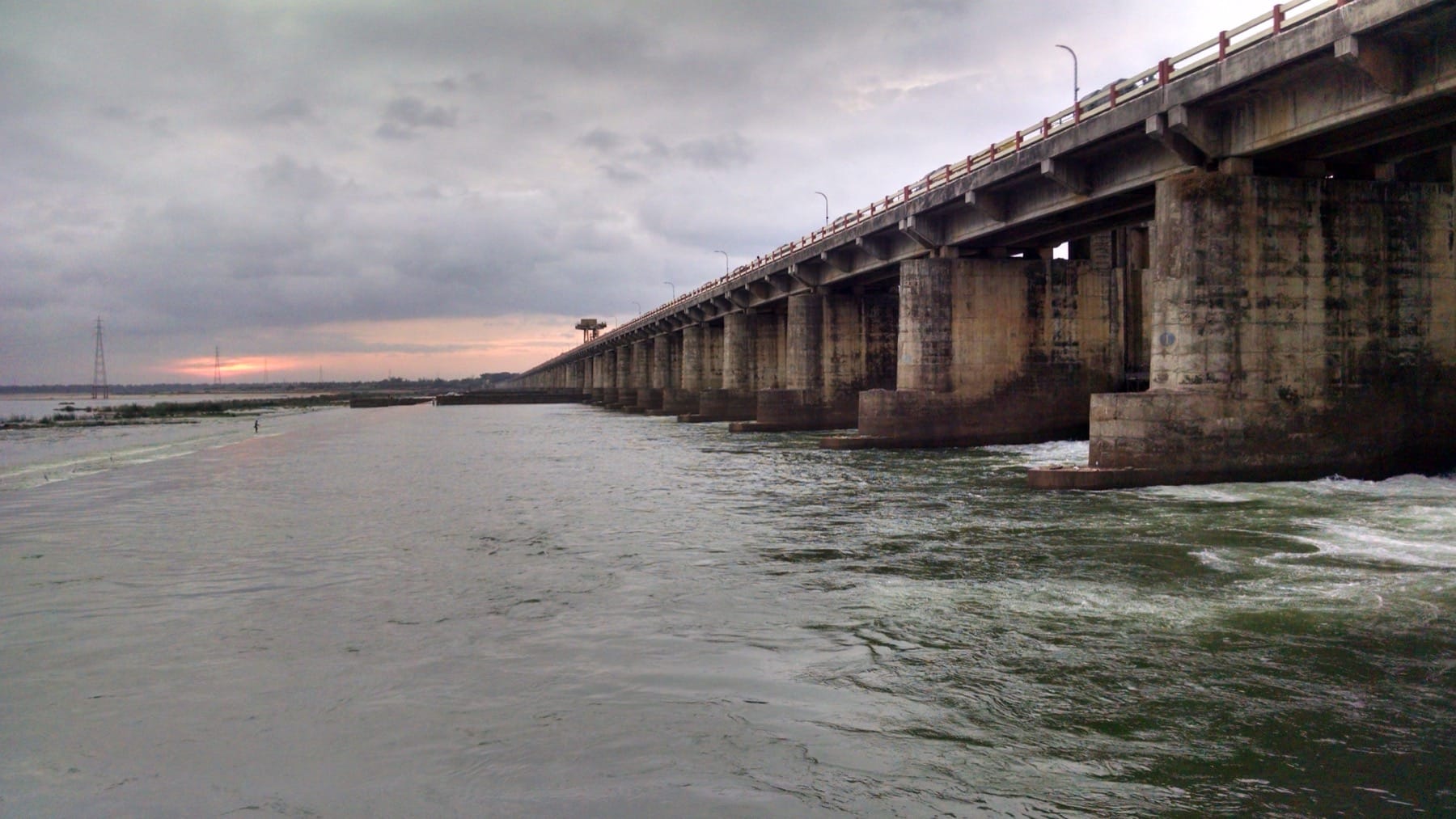
The root of the problem traces back to 1973, when undivided Bihar signed the Bansagar Agreement, securing an allocation of 7.75 million acre-feet (MAF) of Sone River water. That allocation worked fine as long as Bihar was a single state. But in November 2000, Jharkhand was carved out of Bihar — taking with it a large share of the Sone’s upper catchment and tributary areas — without any accompanying agreement on how the original 7.75 MAF allocation should now be divided between the two new states.
For the next quarter-century, that gap sat unresolved. Jharkhand argued it deserved a formal, defined share of an allocation that had originally been granted to a state it was now only part of; Bihar, whose agricultural heartland along the Sone canal system had depended on that water for decades, had every incentive to avoid renegotiating a share it already relied on. The result was a slow-burning dispute that blocked progress on at least one major piece of downstream infrastructure: the long-pending Indrapuri Reservoir project, which has been stuck in planning limbo partly because of the unresolved question of how much water it would even be allowed to store and release.
What the New Agreement Actually Allocates
The MoU signed on 31 August splits the original 7.75 MAF allocation directly: 5.75 MAF to Bihar, 2 MAF to Jharkhand. According to the government, the agreement will provide irrigation water to farmers across eight Bihar districts — Bhojpur, Buxar, Rohtas, Kaimur, Aurangabad, Arwal, Gaya, and Patna — plus the Palamu and Garhwa regions of Jharkhand, covering both irrigation and drinking-water supply for a large rural population on both sides of the border.
That water actually reaches those districts today through the Indrapuri Barrage, commissioned in 1968 at Dehri, which feeds the Sone canal system — among the oldest large-scale canal irrigation networks built anywhere in India. A defined water-sharing formula also, in principle, clears the path for the stalled Indrapuri Reservoir project to move forward, since planning a reservoir’s capacity and release schedule requires knowing, with legal certainty, how much water each state is entitled to draw.
The Bigger Pattern: Cooperative Federalism as Dispute-Resolution Strategy
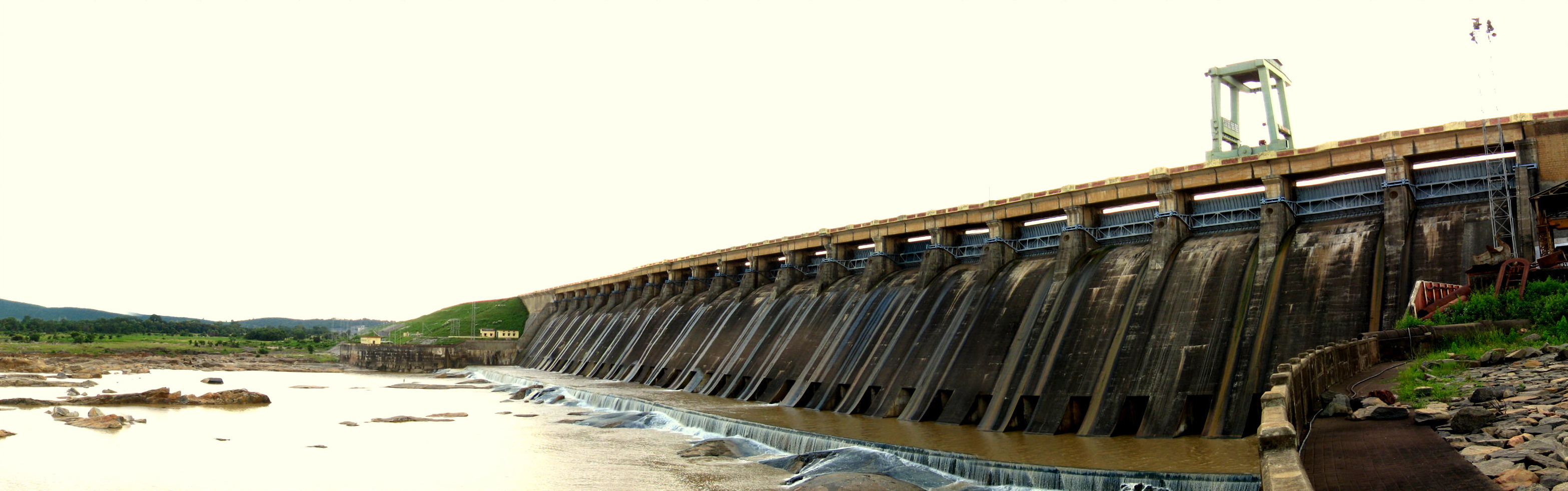
The Home Ministry’s framing of this agreement leaned heavily on a specific policy narrative: that long-pending inter-state water disputes are being systematically worked through the Inter-State Council under a “Team Bharat” approach, with this Sone River MoU described as the fourth such agreement reached in 2026 alone. Whatever one makes of the political framing, the underlying claim is checkable and, if accurate, matters — inter-state river disputes in India have historically been among the slowest-moving disagreements in the federal system, sometimes dragging through tribunals and courts for decades.
A dispute-resolution channel that can produce four such agreements within a single year — through direct negotiation and MoU rather than years of tribunal litigation — would represent a genuinely faster mechanism than India’s water-dispute-resolution track record generally suggests is possible. Water disputes resolved through negotiated settlement rather than adversarial litigation also tend to produce more durable, flexible outcomes, since both states have direct ownership of the terms rather than having a solution imposed on them by an external tribunal.
Why This Is a Sustainability Story, Not Just a Political One
It’s tempting to read an inter-state water MoU as pure administrative housekeeping, but water-sharing certainty is foundational infrastructure for everything that depends on it downstream — literally and figuratively. Farmers can’t plan multi-year investments in crop choice, irrigation infrastructure, or land use when the water they’re entitled to is legally contested. Drinking-water utilities can’t plan long-term supply infrastructure around a river allocation that could be challenged. And large reservoir and canal-modernisation projects, like Indrapuri, simply can’t proceed at all while the underlying allocation dispute remains open — meaning 25 years of dispute has likely meant 25 years of deferred water conservation and irrigation-efficiency investment that a resolved allocation now makes possible.
That’s the quieter, more durable story behind a press release about an MoU signing: not just two states settling an old argument, but the removal of a genuine structural bottleneck that has likely been holding back water-security planning across a meaningful stretch of the Ganga basin for a generation. Whether the Indrapuri Reservoir project now actually moves from paper to construction will be the real test of whether this agreement changes anything on the ground — but for the first time in 25 years, the legal and political precondition for that to happen is finally in place. It’s a resolution that sits alongside other recent efficiency pushes in India’s water story, from micro-irrigation gains under Per Drop More Crop to the household-connection milestones of the Jal Jeevan Mission.
Source: Press Information Bureau, Government of India — In the presence of Union Home Minister and Minister of Cooperation Shri Amit Shah, an MoU was signed between Bihar and Jharkhand on the sharing of Sone River water