

The dustbin colour code in India is simple at its core: green for wet waste, blue for dry waste. Proper waste management is necessary for preserving a clean environment, so we need to segregate waste into different types before disposal and processing. Segregation prevents difficulties during recycling and makes it easier to keep our surroundings clean. To segregate waste correctly, India uses a colour code for each type of waste. Let us discuss it in detail.
Dustbin Colour Code in India: Quick Answer
| Type of waste | Dustbin colour | Examples |
|---|---|---|
| Wet / biodegradable | Green | Food scraps, vegetable and fruit peels, garden trimmings |
| Dry / recyclable | Blue | Paper, cardboard, plastic packaging, glass, metal |
| Domestic hazardous / sanitary | Black | Diapers, sanitary pads, used batteries |
| Biomedical (hospitals and clinics) | Yellow | Anatomical and soiled waste, expired medicines (red, white and blue bins are also used for plastics, sharps and glass) |
The Solid Waste Management Rules, 2016 require households to segregate waste into wet, dry and domestic hazardous streams, and the green, blue and black bin colours come from Swachh Bharat Mission guidelines. Biomedical waste follows CPCB’s separate Bio-Medical Waste Management Rules, as explained in the FAQs below. Some cities also use a separate red or orange bin for hazardous household waste.
Types of wastes:
1. Organic waste
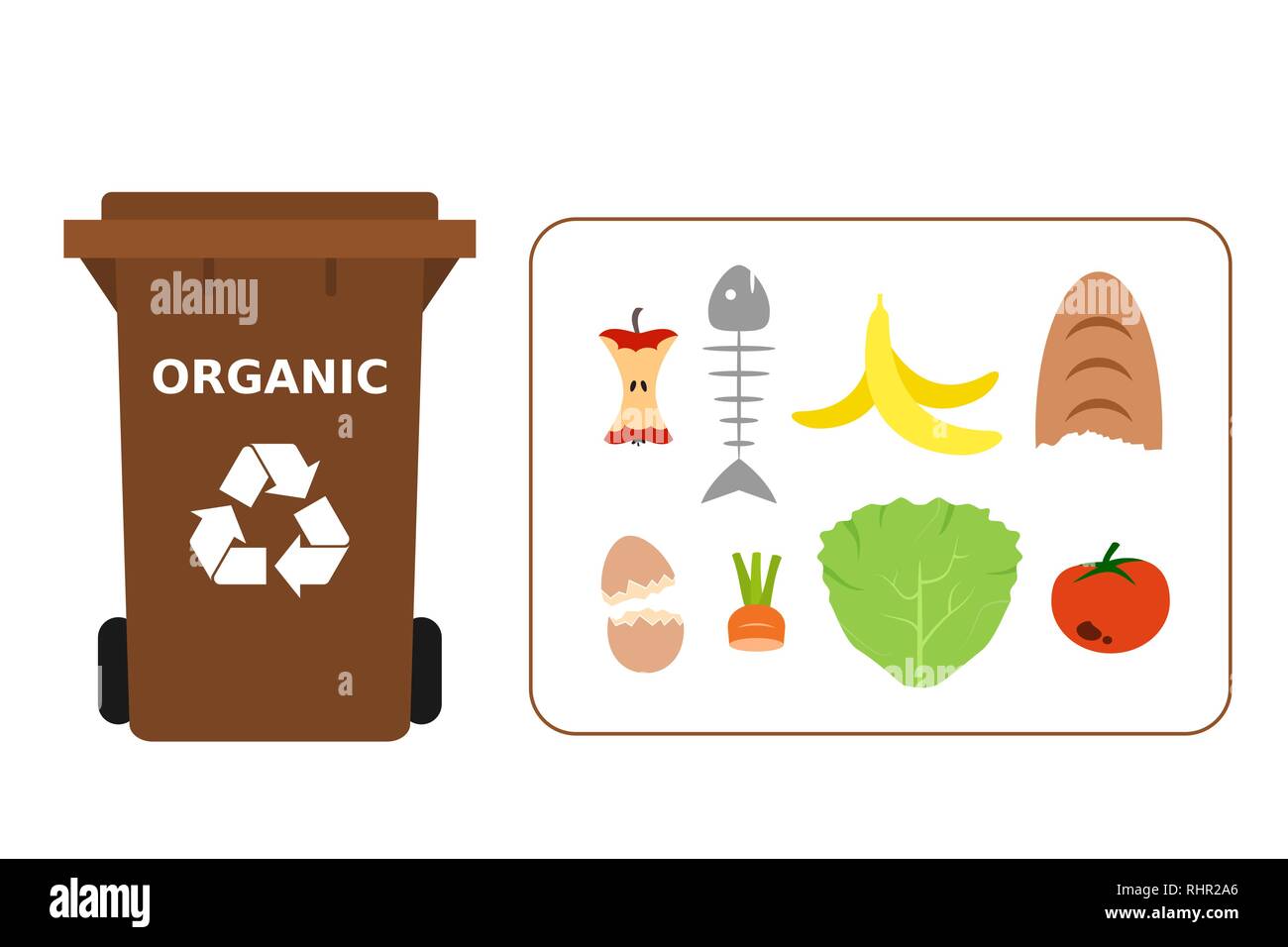
Organic waste is any biodegradable material that comes from a plant or an animal. It breaks down into carbon dioxide, methane or simple organic compounds, which is why we call it biodegradable waste. In landfills, however, organic waste produces methane, a strong greenhouse gas. Composting food waste and other organics therefore cuts methane emissions considerably. Moreover, compost also reduces, and in some cases eliminates, the need for chemical fertilizers.
Examples of organic waste include food waste, food-soiled paper, non-hazardous wood trash, rotten meat and garden debris. Under the Solid Waste Management Rules, 2016, households segregate it as wet waste and put it into the green dustbin.
2. Hazardous wastes
Hazardous waste is waste that poses a significant or possible risk to human health or the environment. If people do not manage it properly, it becomes a major hazard. It can be flammable, corrosive, poisonous or explosive.
For instance, paints, batteries, solvents, cleaning agents, pesticides, motor oils, unused medicines and radioactive wastes. Households put small quantities of domestic hazardous waste, such as used batteries, into the black dustbin, and some cities collect them in a separate red or orange bin. Separate rules govern industrial and radioactive waste, so it never goes into a household bin. In addition, healthcare facilities use yellow bins only for biomedical waste.
3. Solid waste
Solid waste means any garbage, sludge or refuse from industrial and commercial environments. Solid waste management covers source reduction, recycling, storage, collection, transportation, processing and disposal. In total, glass, ceramics, paper, metal and plastics are the main categories of solid waste.
Solid waste also includes building debris, business refuse, sludge from water supply or waste treatment plants, and sludge from air pollution control facilities. Households segregate their solid waste into the green, blue and black bins described above. However, separate rules govern building debris and industrial refuse, so they do not go into household dustbins.
Zero Waste Home and 10 tips to achieve it
Related article
4. Liquid waste
Liquid waste covers all discarded grease, oil, sludge, wash water, waste detergents and dirty water. Also, both industries and homes produce it, and it is dangerous and poisonous to our environment. In short, any waste in liquid form counts as wastewater.
Liquid wastes spread easily and pollute other liquid sources they touch. Soil and groundwater can also absorb them. This pollution then reaches the plants we eat, the animals in the ecosystem and the people who live in its path. Therefore, never throw liquid waste into a dustbin. Wastewater belongs in the drain or sewage system, and used cooking oil should go into a sealed container for authorised collection (see our RUCO initiative guide). Blue bins are for dry recyclable waste only.
5. Recyclable waste
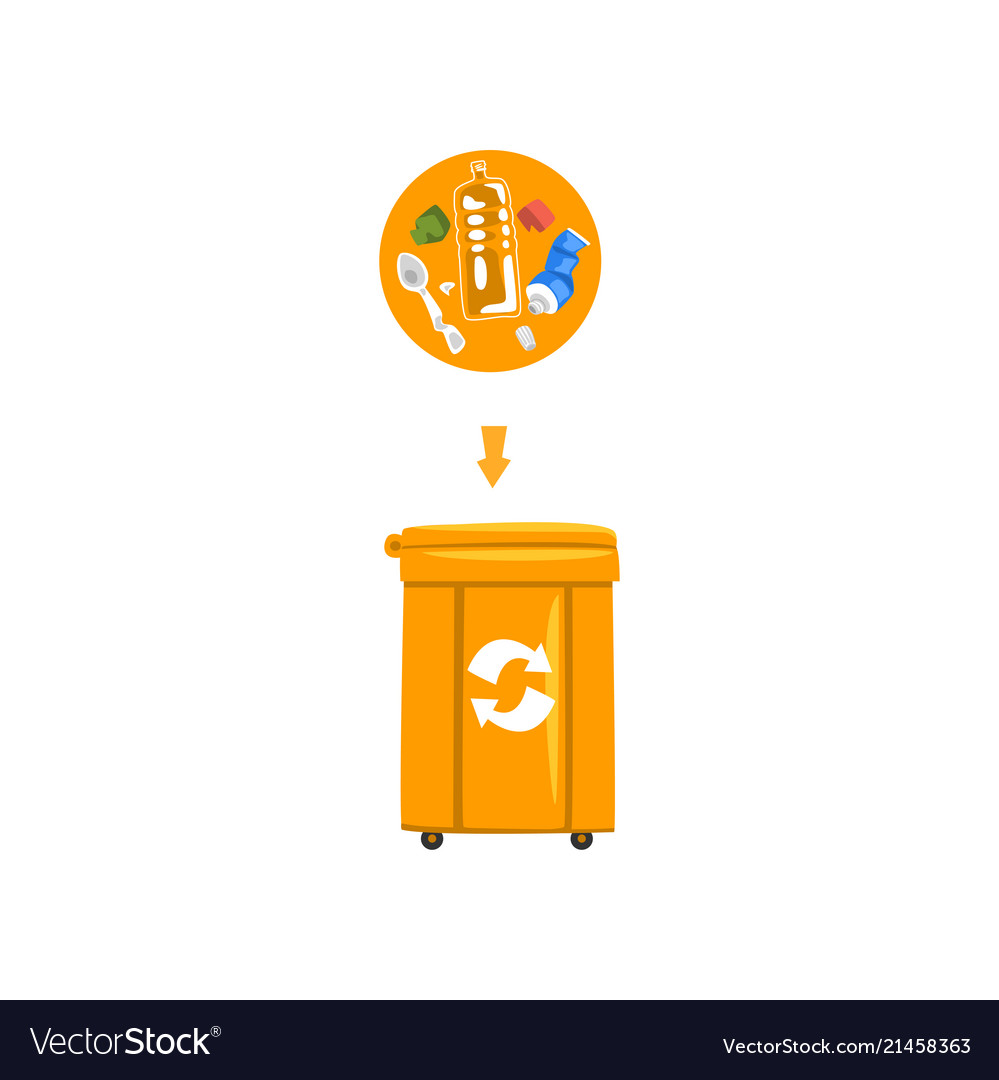
Recyclable waste is waste that manufacturers can turn into new items by changing its form until it no longer looks like waste. This category includes recyclable goods such as paper, metals, glass and plastics, while we recycle organic trash separately through composting.
Proper segregation matters before disposal because not every item is recyclable. Hence, never put non-recyclable waste into the blue dustbin meant for dry recyclable waste.

Frequently Asked Questions
What are the 5 dustbin colour codes in India?
Five colours come up most often in India. Three are household colours under the Solid Waste Management (SWM) Rules, 2016 and Swachh Bharat Mission guidelines: (1) Green for wet/biodegradable waste (food scraps, peels); (2) Blue for dry/recyclable waste (paper, plastic, glass, metal); (3) Black for domestic hazardous and sanitary waste (diapers, sanitary pads, used batteries). Some cities add (4) a red or orange bin for hazardous household waste. The fifth, (5) yellow, belongs to the separate CPCB biomedical waste scheme (yellow, red, white and blue) that hospitals and clinics follow.
What colour bin is used for plastic in India?
In India, plastic goes into the blue dustbin, which is for dry recyclable waste. This includes plastic bottles, containers, wrappers and packaging. As a result, recyclers collect the blue bin contents instead of sending them to landfills.
What is the colour code for biomedical waste?
Biomedical waste uses four colours under CPCB’s Bio-Medical Waste Management Rules, 2016: yellow for anatomical waste, soiled waste and expired medicines; red for contaminated recyclable plastics such as IV sets and syringes without needles; white (translucent) for sharps; and blue for glass and metal implants. In addition, hospitals, clinics and other healthcare facilities use these bins. This scheme is separate from the household colour code, so a yellow or red bin at home does not follow the household rules.
What is wet waste and dry waste in India?
Wet waste includes biodegradable items like food scraps, vegetable and fruit peels, cooked food, tea leaves and garden waste. Then put it in a green bin and use it for composting. Dry waste includes non-biodegradable recyclables like paper, cardboard, plastic, metal and glass. Likewise, put it in a blue bin so that it reaches recyclers.
Why is waste segregation important?
Waste segregation is important because it lets us recover recyclable materials (reducing landfill burden), compost organic waste (producing natural fertiliser) and dispose of hazardous materials safely (preventing pollution). In addition, segregating waste at source works far better than sorting it at a facility.
Quick Answers: Dustbin Colour Codes
Wet waste (also called biodegradable or organic waste, such as food scraps, vegetable and fruit peels and garden trimmings) goes into the green dustbin. The Solid Waste Management (SWM) Rules, 2016 require source segregation, and Swachh Bharat Mission guidelines set green as the wet waste colour.
Hospitals and healthcare facilities use a four-colour system under the CPCB Bio-Medical Waste Management Rules, 2016. Yellow is for anatomical waste, soiled waste and expired medicines. Red is for contaminated recyclable plastics such as tubing, IV sets and syringes without needles. White (translucent) is for sharps, and blue is for broken glass and metallic implants. This biomedical scheme is separate from the household SWM colour code.
Under the SWM Rules, 2016 and Swachh Bharat Mission guidelines, Indian households generally use green for wet waste, blue for dry recyclable waste and black for domestic hazardous or sanitary waste (diapers, sanitary pads, used batteries). Healthcare facilities follow CPCB’s separate biomedical waste colour codes.
Dry waste, such as paper, cardboard, plastic packaging, glass and metal, goes into the blue dustbin under India’s SWM Rules, 2016. Keep it clean and free of food residue, because contaminated dry waste is harder to recycle.
Biomedical waste carries a far higher infection and injury risk than household waste, so CPCB rules split it into categories with different treatment: incineration for anatomical and soiled waste (yellow), sterilisation and recycling for plastics (red), puncture-proof containers for sharps (white), and disinfection and recycling for glass and metal implants (blue).
What are the 5 dustbin colours in India?
Five colours come up most often. Under the SWM Rules, 2016 and Swachh Bharat Mission guidelines, households use green (wet waste such as food scraps), blue (dry recyclable waste such as paper and plastic) and black (domestic hazardous and sanitary waste such as diapers and sanitary pads). Some cities add a red or orange bin for hazardous household waste. Yellow belongs to the separate CPCB biomedical waste scheme used in hospitals and clinics.
What goes in the green dustbin in India?
The green dustbin is for wet waste: vegetable peels, fruit scraps, cooked food leftovers, tea bags, garden waste and other biodegradable organic materials that you can compost.
What is the yellow dustbin colour code in India?
Yellow bins are for biomedical waste in hospitals and clinics: anatomical waste, soiled waste such as blood-soaked dressings and cotton, and expired medicines. This follows CPCB’s Bio-Medical Waste Management Rules, 2016. The same scheme uses red bins for contaminated plastics, white (translucent) bins for sharps and blue bins for glass and metal implants.
I want power point
Red dustbin not mentioned
लाल रंग के डस्टबिन का उपयोग केमिकल चीजों में इस्तेमाल होता है
How can we keep different dustbins in the house, most of the people are different in this but the society is divided but one thing can be done if we change our home town.
If we all leave small home towns and adopt village life style as long as limited resources