
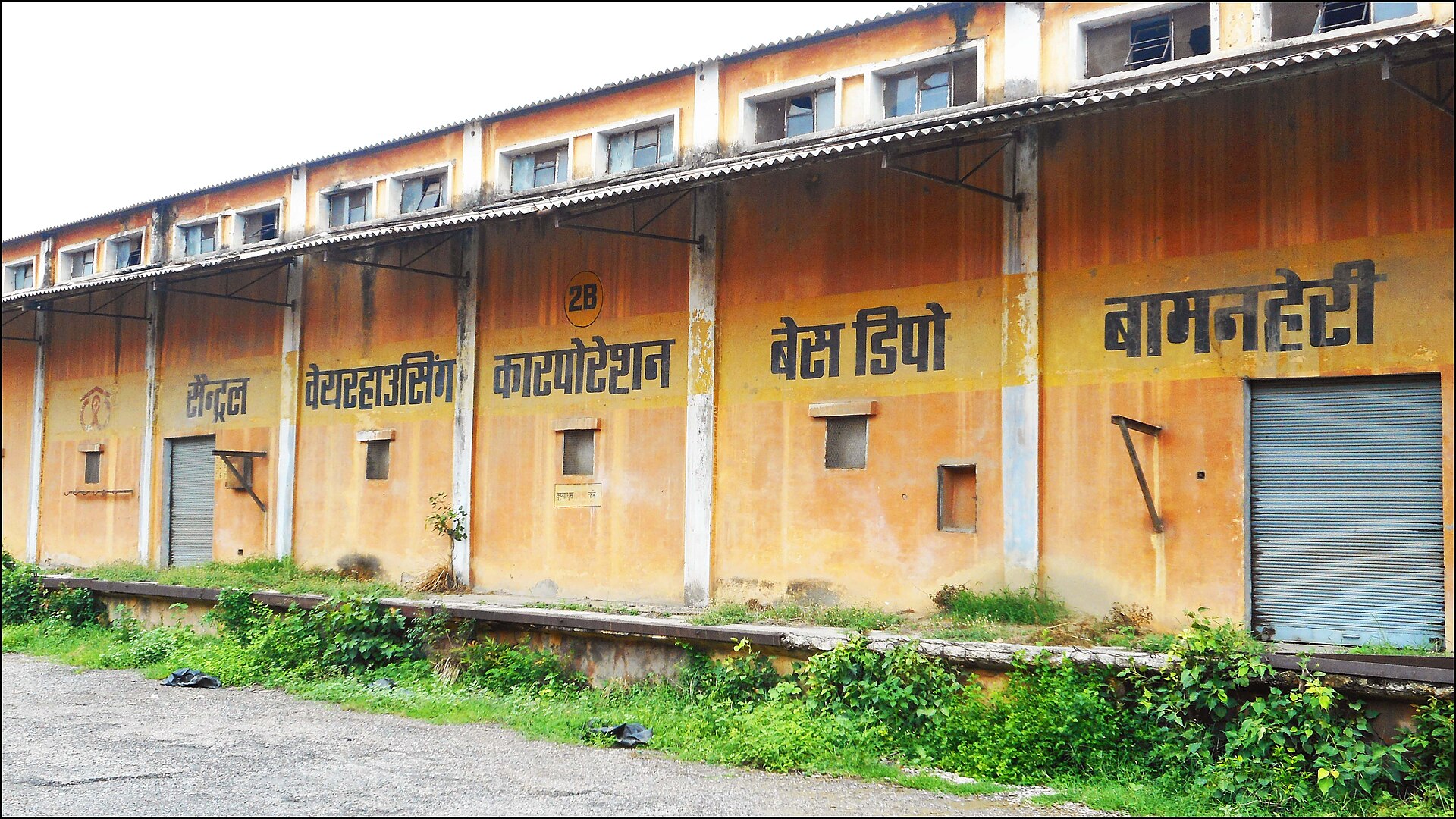
India’s grain reserves are among the largest in the world, and for decades they have been protected from insects with one chemical family. Alternative fumigation grain storage research is now getting a formal start: the Indian Council of Agricultural Research (ICAR) and the Food Corporation of India (FCI) signed an MoU on 30 September 2026, as PIB reported on 1 October.
Why alternative fumigation grain storage is needed
The release says India’s grain reserves have relied heavily on aluminium phosphide (the source of phosphine gas) and malathion for post-harvest pest control. Widespread and repeated use has led to pest resistance frequencies of 72 to 100 per cent in key states, and to escalating fumigation cycles that push up costs. The release also flags respiratory risks for workers, long-term ecological concerns and fumigant residues.
What the project will test
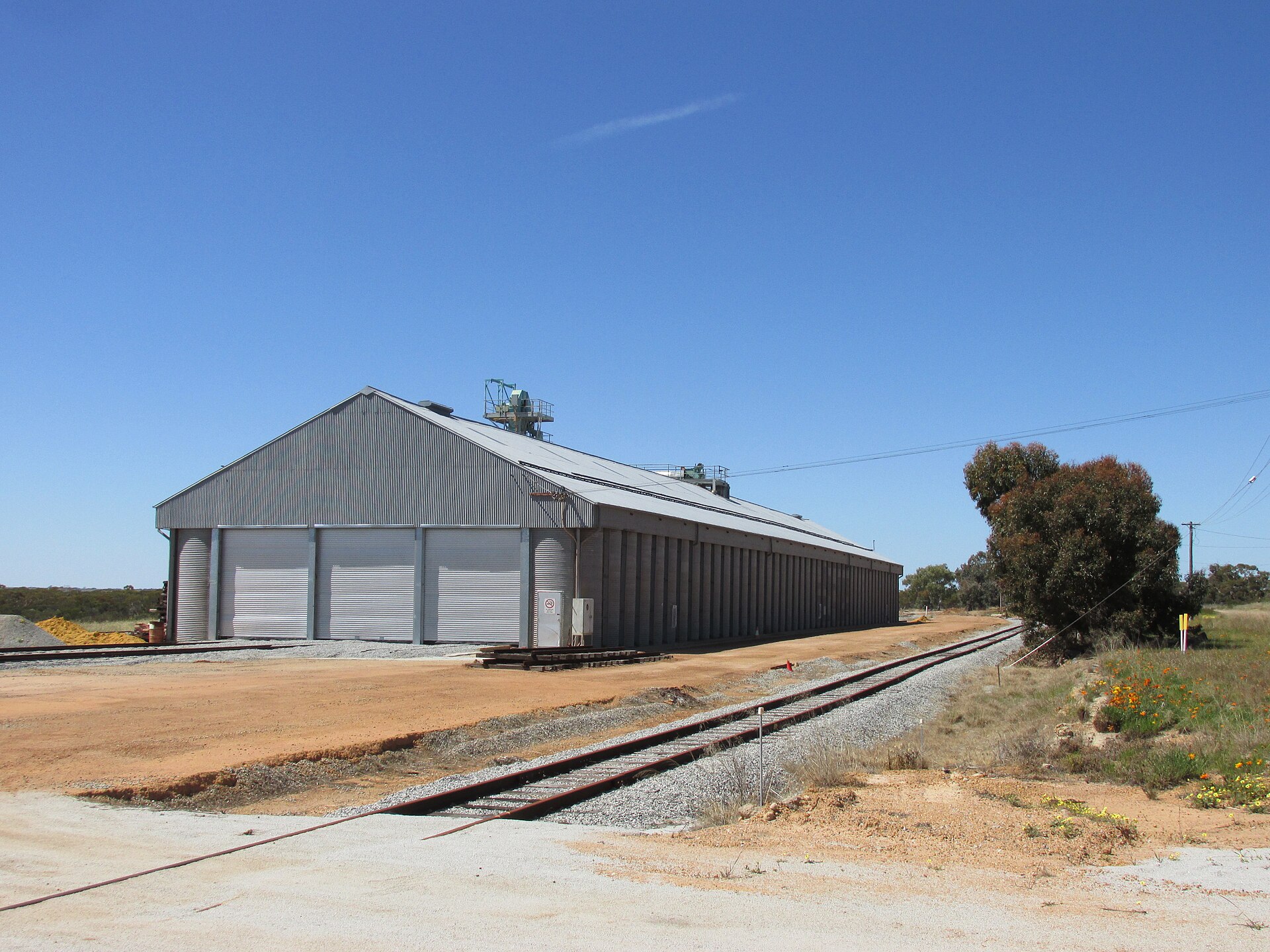
The two-year Phase-I project is supported by the Department of Food and Public Distribution and carried out by ICAR-CIPHET in Ludhiana. It will run three trials, listed below, to standardise the use of nitrogen gas, carbon dioxide and a combination of carbon dioxide and phosphine.
- Nitrogen gas (above 99 per cent) in metal silos storing wheat.
- Carbon dioxide combined with phosphine for wheat and rice stored in bags at FCI and Central Warehousing Corporation godowns.
- Carbon dioxide for wheat and rice in bags enclosed in hermetic covers.
A one-year Phase-II will then run multi-location trials across different agro-climatic zones to write region-specific standard operating procedures (SOPs).
Why this is a sustainability story
Post-harvest losses are a hidden part of agriculture’s footprint, because grain lost to pests carries the water, fertiliser and energy used to grow it. Cutting reliance on toxic fumigants protects warehouse workers, reduces residues in food and slows the resistance treadmill. It fits the wider push toward sustainable farming and the practices described in our guide to sustainable agriculture in India.
What to watch
This is a research MoU, so no change in godown practice is imminent. The trial results, the cost per tonne compared with phosphine, and whether FCI and state agencies adopt the SOPs will decide whether this becomes a real shift in how India stores its food. Explore more India sustainability news on Prakati.