
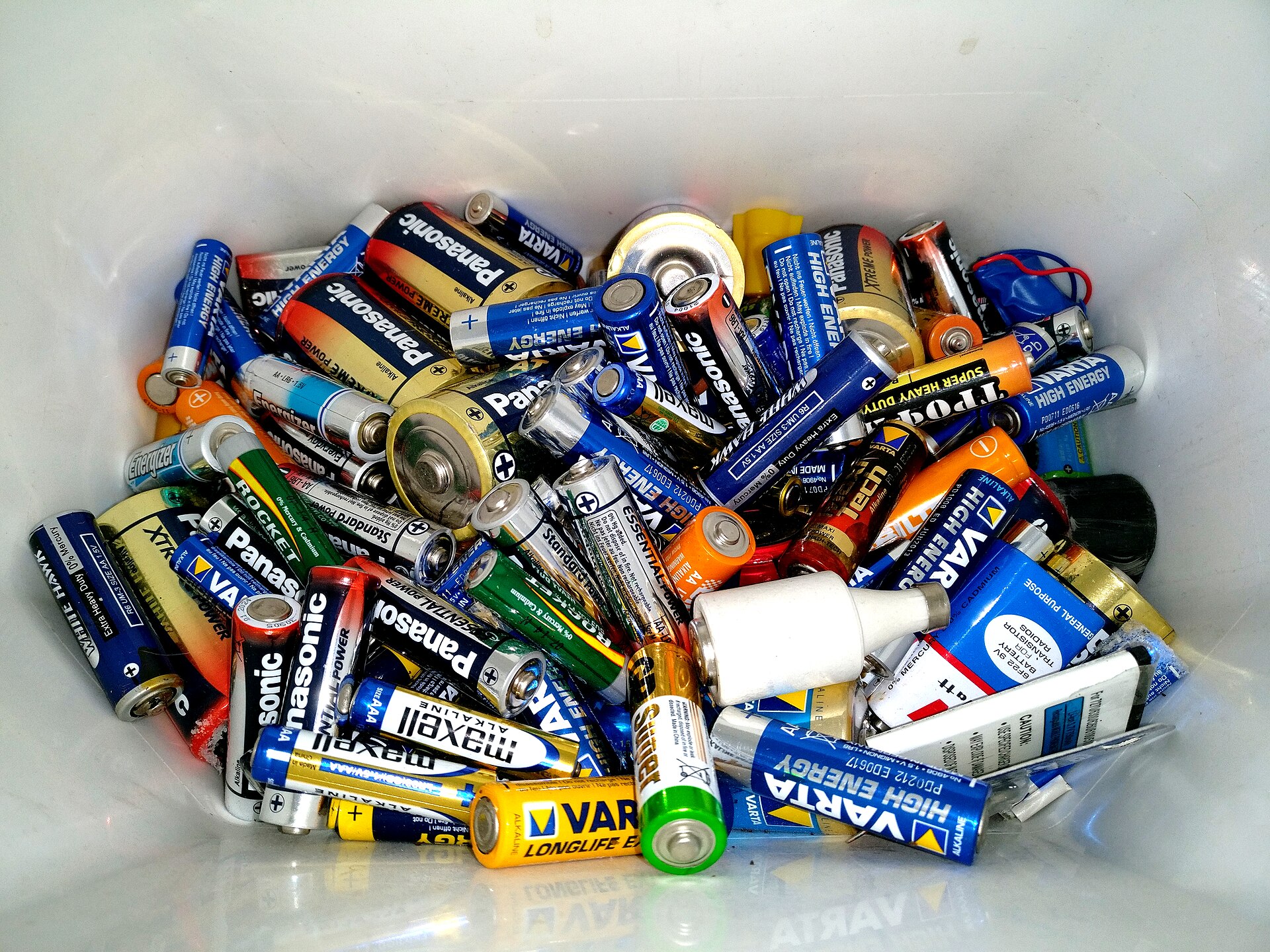
Inside every worn-out electric vehicle battery is a dark powder worth fighting over. That is why the battery black mass export ban matters. On 10 November the Directorate General of Foreign Trade (Notification 49/2026-27) changed the export policy for lithium-ion battery black mass from “Free” to “Prohibited”, with immediate effect.
What black mass is
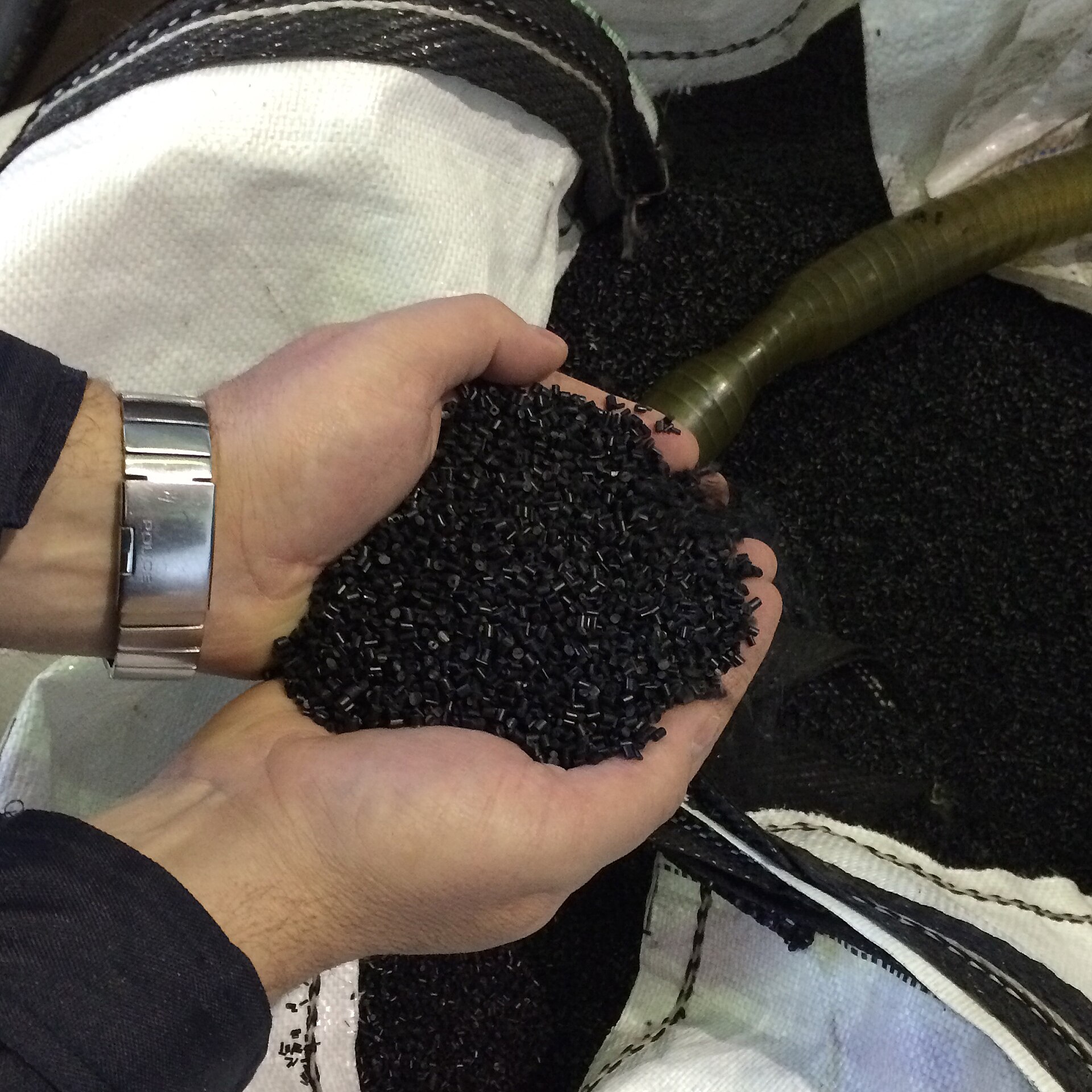
Black mass is the powder left after end-of-life lithium-ion batteries, and battery manufacturing scrap, are shredded. It holds recoverable lithium, cobalt, nickel and manganese, the minerals behind electric vehicles, grid storage and electronics. India imports much of its supply of these.
Why India chose a battery black mass export ban
India’s recycling and refining capacity has grown, but plants are running below capacity for lack of feedstock. At the same time black mass made in India has been shipped abroad, while some domestic recyclers imported material to keep running. The ban aims to keep that secondary resource at home, improve capacity use, and draw more investment into recycling.
It complements the National Critical Mineral Mission, including the Rs 1,500 crore incentive scheme approved in September 2025 to build recycling capacity for battery waste and e-waste. The release notes that several other major economies already restrict black mass exports.
The sustainability angle
Recovering metals from used batteries, sometimes called urban mining, reduces the need for new mines and their land, water and carbon costs. It also keeps a hazardous material under India’s environmental rules instead of in jurisdictions with weaker oversight. The test now is whether recyclers actually operate to high environmental standards and whether collection of end-of-life batteries scales up. A ban on exports only helps if enough batteries are collected in the first place.
Explore more on waste management and recycling, and in India sustainability news.