
India generates approximately 2 million metric tonnes of electronic waste every year, making it the third largest e-waste producer in the world after China and the United States. Yet only a small fraction of this waste reaches authorised recyclers — the rest is dismantled in informal settings, where hazardous substances like lead, mercury, and cadmium leach into soil and groundwater, causing lasting harm to communities and ecosystems.
E-waste — or electronic waste — refers to any discarded electrical or electronic equipment: smartphones, laptops, televisions, refrigerators, washing machines, printers, and even small appliances like electric kettles. Managing it responsibly is not just an environmental necessity — it is also a health imperative and, increasingly, a legal requirement.

Why E-Waste Management Matters
Electronics contain a contradictory mix of valuable materials and dangerous toxins. A single smartphone contains gold, silver, palladium, and copper — all recoverable and reusable. It also contains arsenic, brominated flame retardants, and phthalates — all hazardous when released into the environment.
When e-waste is dumped in landfills or burned in the open, these toxins enter the air, soil, and water. Communities near informal e-waste processing sites in cities like Delhi, Mumbai, and Bangalore have documented elevated levels of heavy metals in blood and groundwater. Children are particularly vulnerable: lead exposure from e-waste affects cognitive development; mercury damages the nervous system.
India’s E-Waste Regulations
India’s E-Waste Management Rules, 2016 (amended in 2018) introduced the Extended Producer Responsibility (EPR) framework — making manufacturers, importers, and retailers legally responsible for collecting and recycling the electronics they sell. The rules require producers to ensure their products reach authorised recyclers and set progressively increasing collection targets.
As a consumer, you are not legally required to use authorised channels — but doing so makes a real difference. Choosing a certified recycler ensures your old devices are handled safely, that hazardous materials are properly neutralised, and that recoverable metals are extracted and re-entered into the supply chain.
How E-Waste Recycling Works in India
India’s e-waste recycling industry has grown into a formal, regulated sector over the past decade, though it still operates alongside a much larger informal one. Understanding how certified recycling actually works helps explain why choosing an authorised channel matters so much.
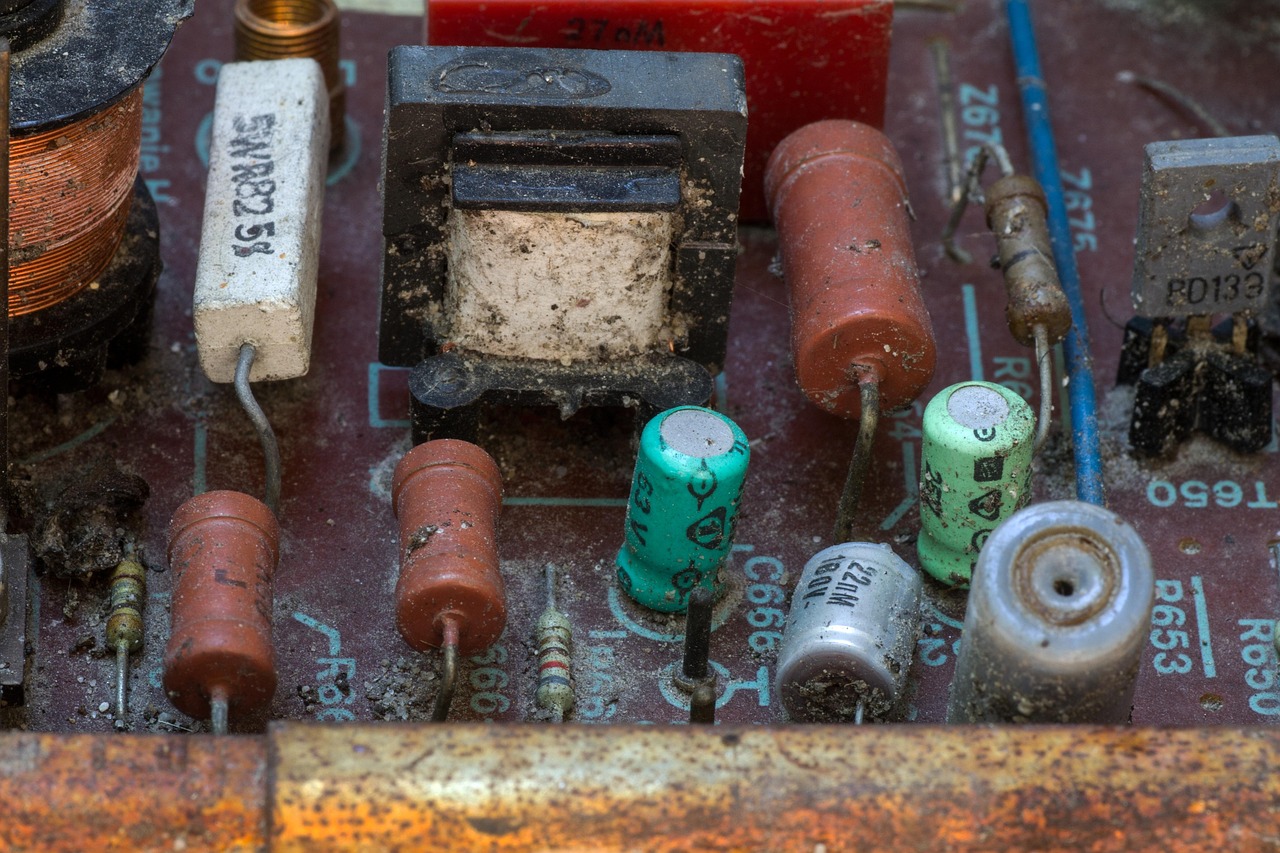
Certified e-waste recycling in India generally follows four stages: collection (through authorised recyclers, manufacturer take-back points, or buyback platforms), manual and mechanical dismantling to separate components, material segregation into categories like metals, plastics, and circuit boards, and finally specialised processing to recover precious metals and safely neutralise hazardous substances such as lead and mercury.
India currently has over 500 CPCB-authorised e-waste recyclers and dismantlers across the country, concentrated in electronics hubs like Delhi-NCR, Bengaluru, Mumbai, Chennai, and Hyderabad. Despite this formal capacity, industry estimates suggest that 70–80% of India’s e-waste is still processed informally — often by unregistered scrap dealers using unsafe methods like open burning and acid leaching to extract metals. This gap between generated e-waste and formally recycled e-waste is the single biggest challenge facing e-waste management in India today.
If you are searching for e-waste recycling near you, most state pollution control boards publish a list of authorised recyclers on their websites, and platforms like Karo Sambhav and Saahas Zero Waste operate collection drives in major cities. Always ask for a collection receipt or certificate of recycling — legitimate recyclers provide this as proof your device was processed responsibly and not illegally exported or dumped.
7 Ways to Manage Your E-Waste Responsibly
1. Use Authorised Recyclers
The most impactful step you can take is to hand your old electronics to a CPCB-authorised e-waste recycler. Companies like Attero Recycling, E-Parisaraa, Hulladek Recycling, and Karo Sambhav have certified processing facilities that safely extract valuable materials and neutralise hazardous ones. Many offer doorstep pickup services in major cities.
2. Use Manufacturer Take-Back Programmes
Most major electronics brands operating in India — including Dell, HP, Apple, Samsung, and Lenovo — have take-back or trade-in programmes for old devices, mandated by India’s EPR rules. These programmes either collect your device for responsible recycling or offer a trade-in credit toward a new purchase. Check your brand’s website for the nearest drop-off point.
3. Donate Functional Electronics
Before recycling, ask: is this device still usable? A laptop that feels slow for a professional’s needs may be perfectly adequate for a student. Organisations like Goonj, local schools, and NGOs working in underserved communities often accept functional electronics. Extending a device’s life by even one more owner is more sustainable than recycling it.
4. Sell Through Certified Buyback Platforms
Platforms like Cashify and Togofogo buy old phones, tablets, and laptops and either refurbish them for resale or responsibly recycle non-functional parts. This approach keeps devices in use longer and ensures responsible end-of-life processing — and you receive payment for your device. It is one of the most accessible circular economy options available to Indian consumers.
5. Upcycle Old Devices Creatively
Old smartphones can become security cameras, music players, or smart home hubs. Obsolete laptops can run lightweight Linux systems. Even non-functional devices can be creatively repurposed — old circuit boards become wall art; broken keyboards become pen holders. Upcycling is the most resource-efficient option in the sustainability hierarchy: it creates value without consuming new materials.
6. Properly Dispose of Batteries
Batteries — particularly lithium-ion batteries from phones, laptops, and electric vehicles — require special handling. They can ignite if pierced, punctured, or improperly disposed of in general waste. Most electronics retailers and many petrol stations now have battery collection boxes. Never throw batteries in regular bins — always find a designated drop-off point.
7. Buy Smarter to Generate Less Waste
The most powerful thing you can do about e-waste is generate less of it. Choose reputable, repairable brands; buy only what you need; and keep devices longer by caring for them properly. Look for electronics with Energy Star ratings, modular designs (like Fairphone), and strong manufacturer warranties. Every year you extend a device’s life is a year’s worth of manufacturing emissions and raw material extraction avoided.
Data Security: Wipe Before You Recycle
Before handing any device to a recycler or buyback platform, perform a factory reset and wipe all personal data. For extra security, use a dedicated data erasure tool (like DBAN for laptops). Remove and securely store any SIM cards or memory cards. A responsible recycler should also confirm their data destruction process — look for ISO 27001 or R2 certification as indicators of proper data handling practice.
Frequently Asked Questions
Where can I recycle e-waste in India?
You can hand over electronics to CPCB-authorised recyclers such as Attero Recycling, E-Parisaraa, or Hulladek Recycling, use manufacturer take-back programmes offered by brands like Dell, HP, Samsung, and Apple, or sell devices through certified buyback platforms like Cashify. Many operate doorstep pickup in major Indian cities.
Is e-waste recycling free in India?
Under India’s Extended Producer Responsibility (EPR) rules, manufacturer take-back and many municipal collection drives are free of cost. Buyback platforms actually pay you for functional devices, while informal scrap dealers may also pay a small amount — though using them means your e-waste likely won’t be processed safely.
What percentage of e-waste is recycled in India?
Only an estimated 20–30% of India’s e-waste is processed through formal, authorised recycling channels. The remaining 70–80% is handled informally, often unsafely, which is why choosing certified recyclers as a consumer has an outsized impact.
The Circular Economy Vision
Properly managed e-waste is not just a problem to be solved — it is a resource. The metals recoverable from one million mobile phones include 24 kg of gold, 250 kg of silver, and 9,000 kg of copper. India’s growing e-waste recycling industry is building the infrastructure to capture this value, create skilled jobs, and reduce dependence on mining new raw materials.
As part of a sustainable lifestyle, being intentional about your electronics — how you buy them, how long you keep them, and how you dispose of them — is one of the most impactful choices you can make. Explore our guide to sustainability basics to understand more about how consumer choices shape planetary outcomes.