
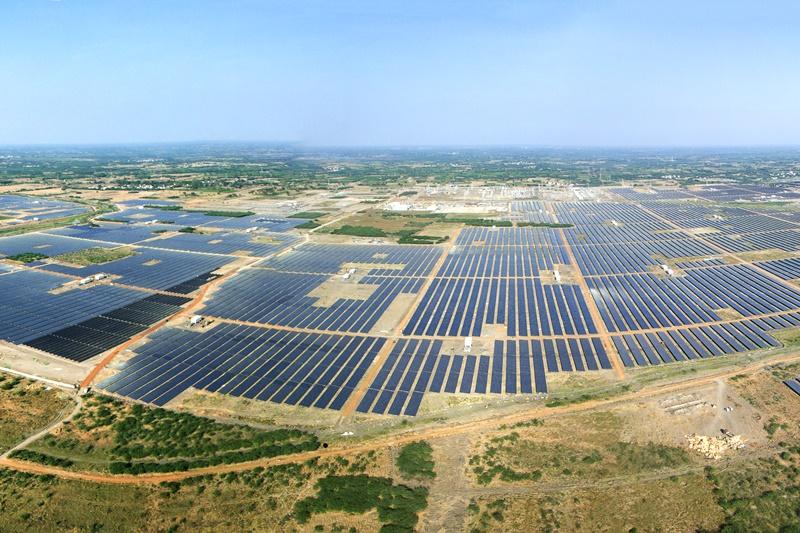
India has just promised to do again what it spent a decade doing. Inaugurating the Bharat Renewable Energy Summit & Expo 2026 at Bharat Mandapam, New Delhi, on 2 November, Prime Minister Narendra Modi announced a goal of another 500 GW non-fossil capacity, to be added over the next 10 to 11 years. “This target is somewhat difficult,” he said, “but I have faith in the capability of my country.”
Where the 500 GW non-fossil capacity goal starts
The country has nearly 300 GW of non-fossil capacity toward its COP26 pledge of 500 GW by 2030, and crossed the 50 per cent non-fossil share of installed power capacity in 2025, five years ahead of its Paris commitment. The summit coincided with the Ninth Assembly of the International Solar Alliance and the Fourth Conference on Green Hydrogen. The Prime Minister framed clean energy as an energy-security story as much as a climate one, citing the current global energy shocks.
The numbers behind the goal
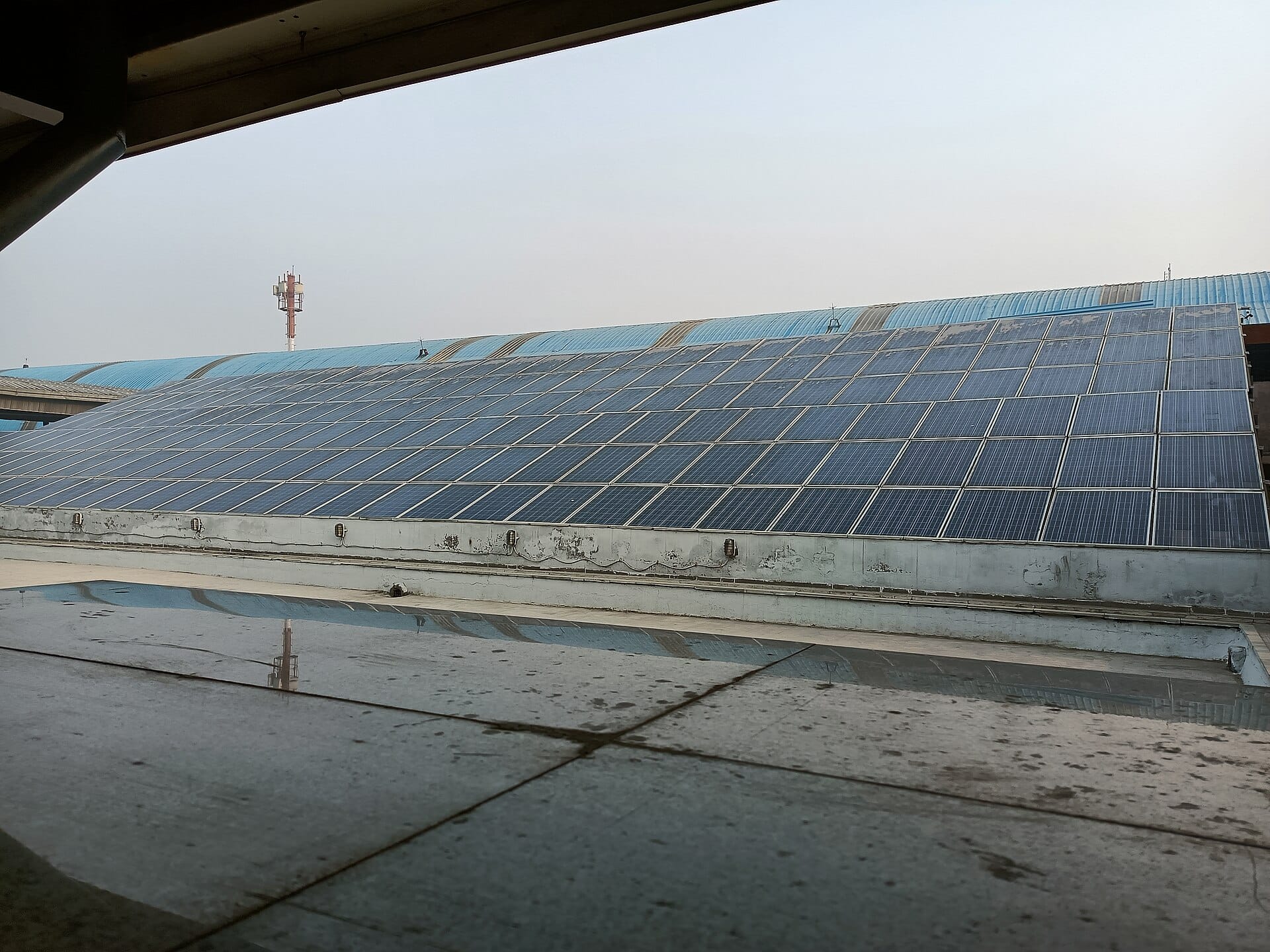
Start with rooftops. PM Surya Ghar Muft Bijli Yojana, launched in February 2024 and aiming at one crore homes, has reached over 65 lakh households, about one lakh new homes every six days. A study cited puts bill reductions near 76 per cent. Our rooftop solar guide explains how a home system works.
The Prime Minister cited several other figures:
- Government buildings: over 44,000 buildings on solar, saving about Rs 700 crore a year.
- Farms: PM-KUSUM has brought solar irrigation to over 30 lakh farmers, each pump saving nearly Rs 1 lakh a year.
- Manufacturing: solar module capacity has grown from around 2 GW a decade ago to over 200 GW, with nearly 40 GW of cell capacity.
- Green hydrogen: a mission goal of 50 lakh tonnes a year by 2030, and a green hydrogen train already running.
- Grid: a planned investment of about Rs 2 lakh crore in transmission, building on the Green Energy Corridors and One Nation, One Grid.
What it means
Adding 500 GW again will test more than solar installation. Storage, transmission and the pace of clearances will decide whether the clean power can reach the people who need it. The household-level scheme is the part readers can touch: a rooftop that earns instead of costs. If the goal holds, the biggest shift will be at home and on farms, not only in giant solar parks. Explore more on our sustainable energy pages and in India sustainability news.