
India has plenty of climate science. The harder job is turning it into information a district health officer, grid planner or farmer can act on. On 17 October the Indian Institute of Tropical Meteorology (IITM), Pune, under the Ministry of Earth Sciences, held the first stakeholder consultation of the Climate Science into Services for India Forum (CSSIF) to start closing that gap.
Who showed up
More than 150 participants from over 80 institutions attended: ministries, IMD, NDRF, NIDM, RBI, ocean and coastal research centres, ICAR institutes, state disaster and climate-change bodies, NGOs, academia and the private sector.
What was discussed
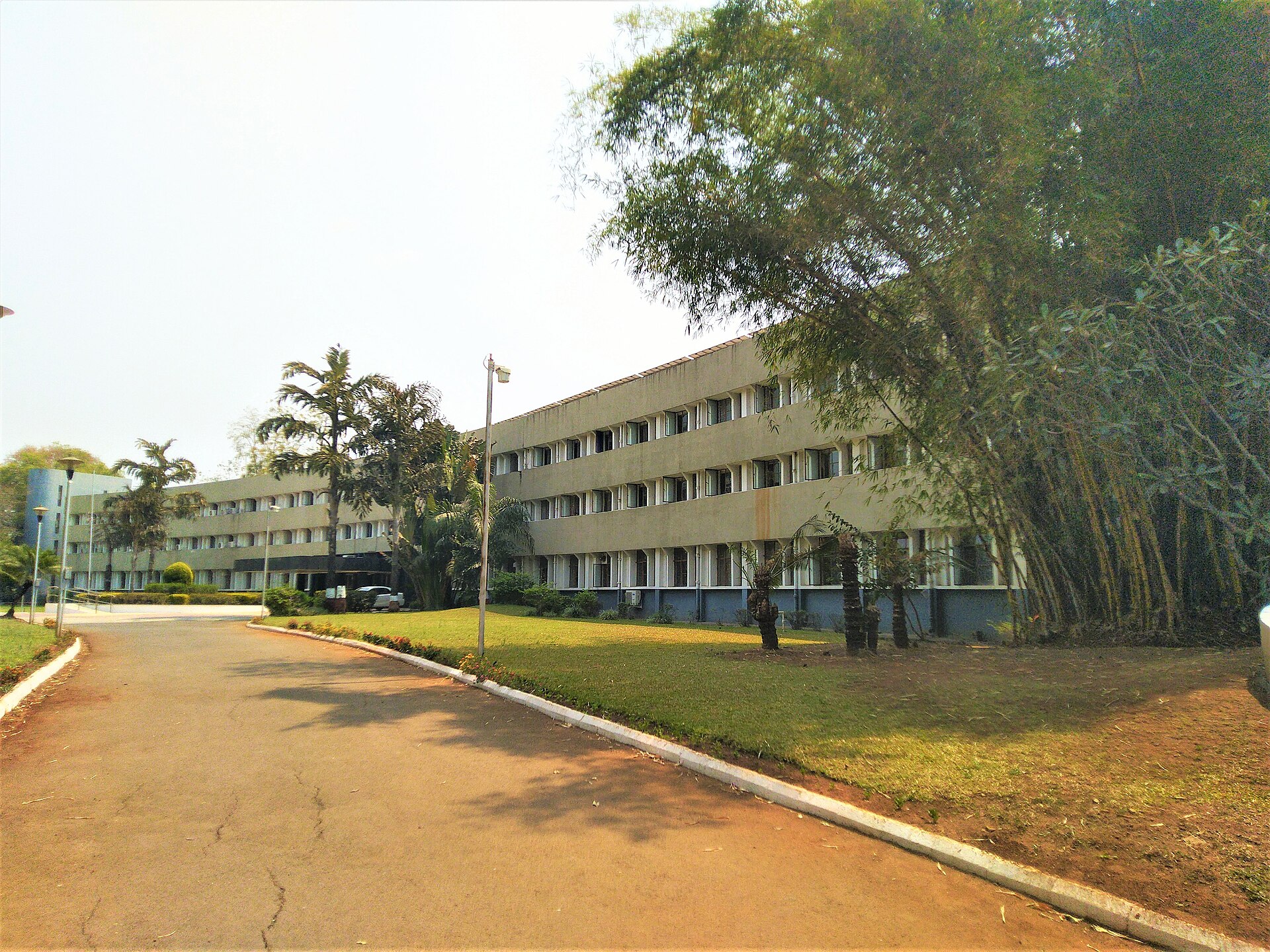
Former WMO climate-services chief Dr Rupa Kumar Kolli spoke on the need for a national Climate Services Information System. A MoEFCC scientist spoke on policy-relevant climate information, and IITM scientists presented weather and climate products, models and datasets. Breakout groups covered:
- water resources and hydrology
- agriculture and food security
- disaster management, with focus on extreme rain, heat and wildfires
- health, with a focus on climate extremes
- energy and finance, including the renewable transition, insurance and economic risk
- climate projections, including marine heatwaves, coastal vulnerability and frameworks for turning observations into services
Why it matters
Stakeholders listed what climate information they need, the operational hurdles they face and what they expect. The recommendations will inform the forum’s work, which IITM calls the beginning of sustained engagement. The release does not announce a launch date or budget for the information system, so treat this as an early step. For adaptation, though, usable local climate information, such as heat-risk forecasts for hospitals or projections for coastal planners, is often what separates a plan from a response. See how India framed adaptation ahead of COP31, explore water sustainability coverage, or read more India green news.