
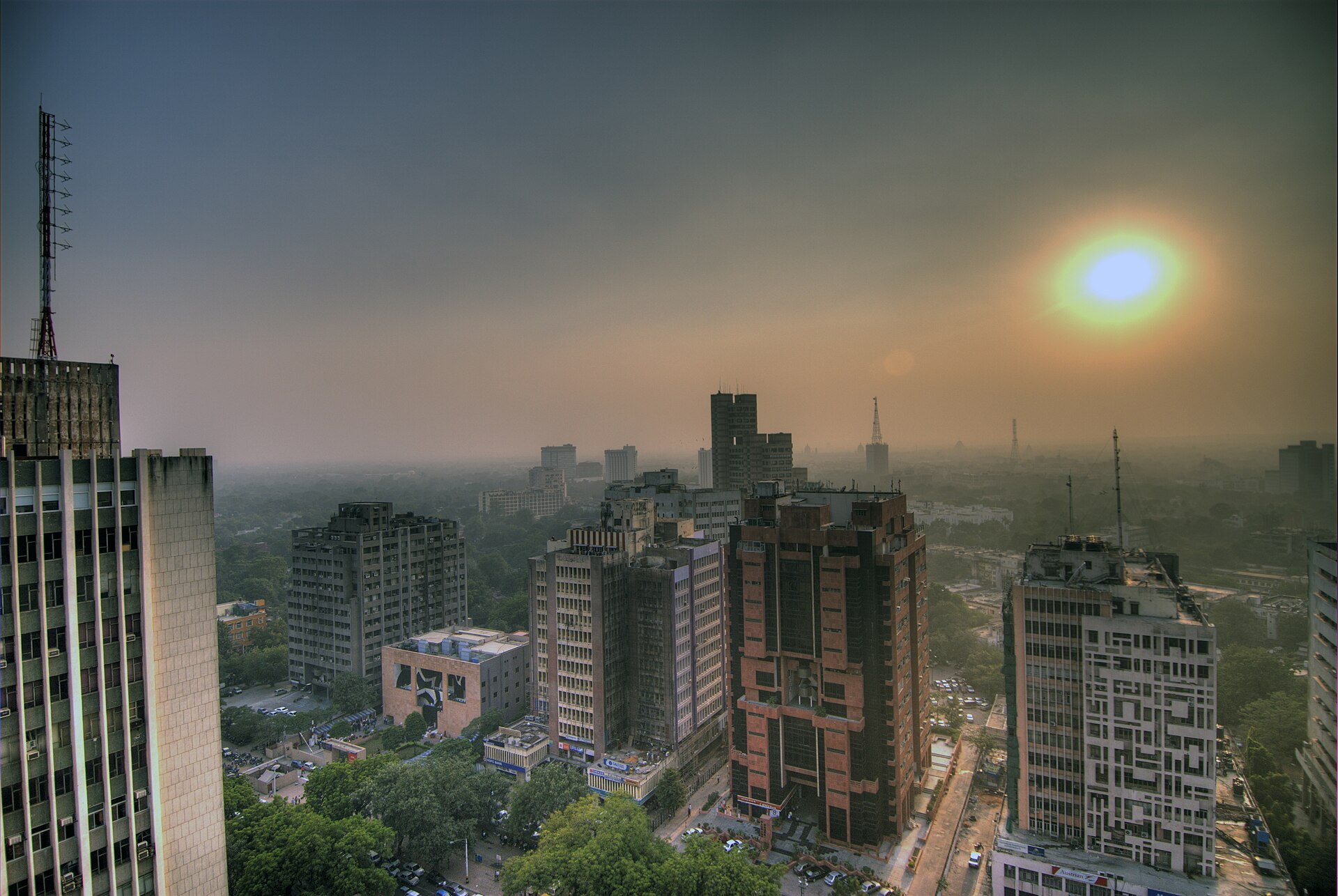
With winter smog season approaching, the Union Environment Minister Bhupender Yadav sat down on 17 October with start-ups building air-pollution technology and handed them a to-do list: 9 problem areas for Delhi-NCR, from catching cheating industries to turning crop stubble into something useful. The session was part of the “Saaf Hawa mein Hissedaari” campaign and included Delhi’s environment minister and officials from CAQM, CPCB and several ministries.
Policy meets innovators
The idea was to bridge the gap between policymakers and technology developers, and to complement existing measures such as the Graded Response Action Plan, cleaner fuels, electric mobility and monitoring. The minister stressed technology-backed enforcement: tamper-proof Online Continuous Emission Monitoring Systems (OCEMS), pollution control devices and Pollution Under Control (PUC) testing, with OCEMS data linked to plant-operation data so malpractice shows up, with AI helping to flag it.
What the start-ups brought
- Detection and forecasting: hyperlocal air-quality monitoring, city-wide pollution maps, hotspot forecasting and AI-based source apportionment.
- Enforcement: automated spotting of vehicles without valid PUC certificates and over-aged vehicles, and 24×7 detection of stubble and biomass burning using satellite and drone data.
- Dust: low-cost mechanised road sweeping, road-dust resuspension monitoring, portable pothole repair and modular dust containment for construction and demolition sites.
- Waste and residue: systems to match recycled construction waste with demand, and collection-to-use chains for paddy straw as bioenergy, biomass fuel, compost and packaging, plus biochar.
Why it matters
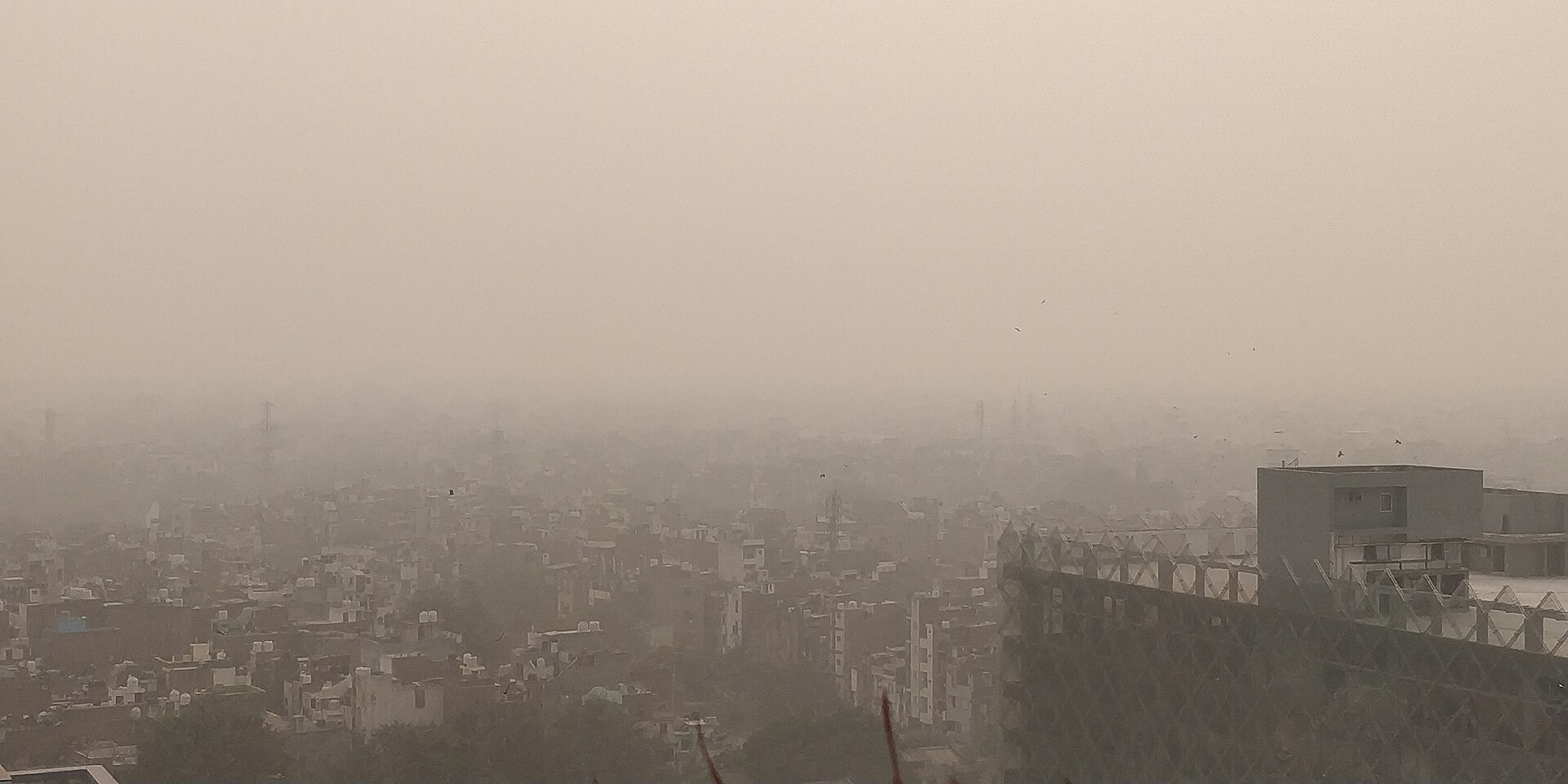
Delhi-NCR’s smog has many sources, and no single fix. The minister himself said the aim is to move beyond isolated gadgets towards integrated, affordable solutions deployed at scale, and he called for guidelines on paddy-straw storage involving the agriculture ministry, CAQM and CPCB. The release names no funding, contracts or deadlines, so this is a signal of direction rather than a programme. The test will be whether any of these tools reach the field before the worst weeks of the season. For context, read our explainers on the Delhi-NCR winter 2026 action plan and on stubble burning trends this year, or browse more India environment news.