
PRAMAAN forest certification has moved from paper to practice. On 29 September 2026, Environment Minister Bhupender Yadav handed over India’s first PRAMAAN certificates in New Delhi. Buyers in Europe and other markets increasingly ask where their wood comes from and whether it drove deforestation. These certificates give Indian growers a home-grown way to answer.
Who received the first PRAMAAN forest certification
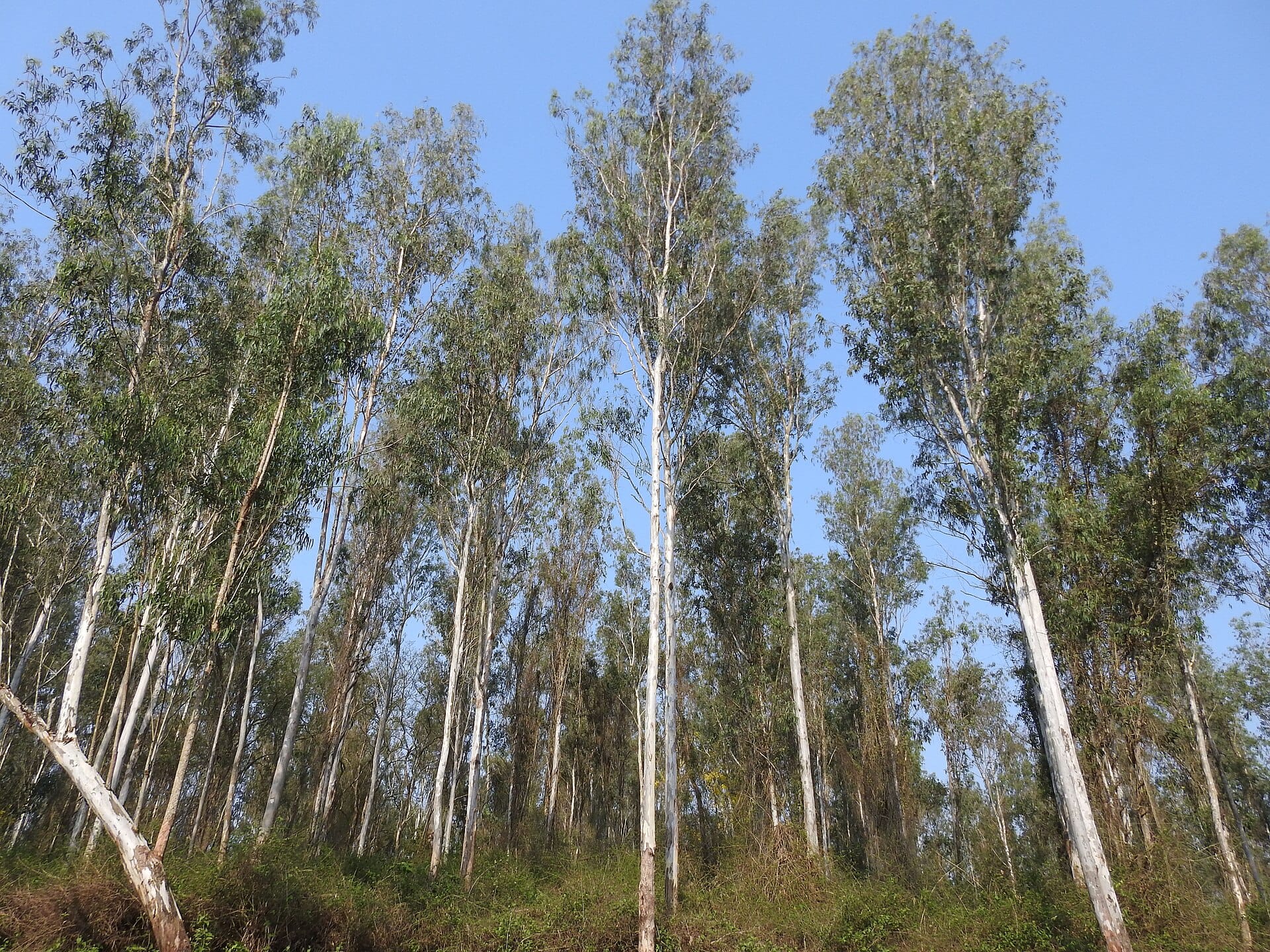
The Andhra Pradesh Forest Development Corporation (APFDC) received a certificate for plantations covering 33,000 hectares. Auditors first put those plantations through a field and management audit. The Indian Institute of Forest Management (IIFM), Bhopal, which operates the scheme, organised the event.
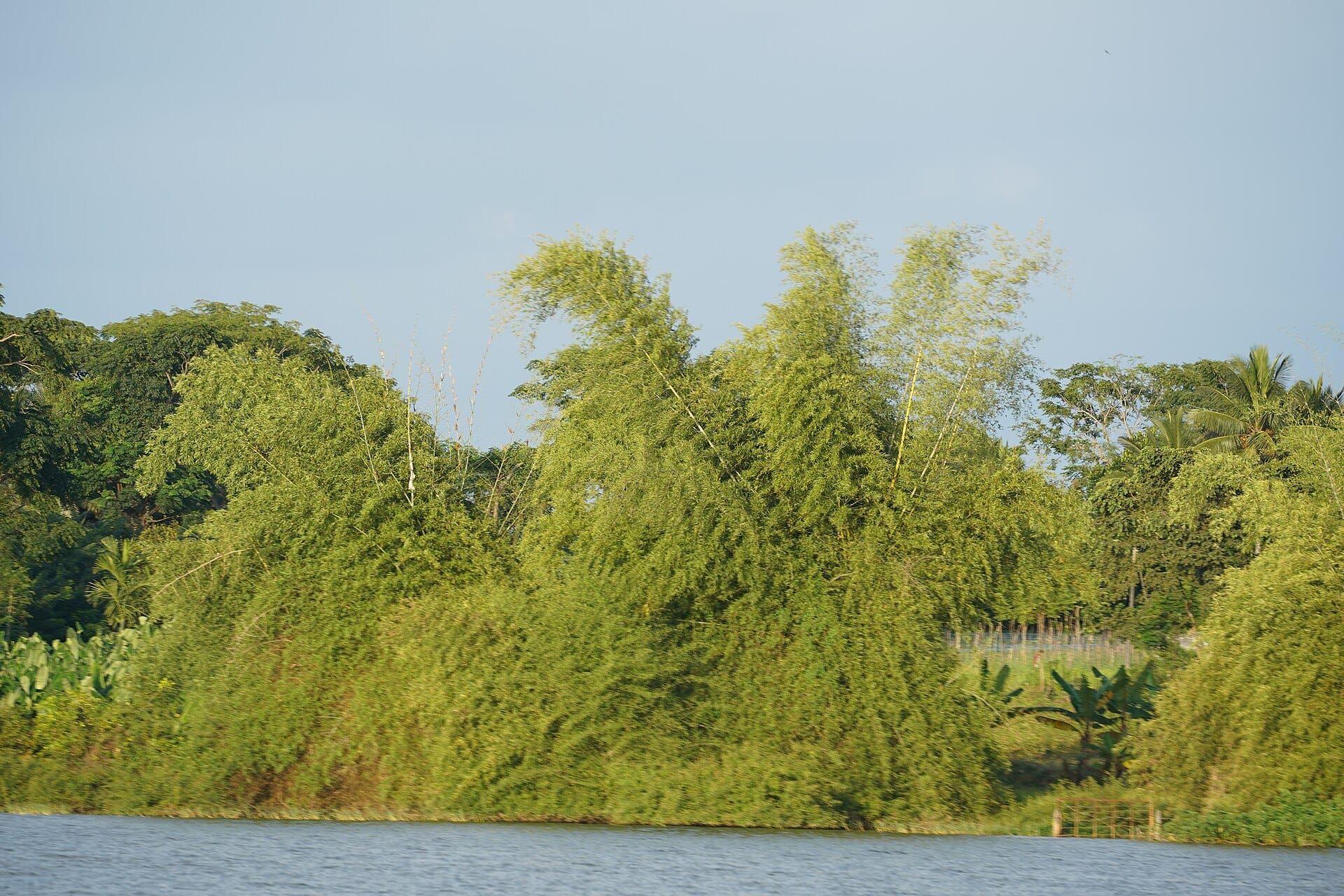
The second certificate went to Govind Mohapatra, a bamboo farmer linked with the Odisha Bamboo Development Agency. His certificate matters because it covers tree-based farming rather than a large corporate plantation. For example, thousands of smallholders grow bamboo and other trees on their own land. Their case shows that formal certification is not only for big estates.
How PRAMAAN forest certification works
PRAMAAN stands for Programme for Recognition and Accreditation of sustainable Management practices for Agroforestry And Natural forestry resources. It sits under the Indian Forest and Wood Certification Scheme (IFWCS), which the environment ministry launched in December 2023. The scheme offers three routes: forest management, tree-outside-forest management and chain of custody, which tracks certified wood through the supply chain.
Auditors assess forest management against the Indian Forest Management Standard, part of the National Working Plan Code 2023. Independent certification bodies that the National Accreditation Board for Certification Bodies (NABCB) accredits under the Quality Council of India conduct the audits. In other words, a grower cannot simply declare a forest sustainable. An outside auditor has to confirm it.
Why PRAMAAN forest certification matters for trade
Mr Yadav linked PRAMAAN to due-diligence and deforestation-free sourcing rules that major markets are adopting, such as the European Union’s deforestation regulation. As global trade ties market access to verifiable sustainability, a recognised Indian standard could help exporters prove their wood is legal and responsibly grown. The ministry says it benchmarked the scheme’s accreditation against international frameworks. As a result, buyers and regulators should be able to recognise it.
The livelihood angle is just as important. Mr Yadav said certification can bring women’s self-help groups, marginal landholders and forest-dependent communities into premium markets without adding to their compliance burden. That includes people who collect and process non-timber forest produce, and farmers who practise agroforestry.
What comes after the first PRAMAAN certificates
Two certificates are a start, not a system. Meanwhile, several state forest departments, forest development corporations, farmers and industries have applied, and their applications sit at various stages. The real test is whether foreign buyers accept PRAMAAN certificates as proof of deforestation-free sourcing. Another test is whether smallholders can afford the audits. However, both questions are still open.
Even so, a credible national standard is a prerequisite for Indian timber and bamboo to compete in a market that increasingly rewards traceability. It also fits the wider shift toward a green economy that values standing forests and responsible harvesting. Follow more India sustainability news on Prakati, or explore our environment sustainability coverage.
Source: Press Information Bureau, Government of India (Ministry of Environment, Forest and Climate Change, 29 September 2026). Additional context from media reports and the IFWCS guidelines.