
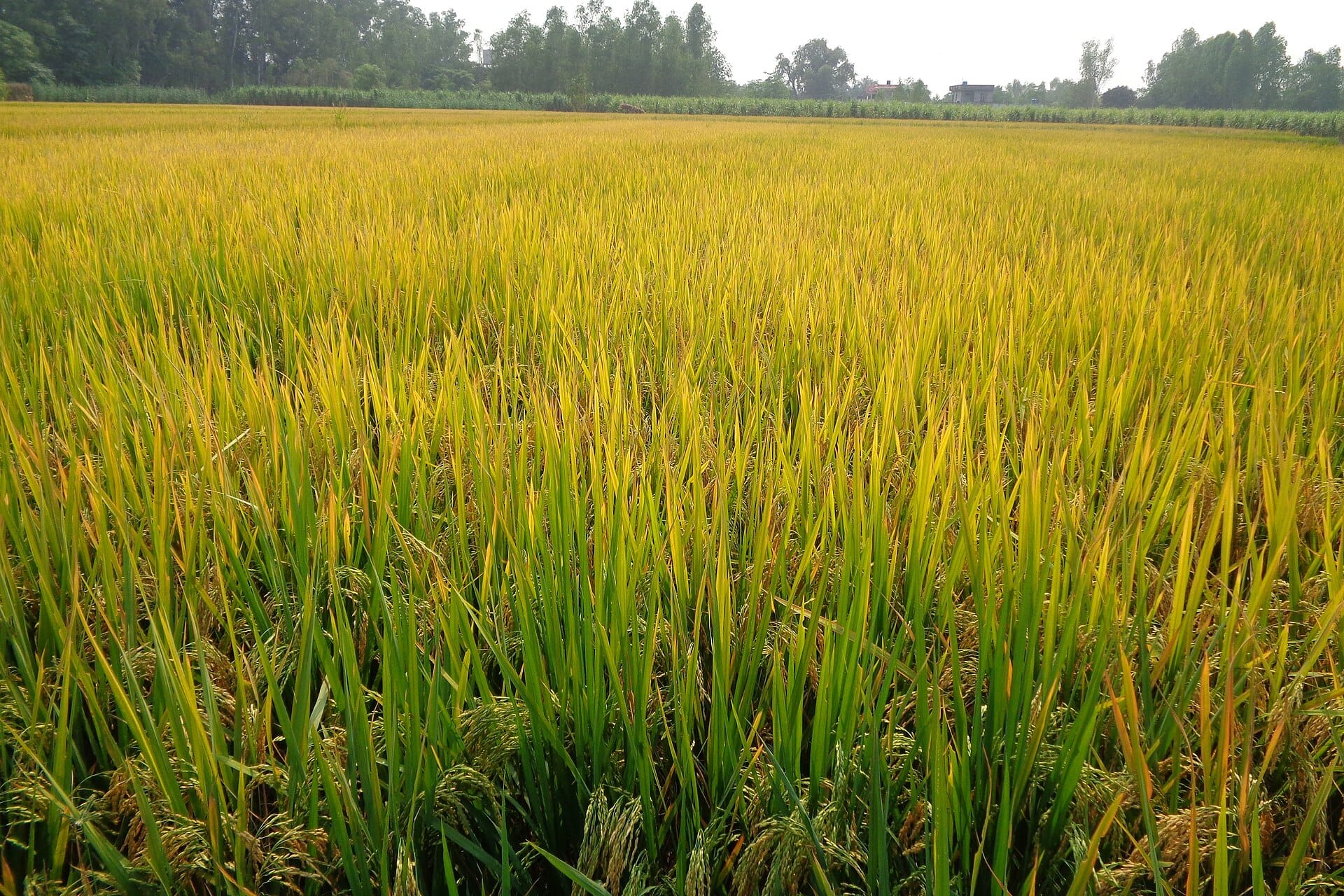
Carbon markets have long felt distant from an Indian farm. That changed in mid-September 2026, when the first soil carbon payments in India reached 2,550 farmers in Punjab and Haryana. At Punjab Agricultural University in Ludhiana, M. L. Jat, Director General of the Indian Council of Agricultural Research (ICAR), started the direct benefit transfers. Media reports put the total at more than ₹2.9 crore.
How the Aadi programme works
The money comes from Aadi, a farmer carbon programme run by the agri-tech company Grow Indigo, with technical guidance from ICAR since 2019. Between 2019 and 2022, participating farmers adopted direct-seeded rice, reduced tillage and better crop residue management. The programme then measured and independently verified their emission cuts and soil carbon gains before issuing credits under Verra’s VM0042 methodology for improved agricultural land management.
Aadi is not a small pilot. It covers more than two million acres and over 100,000 farmers across seven states. This first issuance is the point where verified soil carbon payments turned into cash for smallholders.
What farmers received from the soil carbon payments
The first issuance covered around 30,000 acres and more than 50,000 carbon credits. Farmers received roughly ₹3,000 to ₹15,000 each. They could choose an assured upfront payment or 75 per cent of net carbon revenue once Grow Indigo sold the credits. Grow Indigo paid from its own funds before the credits were fully sold, so farmers did not have to wait for buyers.
Two of them, Harinderjeet Gill of Nurpur Bet in Ludhiana and Amandeep Kaur of Sangrur, spoke at the event. They described the economic and environmental benefits of continuing these practices and avoiding residue burning.
Why soil carbon payments matter for water and air
Punjab and Haryana face two linked strains: falling groundwater and winter smog. Direct-seeded rice sows seed straight into the field. Farmers skip transplanting seedlings into flooded plots, which can reduce irrigation needs. Managing residue in the field, rather than burning it, keeps smoke out of the air. Paying farmers makes both choices financially attractive, and it connects to wider water conservation goals.
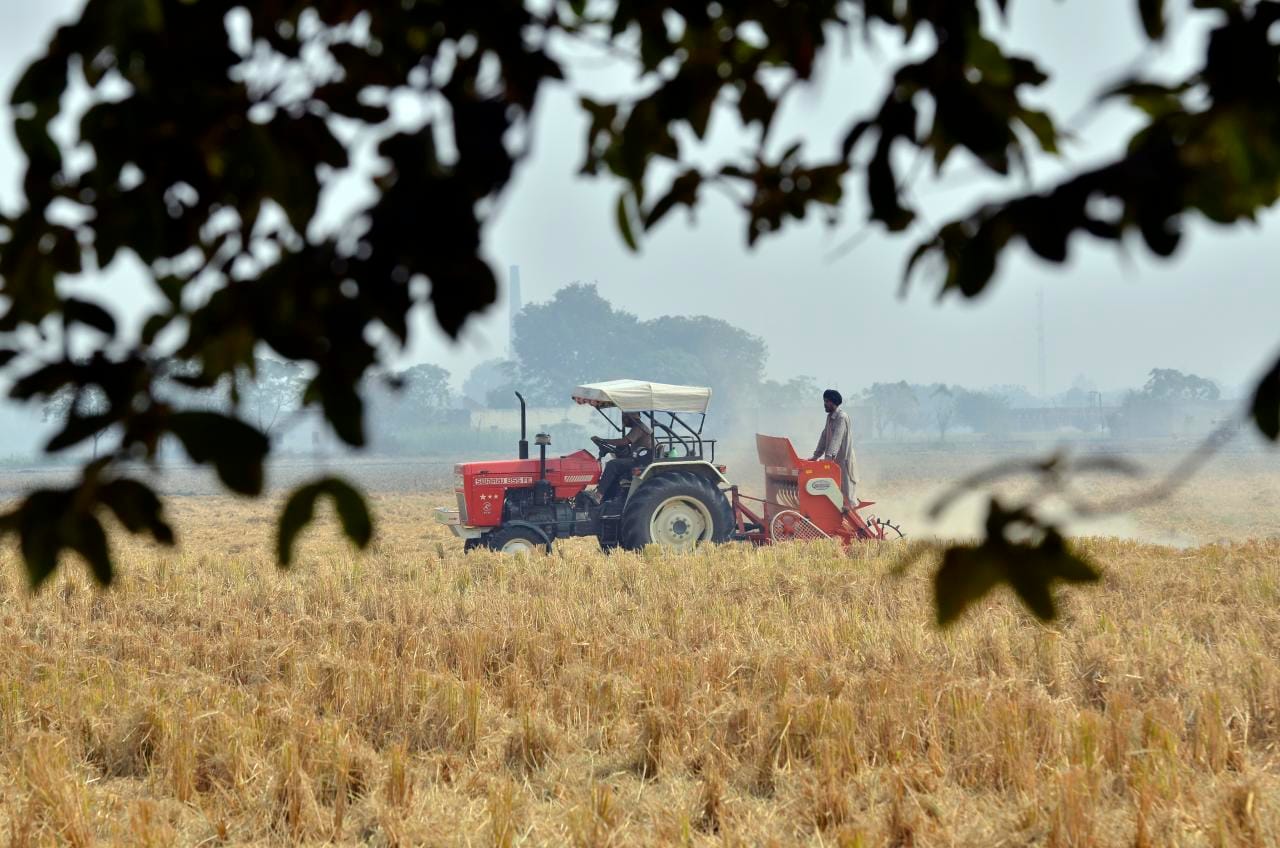
For the enrolled fields in 2019-22, the programme estimates it saved 45 billion litres of water. It also kept more than two lakh tonnes of crop residue out of fires, avoiding roughly 1,000 tonnes of PM2.5. These are the programme’s own estimates, not an independent audit, but the direction is clear: less water used and less smoke released.
The wider trend is encouraging. Government data show Punjab recorded 5,114 farm-fire incidents in the 2025 paddy harvest season. That is the lowest since monitoring began under the current framework and a 93 per cent fall from 2021. Fewer fires also ease the pressure behind the winter air pollution plan for Delhi NCR.
The fine print worth reading
The payments are modest, and they arrived years after the practices they reward. A private company runs the programme with ICAR support, so long-term trust will depend on transparent verification. Grow Indigo will pay farmers who joined after 2022 as their credits are issued in the next monitoring cycle.
There is also a scientific caution. Carbon stored in soil can be released again if farmers return to intensive tillage, which is why multi-year monitoring matters for any credible carbon reduction claim. Even so, this first payout shows that measurement, verification and payment can work for smallholders. Scaling it fairly is the harder job. It is worth watching closely as sustainable farming moves from policy into practice.
Follow more India sustainability news on Prakati.
Source: Press Information Bureau, Government of India (Ministry of Agriculture and Farmers Welfare, 17 September 2026). Additional context from media reports.