
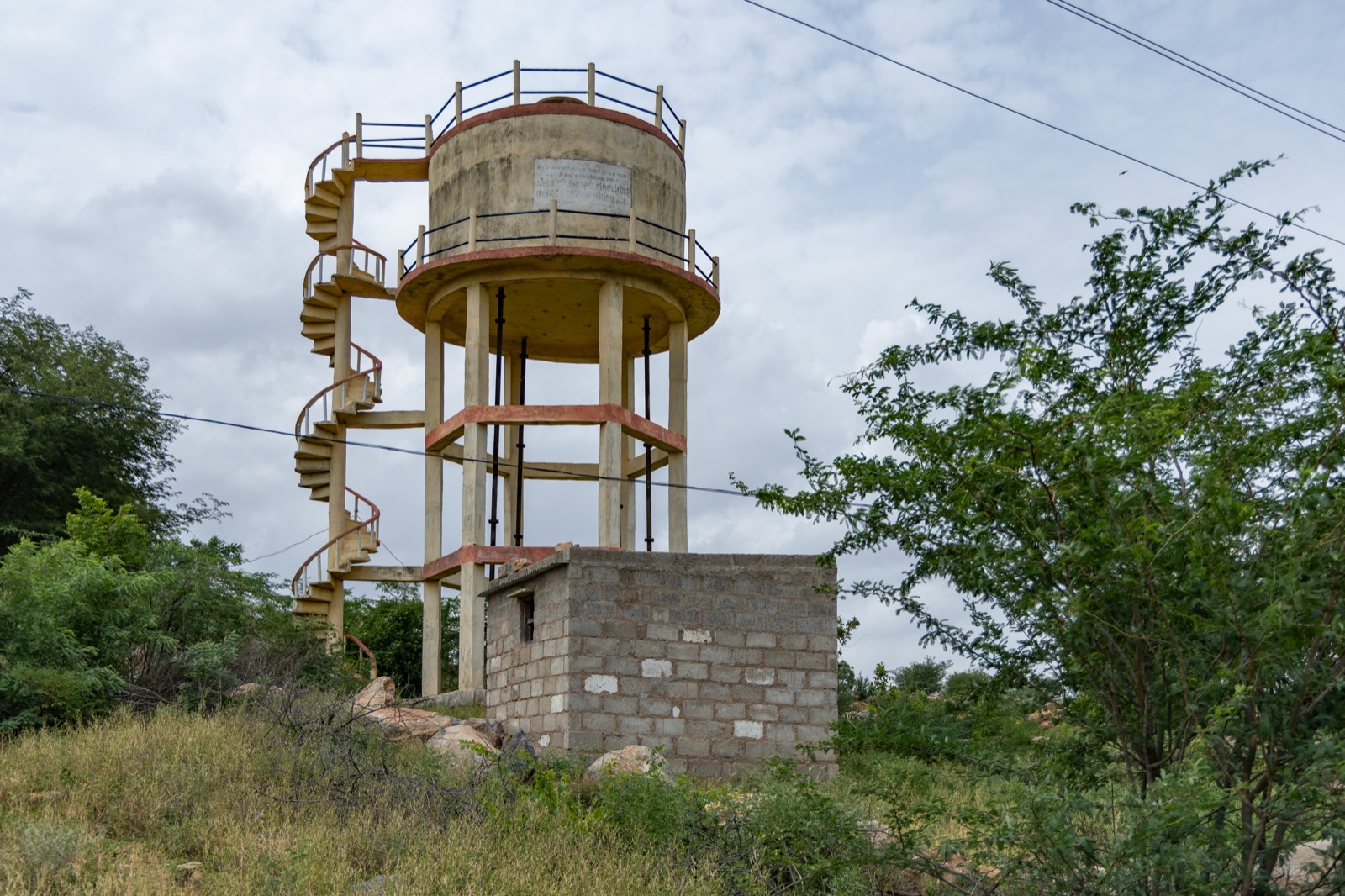
Seven years ago, if you lived in rural India, the odds were roughly five to one that your home did not have a tap connected to a water supply. Today those odds have flipped: more than four out of every five rural households now turn on a tap and get water, not a bucket-and-borewell routine that used to eat hours out of a day, disproportionately a woman’s or a girl’s day.
That is the quiet, unglamorous arithmetic behind the Jal Jeevan Mission (JJM), which completed seven years of implementation this August. On 15 August 2019, Prime Minister Narendra Modi launched the mission from the Red Fort with a single, deceptively simple promise: a Functional Household Tap Connection for every rural home in the country. At the time, only 3.23 crore rural households — about 16.72% of the total — had one. As of this month, the Ministry of Jal Shakti reports that number has climbed to over 15.91 crore households, or 82.24% coverage — an addition of more than 12.68 crore taps in seven years, according to the ministry’s own release marking the anniversary.
A total of 188 districts, 1,090 blocks, 1.01 lakh Gram Panchayats and over 2 lakh villages have now been certified “Har Ghar Jal” — every household, verified. Schools and Anganwadi centres have followed too: 90.86% of rural schools and 86.21% of Anganwadi centres now have a tap connection, which matters for reasons that go beyond convenience — safe water at school and at the anganwadi is a child-health and girl-child-attendance issue as much as an infrastructure one.
A programme with a long lineage, and a real turning point
Rural drinking water has been on India’s policy agenda since Independence, through a succession of schemes — the National Water Supply Programme of 1954, the Accelerated Rural Water Supply Programme of the early 1970s, the National Drinking Water Mission of 1986, Swajaldhara in 2002, and the National Rural Drinking Water Programme that preceded JJM. Each expanded access at the level of the habitation — a well here, a public standpost there — without necessarily getting water into individual homes.
JJM’s actual innovation was narrower and more stubborn than “more water schemes”: it targeted the household tap specifically, with a defined service standard (55 litres per person per day, tested against the BIS:10500 drinking-water-quality benchmark) rather than a vague coverage number. That distinction — habitation-level access versus a functioning tap inside the home — is why independent trackers and researchers have treated JJM’s numbers as a genuinely different order of achievement from earlier rural water programmes, even though it inherited their groundwork.
The mission has also had a documented effect beyond plumbing. Fetching water is work, and in rural India it has historically fallen overwhelmingly on women and girls — walking to a well or handpump, queuing, carrying, often multiple times a day. Reducing that burden is one of the few infrastructure interventions with a plausible direct line to more time in school, more time for paid or productive work, and measurable gains in household health and hygiene from more reliable access to safe water.
The number that matters more than 82%: what happens after the tap is installed
Here is the part of the story the anniversary headline tends to skip. Coverage — how many homes have a tap — is only half the job. The harder, less photogenic half is whether that tap still works in three years, five years, ten years: whether the borewell it draws from hasn’t gone dry, whether the pipe network is maintained, whether someone local is responsible for fixing it when it breaks.
This is precisely the shift the Ministry of Jal Shakti says JJM is now making. With the original Functional Household Tap Connection target largely met, the government has extended the mission to December 2028 and significantly expanded its outlay — from roughly Rs. 3.60 lakh crore to about Rs. 8.69 lakh crore — under what it’s calling “JJM 2.0.” The reoriented focus, per the ministry, moves from infrastructure creation to service delivery: source sustainability, community ownership, water-quality monitoring, and long-term functionality of the systems already built.
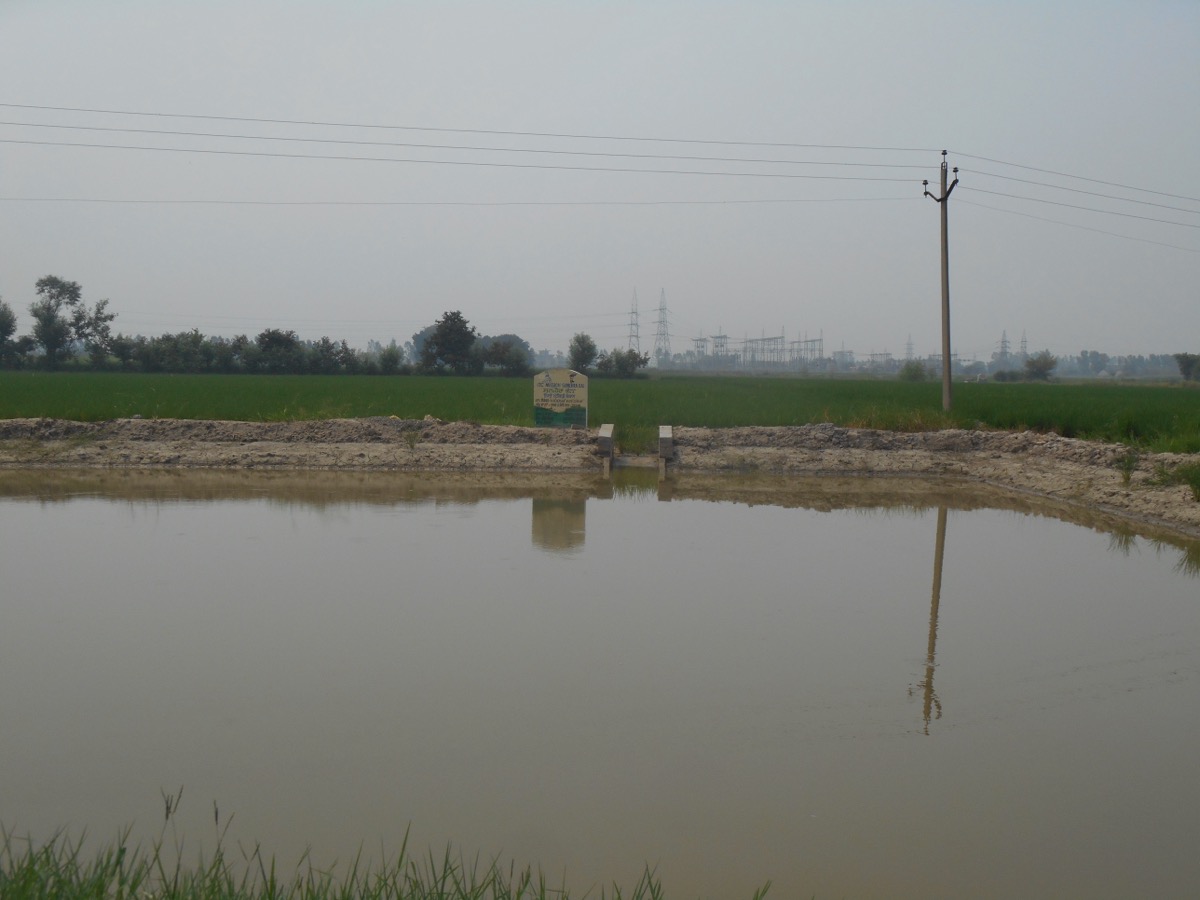
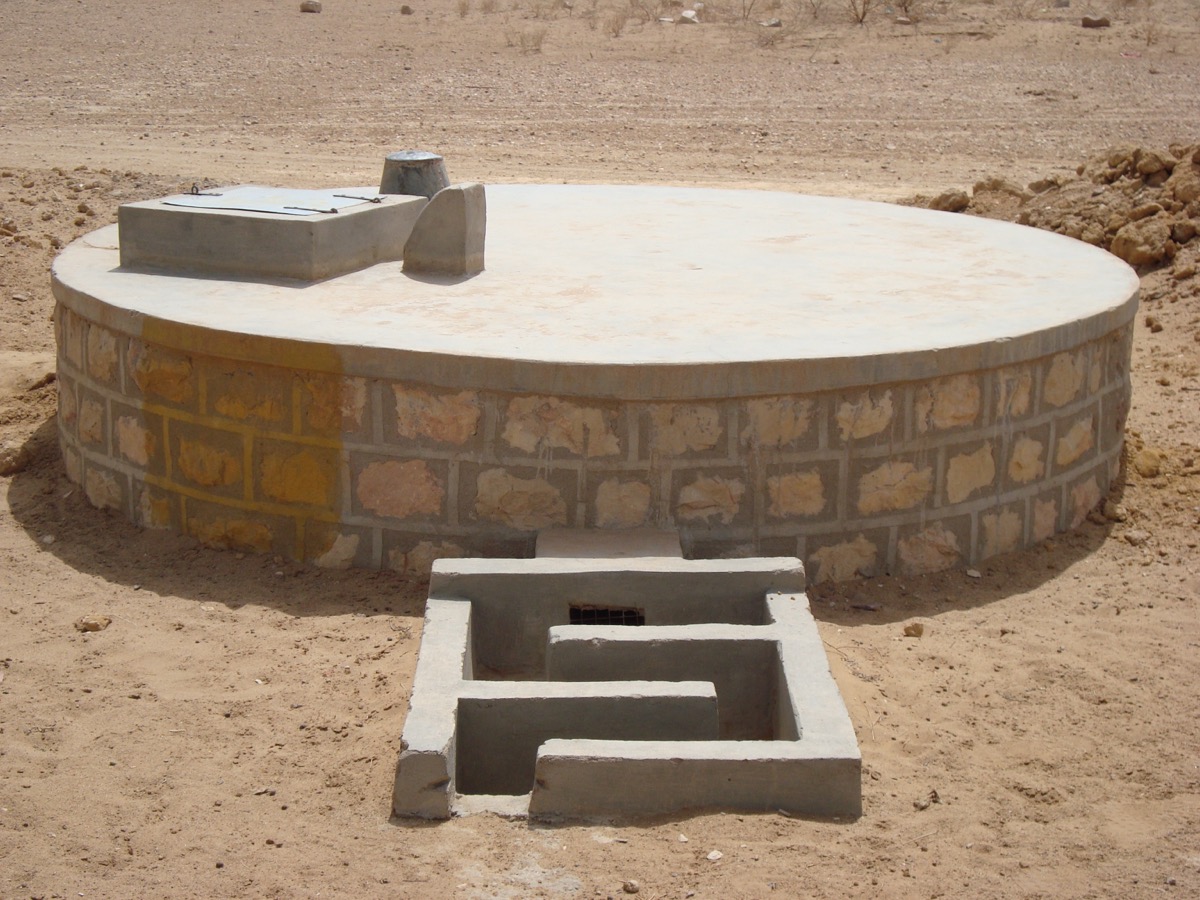
Practically, that means a few concrete things. Gram Panchayats, Village Water & Sanitation Committees, and Self-Help Groups are being positioned as the actual custodians of local water infrastructure rather than passive recipients of a government scheme — a decentralisation bet that will only be validated over the next several years, not by an anniversary press release. A nationwide network of water-quality testing labs and Field Testing Kits is meant to let communities monitor their own water rather than wait for a government inspector. And on the supply side, the mission’s Jal Sanchay Jan Bhagidari: Catch the Rain initiative — relaunched with an expanded scope on 1 June 2026 — is explicitly about keeping the sources themselves alive: low-cost rainwater harvesting structures, groundwater recharge, and community-built water security planning, so that the taps installed this decade aren’t drawing down an aquifer that runs dry the next.
There’s also a new digital layer worth noting: JJM 2.0 introduces “Sujalam Bharat,” a national framework that assigns every village a unique Sujal Gaon or Service Area ID, mapping the entire drinking water system — source, treatment, distribution, tap — so that functionality (not just the initial connection) can be tracked over time.
Why this matters beyond the tap
It’s tempting to read a rural infrastructure statistic as a development story, full stop — and it is one. But it’s also, unmistakably, a water-security story, and that’s the frame worth holding onto. India is one of the most water-stressed large economies on Earth: NITI Aayog’s own Composite Water Management Index work has repeatedly flagged the country’s groundwater strain, and the effects of erratic monsoons on both drinking water and irrigation are only becoming more visible. A programme that gets water into homes without a parallel, serious commitment to recharging the sources that water comes from would just be borrowing against the future at a faster rate. JJM 2.0’s explicit pivot toward source sustainability — rainwater harvesting, groundwater recharge, greywater management, and now digital tracking of functionality rather than just connections — is at least the right instinct, even if the next few years of drought seasons will be the real test of whether it holds up.
For a mission that started as a plumbing target, it’s ending its first phase looking a lot more like a water-conservation programme with plumbing as the entry point. That’s arguably the more interesting story than the 82% headline number itself. The progress also runs parallel to India’s river-rejuvenation efforts under Namami Gange, part of the same broader push toward long-term water security.
Source: Press Information Bureau, Government of India — Ministry of Jal Shakti release, 14 August 2026