
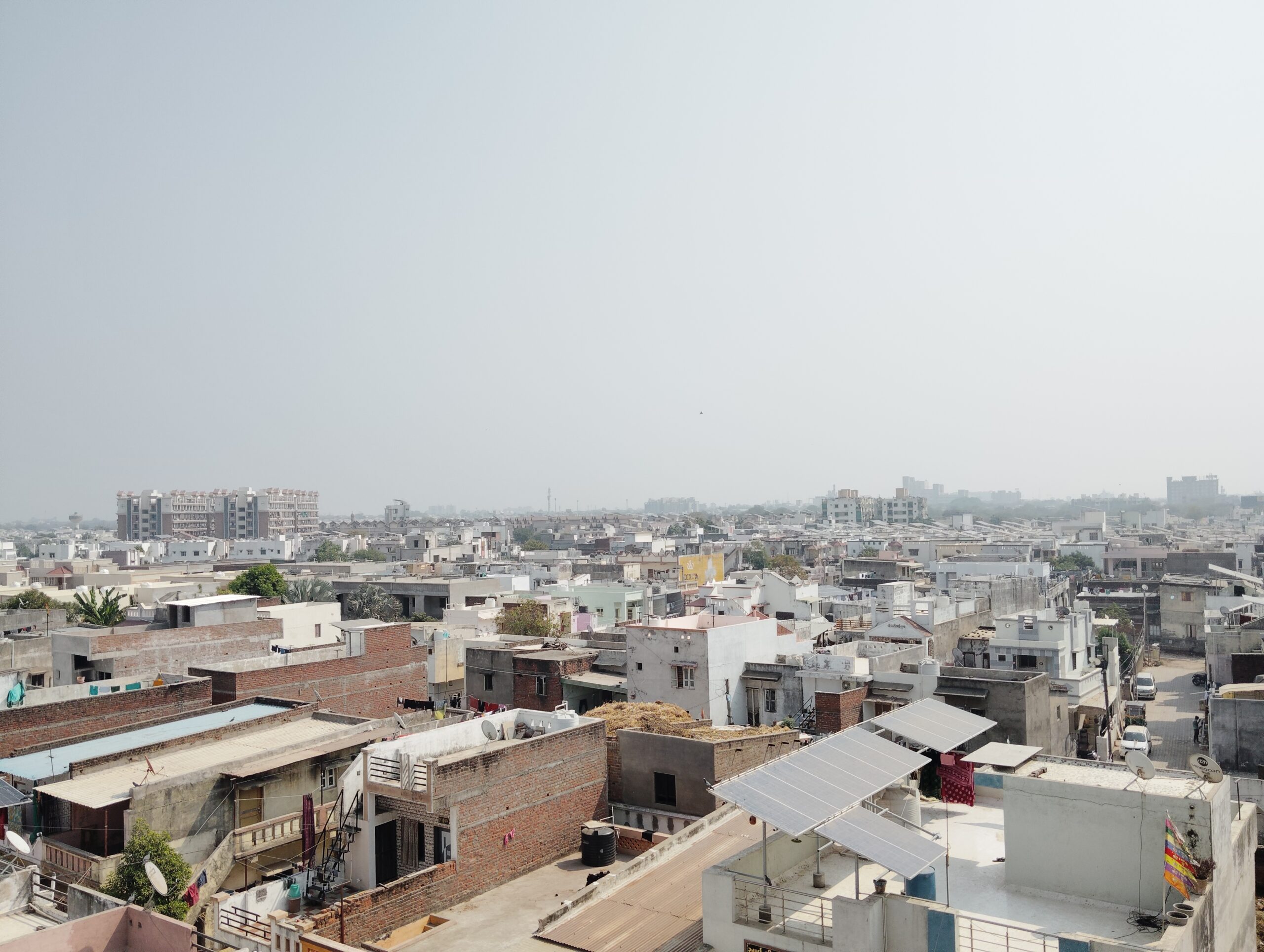
A decade ago, rooftop solar in India was a niche choice for the environmentally committed few willing to navigate paperwork, high upfront costs, and unfamiliar vendors. In 2026, it looks very different. With the PM Surya Ghar: Muft Bijli Yojana subsidising installations, panel prices down sharply from a decade ago, and net metering now standard practice across most states, a sustainable energy upgrade like a rooftop solar system has become one of the most straightforward ways an Indian household can cut its electricity bill and its carbon footprint at the same time. Rooftop solar cost in India now starts around ₹1.65 lakh for a 3 kW home system before subsidy.
This guide walks through what a rooftop solar system actually is, the different types available, what it costs in 2026, the subsidy you’re entitled to, and the step-by-step process to get one installed on your home.
What Is a Rooftop Solar System?
A rooftop solar system converts sunlight into electricity using photovoltaic (PV) panels mounted on your roof, then feeds that power into your home through an inverter. Depending on the system type, it can work alongside the electricity grid, independently of it, or as a combination of both. For most urban and semi-urban Indian homes with a reliable grid connection, a grid-connected system paired with net metering is the standard, most cost-effective choice.
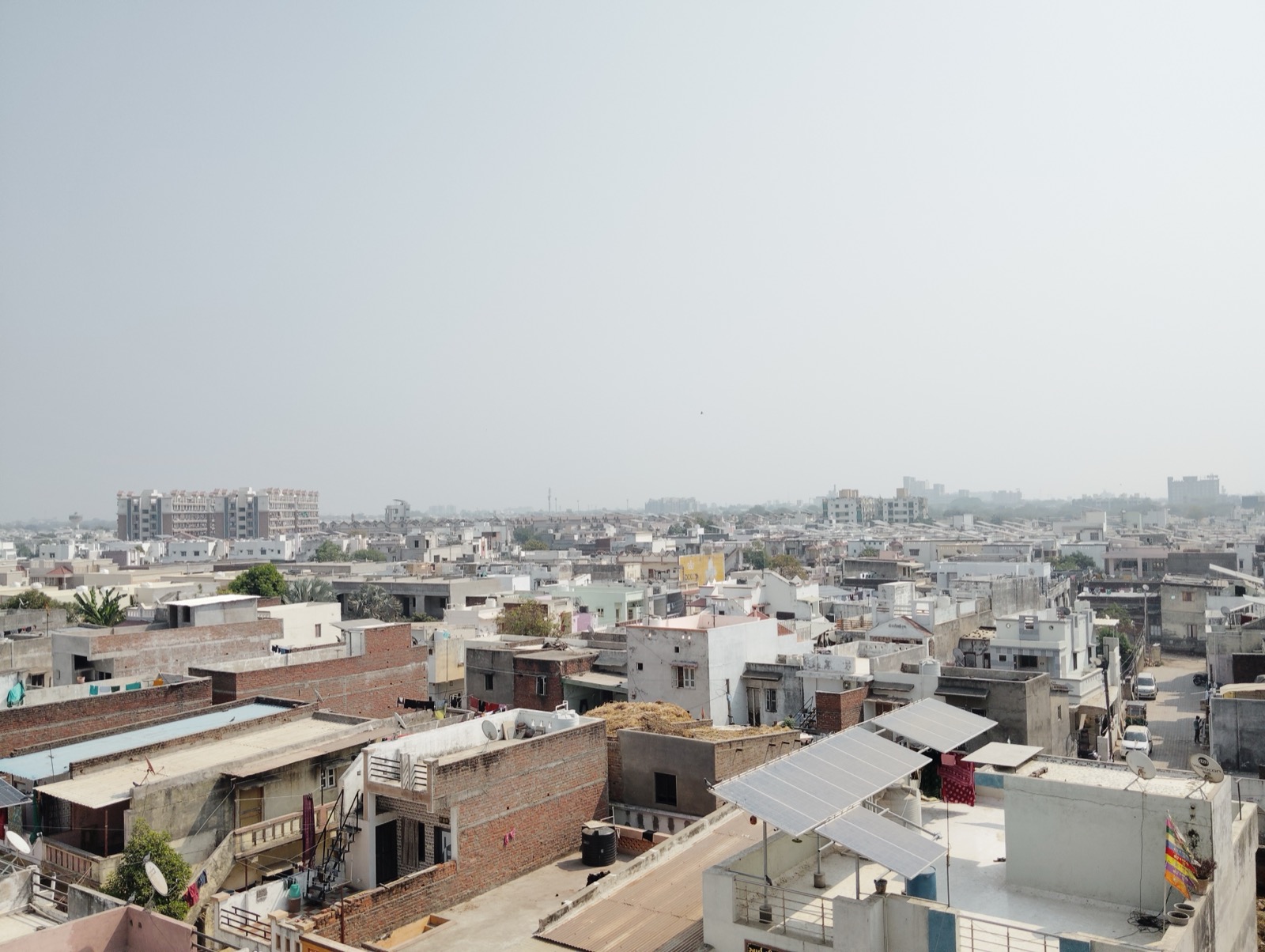
Under the PM Surya Ghar scheme, the government’s target is one crore households running on rooftop solar, with direct financial assistance transferred straight to the homeowner’s bank account after installation and inspection — no middleman deductions.
Types of Rooftop Solar Systems
There are three main configurations, and choosing the right one depends mainly on how reliable your local grid supply already is.
- On-grid (grid-tied): The most common and most affordable option for Indian homes. Panels feed power directly into your home, with any surplus exported to the grid via net metering. No batteries are involved, which keeps costs down, but the system doesn’t work during a grid outage since it’s designed to shut off automatically for safety.
- Off-grid: A fully standalone system with battery storage, independent of the grid entirely. It’s the most expensive option because of the battery bank, and it’s typically reserved for remote areas with no reliable grid connection at all.
- Hybrid: Grid-connected like an on-grid system, but with battery backup for outages. This suits homes in areas with frequent, short power cuts — the battery kicks in during a cut instead of leaving you without power.
For most households in cities and towns with a reasonably stable power supply, an on-grid system is the practical default — it’s the cheapest to install, the fastest to get subsidy-approved, and the one the PM Surya Ghar scheme is primarily built around.
Rooftop Solar Cost in India (2026)
Installed cost for a residential on-grid system in 2026 typically runs ₹55,000–₹85,000 per kW before subsidy, depending on panel quality, inverter brand, and roof type. Here’s roughly what that looks like by system size:
| System Size | Approx. Cost (Before Subsidy) | PM Surya Ghar Subsidy | Approx. Net Cost | Typical Household Fit |
|---|---|---|---|---|
| 1 kW | ₹70,000 – ₹1,10,000 | ₹30,000 | ₹40,000 – ₹80,000 | 1–2 people, low consumption |
| 2 kW | ₹1,25,000 – ₹1,90,000 | ₹60,000 | ₹65,000 – ₹1,30,000 | Small home, fans, lights and a fridge |
| 3 kW | ₹1,65,000 – ₹2,50,000 | ₹78,000 | ₹87,000 – ₹1,72,000 | Small family, standard usage |
| 5 kW | ₹2,80,000 – ₹3,80,000 | ₹78,000 (cap) | ₹2,02,000 – ₹3,02,000 | Larger home, AC + appliances |
Prices are approximate market ranges as of 2026 and vary by city, panel and inverter brand and roof type; the subsidy follows the PM Surya Ghar central financial assistance slabs. MNRE’s own benchmark for the scheme is about ₹50,000 per kW for the first 2 kW, so quotes well above the ranges here are worth questioning.
After the central subsidy, a typical 3 kW home system effectively costs somewhere between ₹87,000 and ₹1,72,000 — a substantial reduction, and one that many households recover through electricity savings within 4 to 6 years.
PM Surya Ghar Subsidy: What You’re Entitled To
The PM Surya Ghar: Muft Bijli Yojana, launched in February 2024 with a ₹75,021 crore outlay, is the central government’s flagship rooftop solar programme. The subsidy — officially called Central Financial Assistance (CFA) — is tiered by system size:
- 1 kW to 2 kW: ₹30,000 to ₹60,000
- 2 kW to 3 kW: ₹60,000 to ₹78,000
- Above 3 kW: capped at ₹78,000 (the maximum subsidy regardless of additional capacity)
India’s rooftop solar policy landscape continues to evolve, and several states also add their own top-up subsidy on the central amount — check with your state DISCOM or renewable energy department, since this varies significantly by state and changes periodically.
How to Apply: Step by Step
The entire application process runs online through the official portal, pmsuryaghar.gov.in.
- Register on the portal using your state, electricity DISCOM, consumer number, and registered mobile number.
- Apply for rooftop solar and select a system size based on your average monthly electricity consumption.
- DISCOM feasibility check — your utility evaluates the connection for net metering feasibility, typically within 15–30 days.
- Install via a registered vendor — only vendors empanelled with your DISCOM and equipment on the ALMM (Approved List of Models and Manufacturers) qualify for the subsidy.
- Inspection and net meter installation — after installation, the DISCOM inspects the site and installs a bi-directional net meter.
- Subsidy disbursed — the CFA is transferred directly to your bank account after successful inspection, usually within 30 days.
A shadow-free rooftop area of roughly 100 sq. ft. is needed for a 1 kW system, scaling up to about 300 sq. ft. for a 3 kW system. Most residential connections are approved for net metering up to 100% of their sanctioned electrical load, though this cap varies by state.
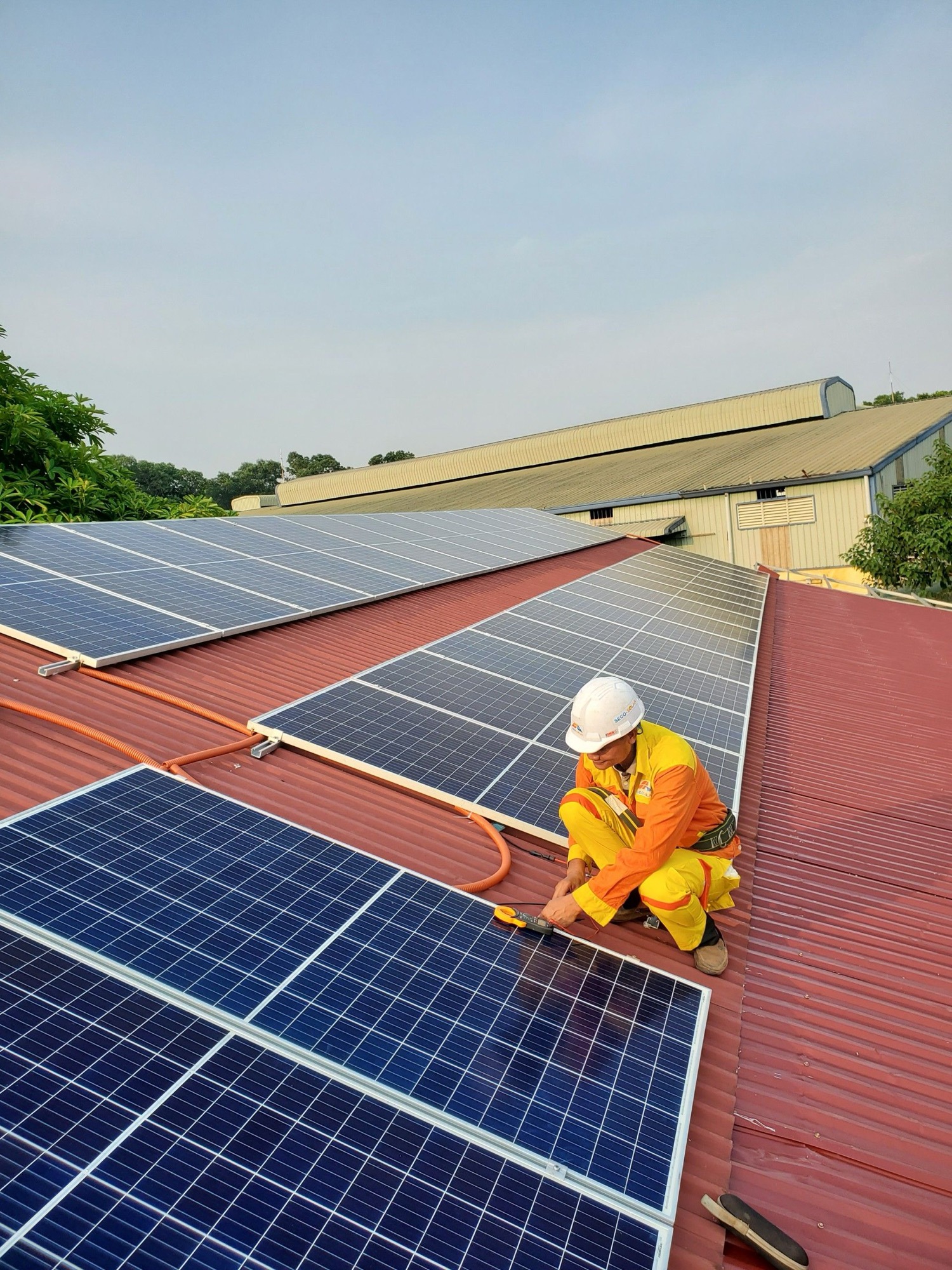
Net metering is what makes rooftop solar financially attractive even without a battery: any surplus power your panels generate during the day is exported to the grid and credited to your account, offsetting the electricity you draw at night. The DISCOM installs a bi-directional meter that tracks both directions automatically.
Is Rooftop Solar Worth It in 2026?
For most Indian homeowners with steady sun exposure and a stable grid connection, the answer is increasingly yes. Falling equipment costs, a well-funded central subsidy, and a maturing network of DISCOM-empanelled vendors have brought both the upfront cost and the paperwork down substantially compared to even five years ago. Many households pair a rooftop PV system with a solar water heater to cover both electricity and hot-water needs from the sun. Beyond the direct electricity savings, every rooftop system installed also chips away at India’s dependence on fossil-fuel power generation — a small, individual contribution to a much larger shift already underway across the country’s energy mix.
If you’re weighing the decision, start by checking your DISCOM’s empanelled vendor list on the PM Surya Ghar portal and getting two or three site assessments — reputable installers will size the system to your actual consumption rather than pushing the largest system possible.
Frequently Asked Questions
What is the average cost of a rooftop solar system for a home in India?
A typical 3 kW on-grid system, the most common size for Indian households, costs roughly ₹1,65,000–₹2,50,000 before subsidy, and ₹87,000–₹1,72,000 after the central subsidy is applied.
How much subsidy does the government give for rooftop solar?
Under PM Surya Ghar, the subsidy ranges from ₹30,000 for a 1 kW system up to a maximum of ₹78,000 for systems of 3 kW and above. Some states add further top-up subsidies.
Do I need batteries for a rooftop solar system?
Not for a standard on-grid system — the grid itself acts as backup, and net metering handles surplus power. Batteries are only needed for off-grid or hybrid systems, typically in areas with frequent power cuts or no reliable grid access.
How long does it take to get a rooftop solar connection approved?
End-to-end, most applications take 30–60 days from DISCOM feasibility approval through installation, inspection, and subsidy disbursal — though this varies by state, with Gujarat and Karnataka typically processing faster than others.