
Most conservation news comes with a number attached — hectares protected, species counted, crore rupees disbursed. This week’s story out of Lucknow comes with something rarer: a place you can actually walk through.
On 8 August 2026, Union Minister of State for Science & Technology Dr Jitendra Singh dedicated to the nation what CSIR is calling India’s first “Eco-Educational Hub” — Prakriti Gyan Dham, developed by the CSIR-National Botanical Research Institute (CSIR-NBRI) at its Maharishi Parashar Bioresource Centre in Banthra, on the outskirts of Lucknow. It isn’t a laboratory extension or a research annexe. It’s designed, deliberately, as the opposite of what most people picture when they think of a government scientific institute: an open, walkable, publicly accessible space built around India’s plant heritage, threatened species, and the ordinary act of noticing what’s growing around you.
A Garden Built Around What’s Disappearing
The Hub’s centrepiece is something called the PAaVan Path — Plants and Associated Vegetations for Appreciating Nature — an interpretive trail that strings together curated plant collections from India’s different ecological regions. Off that trail sit a series of themed enclosures, and the most pointed of them is the Vibhav Enclave, a dedicated garden for India’s rare, endangered, and threatened plant species, built explicitly to make biodiversity loss and habitat degradation legible to a visitor who has never opened a conservation report in their life.
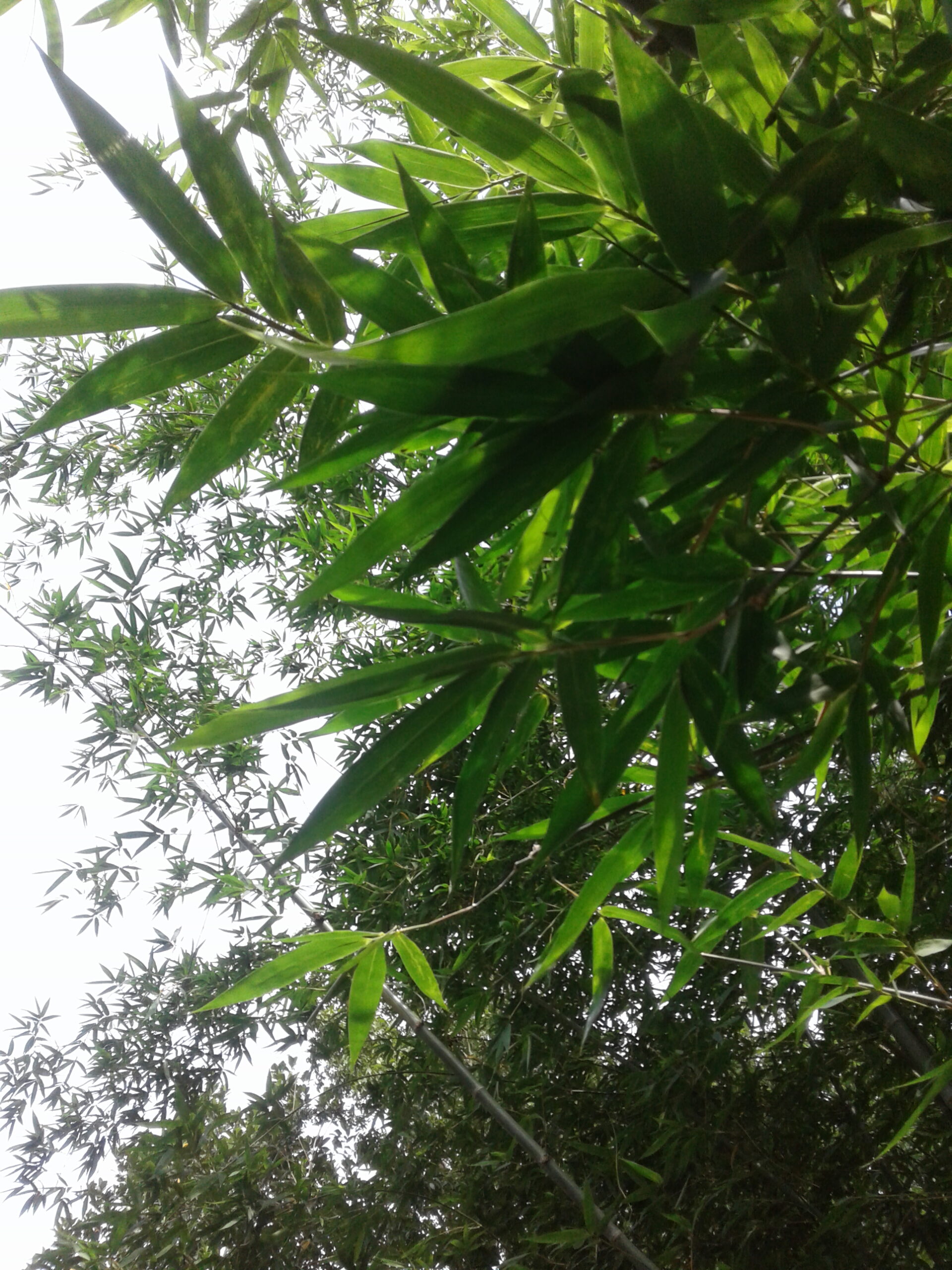
Nearby, the Bhairav Enclave gathers the officially designated State Plants of every Indian state and union territory in one place — a kind of living map of the country’s botanical identity, region by region. And the Bamboosteum houses 43 species of bamboo, indigenous and exotic, framed not as ornamental grass but as what it actually is: a fast-growing, carbon-sequestering, soil-stabilising renewable bioresource with real applications in ecological restoration and green infrastructure, alongside its older role in traditional craft and rural livelihoods.
Heritage Trees With Their Own Stories
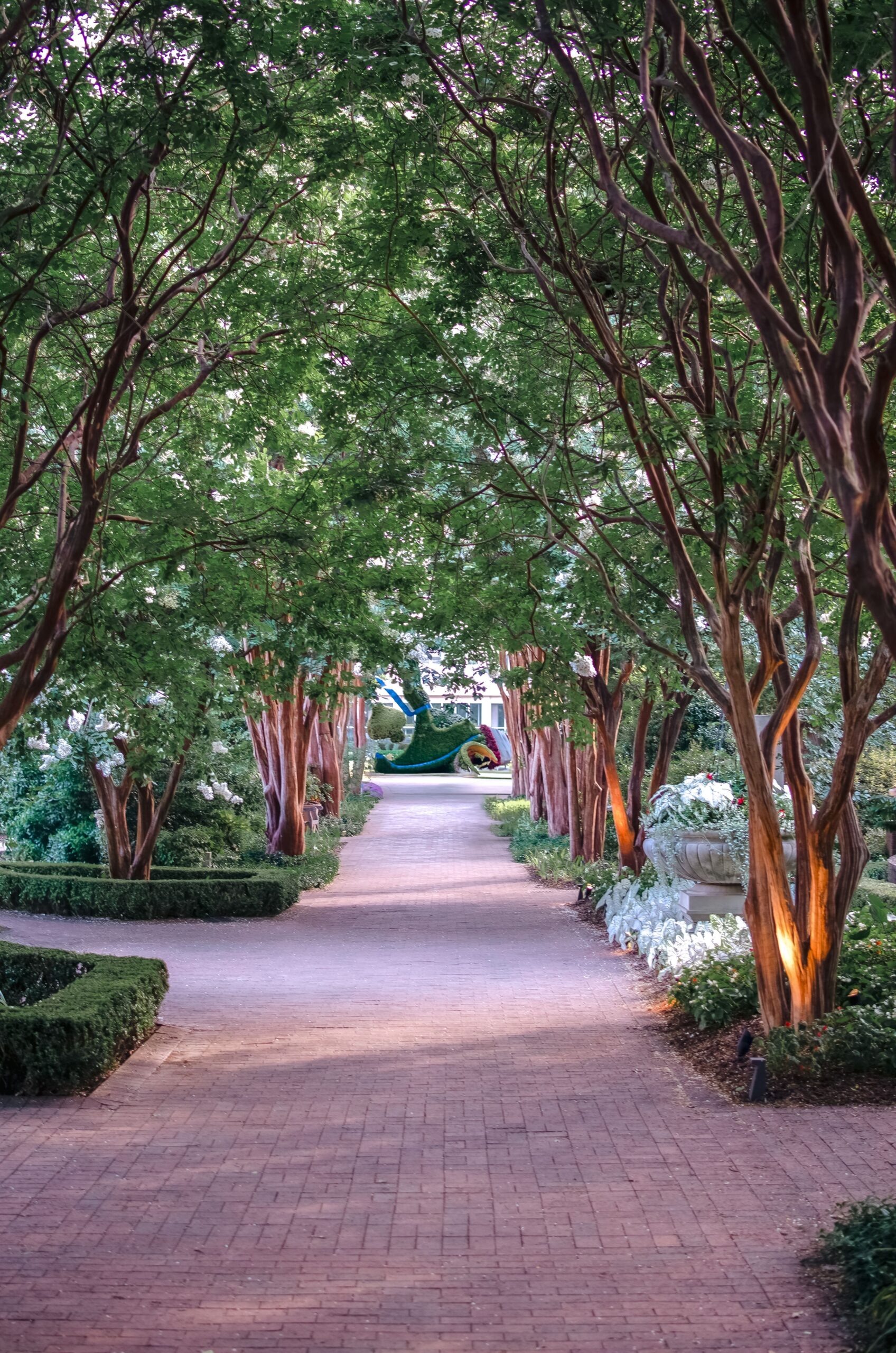
The Hub’s Indian Heritage Garden takes a different approach to the same idea — instead of organising around threat status, it organises around history. It brings together trees propagated from historically significant sites across the country: a Bawan Imli tamarind tree traced to Fatehpur and the sacrifice of 52 freedom fighters, a mango tree line associated with the Dandi March route in Gujarat, a descendant of the mango tree Mahatma Gandhi is said to have planted at Bhitiharwa in Champaran, and the Patalpuri Banyan of Prayagraj. Visitors can scan QR codes at each tree to hear its history and botanical detail through their phones — a small technical touch that does real work, turning a walk through a garden into something closer to an audio-guided museum tour, except the exhibits are alive and centuries old in some cases.
What makes this more than a well-landscaped garden is what happened alongside the dedication ceremony. CSIR-NBRI used the occasion to formally transfer four plant-based technologies — including a herbal anti-dandruff hair oil and a lotus-inspired perfume — to Kerala’s Kudumbashree State Poverty Eradication Mission, aimed at building women-led livelihoods around science-based products rather than leaving that research to sit in a lab. A separate low-cost photobioreactor design was licensed to a private Lucknow-based firm, Witwake Solutions.
The Science-to-Society Bet
Dr Jitendra Singh, addressing the programme, made the argument explicit: publicly funded scientific institutions in India have historically struggled with reach, not output. India’s research bodies produce plenty of usable science, from disease-resistant crop varieties to biodegradable materials — the persistent gap has been getting any of it in front of farmers, entrepreneurs, and the general public in a form they can act on. A garden that people will actually visit, paired with technology handovers to state livelihood missions and private firms in the same afternoon, is a fairly direct answer to that gap.
Why a Garden Counts as Conservation Infrastructure
It would be easy to file this under “science communication” and move on, but that undersells what a public-facing conservation space actually does. India’s plant-conservation efforts — germplasm banks, genetic-resource repositories, protected botanical gardens — have historically been institutional and largely invisible to the public that ultimately funds and depends on them. A threatened-species garden that ordinary visitors, students, and school groups can walk into does something a locked research greenhouse can’t: it makes conservation a lived, visible thing rather than an abstract policy category, at a moment when public awareness of biodiversity loss and habitat degradation still lags well behind its urgency.
Prakriti Gyan Dham is one hub, in one city, built around one institute’s collection. It won’t single-handedly close India’s public-awareness gap on plant conservation. But as a template — heritage storytelling plus threatened-species education plus a working pipeline from lab research to rural livelihoods, all in one walkable space — it’s a genuinely distinct addition to how Indian science communicates itself, and one other CSIR institutes and state biodiversity boards would do well to copy. It’s the kind of project that fits naturally alongside Prakati’s own focus on sustainable living and everyday environmental awareness — conservation made visible enough that ordinary people, not just researchers, can walk into it.
Source: Press Information Bureau, Government of India — Union Minister Dr Jitendra Singh dedicates to the nation first-of-its-kind ‘Eco-Educational Hub’ developed by CSIR-NBRI at Lucknow.