
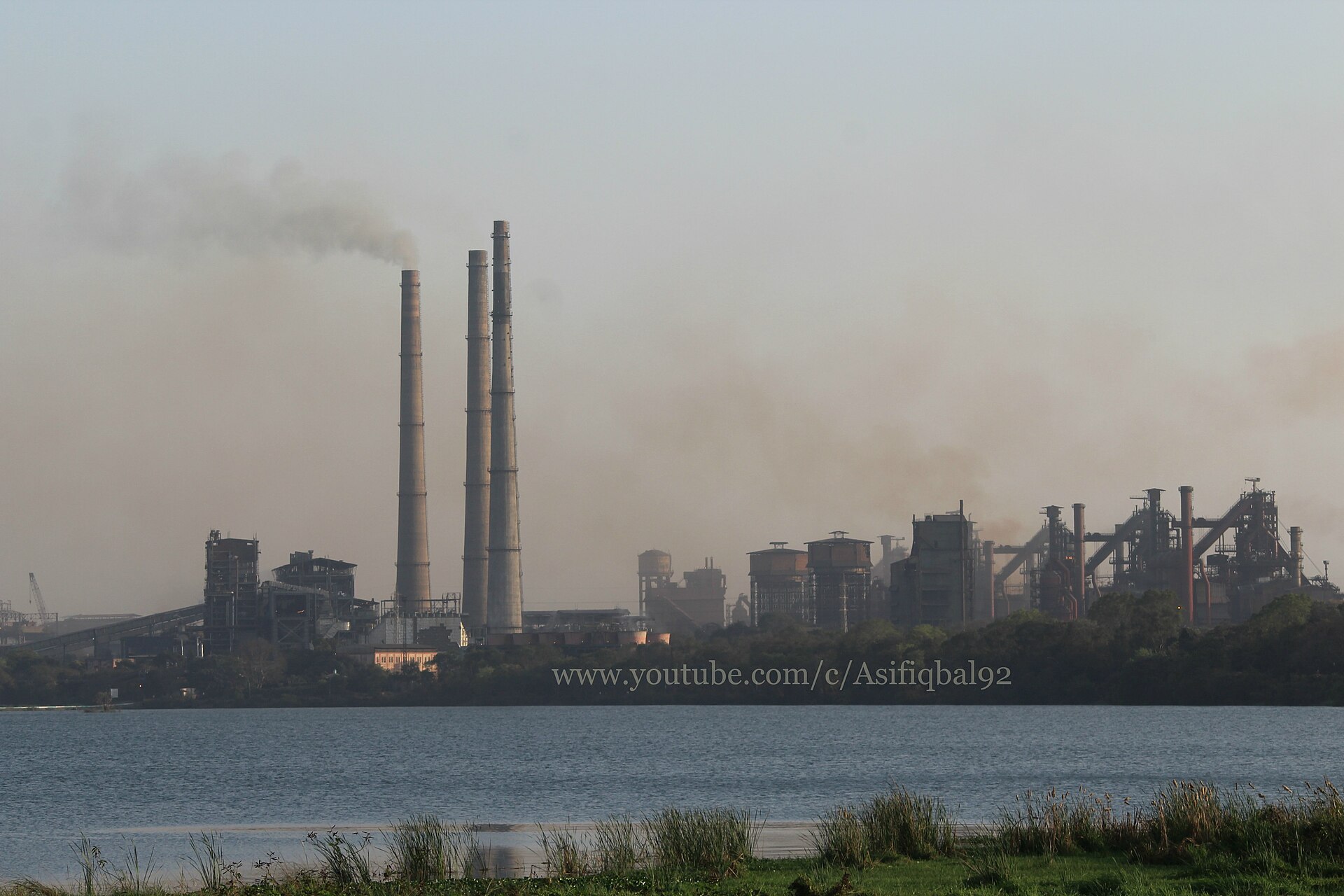
When a steel coil leaves an Indian port for Europe, it now carries an invisible price tag: the carbon emitted to make it. That is the idea behind the European Union’s Carbon Border Adjustment Mechanism (CBAM). The India EU CBAM talks held in New Delhi on 12 October show how India is trying to meet it halfway.
What the India EU CBAM talks covered
Pankaj Agarwal, Secretary in the Ministry of Power, held talks with Gerassimos Thomas, the European Commission’s Director-General for Taxation and Customs Union. The agenda was India’s carbon market, CBAM, and technical cooperation. The EU side appreciated India’s progress on its carbon market and shared updates on CBAM implementation. Both sides agreed to keep working on three technical areas: recognition of carbon pricing mechanisms, monitoring, reporting and verification (MRV) systems, and capacity building.
CBAM, in plain terms
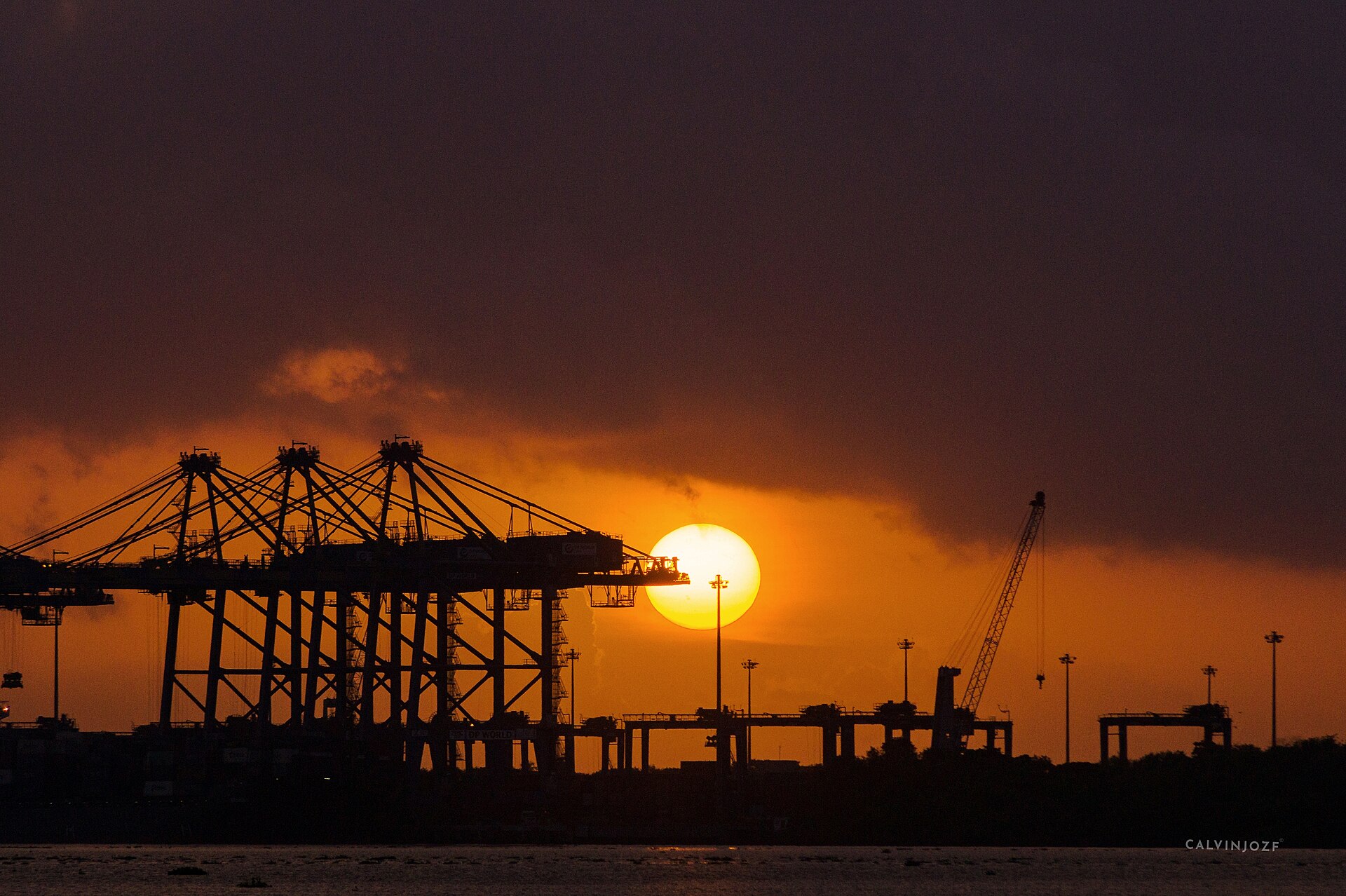
CBAM puts a carbon cost on certain imports (cement, iron and steel, aluminium, fertilisers, electricity and hydrogen) so that EU producers who pay for carbon are not undercut by competitors who face no carbon cost. The reporting-only phase ended and the definitive regime began on 1 January 2026. Certificates for 2026 imports can be bought from February 2027, with the first annual declarations due by 30 September 2027. If an exporter’s home country already prices carbon, that can be taken into account, which is why India’s own market matters.
India’s side of the story
The Secretary pointed to the Carbon Credit Trading Scheme (CCTS), under which emission-intensity reduction targets have been notified for 490 industrial units. Industries that beat their target earn tradable credits; those that miss must buy them. He also noted that non-fossil sources make up 308 GW of India’s 558 GW installed power capacity.
Why it matters for exporters
Iron and steel were about 6.3% of the value of India’s exports to the EU in 2025, according to EU data cited at an industry forum. Trade think tank GTRI has warned that steel and aluminium exporters could face pressure to cut prices by 15 to 22 per cent once payments begin. Smaller suppliers face a bigger practical hurdle: measuring and verifying emissions to EU standards. That is essentially a carbon accounting task, and strong MRV is the quiet foundation of both CCTS and CBAM. It is why the meeting dwelt on it.
Nothing was signed, and the release does not say CBAM liability will be reduced. But recognition of India’s carbon price, however it is eventually set, is the lever that could keep money in India rather than in EU treasuries, and fund cleaner production at home. Explore more India sustainability news on Prakati.