
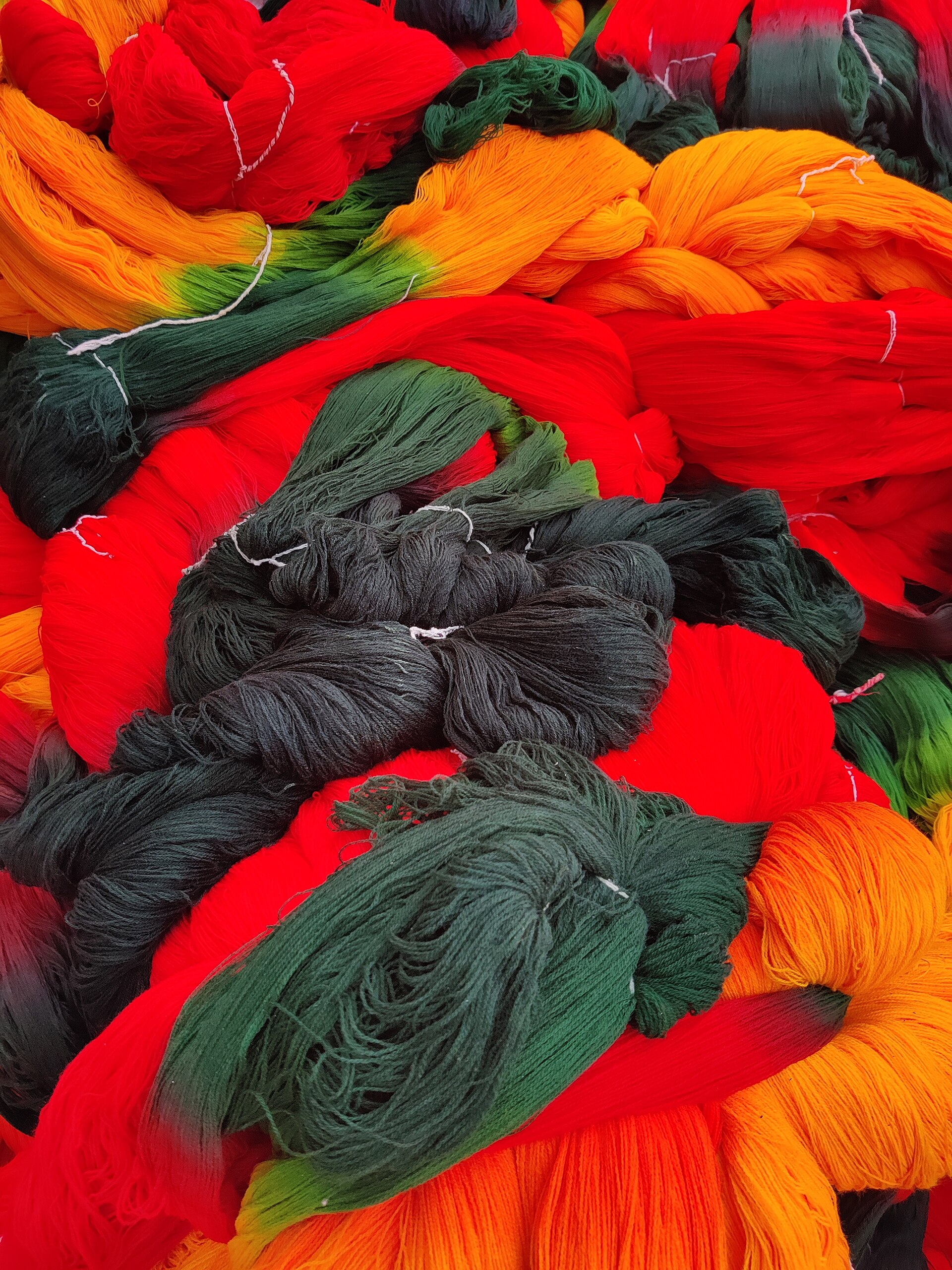
Textile dyes are built to last, which is exactly the problem once they reach a river. Scientists at the Institute of Nano Science and Technology (INST) Mohali, an autonomous institute under the Department of Science and Technology, have developed a filter for dye wastewater treatment that breaks dyes down, using turmeric in the recipe.
What they built
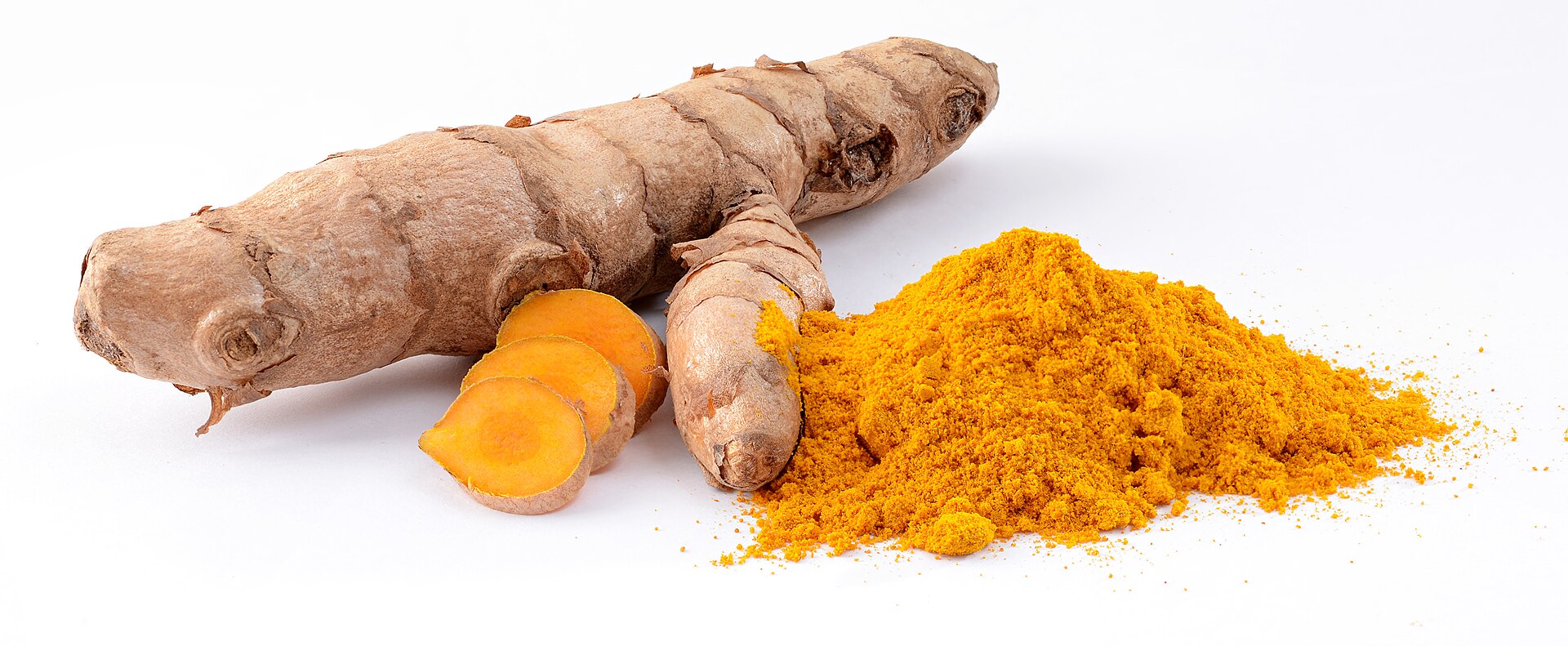
The team of Dr. Aviru Kumar Basu’s lab made zinc oxide nanoparticles using turmeric extract, whose natural compounds (curcumin, flavonoids, phenolics) do the job of the harsh chemicals normally used. These particles were spun into porous nanofibres of polylactic acid (PLA), a biodegradable polymer, forming a membrane. Fixing the catalyst in a membrane matters: loose nanoparticle powders are hard to recover from treated water.
Light plus vibration
Conventional photocatalysis uses light to generate reactive species that degrade pollutants, but it loses efficiency as charges recombine. Here, mechanical vibration produces a piezoelectric effect in the zinc oxide, suppressing that recombination. Under combined light and ultrasound, the membrane decolourised 98.6% of methylene blue and 96.7% of Congo red within 120 minutes. It also inactivated roughly 75% of E. coli and 71% of S. aureus over six hours. A machine-learning model predicts dye removal from variables such as light intensity, catalyst amount and ultrasonic frequency. The work appeared in Advanced Functional Materials.
Why it matters, and the caveats
India’s textile clusters are a major source of persistent dye effluent, and existing methods such as sedimentation or flocculation separate pollutants without destroying them. A reusable, bio-derived catalyst membrane is an attractive direction. These are laboratory results on model dyes; scale-up, durability and cost in real mixed effluent are still to be shown. Still, it is a good example of green chemistry applied to a real industrial problem.
For related reading, see how natural dyes are made in India, and how industrial compliance is improving along the Ganga. Explore more on water pollution and follow India sustainability news on Prakati.
Source: Press Information Bureau, Government of India (Ministry of Science & Technology, 13 October 2026). Images: dyed yarn by RAJIVVASUDEV (CC BY-SA 4.0) and turmeric by Simon A. Eugster (CC BY-SA 3.0), via Wikimedia Commons.