

Chennai’s relationship with water has been defined by extremes. In 2019, the city made international headlines when its reservoirs ran effectively dry — “Day Zero” arrived, tanker trucks became the primary water source for large parts of the city, and the crisis became a cautionary tale cited from Cape Town to California about what happens when urban water infrastructure isn’t built for a changing climate. A little over a year later, the same city was underwater in catastrophic monsoon flooding. Chennai doesn’t have a water scarcity problem or a water excess problem — it has a resilience problem, and both extremes trace back to the same underlying issue: ageing, inflexible infrastructure that can’t absorb shocks in either direction.
That’s the backdrop against which the Government of India and the Asian Development Bank (ADB) signed a $230 million loan agreement on 21 August 2026 for the Chennai Climate-Resilient Water Security and Sewerage Project — financing meant to rebuild the plumbing underneath the city, not just add more of it.
What’s Actually Being Built
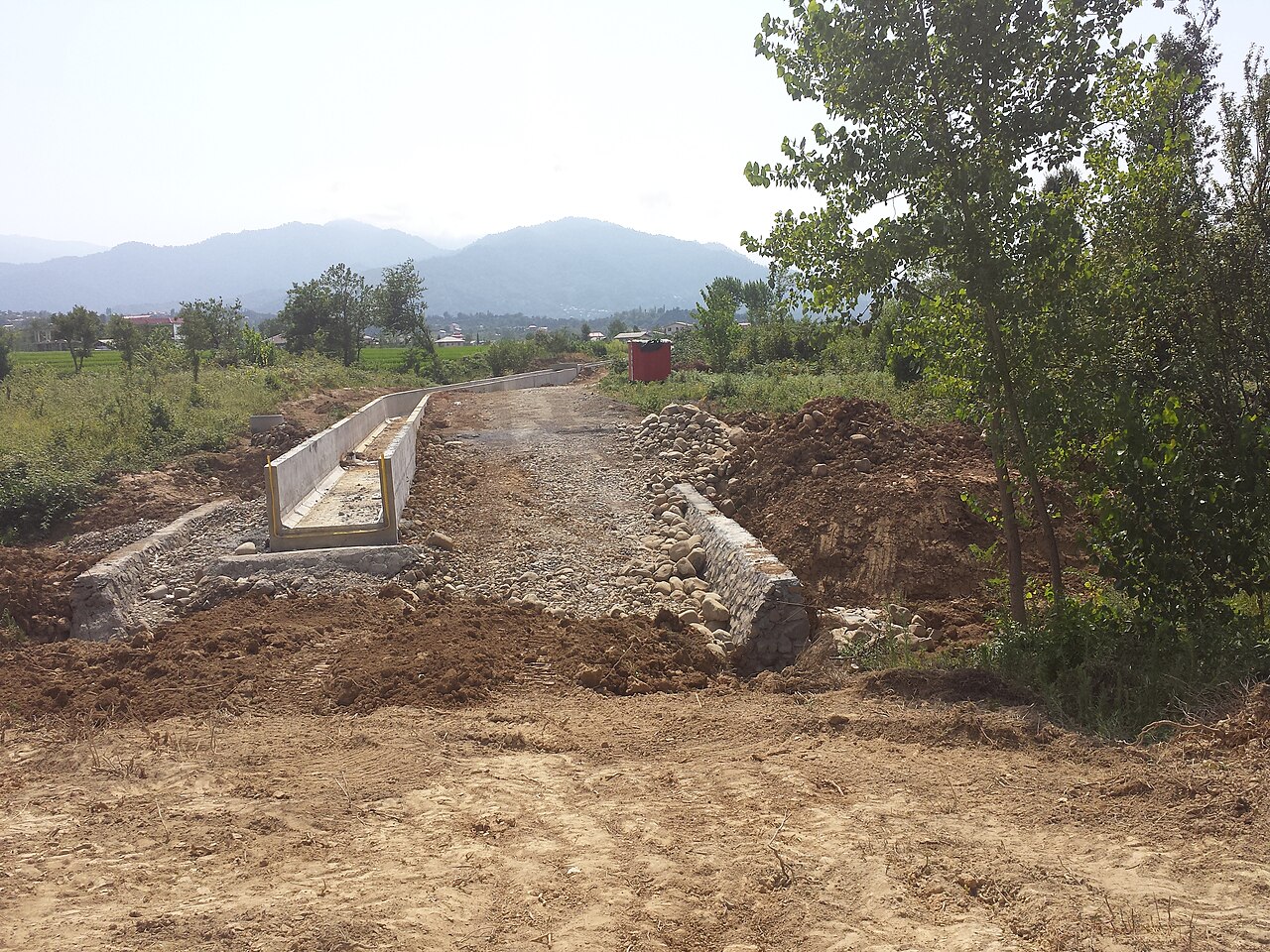
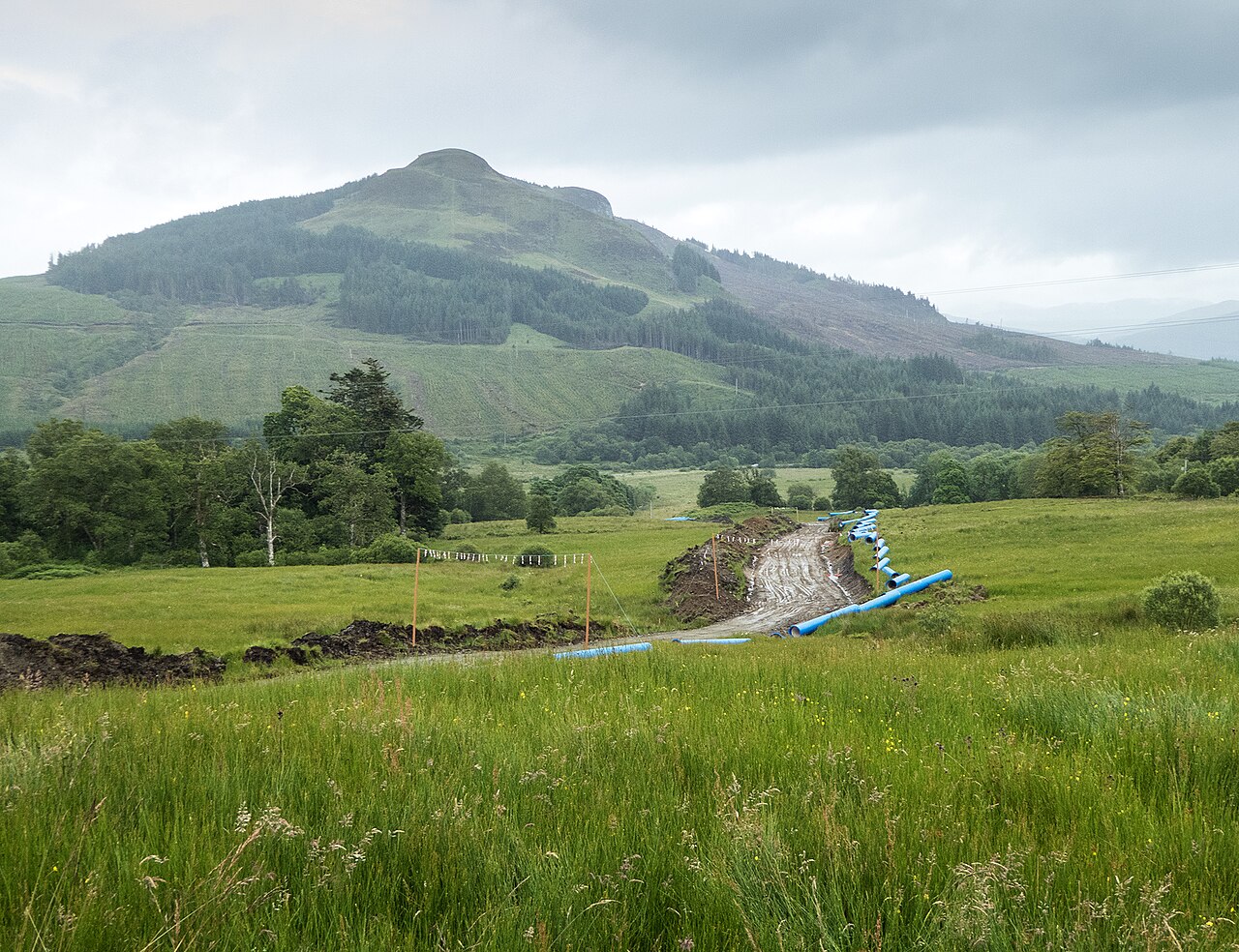
The project scope is concrete and unusually specific for infrastructure financing of this kind: over 170 kilometres of new water supply and sewer pipes, upgrades to seven water pumping stations and 38 sewer pumping stations, and a shift to performance-based contracts for managing water utility assets going forward — meaning contractors get paid for measurable service outcomes rather than just completed construction.
The centrepiece, though, is something Chennai will be the first Indian city to implement: a comprehensive ring-main system. Instead of the more common branching, tree-like pipe network most Indian cities run — where water flows in one direction from a central source out to end points, and a break anywhere upstream cuts off everyone downstream — a ring-main is a closed-loop network where water can be fed from multiple directions.
If one section fails or needs maintenance, supply can be rerouted through the rest of the loop rather than cutting off an entire neighbourhood. For a city that’s already experienced both catastrophic drought and catastrophic flooding within the same decade, a network designed to keep functioning when parts of it are damaged isn’t a luxury upgrade — it’s the whole point.
The Digital Layer
Beyond pipes, the project brings a real-time monitoring and data layer to Chennai’s water utility — the kind of infrastructure that lets a city actually see where it’s losing water (a chronic problem in Indian urban water systems, where a significant share of treated water is typically lost to leaks before it ever reaches a tap) and respond to problems before they become crises rather than after. The project also specifically targets one of the more dangerous, overlooked aspects of urban sanitation work: manual sewer inspection, which remains a hazardous and often fatal task for sanitation workers across Indian cities.
Replacing manual inspection with technology-enabled blockage detection is as much a worker-safety intervention as an infrastructure one. This loan builds on ADB’s earlier water conservation and sanitation investments in Chennai, and sits within the Government of India’s broader Atal Mission for Rejuvenation and Urban Transformation (AMRUT) 2.0 and Urban Challenge Fund umbrella.
Part of a Larger Pattern, Not a One-Off
What makes the Chennai project worth flagging specifically is the explicit “climate-resilient” framing built into the project’s own name, rather than resilience being an implicit side benefit of standard infrastructure spending. That framing reflects a broader shift in how development finance institutions like the ADB are structuring urban infrastructure loans generally — treating climate volatility not as an occasional disruption to plan around, but as the baseline condition infrastructure now has to be designed for from the start.
For a city whose recent history reads like a case study in climate whiplash, that’s less an abstract policy principle than an overdue design requirement. It’s also a useful urban counterpart to India’s rural water story — see our earlier coverage of how the Jal Jeevan Mission rewired rural India’s relationship with water over its first seven years, since both point to the same underlying shift: water infrastructure now has to be designed for resilience, not just delivery.
Source: Press Information Bureau, Government of India — India and ADB sign $230 million loan to modernise water supply and sanitation in Chennai