
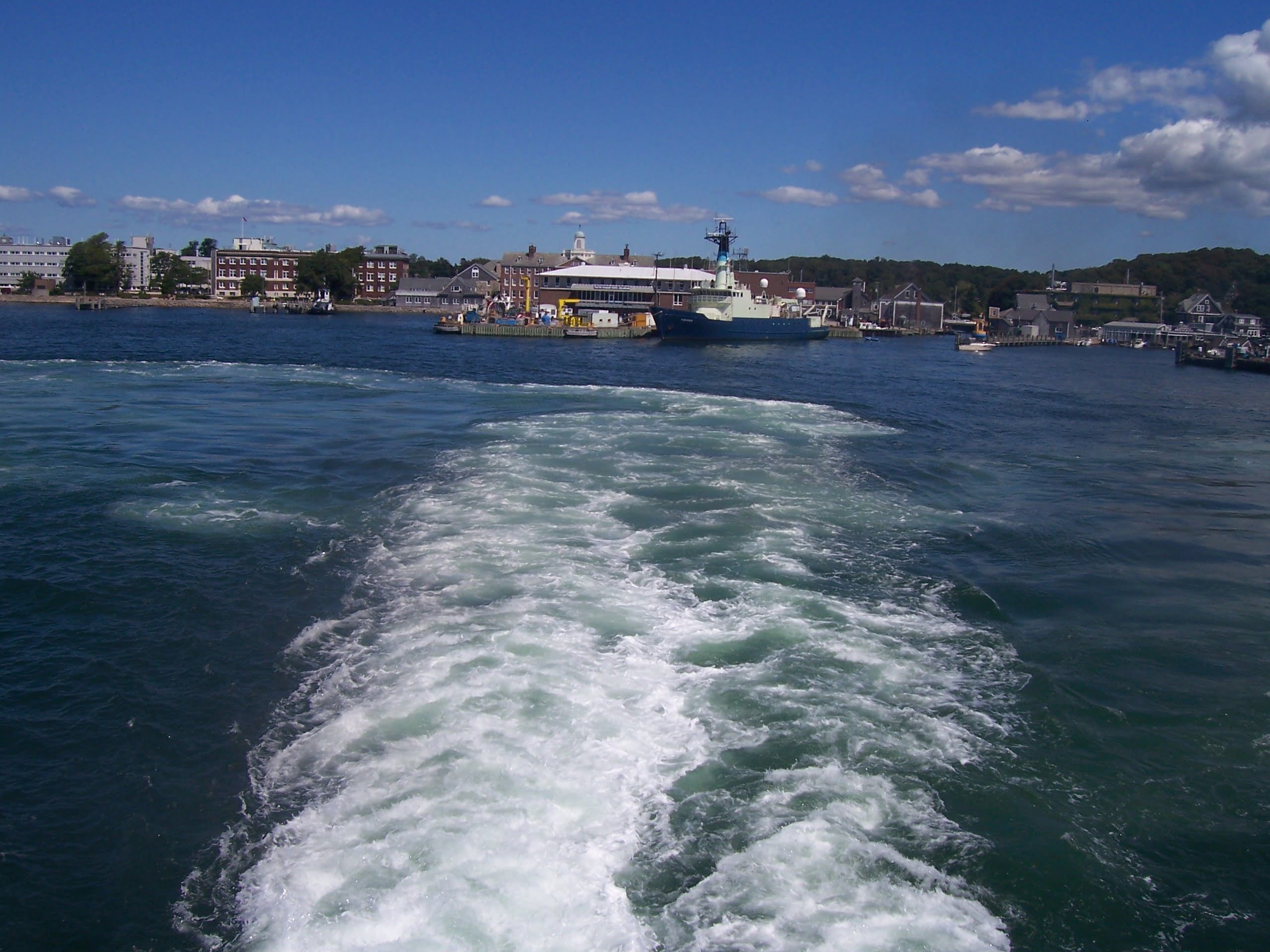
Most of what gets said about India’s “Blue Economy” is about the surface — coastal fisheries, ports, shipping, tourism. What’s happened 200 to 1,000 metres below the surface of India’s own Exclusive Economic Zone (EEZ) has, until now, mostly lived in scattered research papers and survey logs rather than any single usable document.
That’s changed. To mark the Silver Jubilee of the Centre for Marine Living Resources & Ecology (CMLRE), the Ministry of Earth Sciences has released the National Report on Deep-Sea and Distant-Water Fishery Resources of the Indian EEZ — a compilation of nearly four decades of oceanographic research and three decades of systematic survey work across all 2.37 million square kilometres of India’s maritime zone.
What’s Actually in the Report
The bulk of the underlying data comes from more than 400 oceanographic research cruises since the early 1990s, conducted under the Marine Living Resources Programme aboard India’s dedicated research vessel, the FORV Sagar Sampada — essentially a floating laboratory that’s spent three decades running multidisciplinary survey expeditions across the Arabian Sea, the Bay of Bengal, the Lakshadweep waters, the Andaman Sea, and as far as the Southern Ocean near Antarctica.
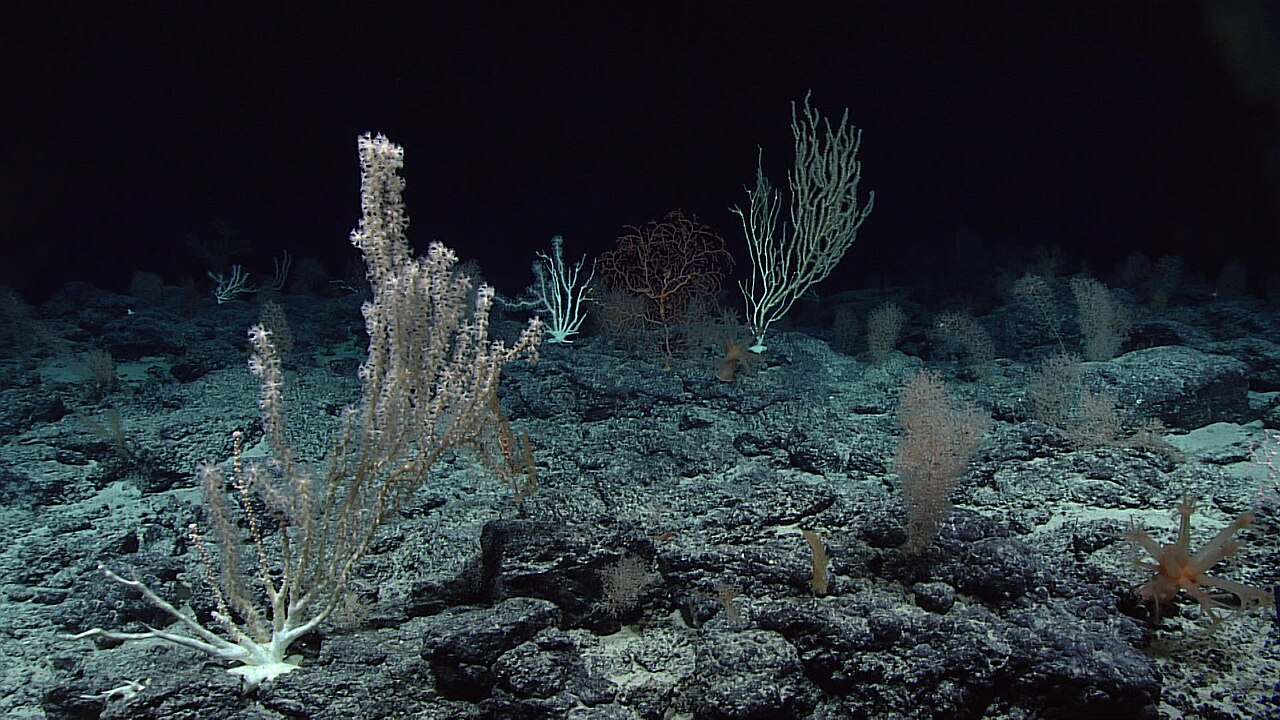
The report’s headline findings fall into a few distinct zones. The mesopelagic “twilight zone” (200–1,000 metres) is home to lanternfishes, deep-sea shrimps and cephalopods, and notable for a reason that reaches well beyond fisheries: the nightly vertical migration of these species is part of what oceanographers call the “biological carbon pump,” a natural process that transfers carbon from the surface ocean to the deep sea, helping regulate global climate.
- Deep-sea demersal resources — bottom-dwelling stocks beyond the 200-metre continental slope, including substantial, currently underexploited populations of deep-sea shrimps, perches, scombroids, flatfishes and eels.
- Distant-water species — high-value open-ocean stocks including tunas, billfishes, sharks, oceanic squids and even Antarctic krill, relevant to India’s ambitions in international deep-sea and distant-water fishing.
- Marine biodiversity hotspots — the report specifically flags ecologically sensitive nursery and habitat zones, including the Kollam Bank and Angria Bank off India’s west coast, the deep-sea slope off Mangaluru, the terrace off Thiruvananthapuram, and the waters around Lakshadweep and the Andaman & Nicobar Islands.
Why “Underexploited” Isn’t the Same as “Free to Exploit”
There’s an obvious commercial reading of a report like this — new fish stocks, new fishing frontiers. But the framing CMLRE and MoES chose is deliberately more cautious: this is described as a roadmap for the sustainable development of the Blue Economy, one that explicitly balances resource assessment against biodiversity conservation rather than simply pointing fishing fleets toward unexploited stocks.
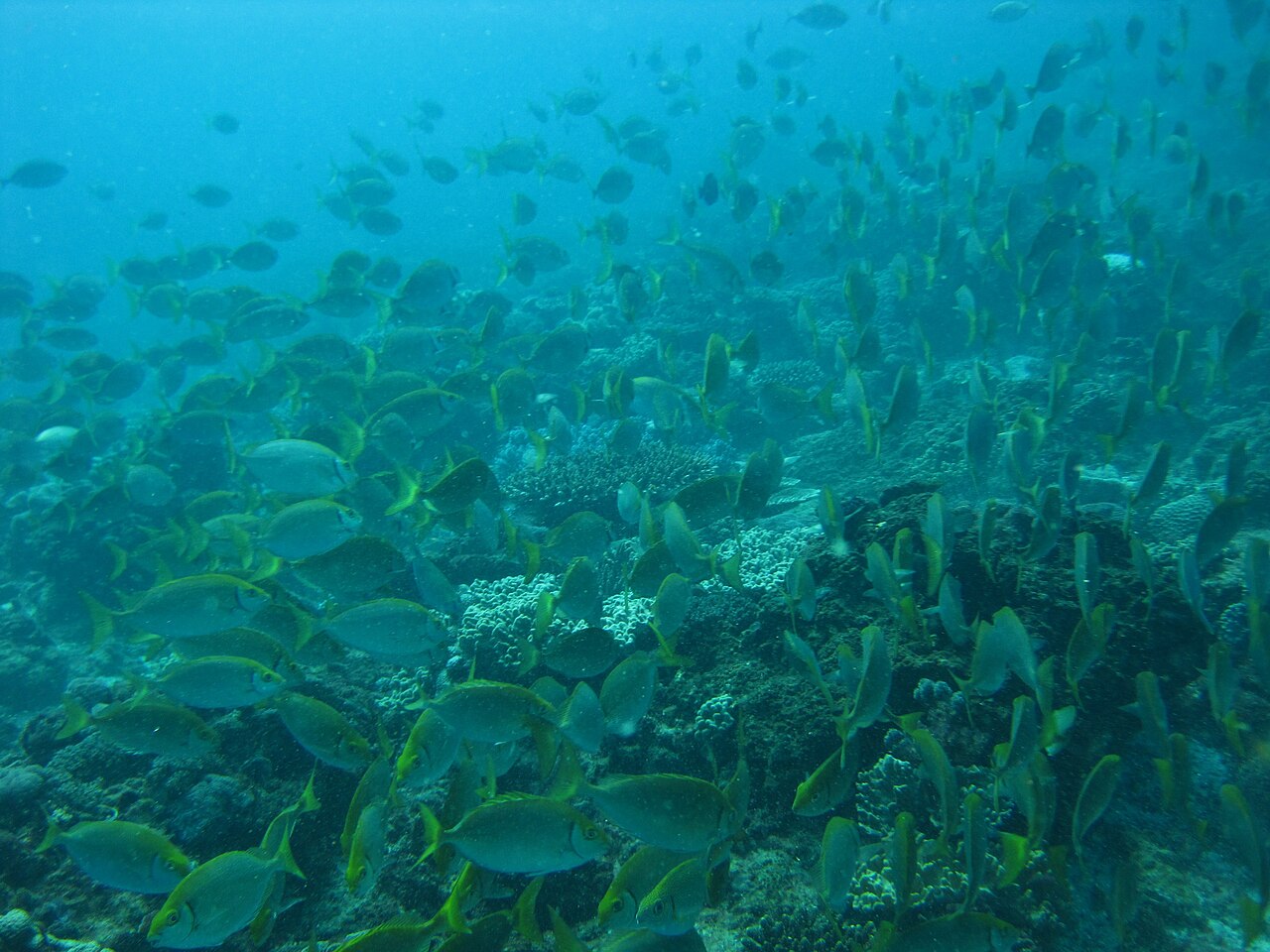
That distinction matters given how badly overfishing has already depleted coastal and shallow-water fish stocks across much of India’s near-shore waters — deep-sea and distant-water fisheries are frequently proposed as a release valve for that pressure, but only if they’re developed with the same conservation discipline that’s been largely absent from coastal fishing management for decades. The report’s explicit flagging of biodiversity hotspots as areas needing protection, rather than simply cataloguing them as resource zones, suggests the scientific groundwork is at least being laid the right way round — assessment and conservation together, not extraction first and consequences later.
A Tech-Forward Approach for What Comes Next
The report also lays out how India plans to keep building on this baseline: integrating fisheries acoustics, environmental DNA (eDNA) sampling, autonomous observing platforms, satellite data and AI-driven ecosystem modelling into a modern marine spatial planning framework. That’s a meaningful shift from the ship-based, manual-survey approach that’s generated most of the underlying data so far, and it positions India’s ocean science to move faster and cheaper than another three decades of research cruises would allow.
The report also explicitly ties itself to two larger commitments — India’s own Vision 2047, which names the Blue Economy as a core growth pillar, and the UN’s Sustainable Development Goal 14 (Life Below Water), part of the ongoing UN Decade of Ocean Science for Sustainable Development. As Dr M. Ravichandran, former Secretary of the Ministry of Earth Sciences, put it at the report’s release: “Sustainable prosperity will not come simply from discovering new marine resources, but from understanding them, respecting the ecosystems that sustain them, and managing them with science as the guiding compass.”
For a country with a coastline stretching over 11,000 kilometres and a maritime zone larger than many of its neighbours combined, having a single, science-backed baseline document for what’s actually down there — and where it needs protecting rather than harvesting — is a foundational piece of environmental infrastructure the Blue Economy conversation has been missing.
Source: Press Information Bureau, Government of India — CMLRE Unveils Landmark National Report on Deep-Sea and Distant-Water Fishery Resources of the Indian EEZ to Fuel Sustainable Blue Economy
Read more India sustainability news on Prakati.