
For decades, the Yakalaspura dumpsite on the edge of Raichur, Karnataka, was the kind of place people drove past quickly and complained about at municipal meetings — 35 acres of accumulated municipal solid waste, generating leachate, foul odour and the sort of low-grade environmental damage that legacy dumpsites quietly inflict on nearby communities for years. It’s the same story playing out at the edges of hundreds of Indian towns and cities: garbage mountains nobody quite knows how to get rid of.
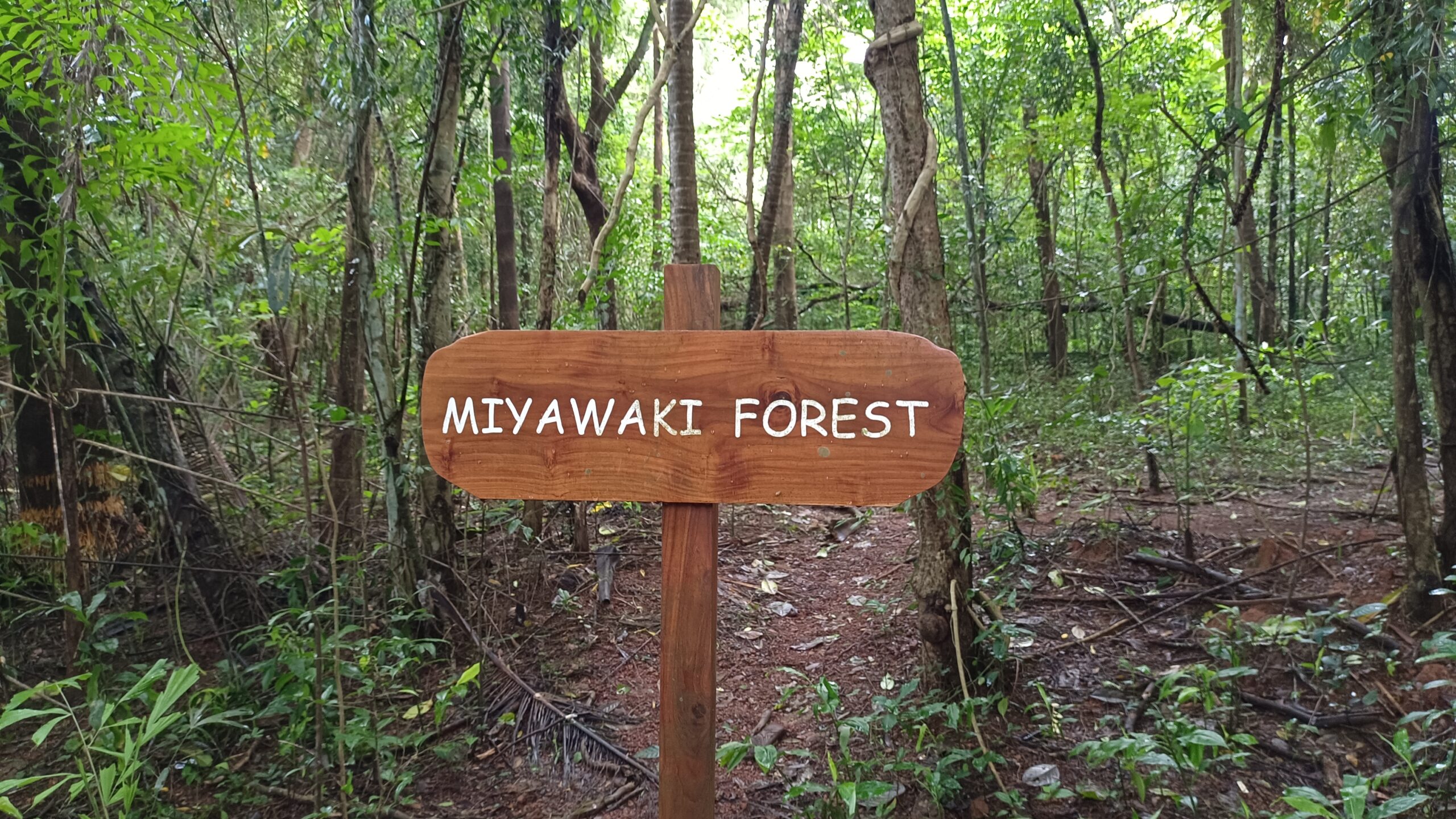
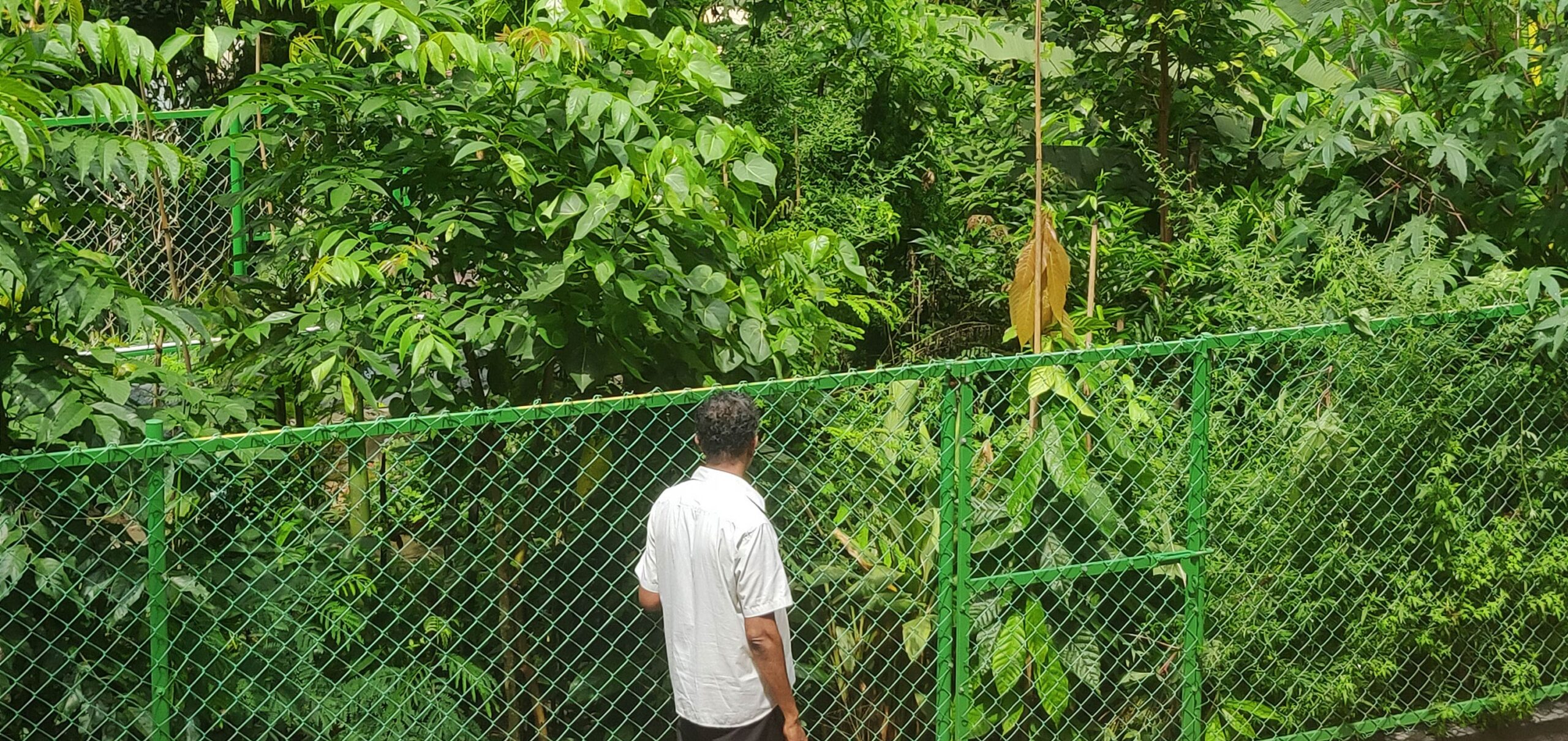
Raichur decided to actually get rid of one. Under Swachh Bharat Mission-Urban 2.0, the city undertook scientific legacy waste management and remediation at Yakalaspura, and the numbers involved are large enough to be worth pausing on: 62,252 metric tonnes of legacy waste processed, and nearly 22 acres of urban land reclaimed so far. On a chunk of that reclaimed land — 5 to 7 acres — the city is now growing a dense, fast-establishing Miyawaki forest, with 60,000 saplings already in the ground.
What Scientific Legacy Waste Remediation Actually Involves
“Legacy waste” is the technical term for what most people would just call an old, unmanaged garbage dump — years or decades of mixed municipal waste that was never properly segregated, capped, or processed, and that continues generating environmental hazards long after it stopped being actively used. Remediating it isn’t a matter of just planting trees over the top; it requires excavating, screening and processing the waste itself — separating recoverable materials, treating what’s left, and only then reclaiming the underlying land for a new use.
This is a bigger national challenge than any single city’s dumpsite suggests. Reports from the Ministry of Housing & Urban Affairs and independent audits have repeatedly flagged that Indian cities are sitting on an enormous backlog of legacy waste — some estimates put the national figure in the hundreds of millions of tonnes across thousands of dumpsites, a legacy of decades of urban growth that outpaced waste infrastructure. SBM-U 2.0 has made bioremediation and dumpsite reclamation one of its central pillars precisely because these sites represent both an environmental liability and, once cleared, genuinely valuable urban land.
Why Miyawaki, Specifically
The plantation method Raichur chose for the reclaimed land isn’t incidental. The Miyawaki technique — developed by Japanese botanist Akira Miyawaki in the 1970s — involves planting dense clusters of native species close together, which pushes the young forest to compete for light and grow upward faster than conventional plantations. A Miyawaki forest can reach a self-sustaining, densely canopied state in two to three years, against the two to three decades a traditional plantation typically takes, and the resulting density tends to sequester carbon and support biodiversity at a rate well above sparser plantings.
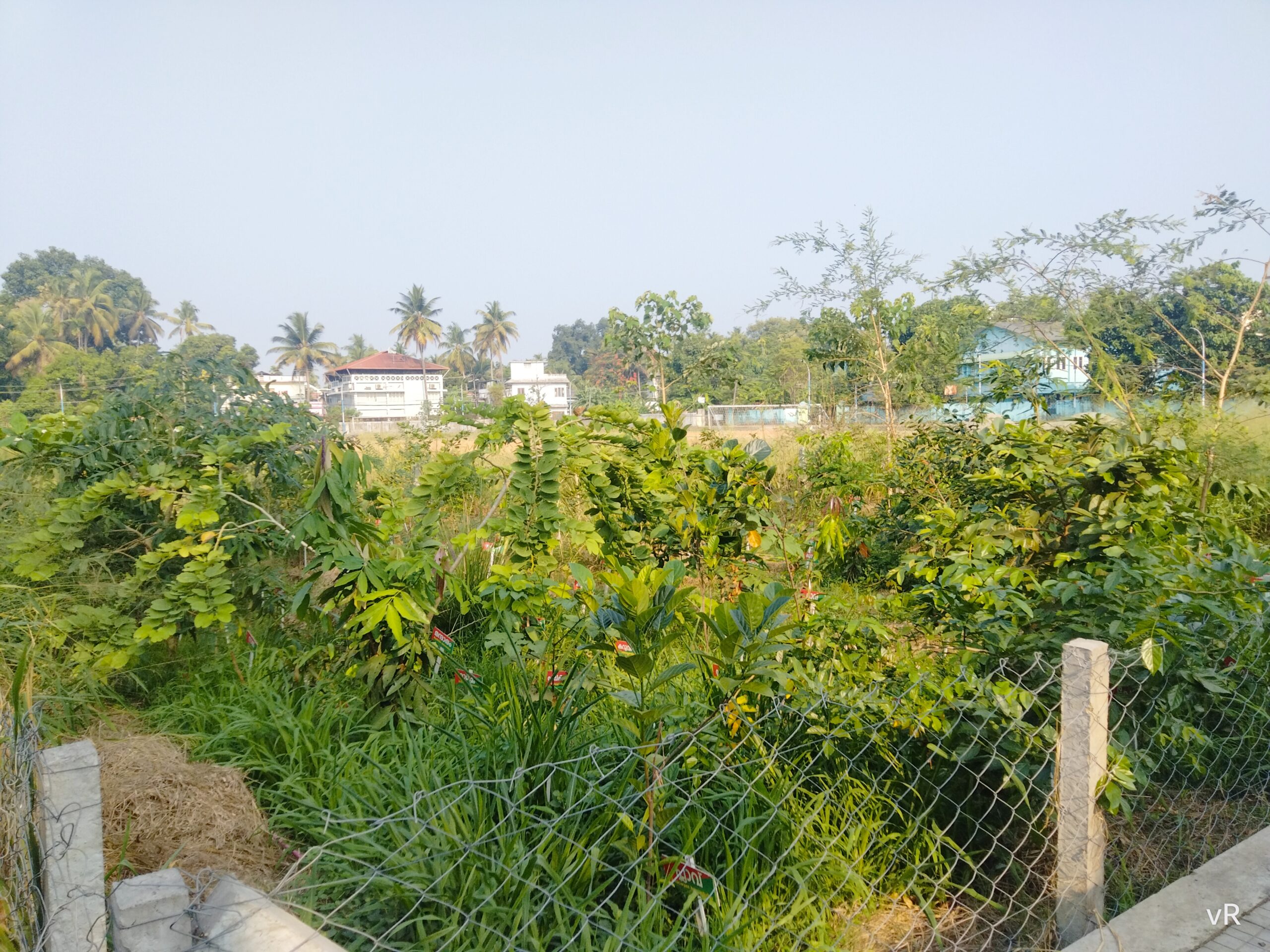
That speed matters on a former dumpsite for a very practical reason: reclaimed land sitting empty is land at risk of being encroached, misused, or simply left as bare, eroding soil. A fast-establishing forest converts a liability into a stable green asset within a couple of growing seasons rather than a generation. Raichur’s planting includes bamboo alongside native species — bamboo’s rapid growth and extensive root system make it particularly effective for soil restoration on disturbed land like a former dumpsite, on top of its own carbon-sequestration value.
The project was carried out in partnership with two public-sector institutions not usually associated with urban greening — Security Printing and Minting Corporation of India Limited (SPMCIL) and NewSpace India Limited (NSIL) — reflecting a pattern seen elsewhere in India’s afforestation push, where CSR and public-institution partnerships increasingly fund and co-manage restoration work that municipal budgets alone can’t stretch to cover.
A Replicable Model, If Cities Choose to Copy It
The Raichur project was formally inaugurated on World Environment Day, 5 June 2026, by Union Finance Minister Nirmala Sitharaman — a symbolic timing choice that also signals the scale of political attention riding on dumpsite remediation as a visible, photogenic proof point for SBM-U 2.0’s second phase.
What makes Yakalaspura worth watching isn’t the scale on its own — 22 acres is modest against the size of India’s legacy-waste problem — but the model it represents: waste remediation and afforestation treated as a single connected project rather than two separate line items. Cities across India are sitting on their own versions of Yakalaspura right now. Whether Raichur’s approach gets replicated at the pace the problem demands is really a question of municipal budgets and political will — but the technical playbook, at least, now has a working example behind it.
Source: Press Information Bureau, Government of India — Waste to Woods: Raichur Reclaims 22 Acres with Miyawaki Transformation