

For two days in New Delhi, delegations from Brazil, Russia, China, South Africa, Egypt, Ethiopia, Indonesia, Iran, the UAE and India sat down to answer a question every country in the bloc is quietly wrestling with: how do you keep growing without burning through the ecological room you have left?
The 12th BRICS Environment Ministers’ Meeting, held on 17–18 August 2026 under India’s BRICS Chairship, wasn’t a photo-op. It closed with the consensual adoption of a Joint Ministerial Statement built around four concrete outcome documents, plus four separate Knowledge Compendiums compiling what member countries have actually learned from doing this work on the ground. Union Environment Minister Bhupender Yadav, who chaired the meeting, framed India’s chairship around a simple idea: “Building Resilience and Innovation for Cooperation and Sustainability” — BRICS, in other words, spelled out.
What BRICS Nations Actually Signed Up For
Strip away the summit language and the Joint Ministerial Statement comes down to four things:
- A knowledge-sharing network on sustainable lifestyles — a formal Terms of Reference for a Network of BRICS Institutions to advance research and innovation in how people actually live sustainably, not just how governments regulate them.
- Shared principles for landscape management — a joint framework for combating desertification and land degradation, an issue that touches everything from Sahelian agriculture in Ethiopia to groundwater stress across India’s own drylands.
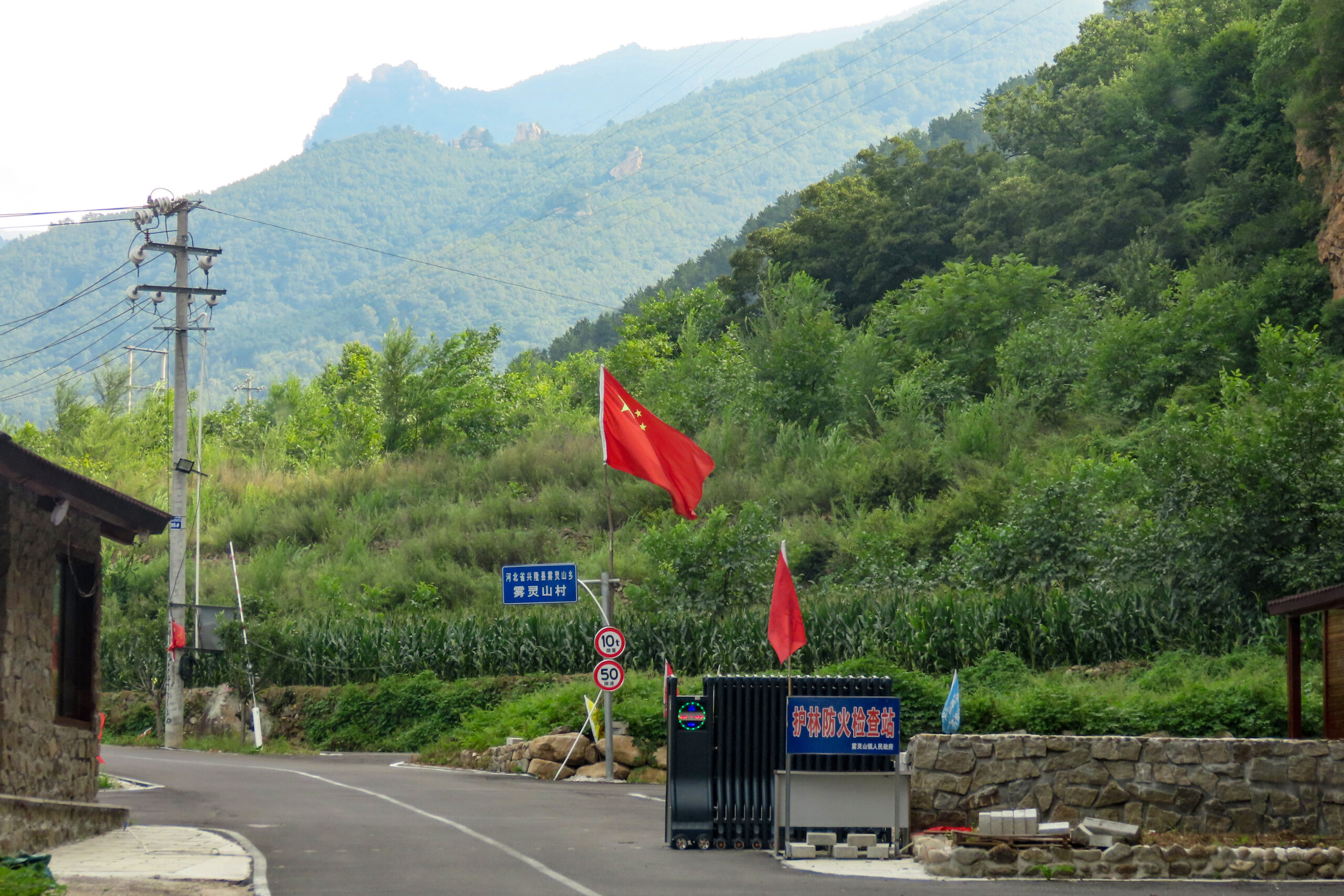
- A common approach to forest fire preparedness — arguably the most immediately useful outcome, given how badly wildfire seasons have scaled up across Brazil’s Amazon frontier, Russia’s boreal forests, and India’s own Uttarakhand and Nagaland hillsides in recent years.
- Principles for community-based climate adaptation — explicitly built around traditional and indigenous knowledge rather than treating it as an afterthought to “modern science,” a framing India pushed hard for.
Alongside the statement, the bloc also launched four Knowledge Compendiums — practical, case-study-driven documents rather than diplomatic text. One catalogues sustainable-lifestyle programmes across all eight BRICS countries, with India’s contributions built around Mission LiFE, its Environment Education Programme, and the SAMBHAV citizen-engagement campaign. Another compiles wildfire management practices, from early-warning systems to community-led prevention.
A third Compendium focuses on integrated landscape restoration. The fourth — perhaps most relevant to India’s own upcoming Extended Producer Responsibility (EPR) reforms — documents circular economy and EPR frameworks across the bloc, including digital traceability systems and recycling certification models.
Why the “People-Centric” Framing Matters
Multilateral environment summits have a well-earned reputation for producing declarations that read beautifully and change almost nothing on the ground. Yadav’s repeated emphasis on “implementation-oriented” action — and his call to “convert cooperation into capability” through actual technology transfer and institutional partnerships rather than just joint statements — is at least an acknowledgment of that gap.
It also matters because BRICS collectively represents roughly 40% of the world’s population and a similarly outsized share of both emissions and climate vulnerability. When these ten countries agree on shared wildfire protocols or a common circular-economy vocabulary, it’s not a symbolic gesture — it’s groundwork for the kind of technical standard-setting that eventually filters into how individual countries write their own regulations. India’s own draft EPR expansion and its National Action Plan on Forest Fires both stand to draw directly on the compendiums launched this week.
The meeting also placed India’s four BRICS Chairship 2026 priorities on record: sustainable lifestyles, afforestation and forest-fire resilience, circular economy, and adaptation and sustainable development. Those four threads have run through India’s domestic policy all year — from the Ek Ped Maa Ke Naam plantation drive to the GOBARdhan biogas scheme to state-level EPR enforcement — and this meeting is effectively India exporting that domestic policy template to the rest of the bloc as a shared multilateral framework.
Whether any of this survives contact with national budgets and competing priorities over the next year remains to be seen. But four signed outcome documents and four compendiums of transferable, working practices is a considerably more concrete outcome than most environment summits manage — and worth watching as these frameworks start showing up in individual countries’ own policy language over the coming months. For more on how India’s environmental diplomacy connects to domestic land-restoration policy, see our earlier coverage of India’s first Guide to Grasslands and Other Open Natural Ecosystems, launched at UNCCD COP17.
Source: Press Information Bureau, Government of India — India calls for People-Centric, Implementation-Oriented Environmental Action at 12th BRICS Environment Ministers’ Meeting
Read more India sustainability news on Prakati.