
Walk into any clothing store today and you will likely spot a “100% organic cotton” label somewhere on the rack. But what does that actually mean, and is it worth paying more for? As sustainable fashion moves from niche to mainstream in India, understanding organic cotton clothing — how it is grown, what certifications actually guarantee, and how to buy it without falling for greenwashing — has become genuinely useful knowledge for any conscious shopper.
What Is Organic Cotton Clothing?
Organic cotton clothing is made from cotton fibre grown without synthetic pesticides, herbicides, or chemical fertilisers, and without genetically modified seeds. Farmers instead rely on crop rotation, natural pest control, and compost to keep the soil healthy. This isn’t just a farming preference — it changes the entire footprint of the garment that eventually reaches your wardrobe.
Conventional cotton is one of the most chemically intensive crops grown anywhere in the world, even though it occupies a relatively small share of global farmland. Organic cotton farming breaks that cycle at the source, which is why the “organic” claim on a garment tag traces back to a field, not just a factory.
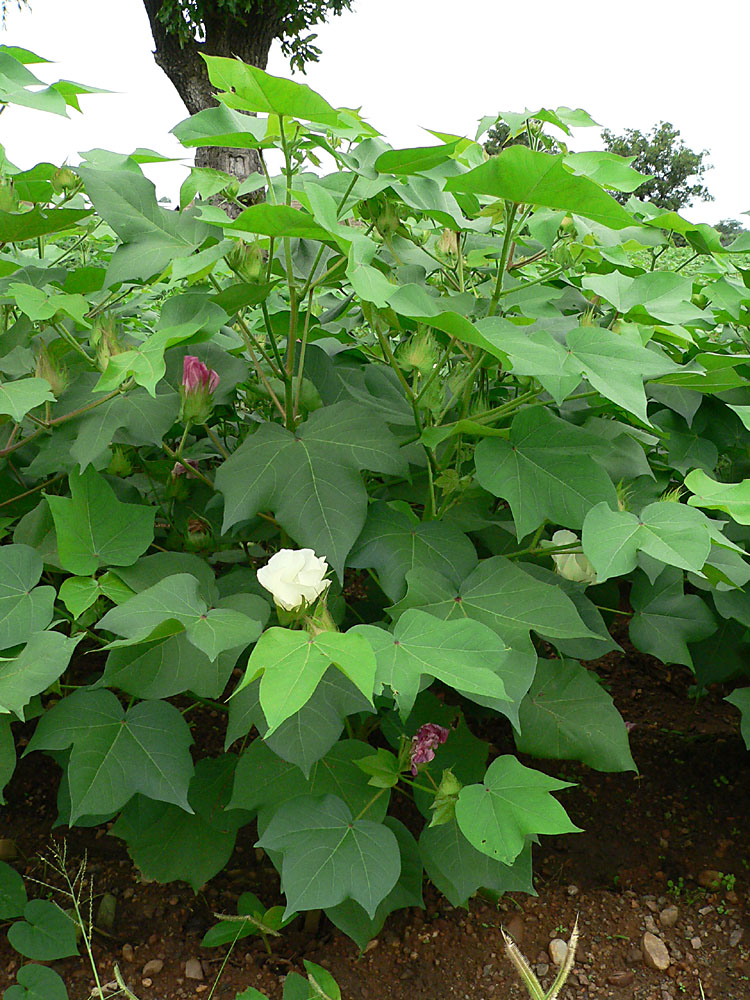
Organic cotton also tends to use significantly less water than conventional cotton, largely because organic farming builds healthier, more water-retentive soil and typically relies on rain-fed rather than heavily irrigated systems. For India, where cotton cultivation is deeply tied to farmer livelihoods and water-stressed regions like Maharashtra and Gujarat, this difference matters at a national scale, not just a wardrobe scale.
Why Choose Organic Cotton Over Conventional Cotton?
The case for organic cotton clothing rests on a few concrete benefits that go beyond a feel-good label:
- Lower chemical exposure — no synthetic pesticide residue means less chemical contact for your skin, especially relevant for baby clothing, innerwear, and bedding.
- Better for farmers and farm workers — organic cultivation removes routine exposure to hazardous agrochemicals during spraying and harvest.
- Healthier soil and waterways — no chemical runoff into groundwater or nearby rivers, and crop rotation keeps soil fertile for longer.
- Often softer, more durable fibre — organic cotton is typically hand-picked, which keeps fibres intact and undamaged compared to machine harvesting.
- No GMO seeds — organic standards prohibit genetically modified cotton varieties.
None of this means organic cotton is automatically “sustainable” in every sense — it still uses land and water, and a garment’s true footprint depends on dyeing, finishing, and how long you actually wear it. But relative to conventional cotton, it is a meaningfully lower-impact starting material.
How to Tell If Organic Cotton Clothing Is Genuine: Certifications That Matter
“Organic” is not a legally protected word on every garment tag in every market, which is exactly why greenwashing is common in this category. The only reliable way to verify a claim is to look for a recognised third-party certification, not just marketing copy.
The Global Organic Textile Standard (GOTS) is the most widely recognised certification worldwide. It verifies organic status all the way from the farm through spinning, weaving, dyeing, and stitching, and also sets minimum social criteria for workers along the supply chain. If a brand claims “organic cotton” but cannot show a valid GOTS certificate (or an equivalent like OCS — Organic Content Standard), treat the claim with caution.
In India specifically, cotton farms are also increasingly registered under national organic frameworks alongside international certifications, which adds a layer of traceability back to the farm-gate level. Look for the certification logo and a lot/batch number on the label — genuine certified brands are usually happy to share this.
Organic Cotton vs. “Natural” or “Eco-Friendly” Cotton
A common point of confusion: “natural fibre,” “eco cotton,” and “sustainable cotton” are marketing terms with no fixed certification requirement behind them, unlike “organic cotton,” which has a defined agricultural standard. Cotton is always a natural fibre by definition — that alone tells you nothing about how it was grown. When a label uses vague sustainability language without a certification mark, it’s worth asking the brand directly what standard, if any, backs the claim.
How to Buy Organic Cotton Clothing in India
A few practical checks make it much easier to shop for organic cotton clothing with confidence:
- Check for a certification mark — GOTS or OCS logos, ideally with a verifiable licence number on the brand’s website.
- Read the fibre composition, not just the marketing copy — “organic cotton blend” can mean anything from 5% to 95% organic content; the actual percentage should be listed.
- Ask about dyes and finishing — genuinely organic-minded brands typically also use low-impact or azo-free dyes, since the growing method alone doesn’t cover the finishing process.
- Prioritise durability over price — organic cotton garments are usually priced higher because of costlier farming and smaller-scale supply chains; a well-made piece that lasts years is a better sustainability outcome than several cheap replacements.
- Support small and homegrown organic clothing brands — many Indian labels now work directly with organic cotton farmer collectives, shortening the supply chain and improving farmer income.
Beyond the garment itself, organic cotton also shows up in bedding, towels, and baby wear — categories where the case for choosing certified organic fibre is arguably even stronger, given how much time skin spends in direct contact with the fabric. If you’re building out a full wardrobe or home textile switch, it’s worth starting with the categories you use daily rather than trying to replace everything at once.
Caring for Organic Cotton Clothing
Organic cotton garments generally respond best to simple care: wash in cold or lukewarm water, avoid harsh chemical detergents and bleach, and air-dry rather than machine-dry when possible. This isn’t unique to organic cotton, but since one of the points of buying organic is durability and longevity, pairing it with gentle laundering extends the life of the garment and keeps its footprint advantage intact over years of wear rather than a single wash cycle.
Frequently Asked Questions
Is organic cotton clothing more expensive than regular cotton?
Usually yes, because organic farming yields less per acre and requires more labour-intensive practices like hand-weeding and hand-picking. The price difference reflects real costs in the supply chain rather than pure markup, and it often comes with better durability.
Does organic cotton clothing feel different from regular cotton?
Many people find organic cotton softer, since hand-picking avoids the fibre damage that mechanical harvesting can cause. The feel also depends heavily on the weave and finishing, not just the growing method.
Is GOTS the only certification I should look for?
GOTS is the most comprehensive and widely trusted standard, but OCS (Organic Content Standard) is also a legitimate, narrower certification that verifies organic fibre content specifically. Either is a meaningfully better signal than an uncertified “organic” claim.
Can organic cotton clothing be recycled?
Yes — organic cotton is a natural fibre and can be recycled or composted at end of life in the same ways as conventional cotton, provided it isn’t blended with synthetic fibres like polyester.
Choosing organic cotton clothing is one of the simplest swaps in a sustainable wardrobe — it doesn’t require giving anything up, only a slightly closer look at the label. Explore more on organic clothing and the wider world of sustainable fashion on Prakati, or browse our changemakers directory for Indian brands building their entire business around organic and low-impact fabrics.