
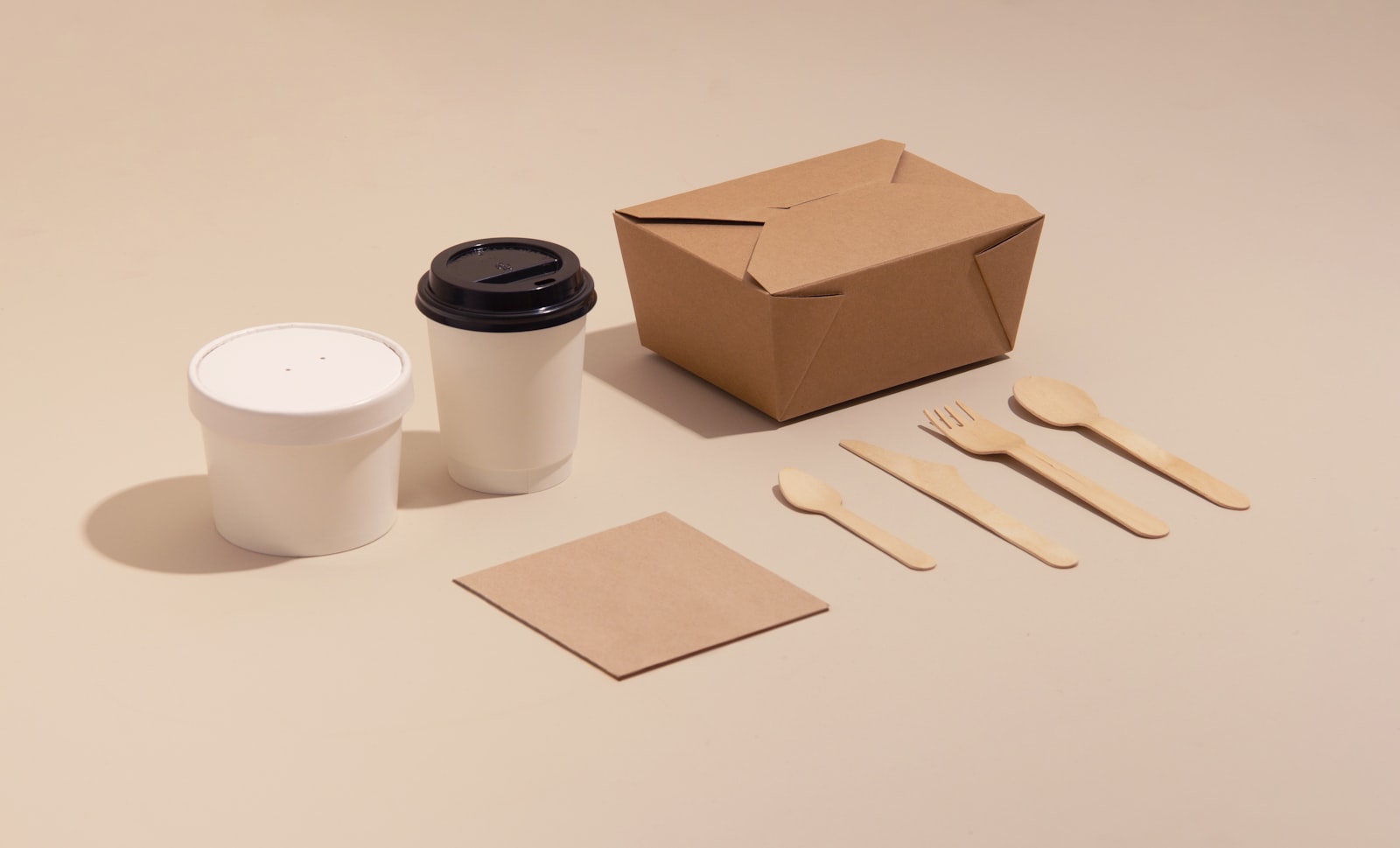
Pick up almost anything in an Indian shop today — snacks, cosmetics, an online order — and you will find it wrapped in more plastic than the product itself needs. India generated over 4 million tonnes of plastic waste in a single recent year, and packaging is one of the largest contributors. Sustainable packaging is the industry’s answer: materials and designs that protect a product without leaving behind waste that outlives it by centuries. This guide explains what sustainable packaging actually means, the main types available in India today, and how to tell genuine eco-friendly packaging from greenwashing.
What Is Sustainable Packaging?
Sustainable packaging is packaging designed to minimise environmental impact across its entire life cycle — from the raw material it is made of, through manufacturing and transport, to what happens after a customer is done with it. A package qualifies as sustainable when it does at least one of the following: breaks down naturally without leaving toxic residue (biodegradable or compostable), can be reused multiple times before disposal, or can be recycled back into new material through existing recycling infrastructure.
It is worth being precise about the difference between three terms that are often used interchangeably but mean different things. Biodegradable means a material will eventually break down through natural processes, but without a defined timeframe — some “biodegradable” plastics take years. Compostable is a stricter, certifiable standard: the material breaks down into non-toxic components within a set period (typically 90–180 days) under composting conditions, leaving no microplastic residue. Recyclable means the material can be mechanically or chemically processed back into raw material for new products, provided the right collection and processing systems exist locally.
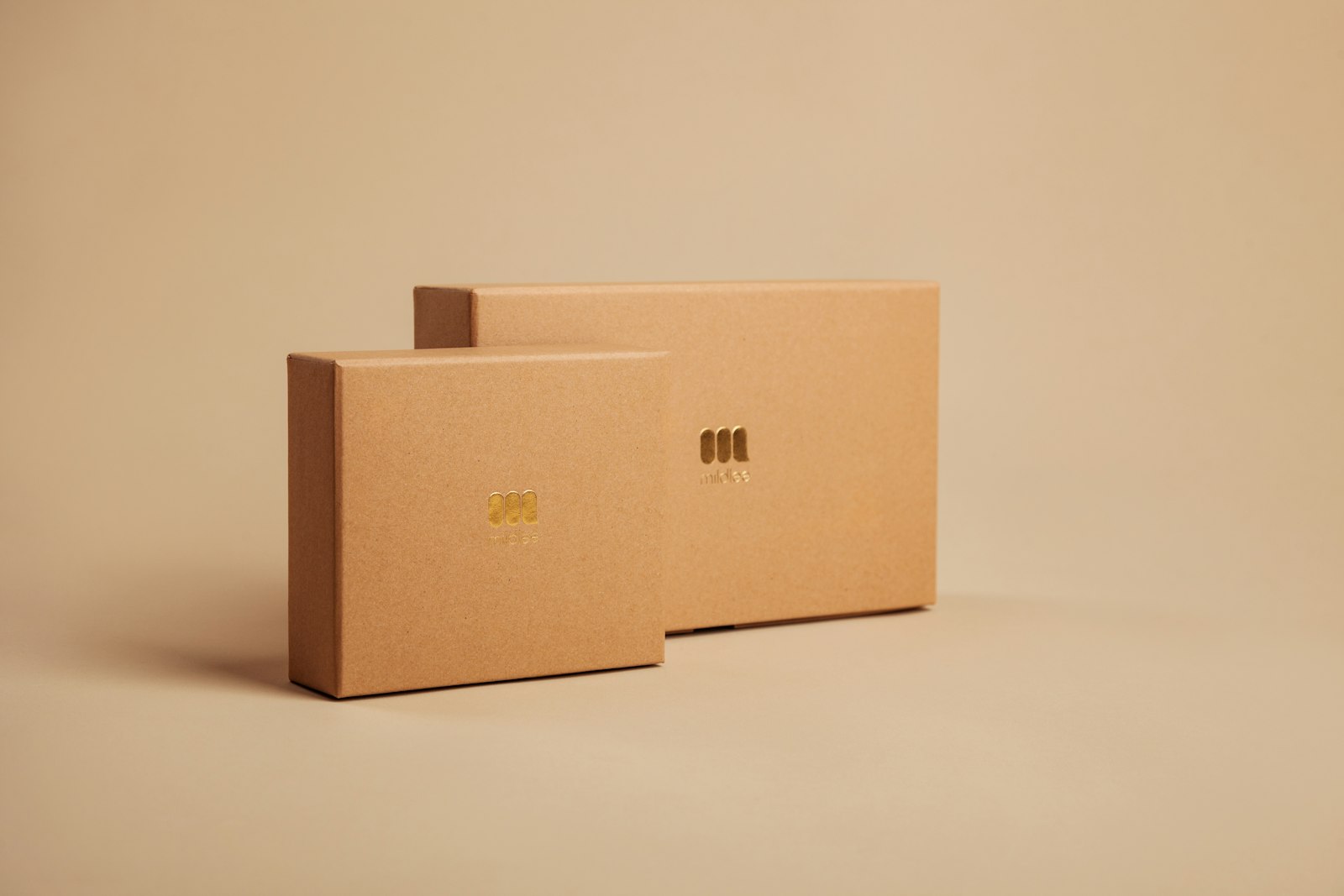
Under India’s Plastic Waste Management Rules, compostable plastics must carry Central Pollution Control Board (CPCB) certification before they can legally be marketed as “compostable” — a useful check for consumers who want to verify a claim rather than take a package’s word for it.
Why Sustainable Packaging Matters
- Plastic waste is a real, visible problem in India — much of it single-use packaging that is used for minutes and persists in landfills or waterways for decades.
- Regulation is tightening. India’s ban on identified single-use plastic items and Extended Producer Responsibility (EPR) rules now require brands to take financial and operational responsibility for the packaging they put into the market.
- Consumers are asking questions. Shoppers increasingly check packaging materials before buying, and brands that can’t answer honestly lose trust — and sales.
- It is usually cheaper over time. Lightweighting (using less material per pack) and reusable packaging reduce material costs even though the upfront switch can cost more.
Types of Sustainable Packaging Materials
1. Paper and Cardboard
The most widely available and easily recycled sustainable packaging option in India. Corrugated cardboard boxes, kraft paper bags, and moulded pulp trays (used for eggs and electronics) are made from renewable fibre and are recyclable through mainstream municipal recycling. The main limitation is moisture resistance — untreated paper packaging doesn’t hold up well for liquids or very oily foods without an additional coating, which can complicate recyclability if that coating is plastic-based.
2. Bagasse and Plant-Fibre Packaging
Bagasse is the fibrous pulp left over after sugarcane is crushed for juice — a genuine waste-to-value material rather than a virgin crop grown specifically for packaging. It is moulded into plates, food containers, and clamshells that are naturally compostable, sturdy enough for hot food, and don’t require the plastic lining that paper often does. Indian brands like Ecoware have built an entire tableware category around this material.
3. Bioplastics (PLA and PHA)
Bioplastics look and behave like conventional plastic but are made from plant starches (usually corn or cassava) instead of petroleum. PLA (polylactic acid) is the most common type, used for clear food containers, cups, and cutlery. The important caveat: PLA is compostable only under industrial composting conditions with controlled heat and humidity — it will not break down meaningfully in a home compost bin or a landfill, so it needs proper collection infrastructure to deliver on its promise.
4. Mycelium (Mushroom) Packaging
An emerging material grown from fungal roots (mycelium) combined with agricultural waste like husk or straw. It is moulded into shapes that rival polystyrene foam for cushioning fragile goods, then composts completely in weeks. Still a niche, higher-cost option in India, but gaining traction for premium electronics and appliance packaging.
5. Glass and Metal
Not biodegradable, but infinitely recyclable without quality loss — glass and aluminium can be melted down and reused indefinitely. They also support reuse models directly: glass jars and metal tins are commonly repurposed by households for storage long after the original product is gone, which is itself a form of sustainable packaging in practice.

Reusable packaging — cloth bags, refillable containers, and returnable crates — sidesteps the recycling question altogether by simply not becoming waste after one use, which is why many sustainability frameworks rank reuse above recycling in the waste hierarchy.
How to Choose Sustainable Packaging: A Quick Checklist
- Does the material match the product? Compostable packaging is only genuinely useful if the region has composting infrastructure to process it — otherwise it behaves like ordinary landfill waste.
- Is there third-party certification (CPCB compostability mark, FSC for paper/cardboard, or a recognised compostability logo) rather than just a self-declared “eco-friendly” label?
- Is the packaging sized appropriately for the product, or is it oversized “just in case” — using more material than needed?
- Could the packaging be reused before it needs to be recycled or composted?
- Is a single material used throughout, or are multiple bonded materials (like plastic-coated paper) making it harder to recycle?
Sustainable packaging is one part of a much bigger shift toward sustainable living — the same questions about material, waste, and end-of-life apply just as much to what we buy as to what it arrives in. If you’re building sustainable habits at home, our guide to composting kitchen waste at home is a natural next step, since compostable packaging and food waste often end up in the same bin. Brands working seriously on this problem are listed in our Sustainable Changemakers directory, including packaging-focused innovators building genuine alternatives to single-use plastic in India.
Frequently Asked Questions
Is sustainable packaging more expensive?
It can be, especially for newer materials like mycelium or certified bioplastics, which cost more per unit than conventional plastic today. But paper, cardboard, and bagasse packaging are often price-competitive with plastic at scale, and reusable packaging models can reduce long-term material costs significantly.
What is the most sustainable packaging material?
There is no single “most sustainable” material — it depends on the product, how far it needs to travel, and what happens to the packaging after use. As a general rule, reusable packaging beats recyclable packaging, which beats compostable packaging, which beats single-use plastic, but the right choice always depends on local waste infrastructure.
Can compostable packaging go in a normal dustbin?
Ideally not — compostable packaging needs to reach a composting facility (or a home compost setup for some materials) to break down as intended. Thrown into general landfill waste, it decomposes anaerobically and can release methane, losing much of its environmental advantage.