
Sometime before 31 July 2026, India’s electricity grid quietly crossed a threshold worth pausing on: more than half of the country’s installed power-generation capacity — 54% of it, to be precise — now comes from sources that don’t burn fossil fuels.
The Ministry of New and Renewable Energy confirmed the number on 9 August: 300.50 GW of non-fossil fuel-based installed capacity, against a national total of roughly 552 GW. That crosses 60% of the 500 GW non-fossil target Prime Minister Narendra Modi committed India to at COP26 in Glasgow back in 2021, with close to four years still left on the clock before the 2030 deadline.
What’s Actually in the 300 GW
The breakdown, as of 31 July 2026, looks like this:
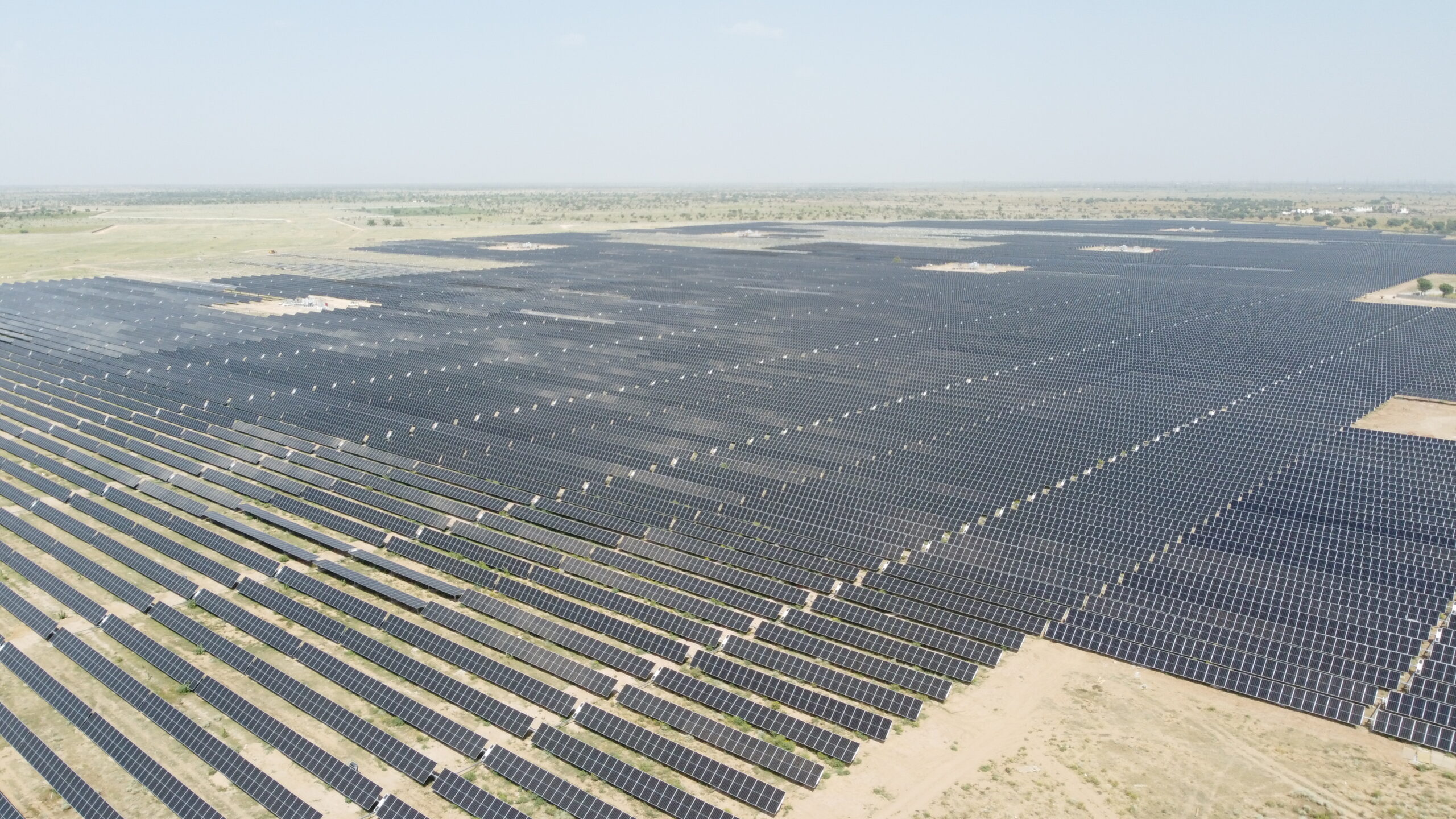
- Solar power: 164.59 GW
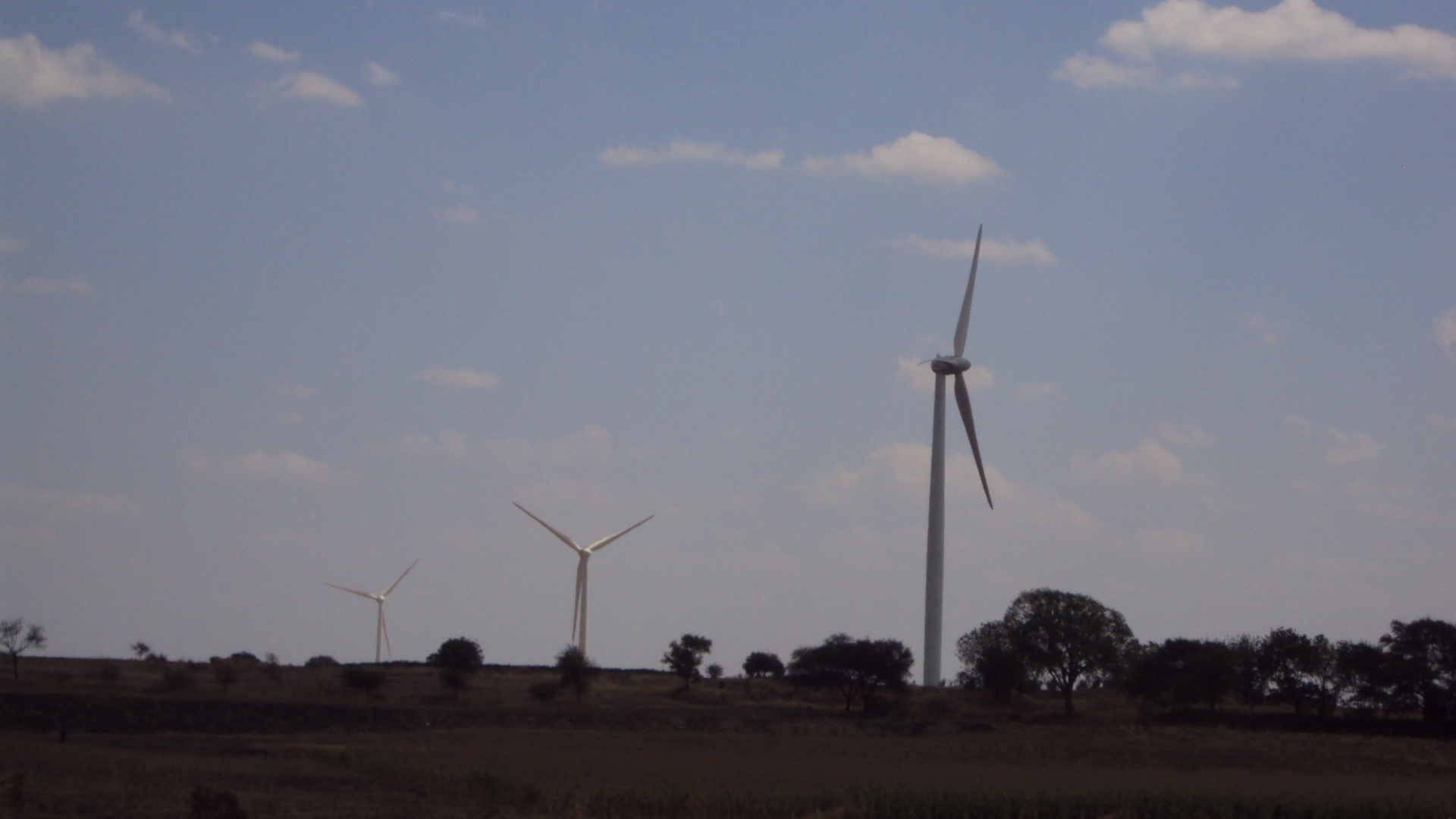
- Wind power: 58.14 GW
- Hydropower (large and small): 57.24 GW
- Bio-power: 11.75 GW
- Nuclear power: 8.78 GW
It’s worth being precise about what “non-fossil” means here, because it’s a broader category than “renewable energy” — the two get used almost interchangeably in casual coverage, but they’re not the same official statistic. Renewable capacity typically refers to solar, wind, hydro, and bio-power; the non-fossil figure folds in nuclear power as well, since nuclear doesn’t burn carbon-based fuel even though it isn’t classified as renewable. When India reported crossing 288.58 GW of renewable capacity back in July, that was the narrower number. This 300 GW figure is the broader one — and it’s the specific metric the country’s Paris Agreement climate pledge was actually written against.
The Shape of the Growth Curve
Solar remains the story within the story. From just 2.8 GW installed in 2014, solar capacity has grown to nearly 165 GW today — a roughly 58-fold increase in twelve years, and still the single largest contributor to the entire non-fossil total. Wind has grown more modestly but steadily, from 21 GW in 2014 to just over 58 GW now.
The pace, not just the scale, is what’s changed most in the last two years. During FY 2025-26 alone, India added a record 55.29 GW of non-fossil capacity — 44.6 GW of it solar, 6 GW wind — in a single financial year. For comparison, that one year’s solar addition alone is more than fifteen times India’s entire solar fleet as it stood in 2014. Total renewable electricity generation (as distinct from installed capacity) has climbed in step, from 190.96 billion units in 2014-15 to 477.79 billion units in 2025-26.
The Manufacturing Story Underneath the Numbers
What makes this expansion durable, rather than a spike propped up by imported equipment, is what’s happened to India’s domestic manufacturing base alongside it. Capacity enlisted under the Approved List of Models and Manufacturers (ALMM) for solar PV modules — the government’s domestic-sourcing certification list — has crossed 200 GW, up from just 2.3 GW in 2014. That’s the infrastructure that determines whether India’s next 200 GW of solar gets built with panels made at home or panels shipped in, and it’s been growing roughly in lockstep with installed capacity itself, largely on the back of the Production Linked Incentive scheme for high-efficiency solar manufacturing.
Why the Framing Matters
It’s tempting to read “300 GW” as just the latest number in a long series of milestone headlines — 100 GW solar, 250 GW non-fossil, now 300 GW — each one impressive in isolation and easy to lose track of in aggregate. But the trajectory matters more than any single figure on its own. India crossed 250 GW of non-fossil capacity in September 2025; getting from there to 300 GW took well under a year. If that pace holds, the remaining 200 GW needed to hit the 500 GW target by 2030 looks considerably less like a stretch goal and considerably more like a continuation of a trend already well underway.
The government is also explicit that this isn’t being treated purely as a climate obligation anymore. The PIB release frames the 300 GW milestone as central to “industrial competitiveness, energy independence, and economic resilience” — language that reflects a broader shift in how renewable energy gets discussed in Indian policy circles: less as a cost imposed by international climate commitments, and more as a domestic manufacturing and energy-security strategy that happens to also meet them. The Ministry has also flagged Green Hydrogen as the next frontier being built on top of this base, aiming to position India as a global hub for production and export of hydrogen and its derivatives under the National Green Hydrogen Mission.
Half the grid, four years ahead of a decade-long deadline — that’s not a small thing to have arrived at quietly on a Sunday in August. It’s also a reminder of how much of India’s broader green economy now rests on this base of clean power, from electric mobility to green hydrogen to schemes like GOBARdhan that plug directly into the same energy infrastructure.
Source: Press Information Bureau, Government of India — India Achieves Landmark 300 GW Non-Fossil Fuel Power Capacity.