
Somewhere inside a climate-controlled vault at the ICAR–National Bureau of Plant Genetic Resources in New Delhi sit roughly half a million samples of seed, tissue and germplasm — landraces of rice grown nowhere else, wild relatives of pulses that no longer show up in any farmer’s field, and varieties collected from villages that may not remember why that particular strain of millet mattered. This collection rarely makes headlines. But on July 29, a reconstituted national board met to decide what happens to it next — and the decisions on the table were less about the past than about what Indian agriculture will need to survive the next fifty years of a warming climate.
The National Advisory Board on Management of Genetic Resources (NABMGR), first set up in 2011 and freshly reconstituted this year, held its inaugural meeting under the chairmanship of Dr R.S. Paroda, with Dr M.L. Jat, Secretary of the Department of Agricultural Research and Education and Director General of ICAR, as co-chair. Around the table sat representatives from the National Biodiversity Authority, the Department of Biotechnology, the Ministry of Environment, Forest and Climate Change, the Botanical Survey of India, and the six ICAR National Bureaux that between them manage the country’s plant, animal, fish, microbial and insect genetic resources.
Why a seed bank is a climate strategy, not a museum
It’s tempting to think of genetic resource conservation as an archival exercise — safely tucking away biodiversity for its own sake. The Board’s discussion made clear it’s something closer to insurance. Dr Paroda’s opening remarks framed the country’s genetic diversity as “a national strategic asset that underpins long-term food and nutritional security, climate resilience and sustainable agricultural development” — and pushed for greater use of conserved germplasm, including wild relatives and wild species, in breeding programmes.
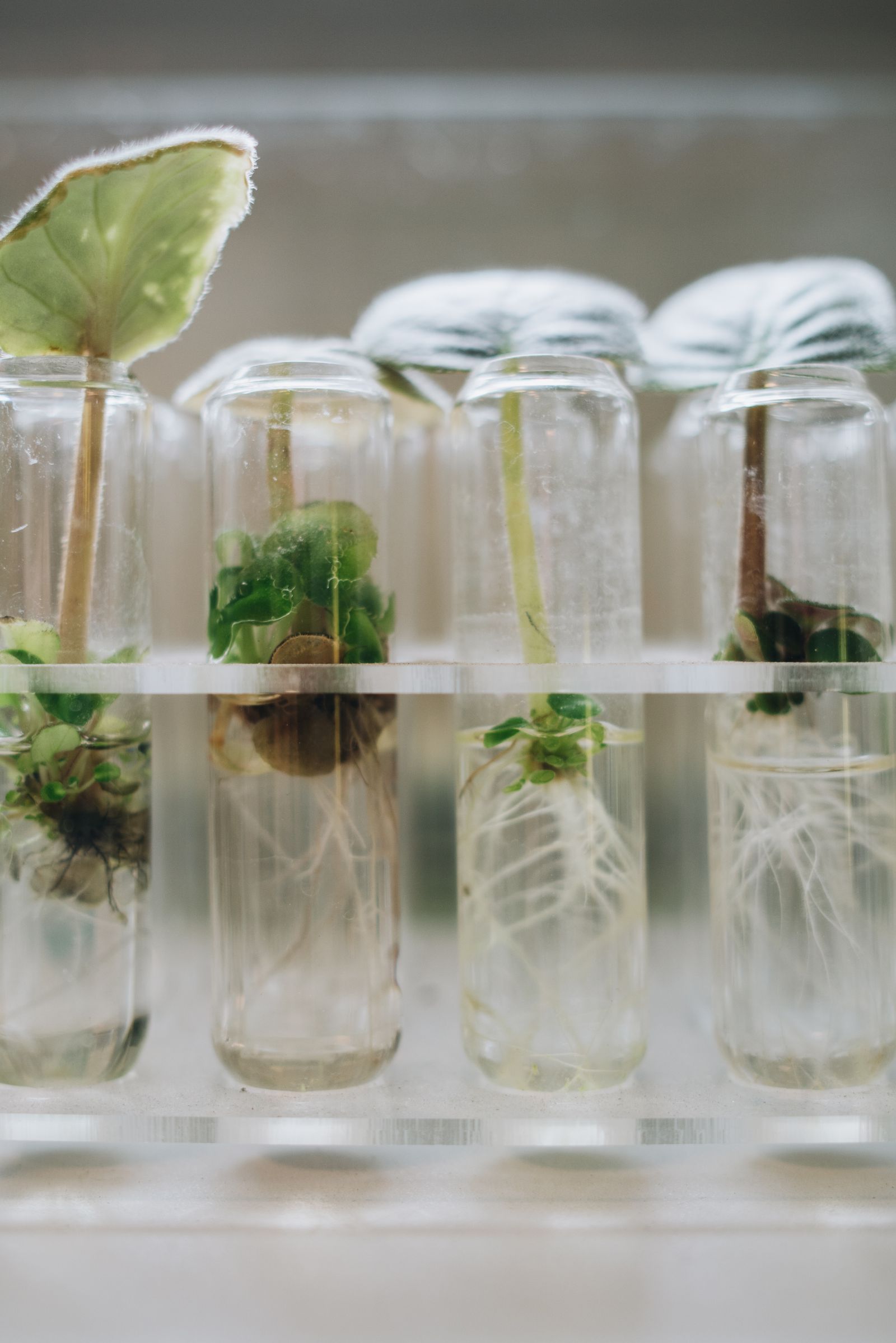
That distinction matters more than it sounds. A gene bank that simply stores seed is a backup. A gene bank whose wild relatives and landraces are actively pulled into breeding pipelines is a live tool for building the drought-tolerant wheat, flood-resistant rice, or heat-hardy pulse variety a changing climate will demand. India has done this before — pigeon pea hybrids bred using traits from wild relatives have shown yield gains of close to 50% in trials — but the Board’s push is for this to become systematic practice across every crop bureau, not a series of one-off research wins.
The gaps the Board is trying to close
Three concrete gaps emerged from the meeting. First, a legal one: India has had the Protection of Plant Varieties and Farmers’ Rights Act since 2001 to balance breeders’ and farmers’ rights over crop varieties, but no equivalent framework exists for animal and fish genetic resources. Dr Paroda specifically called for a parallel legal structure — something that would matter increasingly as livestock and fisheries breeding programmes lean more heavily on genetic banks the way crop breeding already does.
Second, a completion gap: the National Safety Genebank — a duplicate, disaster-resilient backup of India’s primary germplasm collection — has been under construction for years without a firm finish line. The Board set an informal target of completing it in time for ICAR’s centenary in 2028–29, giving India’s agricultural research establishment an actual deadline to work against rather than an open-ended aspiration. A country that stores its genetic backup in a single location is one earthquake, fire or infrastructure failure away from losing irreplaceable material — a second, geographically separate facility closes that single point of failure.
Third, an access gap: the Board reviewed how authority over agrobiodiversity is being delegated from the National Biodiversity Authority to ICAR under the Biological Diversity Act, 2002, and discussed how to strengthen Access and Benefit Sharing — the mechanism that’s supposed to ensure that when genetic material from a farmer’s field or a forest ends up contributing to a commercial variety, some value flows back to the community it came from.
Ten years of ambition, five years of a plan
This isn’t the Board’s first attempt at setting direction. In 2016, the first International Agrobiodiversity Congress in New Delhi — inaugurated by Prime Minister Narendra Modi — produced the Delhi Declaration on Agrobiodiversity, a set of commitments on conservation and sustainable use that this reconstituted Board was explicitly asked to revisit and measure progress against. A decade on, the meeting doubled as a stocktaking exercise: each of the six ICAR National Bureaux presented what it had achieved between 2021 and 2026, then laid out a fresh roadmap running to 2031, tied to the UN Sustainable Development Goals.
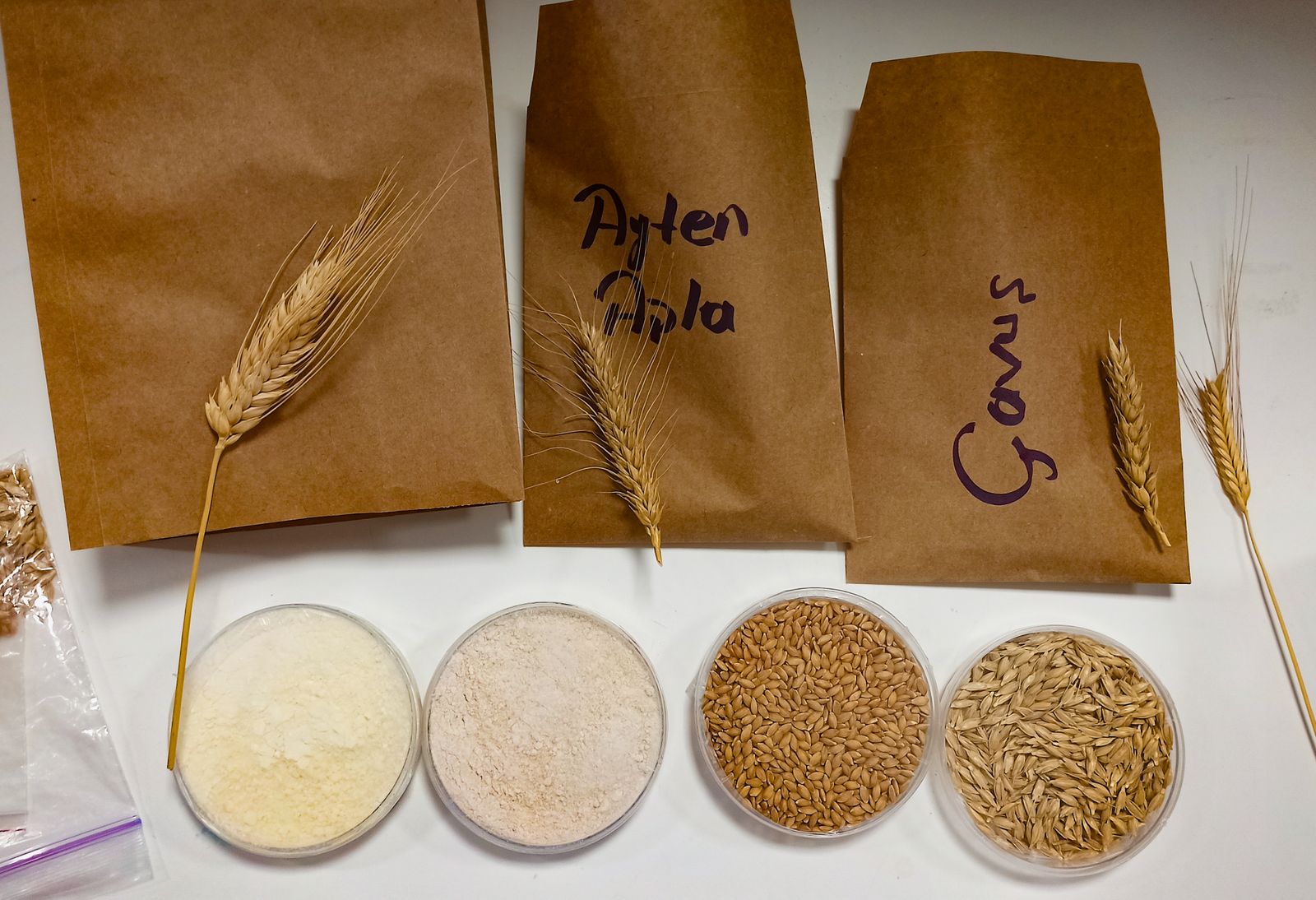
The Board also endorsed a push to mainstream what it called “traditional and underutilised” crop varieties, animal breeds, fish species, microorganisms and insects — an inter-institutional programme backed by Padma Shri farmer Sunda Ram Verma, whose presence at the table is itself a signal that this isn’t meant to be a purely scientific exercise conducted at a remove from the people who actually grow, herd and fish these species. It also flagged plans to deepen international exchange of genetic material with Central Asian and South-East Asian countries — for crops like cotton, rambutan, avocado and mangosteen, and livestock such as sheep — recognising that resilience often depends on genetic diversity that doesn’t exist within India’s own borders.
The unglamorous work underneath every climate-resilient harvest
None of this will produce a headline crop variety this year, or even this decade in most cases — genetic resource conservation and breeding operate on timelines measured in years of field trials, not news cycles. But every climate-resilient wheat variety India has released in the past decade, every drought-tolerant pulse, traces back to a germplasm collection like the one this Board is now trying to modernise, legally protect, and put to fuller use. It’s the kind of quiet institutional groundwork that rarely gets covered — and rarely gets the credit it deserves for the harvests that depend on it.
Source: Press Information Bureau, Government of India — “National Advisory Board on Management of Genetic Resources Charts Roadmap for Strengthening India’s Agrobiodiversity Conservation and Sustainable Utilization”, Ministry of Agriculture & Farmers Welfare / ICAR, 30 July 2026.