
More than 46% of India’s workforce depends on agriculture and allied activities for a living. Underneath all of it — every crop, every yield number, every rural income statistic — is a resource that rarely makes headlines: soil. This week, the government put out fresh numbers on just how much attention that resource has been getting, and they’re bigger than most people would expect.
According to a PIB backgrounder published on 24 July 2026, India’s Soil Health Card Scheme has now generated over 25.89 crore cards — a scale of soil testing that’s difficult to find a parallel for anywhere else in the world. Alongside it, the National Mission on Natural Farming has expanded to 18,786 clusters, covering 8.80 lakh hectares of farmland.
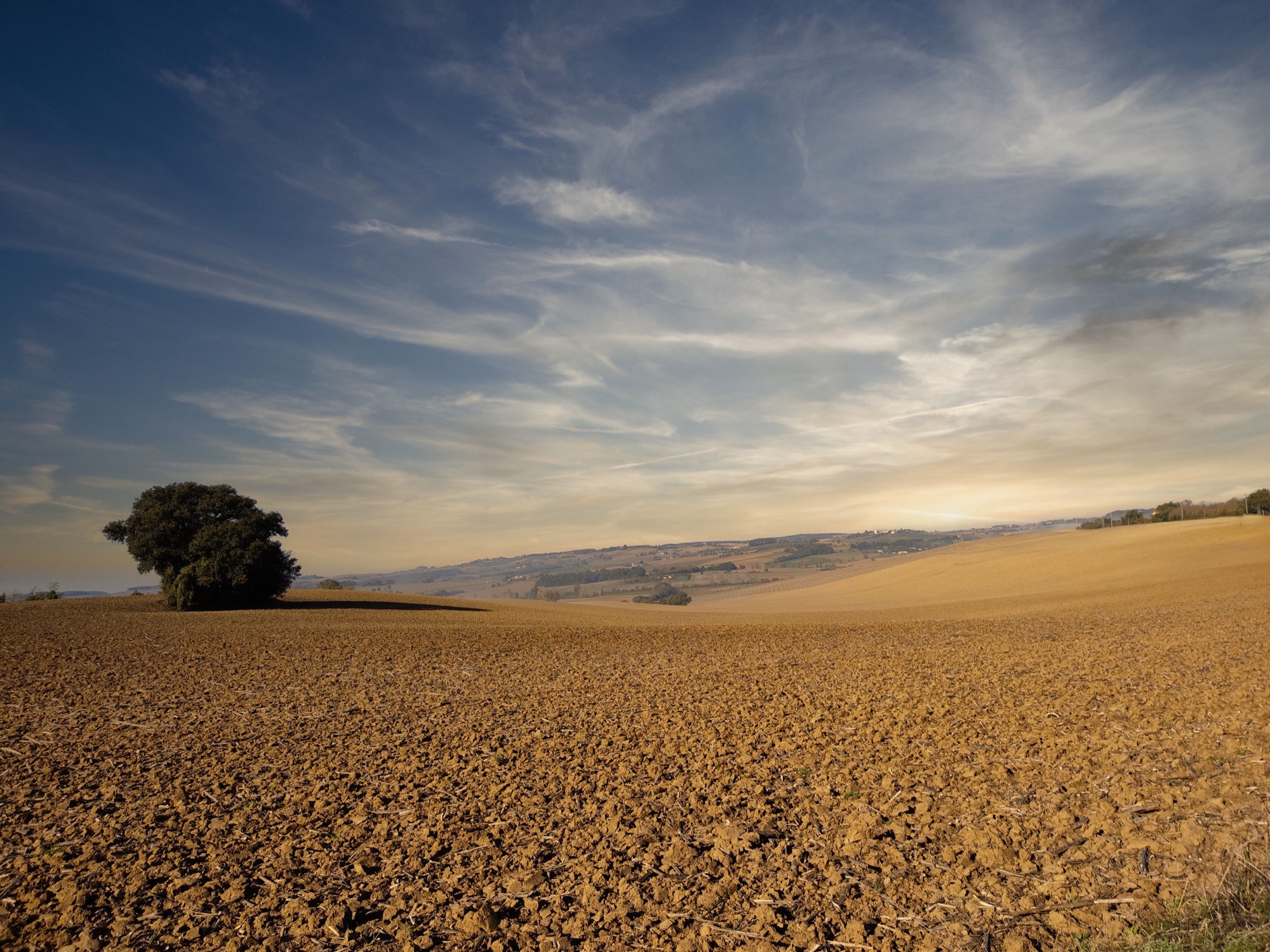
A Soil Health Card is exactly what it sounds like: a report, issued to an individual farmer, detailing the nutrient status of their specific plot of land — nitrogen, phosphorus, potassium, and other micronutrients, along with recommendations on how much fertiliser to actually apply, and of what kind. It sounds like a small, administrative thing. In practice, it directly targets one of Indian agriculture’s most persistent and costly problems: decades of farmers over-applying nitrogen-heavy fertilisers by habit, degrading soil quality over time and spending more on inputs than their land actually needs.
What a Soil Health Card Actually Does
The scale here is what makes the number meaningful. Nearly 59% of India’s 306.65 million hectares of reported land area is under agriculture, according to Land Use Statistics for 2022-23. Testing the soil under a meaningful share of that — and getting the resulting nutrient recommendations back into the hands of the farmers actually working that land — is a logistics and outreach challenge on a scale most agricultural extension systems worldwide simply aren’t built to handle. To support it, the scheme has trained community-level “Krishi Sakhis” — grassroots agricultural resource persons — with over 70,000 trained so far to help disseminate soil advisories directly at the village level, alongside close to 7.17 lakh field demonstrations promoting balanced fertiliser use.
From Testing Soil to Changing How Farming Works
Soil testing on its own only tells farmers what’s wrong. The other half of the government’s push — the National Mission on Natural Farming — is aimed at changing how farming is done in the first place, so that soil degradation slows down rather than continuing indefinitely.
Natural farming, as defined under the Mission, is chemical-free agriculture built around livestock integration and diversified cropping systems rooted in traditional Indian agricultural knowledge — an approach that treats soil health, water, plant life, and the surrounding ecosystem as interdependent rather than as inputs to be separately optimised. The Mission has grown to 8.80 lakh hectares across 18,786 clusters since the Cabinet approved it as a centrally sponsored scheme in November 2024, supported by a network of 527 Krishi Vigyan Kendras, 76 agricultural universities, and 194 Local Natural Farming Institutes providing training and technical backup at the cluster level.
State-wise adoption so far shows a genuinely national spread rather than a few isolated pilot pockets — Andhra Pradesh alone accounts for over 4.25 lakh hectares across more than 5,000 clusters and 6.5 lakh enrolled farmers, with Madhya Pradesh, Rajasthan, Uttar Pradesh, Karnataka, and Maharashtra each contributing tens of thousands of hectares and farmers of their own.
Why This Connects Directly to Climate Resilience
It’s tempting to file soil health under routine agricultural administration and move on. But the backgrounder is explicit about the stakes: soil security is framed as directly tied to two of the UN Sustainable Development Goals — zero hunger (SDG 2) and climate action (SDG 13) — and for good reason. Healthy, well-managed soil retains water better, buffers crops against erratic rainfall, sequesters more carbon, and reduces farmers’ dependence on the synthetic fertilisers whose production is itself a meaningful source of greenhouse gas emissions.
Chemical-intensive farming, left unchecked, degrades exactly the resource it depends on — depleting soil organic matter, disrupting the microbial life that keeps soil fertile, and making farms progressively more vulnerable to the very climate shocks, like erratic monsoons and heat stress, that are becoming more frequent. Natural farming and precision nutrient management, taken together, are a direct response to that feedback loop: less input-dependent farming that’s also more resilient to the conditions climate change is creating.
Public outreach campaigns like Khet Bachao Abhiyan (“Save the Farm”) are the visible, citizen-facing layer sitting on top of all this data collection — the piece meant to turn soil test results and mission targets into actual behaviour change among the millions of individual farmers whose day-to-day decisions determine whether any of this works at scale.
The Honest Caveat
25.89 crore soil health cards issued is not the same as 25.89 crore farmers who’ve changed their fertiliser habits as a result, and 8.80 lakh hectares under natural farming — while a genuine and growing number — is still a small fraction of India’s roughly 180 million hectares of net sown area. Converting soil data into changed farming practice, and scaling natural farming from early clusters to mainstream adoption, are both slower and harder than issuing the cards or forming the clusters in the first place.
But the scale of the underlying data infrastructure — a functioning system that can test soil, generate individualised recommendations, and reach farmers at the village level across the length and breadth of the country — is itself the hard part of any long-term shift toward more sustainable farming. Everything that comes next, from wider natural farming adoption to smarter fertiliser policy, depends on that foundation already being in place.
Source: Press Information Bureau, Government of India — Saving Soil, Securing Farms