
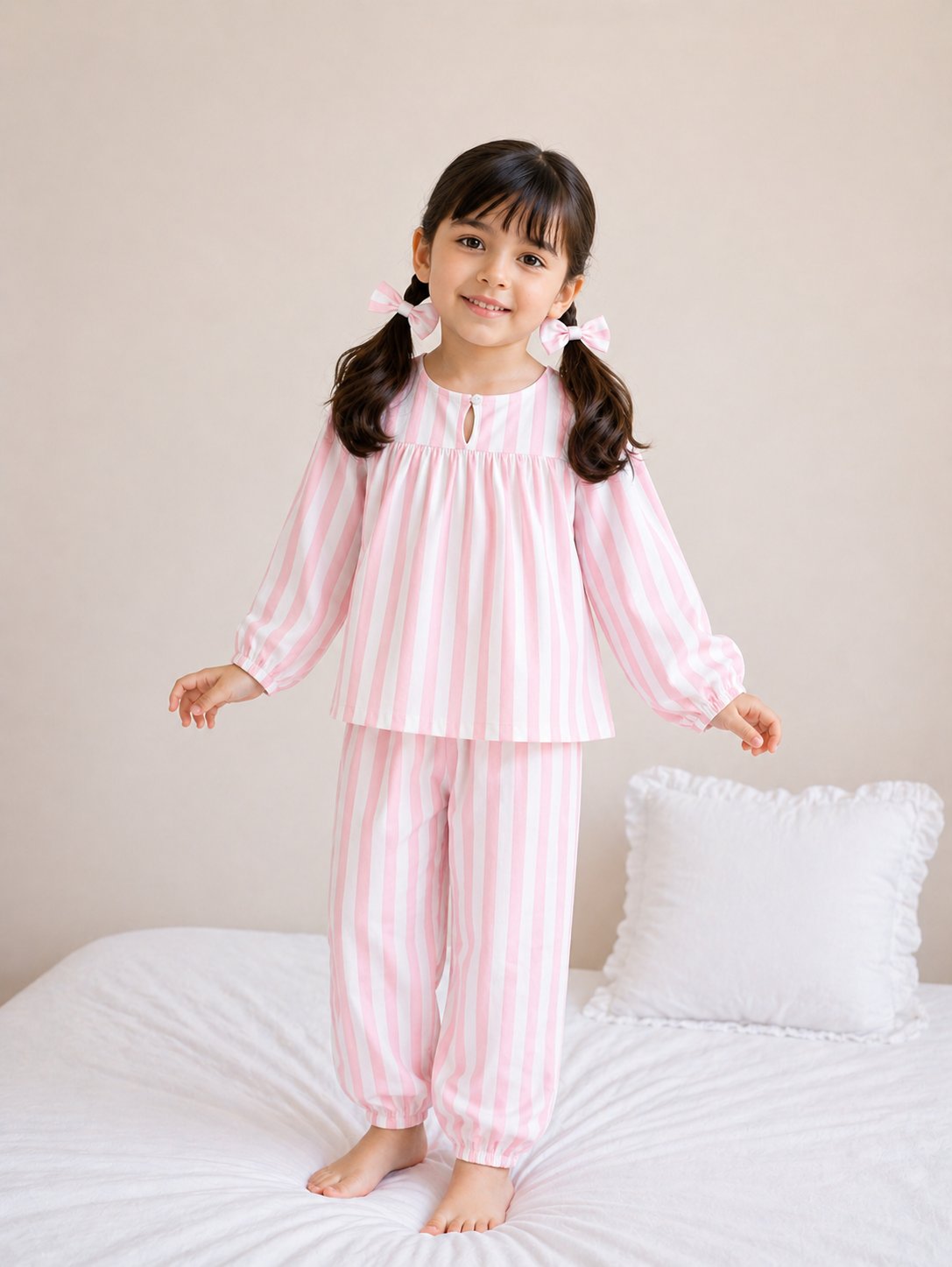
Guest Post by Meenal (Founder,Anaario)
The average child’s piece of clothing is worn for 60 days before being discarded. A sweater, a pair of trousers, a printed shirt – worn while the child fits into the size, then outgrown and tossed. Multiply that by millions of children, and you’re looking at one of fashion’s least-discussed environmental crises: the waste stream of children’s clothing.
The traditional fashion industry — even the sustainable-leaning parts of it — has built itself around a prediction game. Factories produce garments in bulk, designers and retailers guess what will sell, and whatever doesn’t move becomes deadstock: excess fabric, unsold inventory, landfill fodder.
For children’s clothing, this game is particularly wasteful. Kids grow quickly. Their tastes change. A piece worn once or twice, then abandoned.
But what if we refused to play?
The Made-to-Order Model: Waste as an Afterthought
Anaario, a sustainable fashion kids’ brand, operates on a principle that dismantles the waste equation at its root: make nothing unless it is already wanted.
When a customer places an order with Anaario, production begins. Not days before. Not months ahead. The exact moment an order is confirmed, the fabric is cut, the garment is stitched, and it ships. That single piece, for that one child.
The environmental math is immediate:
- Near-zero fabric waste — cutting is precise, intentional, ordered
- No deadstock — because nothing is made speculatively
- No warehouse storage emissions — garments don’t sit; they ship directly to the customer
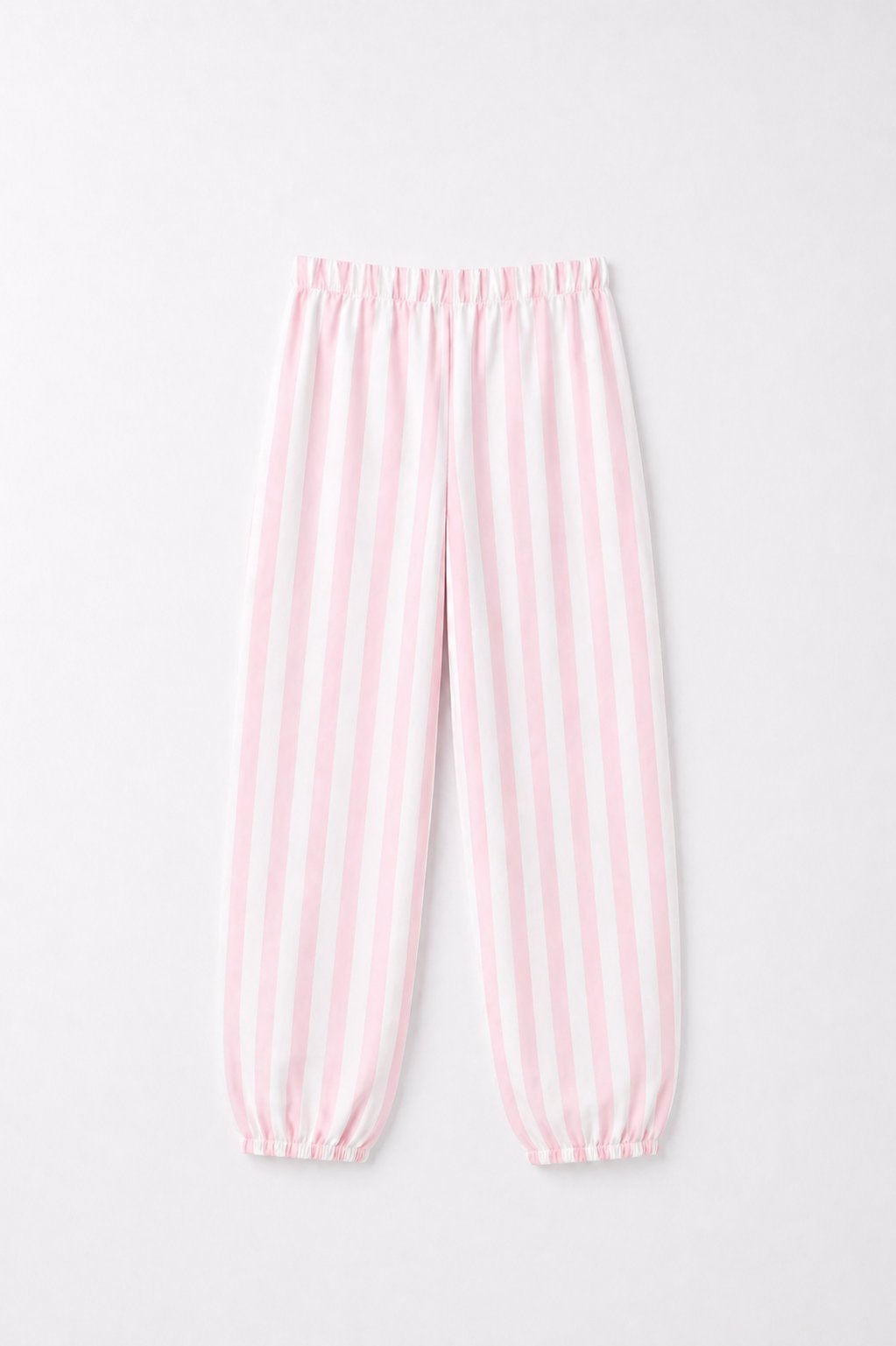
- A slower, more careful production process — which paradoxically means higher quality, more durable pieces
Quality as Sustainability
There’s a second layer to this model: durability. A made-to-order piece, crafted with care and attention, isn’t designed to last one season. It’s designed to be worn season after season, and then handed down to siblings or cousins.
Anaario uses 100% organic clothing cotton, certified GOTS (Global Organic Textile Standard) and OEKO-TEX, so the garment itself is clean from fibre to finish. But the real sustainability win is in the lifespan: a piece meant to outlast disposal — the very definition of slow fashion.
Rethinking Children’s Fashion
The conventional wisdom says sustainable fashion costs more and moves slowly. On the first point, Anaario doesn’t hide this — made-to-order is a premium model. On the second point, yes, it’s slow by design. But that slowness isn’t a bug; it’s the feature.
Meenal, Anaario’s founder, was trained as an engineer and MBA, not a designer. But she understood the problem. She’d searched for quality children’s clothing that met her standards, found it lacking in India, and asked the question every founder should ask: Why doesn’t this exist? Can I build it?
The answer was: only if I refuse to make it the way everyone else does.
For Conscious Parents
If you’re buying children’s clothing, you’re already aware of the tension: you want quality, you want ethics, you want your child to enjoy getting dressed. You want pieces that won’t fall apart, that won’t end up in landfill, that can be passed down.
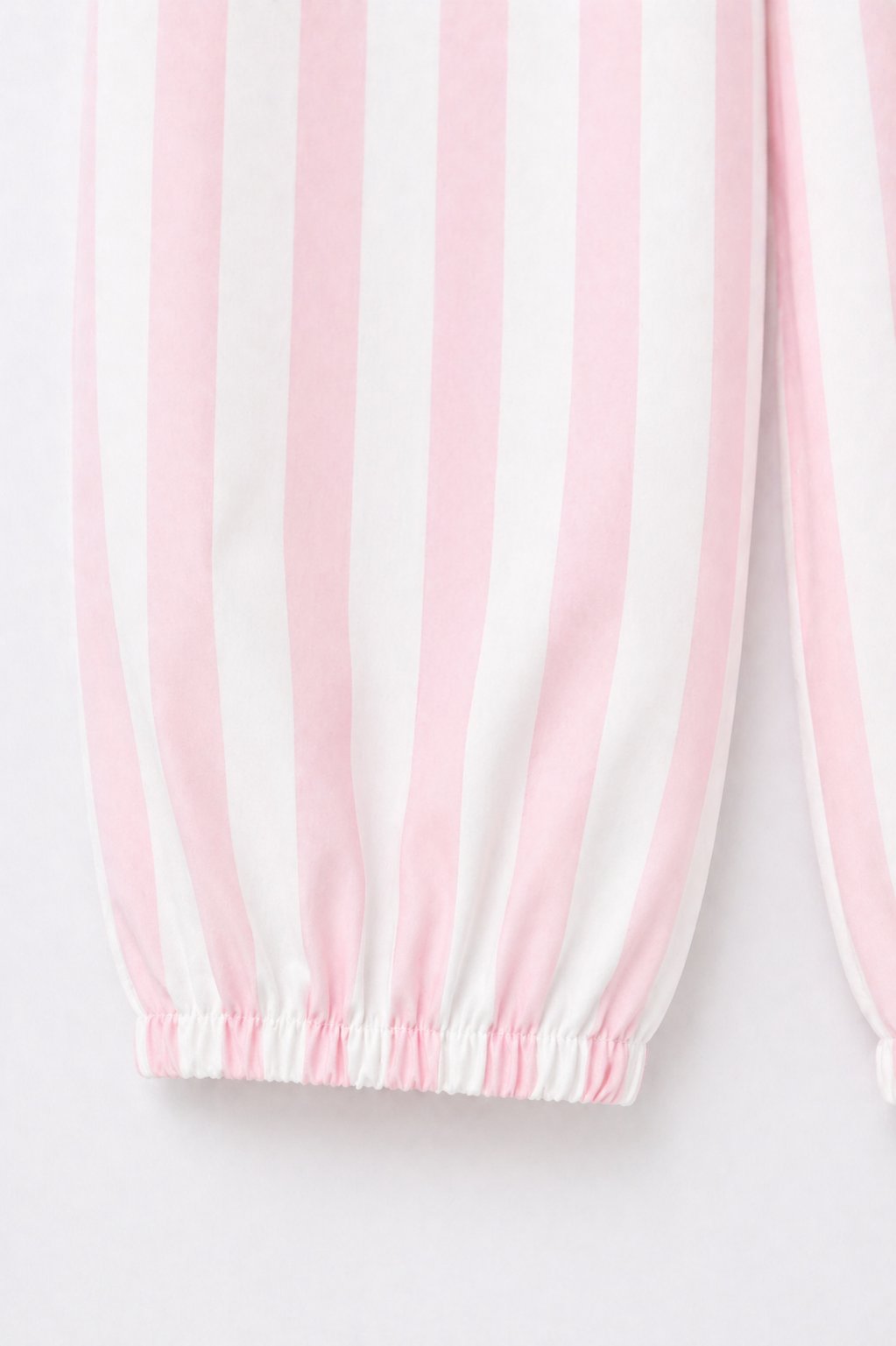
Anaario answers all three. Fearless colour, whimsical prints, and a design philosophy rooted in joy — because childhood is loud and full of wonder, and the clothes should be, too.
Organic by nature. Joyful by design.

Founder, Anaario
“Slowness is the entire point.” — Meenal
Anaario serves ages newborn to 15 and ships internationally.