
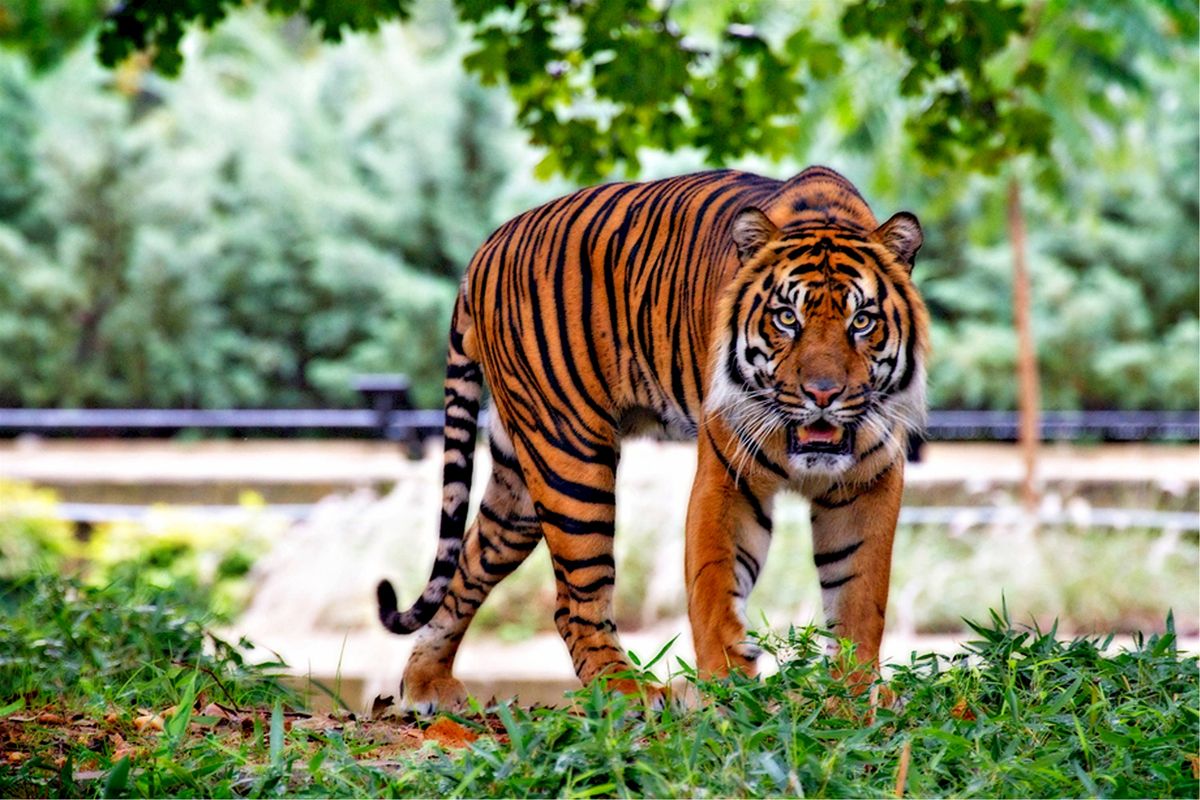
Every tiger reserve in India carries a story — of habitats reclaimed, of corridors rebuilt, of conflicts navigated. The people who keep those stories going met in Coimbatore on 9 July 2026, when the National Tiger Conservation Authority (NTCA) convened its 29th meeting at the Central Academy for State Forest Service. What emerged from that gathering will shape how India protects its most iconic predator for years ahead.
Why This Meeting Matters
India is home to more than 75 per cent of the world’s wild tiger population — a number that has grown steadily from just 1,411 in 2006 to over 3,682 in 2022. That recovery is not an accident. It is the result of sustained policy, dedicated field management, and institutional accountability — all of which flow through the NTCA, the statutory body established under the Wildlife Protection Act to oversee India’s 55 tiger reserves.
The 29th meeting, chaired by Union Environment Minister Shri Bhupender Yadav, brought together Chief Wildlife Wardens from tiger-range states, Field Directors of tiger reserves, Members of Parliament, and senior Ministry officials. It reviewed what was decided at the 28th meeting, considered new proposals, and released two publications that will guide conservation work on the ground — a rare moment when strategic planning and field accountability converge in the same room.
Two Publications That Could Change Conservation Practice
The first, Roadmap to Rescue, is a scientific and strategic framework for establishing temporary and transit facilities for the rescue, rehabilitation, and safe release of wild animals in tiger landscapes. This addresses a long-standing gap. When a tiger is injured, orphaned, or in conflict with a human settlement, the response varies wildly across states — some have functional rescue centres, others improvise. This roadmap sets a national standard so that no animal’s recovery depends on which state it happened to wander into.
The second, STRIDES 2026 — Status of Tiger Reserves: Infrastructure, Development, Ecology and Social Parameters — is a comprehensive assessment covering all 55 reserves. Think of it as a diagnostic dashboard: it maps where reserves are strong and where they are falling short, across infrastructure, ecology, and the social fabric of communities living alongside them. Without a standardised baseline like this, evidence-based decisions become guesswork. STRIDES 2026 removes that excuse.
What Else Was on the Table
The meeting also discussed initiating the 6th Cycle of Management Effectiveness Evaluation (MEE) — a process that grades every tiger reserve on how well it is being managed. Previous MEE cycles have driven real improvements: reserves that scored poorly faced scrutiny and targeted support; those that scored well had their practices replicated. The 6th cycle will produce the most current scorecard India has of its reserve management quality.
Two new institutional forums are also being planned. STRIPES — a Symposium on Tiger Research, Innovation, Policy, Ecology and Sustainability — would create a regular national platform for scientists, policymakers, and conservation practitioners to share findings. And a Tiger Conclave is being designed to mobilise private and philanthropic funding for tiger reserves through Tiger Conservation Foundations, bringing corporate partners into the conservation finance picture.
Conservation Success Creates New Challenges
There is a pattern emerging in India’s environment sustainability journey: recovery breeds complexity. As tiger numbers grow and forest habitats remain fragmented by roads, agriculture, and settlements, animals venture beyond reserve boundaries more often. Human-wildlife conflict — encounters between tigers, leopards, elephants and the communities living in and around forests — is now one of India’s most pressing conservation and development challenges simultaneously.
The Minister specifically called out the need for strategies targeting tigers outside tiger reserves, alongside leopards and elephants. These are animals whose recovery is directly linked to decades of conservation effort — and whose movement into non-protected landscapes now demands a response that goes beyond fences and fear, toward genuine coexistence frameworks backed by data and community engagement.
For a deeper look at India’s conservation governance and the sustainability changemakers working on the ground, the STRIDES 2026 report, once publicly released, will be the most complete picture we have had of how well — or how poorly — India’s tiger reserves are actually being run.
What to Watch Next
The 6th MEE cycle will produce findings over the coming months, and the STRIDES 2026 data will serve as a benchmark for the next generation of reserve management plans. If the Tiger Conclave materialises and successfully channels private capital into conservation, it could become a model for funding other India sustainability priorities — from wetland restoration to wildlife corridors — that sit just outside government budget lines.
Source: Press Information Bureau, Government of India — PRID 2282987, dated 9 July 2026. Read the original release.