
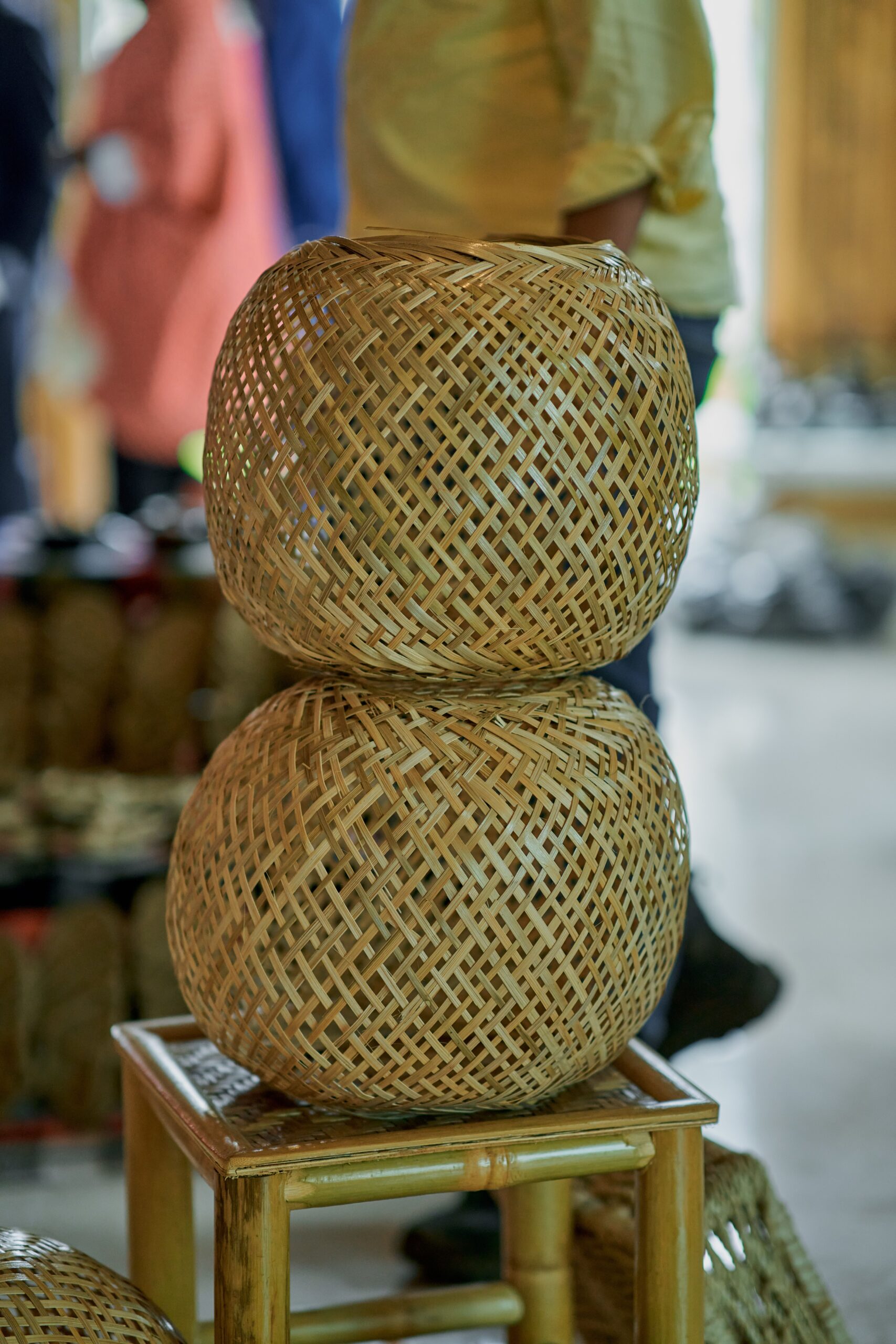
India has a particular advantage when it comes to eco-friendly business ideas: a culture that, until quite recently, ran almost entirely on reusable, biodegradable, and locally sourced materials. Steel tiffins, cloth bags, clay pots, and banana-leaf plates were the norm long before “sustainable” became a marketing word. The most promising eco-friendly business ideas in India right now are often a return to that instinct, rebuilt with better design, certification, and distribution for a modern market.
What follows isn’t a generic global list translated for an Indian audience — it’s grounded in businesses that are already doing this successfully on Indian soil, each tackling a different everyday waste problem.
Turning Waste Into Wearables
India generates enormous volumes of plastic waste, and one of the clearest eco-friendly business opportunities is intercepting it before it reaches landfills or oceans. Thaely built a footwear brand entirely around this idea, manufacturing shoes from recycled plastic waste — started, notably, by a 22-year-old founder with no large initial capital, proving that this category doesn’t require an established manufacturing background to enter.
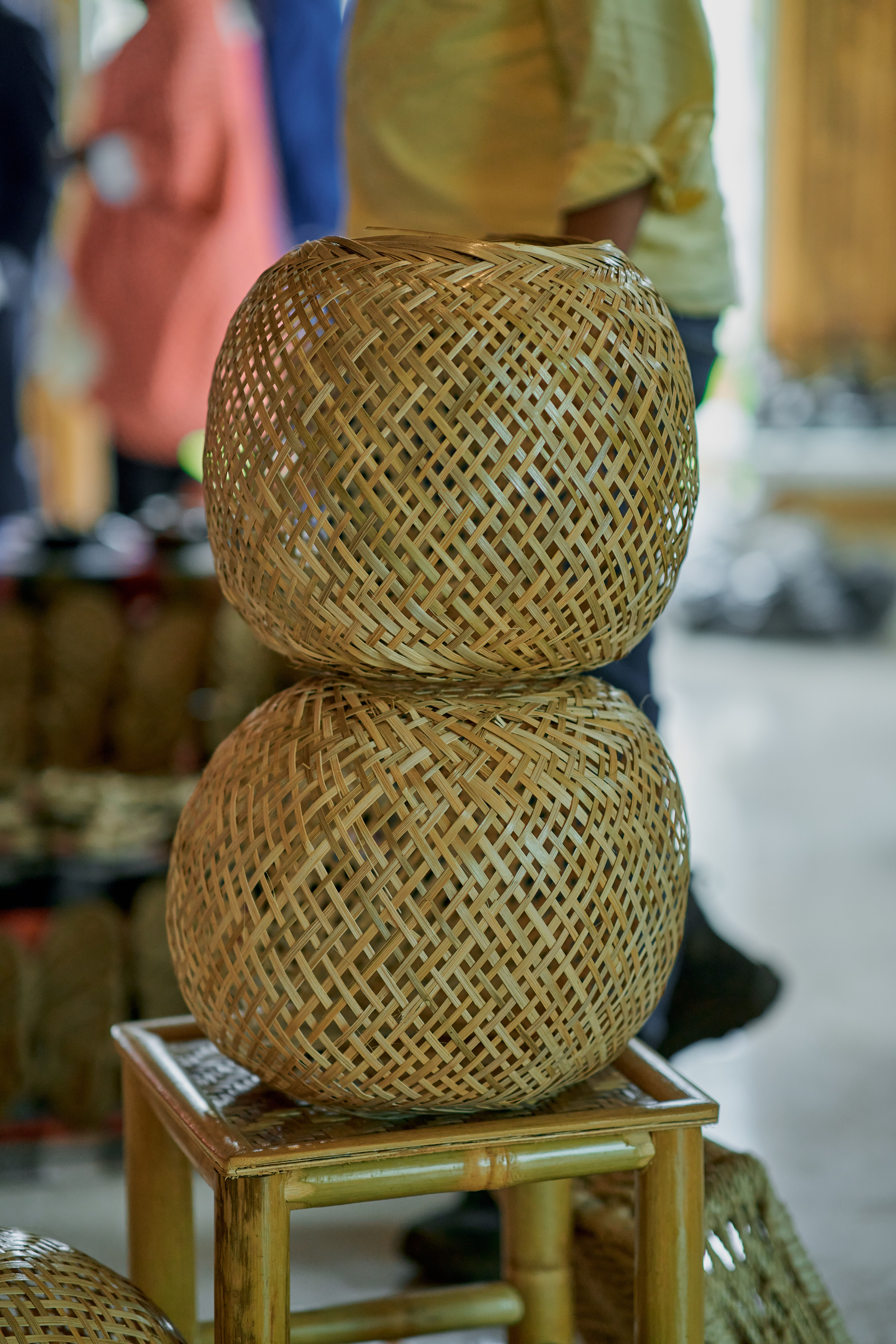
Religious and Festival Waste Is an Underused Opportunity
India’s temples generate tonnes of flower waste daily — offerings that are typically dumped untreated into rivers, contributing to water pollution. Phool by Help Us Green turned this specific, very Indian waste stream into incense sticks, building both an environmental solution and livelihoods for the women who collect and process the flowers. It’s a strong example of how a business idea can come directly from a cultural practice rather than from importing a foreign sustainability trend.
Natural Personal Care Has Room to Grow
India’s personal care market is large and still dominated by synthetic, chemical-heavy products, which leaves significant room for natural alternatives. Satliva has built a hair and skin care line around natural ingredients, including hemp-based formulations, tapping into both the wellness trend and the country’s long tradition of Ayurvedic and plant-based personal care — a combination that resonates strongly with Indian consumers without needing much explanation.

What Makes These Ideas Work in the Indian Market
Each of these businesses succeeds for a similar reason: they solve a waste or sourcing problem that is specifically visible in India — plastic litter, temple flower waste, synthetic personal care — rather than copying a sustainability idea popular elsewhere and hoping it translates. They also lean on India’s existing strengths in craftsmanship, low-cost skilled labour, and traditional material knowledge rather than competing on expensive new technology.
If you’re searching for an eco-friendly business idea rooted in India specifically, start by looking at a waste stream or traditional material you already understand well — flowers, plastic, cloth, clay — and ask who in your city is already throwing it away. Browse more verified examples on Prakati’s Sustainable Changemakers page, and explore the wider Green Economy for the broader trends shaping this space.