
In a country where plastic planters and synthetic pots crowd every nursery shelf, Anjali P Bhat made a quiet, radical choice: grow plants without plastic at all. As the founder of Riddhiplants, a Karnataka-based plant initiative rooted in sustainability and joy, Anjali is showing households across India that bringing greenery home does not have to come at the planet’s expense.
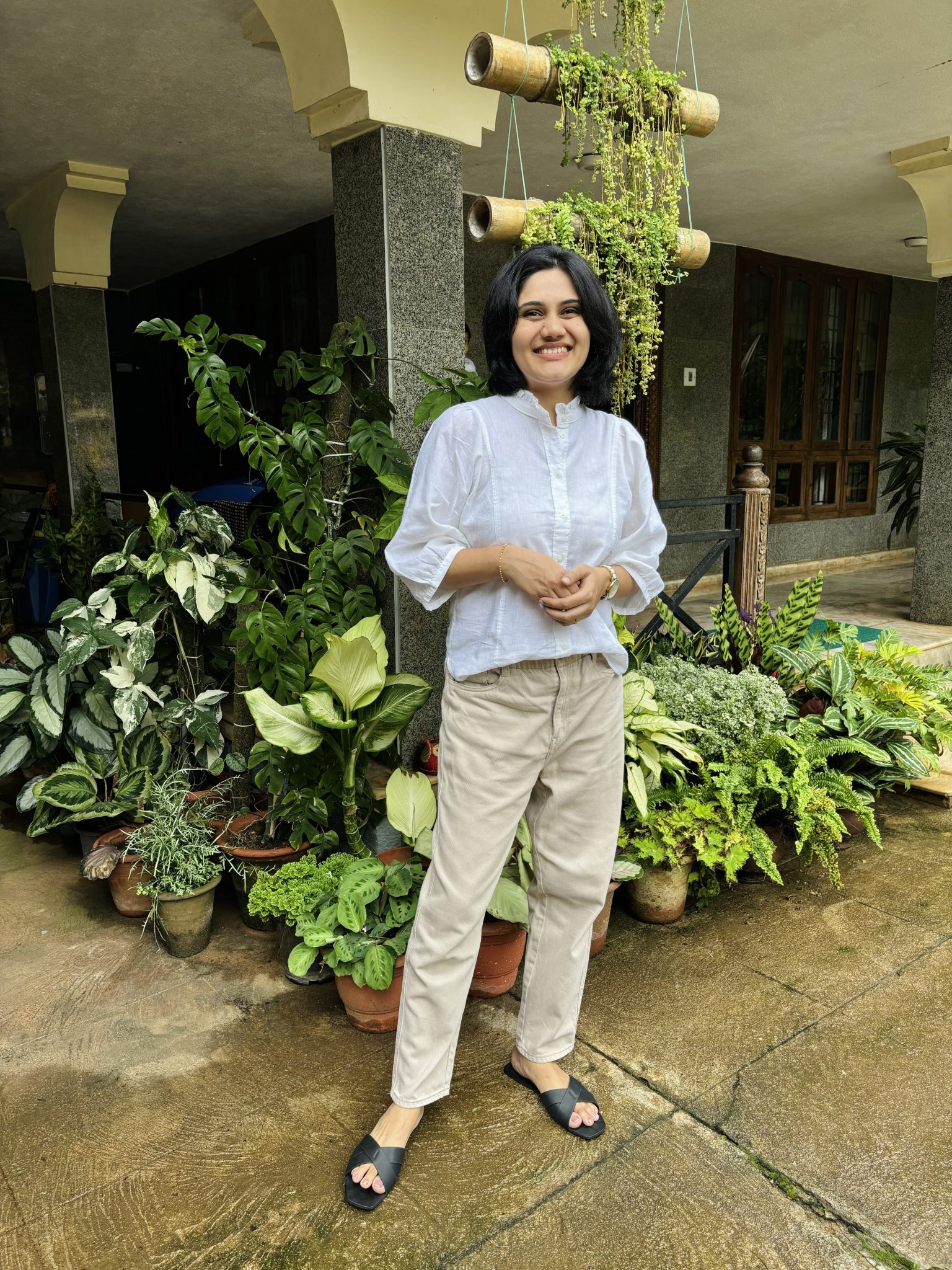
A Garden That Changed Everything
It started with a visit. In October 2020, Anjali P Bhat travelled to Coorg and stepped into the garden of Savitha Madikeri, a friend of her mother. What she found there stopped her in her tracks: lush, thriving plants nestled inside elegant moss-and-soil spheres, growing beautifully — with no plastic pot in sight. These were Kokedama, a centuries-old Japanese art form of growing plants in a moss ball, and for Anjali, they were a revelation.
She returned home and got to work. Experimenting with Kokedama in her own space, she quickly fell in love with the process — the tactile joy of shaping moss, the patience of tending to a living thing, and the quiet satisfaction of watching a plant root and flourish in something entirely natural. What began as a personal passion soon revealed itself as something larger: an opportunity to make gardening more accessible, more beautiful, and far more sustainable.
Riddhiplants was born from that realisation. And with her husband Pavan V Bhat stepping in as business partner and anchor, and her family — especially her mother — rallying around the vision, Anjali turned her kitchen-table experiment into a thriving plant initiative.
What Riddhiplants Does
Riddhiplants specialises in handcrafted Kokedama — living plants grown inside soil-and-moss spheres that are entirely plastic-free. Each piece is a small work of art: Calathea, Monstera Mini, Philodendron, Aglaonema, and other indoor varieties, nestled into fresh terrestrial moss and offered with macrame hangers for display. The result is a plant that belongs equally in a home, an office, or a gift box.
The sustainability logic is elegant. Conventional plant retail is dominated by plastic nursery pots — cheap, disposable, and rarely recycled. Kokedama sidesteps the problem entirely. There is no plastic to discard, no synthetic material involved. “Kokedamas are sustainable, eco-friendly ornamental plants,” the Riddhiplants team writes. “You can grow a plant or an entire garden without plastic pots, and mother earth will be thankful.”
Beyond finished Kokedamas, Riddhiplants also supplies fresh live terrestrial moss, runs plant workshops, and sells directly online — shipping carefully packed plants across the country. Customer testimonials speak of receiving healthy plants that put out new shoots and new leaves soon after arrival. That level of care in packaging and dispatch reflects something deeper than just good business: it reflects Anjali’s belief that every plant delivered is a small act of environmental responsibility.
Sustainability at the Core
Riddhiplants sits at the intersection of two important movements: the urban gardening wave that swept Indian homes — accelerated by the pandemic — and the growing push toward plastic-free sustainable living. Anjali recognised that people were hungry to reconnect with plants but often put off by the clutter and plastic waste that comes with conventional nurseries. Kokedama offered a cleaner, calmer alternative.
Based in Bellare, Karnataka, Riddhiplants operates as a direct-to-consumer brand — growing from an Instagram page into a fully-fledged e-commerce platform with its own website. The journey from a Coorg garden visit to a national online plant brand in just a few years is a testament to what happens when personal passion meets a genuine gap in the market.
Anjali is part of a quiet but powerful cohort of sustainability changemakers in India who are building businesses that are good for people and for the planet — not despite each other, but because of each other. She represents the kind of thinking that Prakati celebrates: the understanding that the choices we make every day — even something as small as how we pot a plant — carry an environmental weight.
What Drives Her
Anjali P Bhat did not start Riddhiplants because she identified a market segment in a spreadsheet. She started it because she fell in love with a plant in a moss ball in a garden in Coorg. That origin matters. Businesses born from genuine love tend to carry a quality — of craft, of care, of attention — that customers feel.
For Anjali, sustainability is not a marketing angle. It is the entire point. Every Kokedama that leaves her door is proof that you can make something beautiful, something alive, something that brings joy into a home — and do it without leaving a trail of plastic behind. That is a lesson worth spreading, one moss ball at a time.
Explore Riddhiplants
If you are looking to bring plants into your home the sustainable way — or to find a truly unique and living gift — explore what Riddhiplants has to offer. And if you want to discover more people and initiatives reshaping our world through sustainability, visit the Heroes of Sustainability section on Prakati.