
In a city that generates thousands of tonnes of waste every day, one woman from Malleshwaram has quietly started a revolution — one worm at a time. Meet Vani Murthy, better known across India as Worm Rani, Bengaluru’s queen of composting and one of the most inspiring voices in the sustainable living movement today.
With over 274,000 followers on Instagram and a growing YouTube audience, Vani has turned the humble earthworm into a symbol of hope — proving that every household can take responsibility for its own waste, and even enjoy doing it.
From Introvert to Internet Sensation
Vani Murthy grew up in Hyderabad and describes herself as someone who always loved being home. Married into a joint family, she spent years in a domestic rhythm that left little room for wider pursuits. That changed in her mid-40s, when she enrolled in an “Education for Life” programme that nudged her out of her shell and into community engagement.
By 2007, she was spontaneously sharing zero-waste living tips on Facebook — before the term “zero waste” had become a trending hashtag. Around the same time she joined the Bangalore Solid Waste Management Round Table as a founding member, where a chance encounter with composting and waste management lit a fire she has never let go out.
She credits Dr Meenakshi Bharat, a veteran gynaecologist and solid waste management expert in Bengaluru, as a mentor whose guidance shaped her early journey. “If a city girl like me, who never ever grew a single plant, can find a hidden farmer within me after all these years and start growing vegetables, anyone can,” she says.
The Worm Rani Method: Vermicomposting Made Simple
The name “Worm Rani” is no accident. Vani uses red wrigglers — surface-dwelling worms that thrive on organic material — to convert kitchen wet waste into rich, nutrient-dense vermicompost. She calls these worms her “friends” and happily runs her bare hands through the compost bins to show just how alive and productive her system is.
The process, known as vermicomposting, is beautifully simple: kitchen scraps — vegetable peels, fruit waste, coffee grounds, eggshells — go into a bin. The worms eat the material, digest it, and produce castings (worm excreta) that are exceptionally rich in nitrogen, phosphorus, and potassium. Within weeks, what was destined for a landfill becomes premium fertiliser for plants.
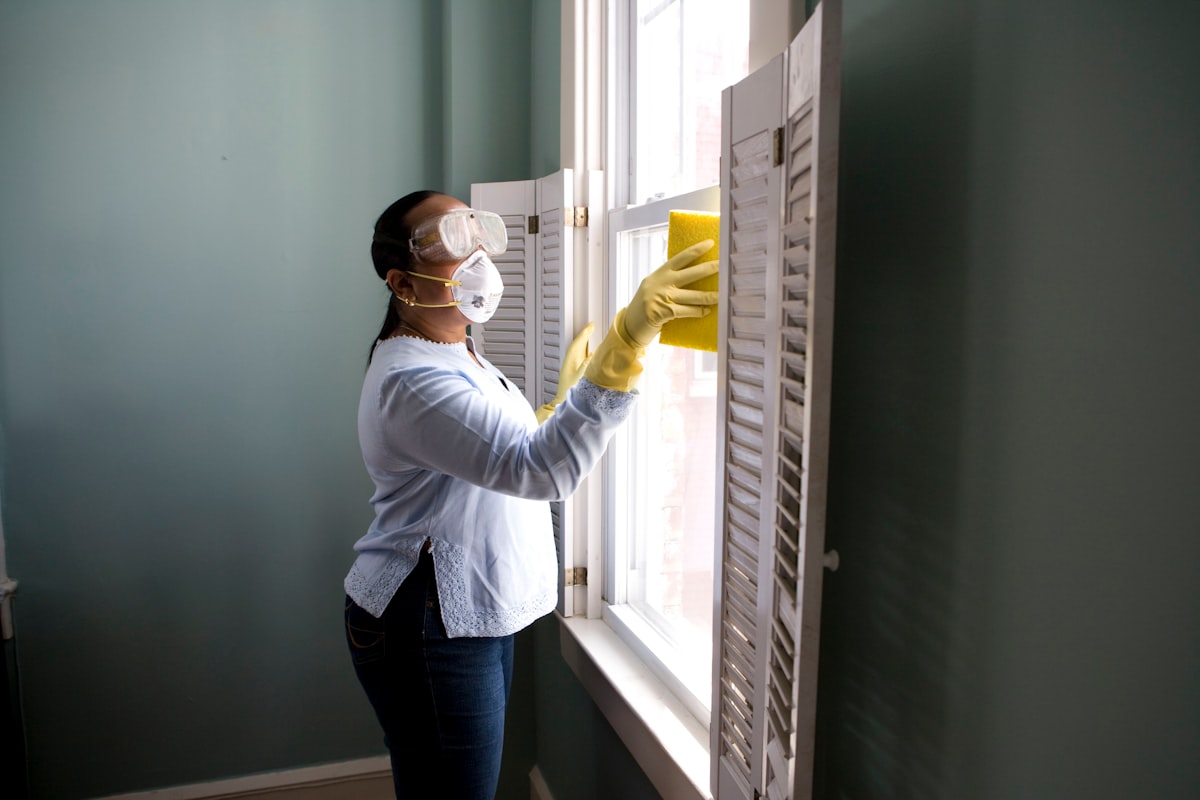
Vani keeps her compost containers of varying sizes, positioning them carefully away from direct sunlight and strong winds to maintain the right moisture and temperature. She also makes her own organic household cleaners from natural ingredients — demonstrating that a low-waste lifestyle extends well beyond just composting.
A Rooftop Garden That Feeds the Family
Walk onto Vani’s Malleshwaram terrace and you step into a thriving urban ecosystem. Curry leaves, rosemary, and Brahmi jostle for space with beans, lemons, tomatoes, and okra. Every plant feeds on the vermicompost her worms produce — a closed loop of kitchen waste in, fresh vegetables out.
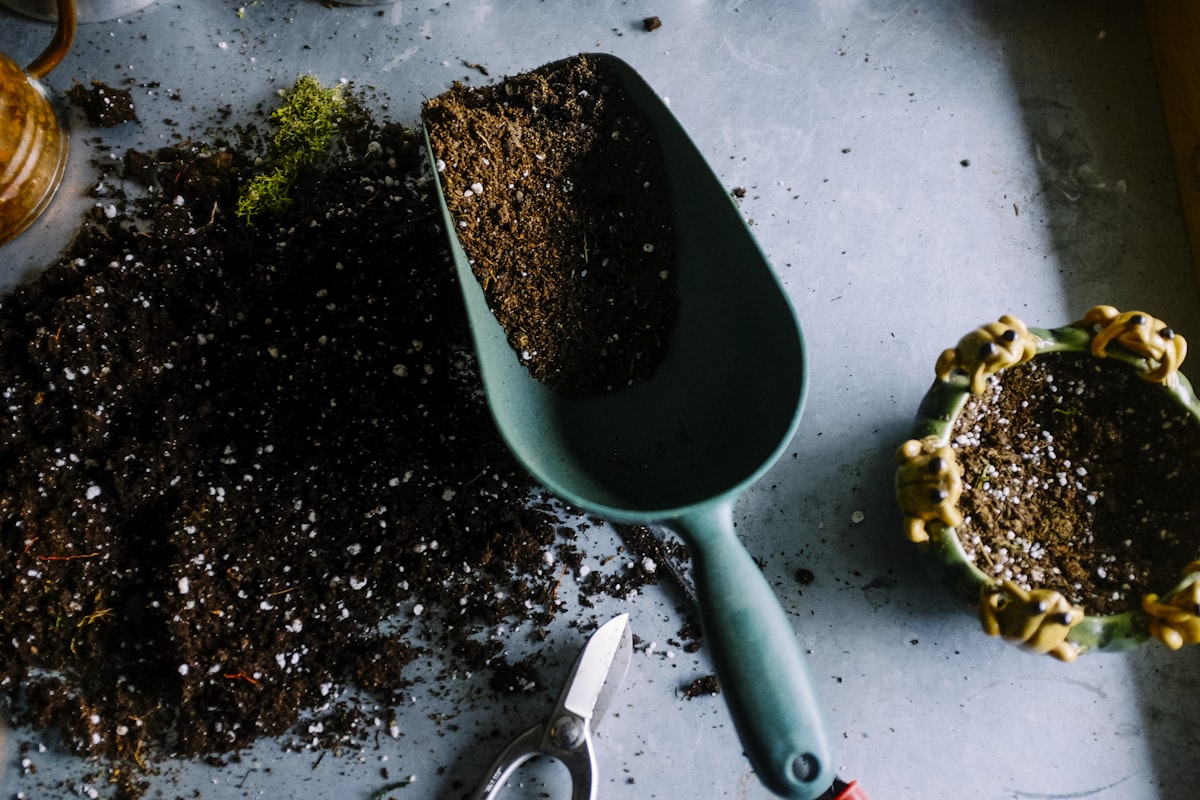
Her approach to urban farming is refreshingly practical. She does not claim perfection; she simply shows what is possible in a Bengaluru apartment — no garden, no acres of land, no special equipment. Just containers, sunlight, water, and a bin full of hardworking worms. “What has given me the ability to stay calm even amidst all the hustle is my involvement with nature,” she reflects.
Building a Community of Composters
Vani’s reach stretches far beyond her Malleshwaram terrace. She runs regular educational classes and e-workshops on composting, balcony gardening, and sustainable practices — making knowledge accessible to anyone willing to try. During the pandemic, her live videos on Instagram became a lifeline for thousands of urban households stuck at home and looking for meaningful things to do — turning her into what her followers affectionately call a “Zero Waste Superhero.”
She has been a Chief Guest speaker at Bangalore Plant Exchange events and has featured in National Geographic India’s “One for Change” initiative — recognition that places her among India’s most impactful sustainability changemakers. Her YouTube channel features deep-dive videos on composting methods, worm care, and making organic household cleaners from scratch.
A Philosophy Rooted in Nature
What makes Vani Murthy stand apart is not just what she does, but how she speaks about it. She frames composting not as a chore or a sacrifice, but as a return to something natural and joyful. She refers to earthworms with genuine affection, as companions in a shared project rather than tools for a task.
“I don’t see them as a menace — if they want to come and eat something off my garden, they are welcome. It doesn’t matter whether I consume the vegetables or the monkeys eat them, as long as someone is benefitting from that plant!” she says, laughing. It is this light, generous spirit that makes her videos so watchable and her message so easy to absorb.
Her broader philosophy aligns perfectly with Prakati’s own belief: that small changes accumulate into significant impact. “I choose to put good food into my body; I’ve opted to be in sync with the natural world — and that has helped me immensely,” she says. Composting, for Vani, is not about saving the planet in one grand gesture. It is about choosing, every day, to close the loop on waste.
How to Start Composting at Home
Inspired by Worm Rani? Here is how to begin your own composting journey:
- Start small: Get a compost bin — even a simple container with a lid works. You do not need to invest in expensive equipment.
- Collect wet waste: Vegetable peels, fruit scraps, eggshells, coffee grounds, and tea leaves are perfect composting material. Avoid meat, dairy, and oily food.
- Add red wrigglers: Source red wriggler worms from a local nursery or community composting group. They are the engine of vermicomposting.
- Layer with dry material: Balance wet kitchen waste with dry leaves or cocopeat to maintain the right moisture level and prevent odour.
- Harvest in 6–8 weeks: Once the material is dark, crumbly, and earthy-smelling, your vermicompost is ready. Use it on your plants and watch them thrive.
Vani Murthy proves that sustainable living does not require a large plot of land, a fat budget, or a degree in ecology. It requires curiosity, a little patience, and a willingness to get your hands in the soil. If Bengaluru’s Worm Rani can transform a city apartment into a thriving green system, so can you.