
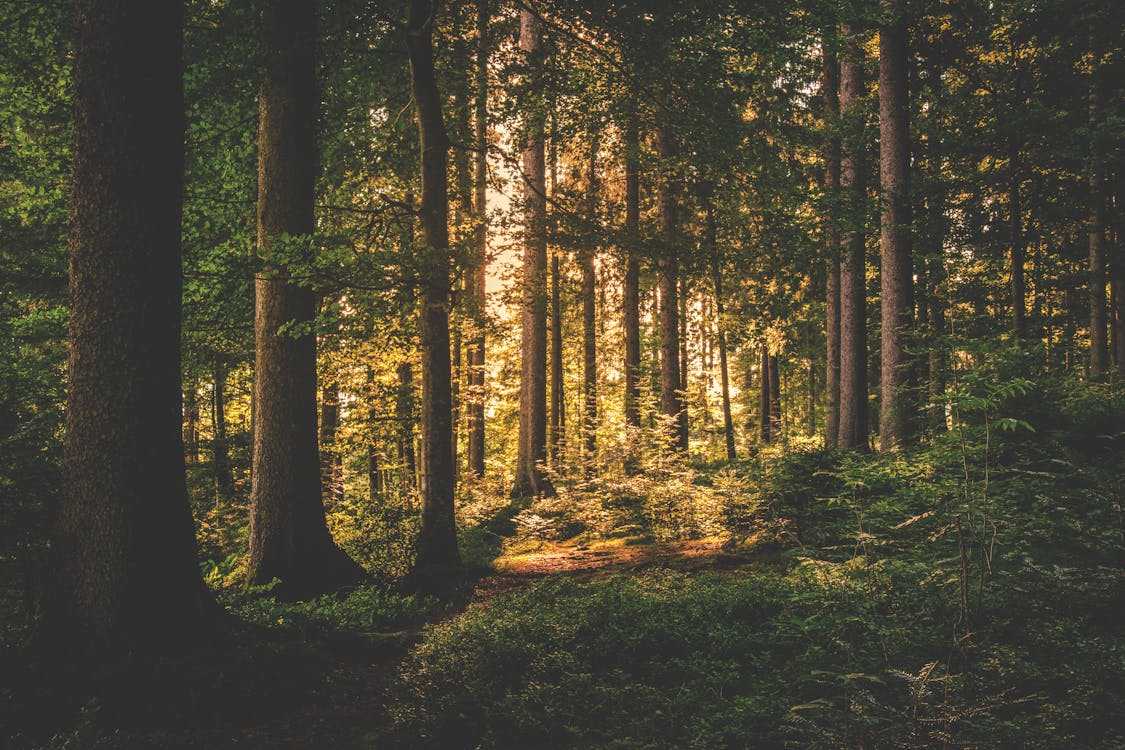
Walk through any forest in Tamil Nadu, Karnataka, or Kerala and you will see trees that have stood for centuries — shading the soil, sheltering wildlife, purifying streams, and holding the land together. Yet for most of us, these trees remain nameless. We pass them every day without knowing their stories. Trees of South India by Paul Blanchflower and Marie Demont changes that — one species at a time.
Published by HarperCollins India in 2024, this beautifully produced field guide is the culmination of over fifty years of combined work in restoring and researching the native forests of the Coromandel Coast, the Western Ghats, and the Eastern Ghats. It is not just a reference book. It is a love letter to the trees of the Indian peninsula — and a practical tool for anyone who wants to know them better.
About the Authors
Paul Blanchflower arrived at Auroville, Tamil Nadu, from the UK in 1991 after studying ecology, intending to stay a few years. He never left. Since 2000, he has led the development of the Auroville Botanical Gardens — growing a thriving ecological reserve on fifty acres of land that was once bare and degraded. His focus has been the conservation of the Tropical Dry Evergreen Forest, one of the most threatened forest types in South Asia.
Marie Demont is a landscape architect trained in France who has spent the last fifteen years in Auroville working on plantation and afforestation projects. Her work centres on large-scale ecological restoration with a particular focus on threatened native species — species that, without active conservation effort, risk disappearing entirely from the landscape.
Together, they have spent decades walking the same hills and plains, identifying and propagating native trees, and now they have distilled that knowledge into a single, accessible volume.
What Is Inside the Book
Trees of South India is a detailed pictorial guide covering 190 ecologically important species of native trees and shrubs. The geographic scope is wide: it covers the states of Kerala, Tamil Nadu, Andhra Pradesh, Telangana, Karnataka, and parts of Odisha — essentially the full sweep of the Indian peninsula’s natural tree cover.
Among the species documented are many that are rare or threatened — including satin wood, poplar-leaved ardor, Indian kino, red sanders, and rosewood. These are trees with deep roots in the region’s ecology and cultural history, yet they are increasingly difficult to find in the wild.
Each species entry includes:
- Crystal-clear instructions for plant identification, with diverse leaf styles and arrangements
- Local names in Hindi, Tamil (Tamizh), and commonly used names — with their meanings
- Information on uses, habitats, and the landscapes associated with each tree
- Practical guidance on propagation — so you can actually grow these trees yourself
The book bridges the gap between scientific knowledge and everyday use. You do not need a botany degree to use it. Whether you are a gardener, a nature walker, a school student, or a conservationist, the guide is written to be understood and applied.
Why This Book Matters for Sustainability
With climate change reshaping ecosystems across the globe, the importance of native forests has never been clearer. Native trees are the backbone of local biodiversity — they support insects, birds, and mammals that have co-evolved with them over thousands of years. They anchor the soil, regulate local rainfall, and store carbon far more effectively than monoculture plantations of exotic species.
Yet India’s native tree cover continues to decline. Urbanisation, agriculture, and the widespread planting of fast-growing non-native species like eucalyptus and acacia have displaced the original forest. Many people — including those working in sustainable farming and reforestation — plant whatever is commercially available, often without knowing what the native alternatives are.
This is exactly the gap that Trees of South India fills. By naming the trees, describing them precisely, and explaining how to propagate them, Blanchflower and Demont give readers the knowledge they need to make better choices — in their gardens, on their farms, and in their communities.
The book is a powerful resource for anyone interested in sustainable living — not just as a philosophy but as a practice rooted in the land you live on.
Who Should Read This Book
This book belongs on the shelf of anyone who cares about the natural world in India. In particular, it will be invaluable for:
- Nature enthusiasts and amateur naturalists who want to put names to the trees they encounter on walks and hikes
- Conservationists and ecologists working on forest restoration, biodiversity surveys, or habitat mapping across peninsular India
- Farmers and agroforesters looking to incorporate native species into their land — for shade, soil health, or ecological balance
- Gardeners in South India who want to grow trees that belong to the region, support local wildlife, and require less water and care than exotics
- Students and educators in environmental science, botany, and ecology who need an accessible, India-specific reference
- Anyone in Auroville, Bangalore, Chennai, Hyderabad, or any South Indian city who passes trees every day and wants to finally know what they are looking at
The Western Ghats and the Coromandel Coast are among Asia’s most biodiverse regions. Having a guide that unlocks their tree life is not just convenient — it is an act of connection with a landscape that desperately needs more people to know and love it.
Get Your Copy
Whether you are a seasoned naturalist or simply curious about the trees outside your window, Trees of South India is a book that will change the way you see the landscape around you. It is a field companion, a conservation manual, and a celebration of the remarkable biological heritage of the Indian peninsula — all in one beautifully illustrated volume.
Also explore our books on sustainability section for more reading recommendations from the world of ecology, environment, and conscious living. If you are looking to connect with changemakers building a greener India, visit our Sustainable Changemakers directory.