
Prakati Edit · 2026
Top 26 Sustainable Fashion Brands in India for 2026
From regenerative cotton farms in Tamil Nadu to upcycled couture in Delhi — 26 Indian labels proving that fashion can be slow, honest, and beautiful all at once.
India’s relationship with cloth has always been intimate — handspun, hand-dyed, passed down. Long before “sustainable fashion” became a label, weavers in Kachchh and dyers in Pollachi were already practising it as a way of life. What’s changed is the audience: a new generation of Indian shoppers is actively seeking out organic cotton, natural dyes, regenerative farming, and fair wages for artisans — and a remarkable wave of homegrown brands has risen to meet that demand without losing the craft at its core. We went looking for the labels doing it with real substance, not just a “sustainable” sticker. Here are 26 of them, from heritage names you’ve likely already worn to small ateliers quietly rewriting what a supply chain can look like. Many of these labels also embody the slow fashion ethos — small-batch, made to last, and worth the wait.
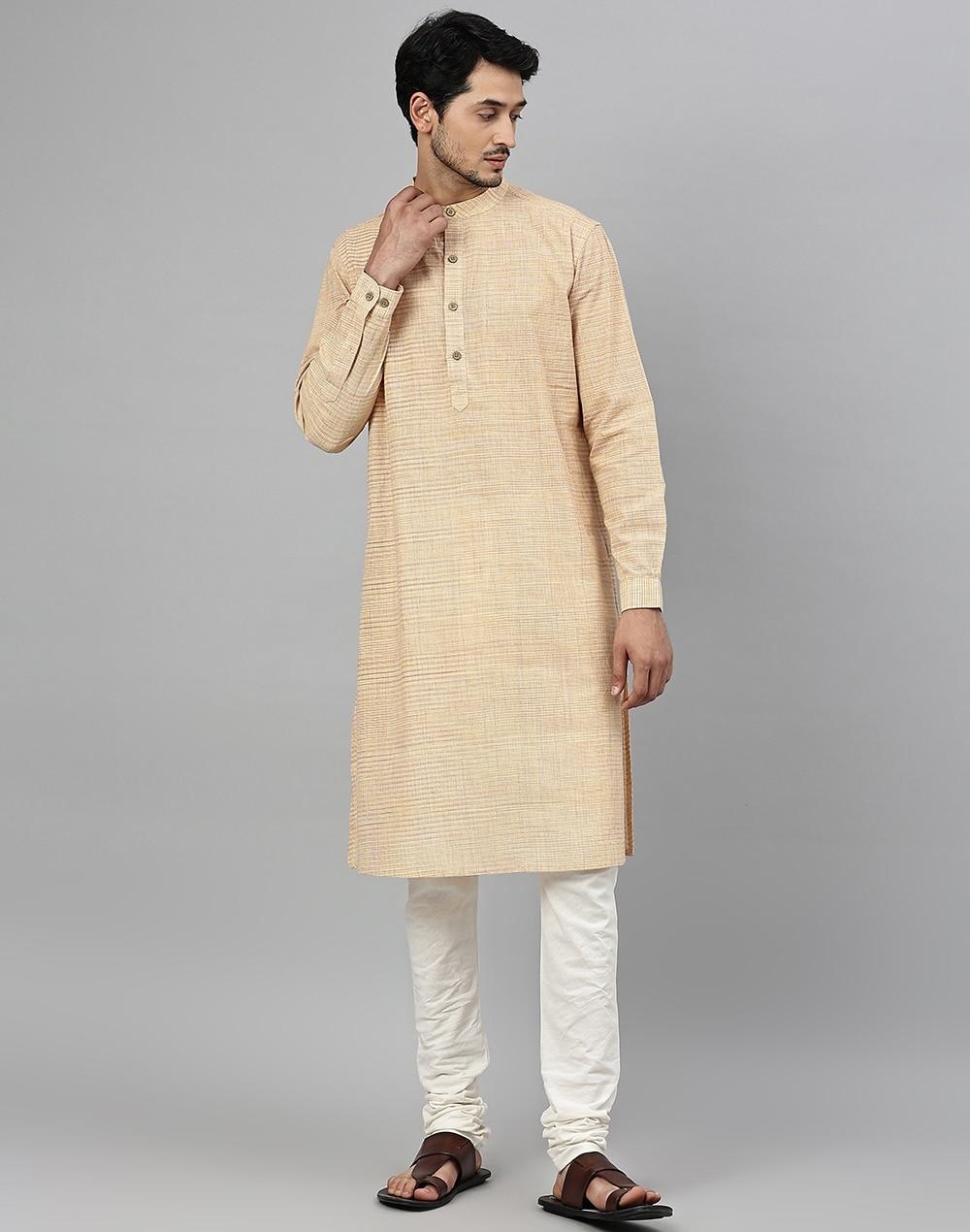
Fabindia
Fabindia has spent over six decades proving that scale and craft aren’t opposites. The brand sources directly from a network of rural artisan communities across India — roughly 50,000 artisans, 12,000 farmers, and 900 vendors in total — channelling everyday demand for clothing and home textiles into steady livelihoods for handloom weavers, block printers, and natural dyers. Its dyeing units in Bagru and Bhuj still use traditional natural-dye processes that cut chemical effluent, making Fabindia something rarer than a sustainable brand — a sustainable institution.
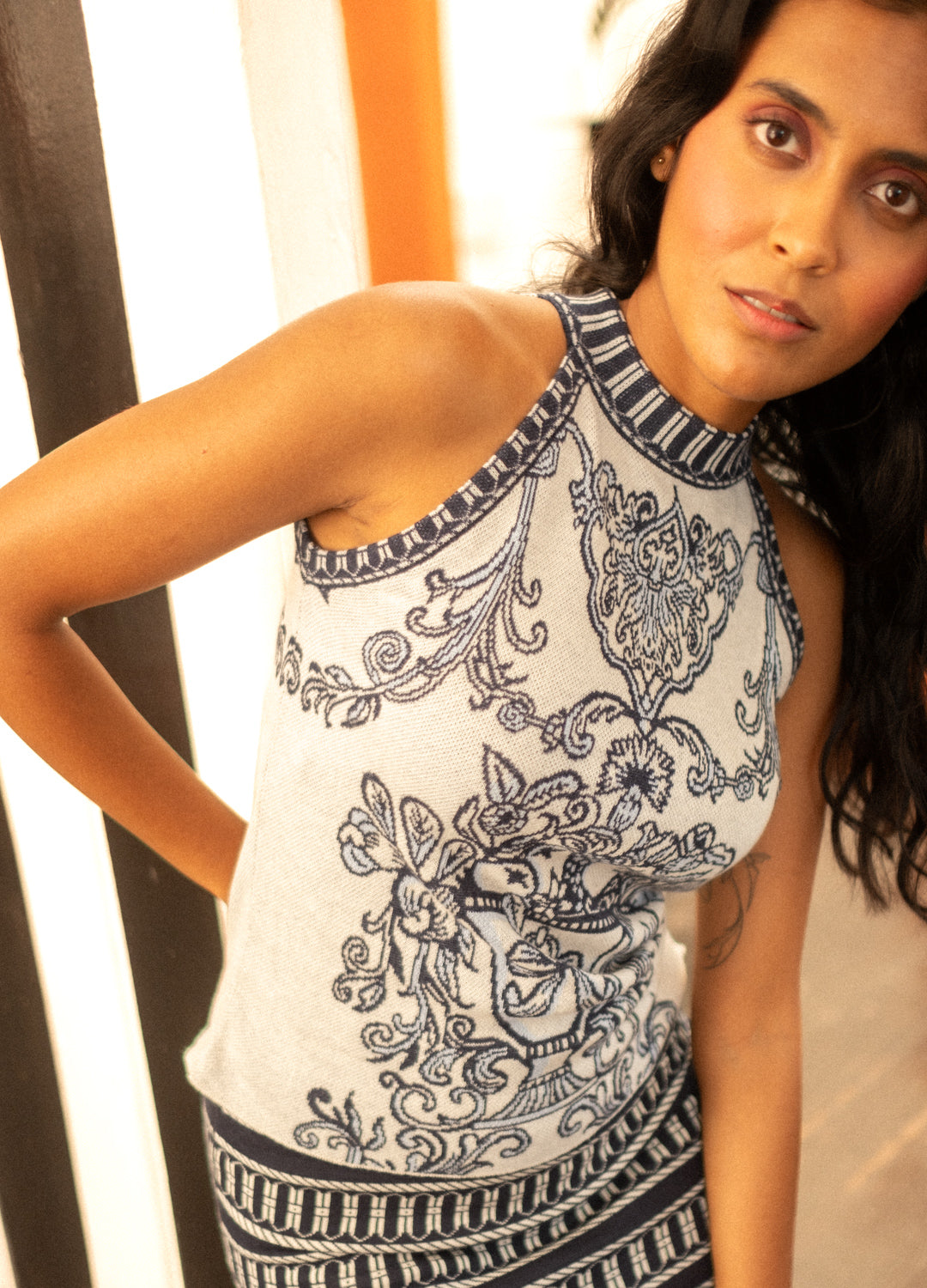
No Nasties
No Nasties built its name on a refusal to compromise: every garment uses GOTS-certified organic cotton grown without pesticides, finished even down to the details — buttons made from coconut shell and corozo nuts, elastic from natural rubber. The brand claims every product sold is carbon-negative by 300%, turning a basic t-shirt into a measurable act of restoration rather than just an absence of harm.
View on Prakati Green Directory →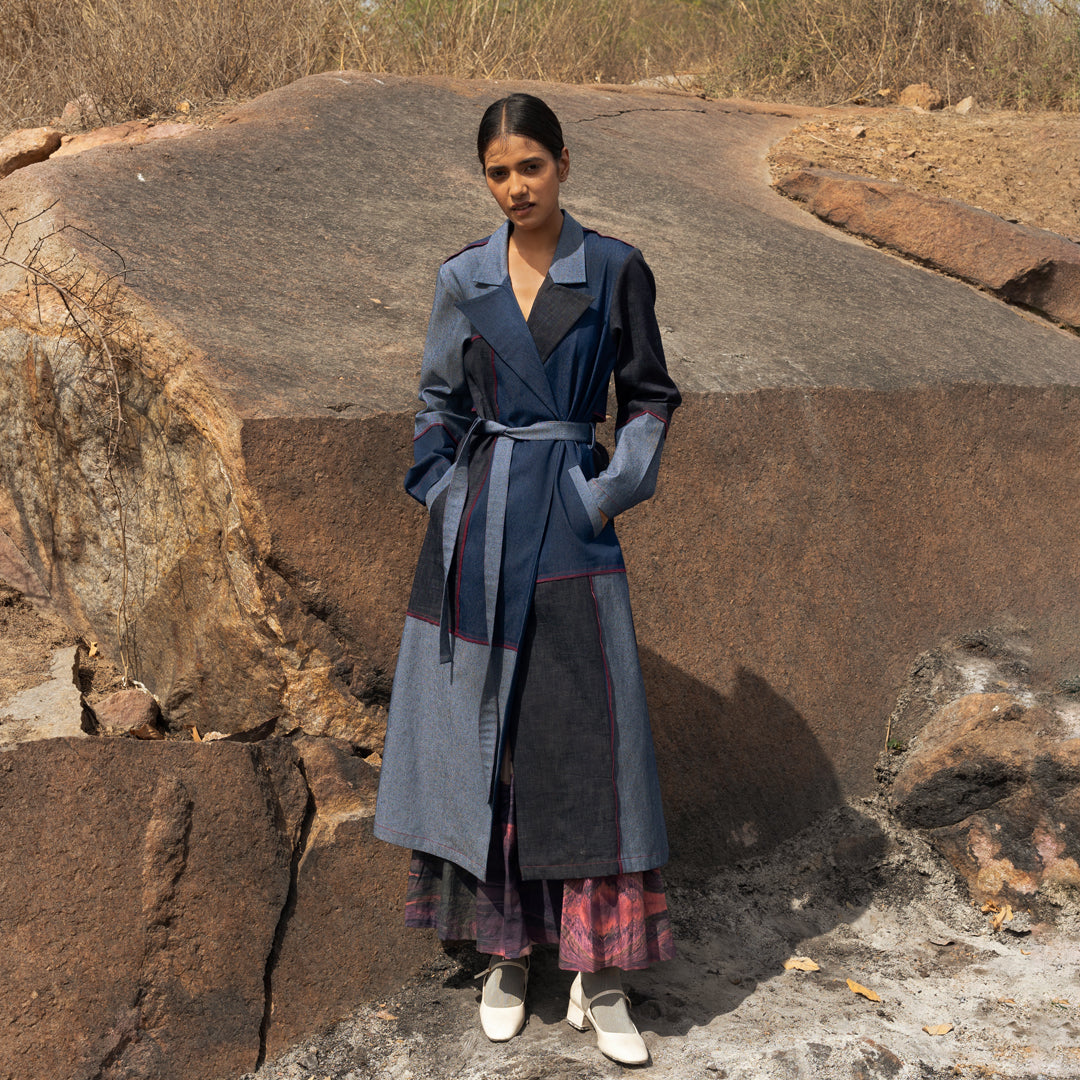
Doodlage
Doodlage starts where most fashion brands stop counting — factory-floor waste and unsold deadstock fabric that would otherwise head to landfill. Designers Kriti Tula and Paras Arora rebuild that discarded material into directional, plastic-free collections; a 2023 line made entirely from discarded materials was presented at the Circular Design Challenge at Lakmé Fashion Week, in partnership with FDCI and the UN in India. It’s upcycling with real design ambition, not just good intentions.
View on Prakati Green Directory →
Okhai
Okhai channels the embroidery and applique traditions of Kutch into contemporary womenswear and home decor, with every piece made by rural women artisans earning a direct, fair wage. What began as a small Gujarat artisan group has grown into a network of roughly 30,000 artisans across 17 craft clusters in 20-plus states — run, notably, as a non-profit. Every order here is a vote for keeping a centuries-old skill economically viable for the women who hold it.
View on Prakati Green Directory →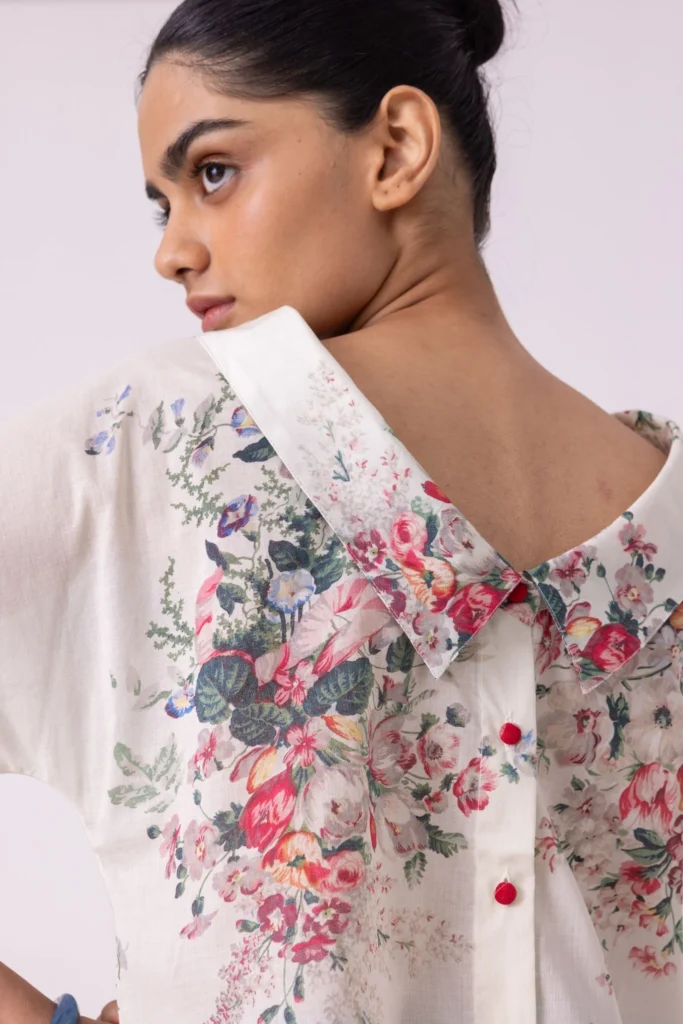
The Summer House
The Summer House mixes old and new sustainability tools with equal confidence — handwoven cotton and linen sit alongside ECONYL®, regenerated nylon made from ocean and landfill waste, and ethically-sourced Tencel™. Behind the label is Summerrays Lifestyle Pvt Ltd, working with 952 craftspeople across 17 craft clusters — fabric choice treated as the first design decision, not an afterthought layered on at the end.
View on Prakati Green Directory →
Suta
Suta works almost entirely in handloom — sarees and separates woven by artisans whose techniques have been passed down through generations rather than taught in a factory training module. The label now works with more than 17,000 weavers and artisans across India, proof that handloom can be both commercially successful and genuinely contemporary in styling.

CoreNature
CoreNature has relocated and relaunched out of Dharamshala in recent years, continuing its original focus on hemp, organic cotton, and plant-based dyes through an ethically run production chain from field to finished garment. The brand’s bet is that hemp — one of the lowest-water, fastest-growing fibres available, and long under-used in Indian fashion — deserves a much bigger place in the country’s sustainable wardrobe.
View on Prakati Green Directory →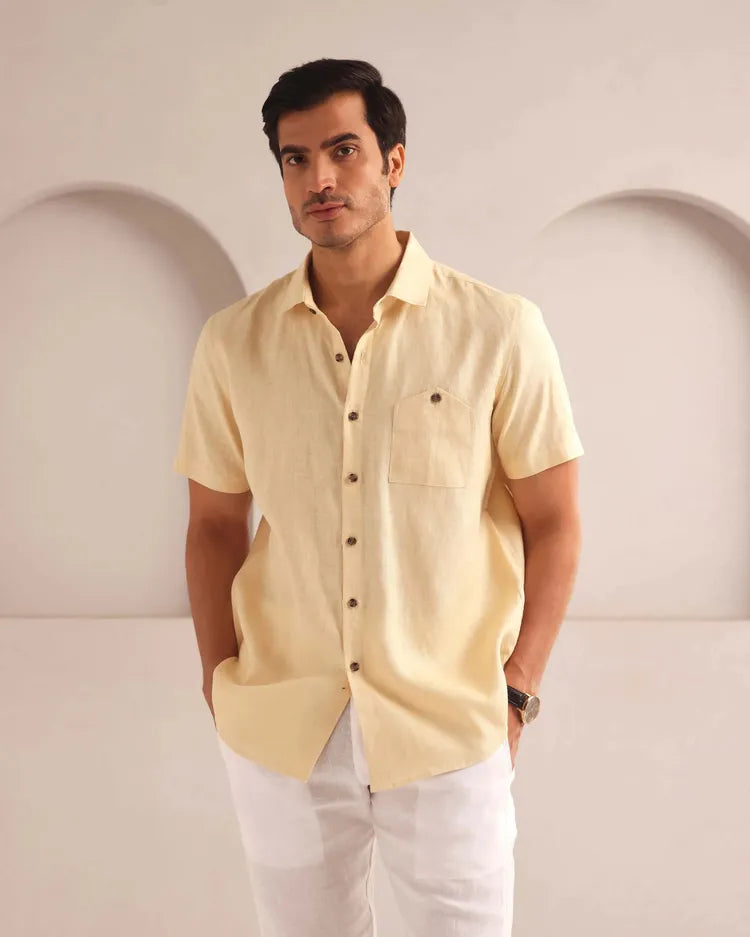
B Label
B Label started life inside the Bombay Hemp Company (BOHECO) with a single white shirt, before becoming an independent, hemp-forward label in 2017 under Alisha Sachdev. It’s built around sustainable basics — proof that a sustainability-led spin-off can give a brand a sharper identity, not just a greener one.
Tilla
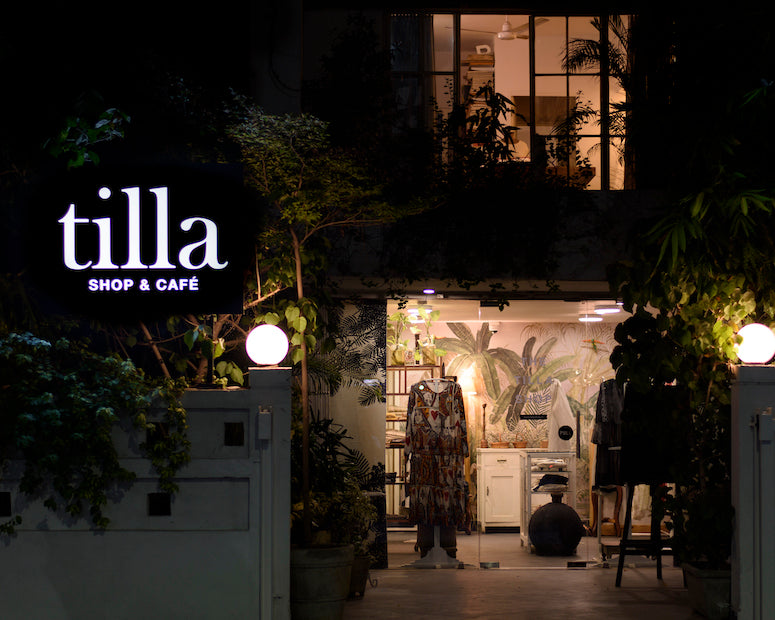
Tilla is slow fashion almost literally — small-batch, handmade textile collections produced deliberately at a pace that limits waste rather than chasing trend cycles. The label has since expanded beyond clothing into wallpaper, interior textiles, and textile-art installations, and now runs a physical Tilla Shop & Café in Ahmedabad — restraint treated as a design value worth building a whole world around.
Charkha Tales
Charkha Tales builds its collections around khadi — hand-spun, hand-woven cotton with deep roots in India’s freedom movement — alongside chikankari embroidery and traditional tie-dye. The brand was deliberately launched on 2 October, Gandhi’s birthday, and works closely with weavers in Zaidpur village, Barabanki, and in Hardoi, both in Uttar Pradesh — the charkha treated as both a literal tool and the brand’s guiding metaphor.
Khamir
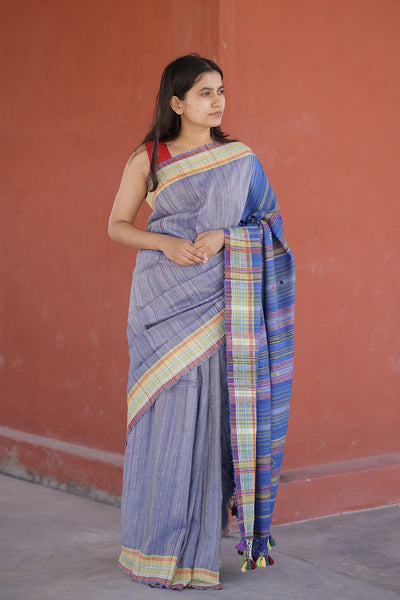
Khamir’s name is itself an acronym — Kachchh Heritage, Art, Music, Information and Resources — and the organisation, founded jointly by the Kachchh Nav Nirman Abhiyan and the Nehru Foundation for Development, works at the intersection of craft preservation and livelihood support. It helps artisan communities across Kachchh — weavers, leatherworkers, potters, dyers — access markets for traditional handicrafts that might otherwise fade as younger generations move on. It’s less a single fashion label than an entire regional ecosystem given a sustainable economic footing.
The Terra Tribe
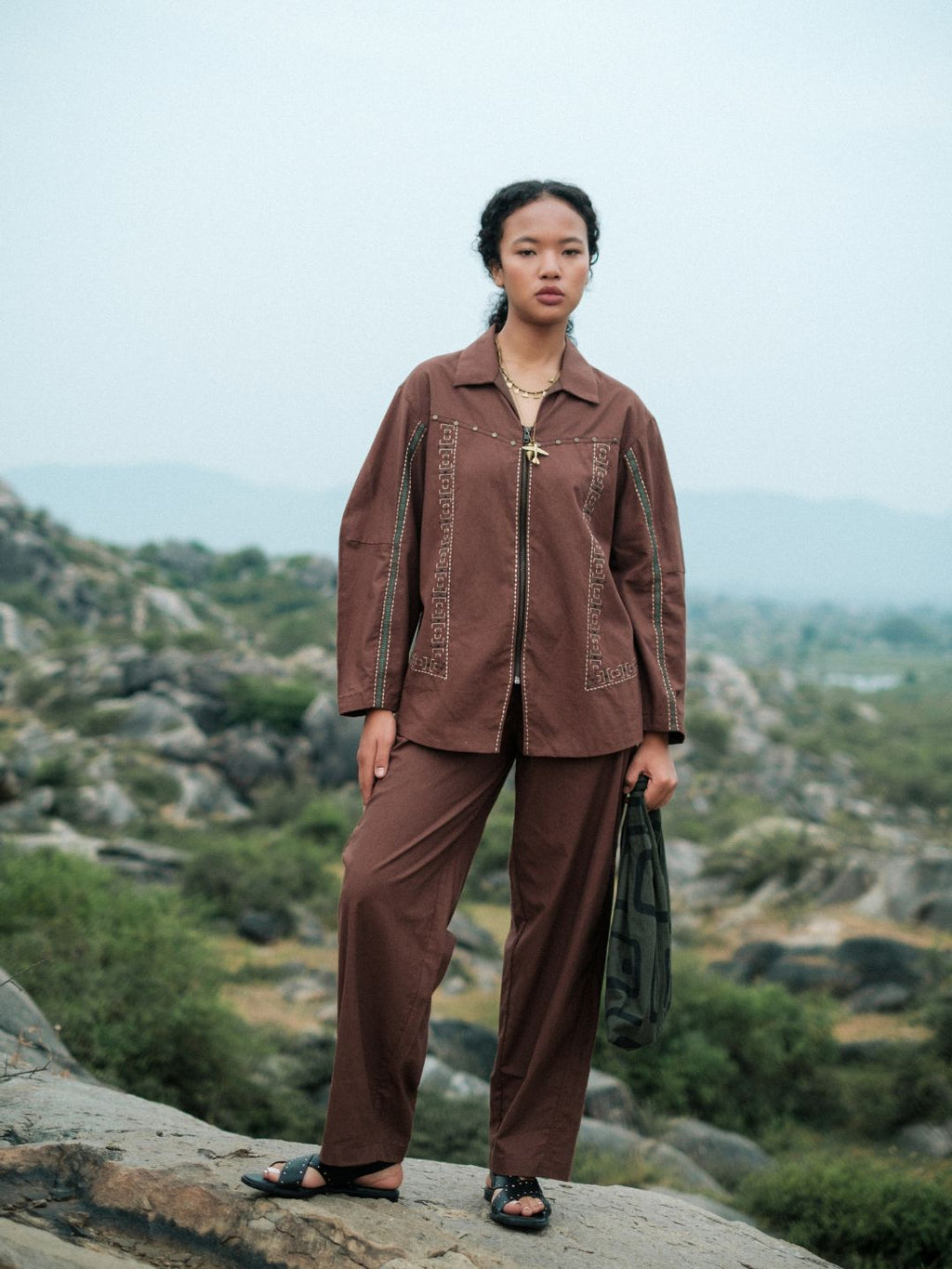
The Terra Tribe builds its collections around fabrics chosen specifically for lower environmental impact — Tencel, handwoven hemp, linen — finished with eco-friendly dyes rather than conventional chemical processes. The label is also PETA-certified vegan, fully plant-based and cruelty-free, treating every material substitution as a small environmental calculation rather than just a marketing line.
SUI
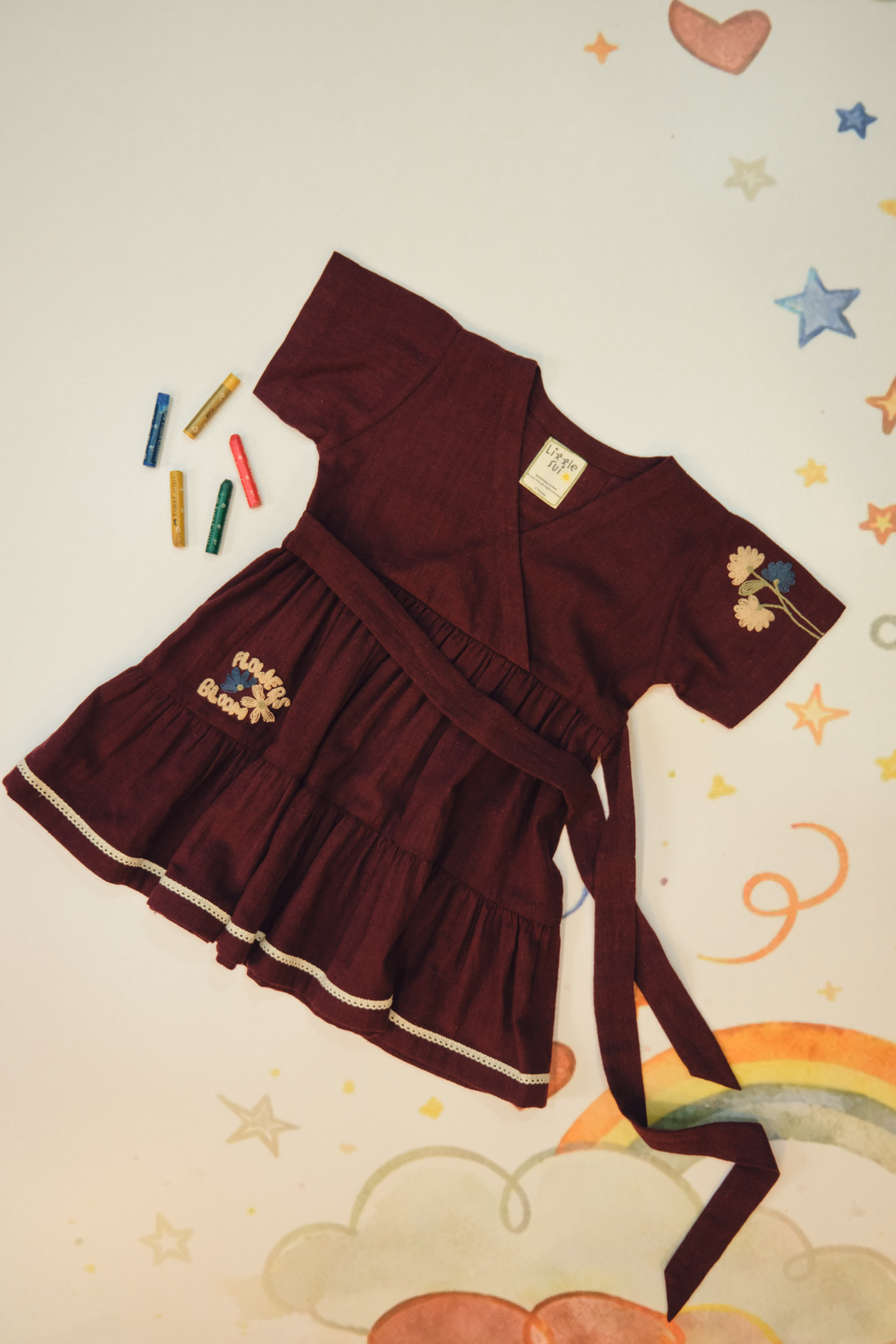
SUI — Hindi for “needle” — designs with a deliberately light footprint: organic materials, close artisan collaboration, and a minimal-impact philosophy that runs from fabric sourcing through to finished silhouette. Founder Mahima Gujral Wadhwa’s dual India–Singapore base gives the label a design language that reads as easily abroad as it does at home.
Jodi
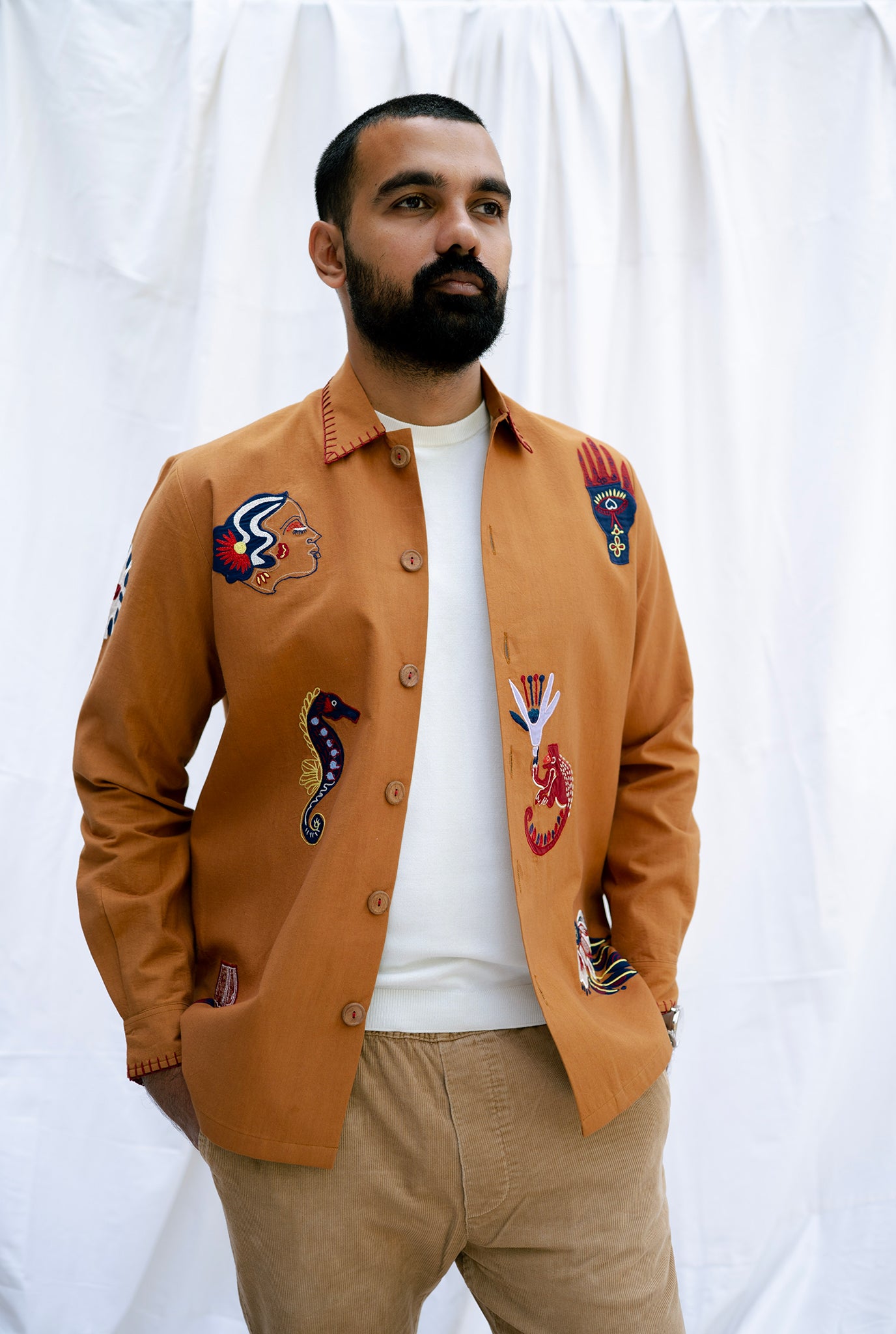
Jodi is named for partnership, and that shows in how it works — pairing modern silhouettes with hand block printing, bandhani tie-dye, and hand embroidery sourced from artisan clusters across India. The label won the Grazia Young Fashion Awards in 2015 and now ships as far as the US, Dubai, Kuwait, Saudi Arabia, Singapore, and the UK, keeping these specific hand-skills visibly, unmistakably present in every piece.
Oshadi
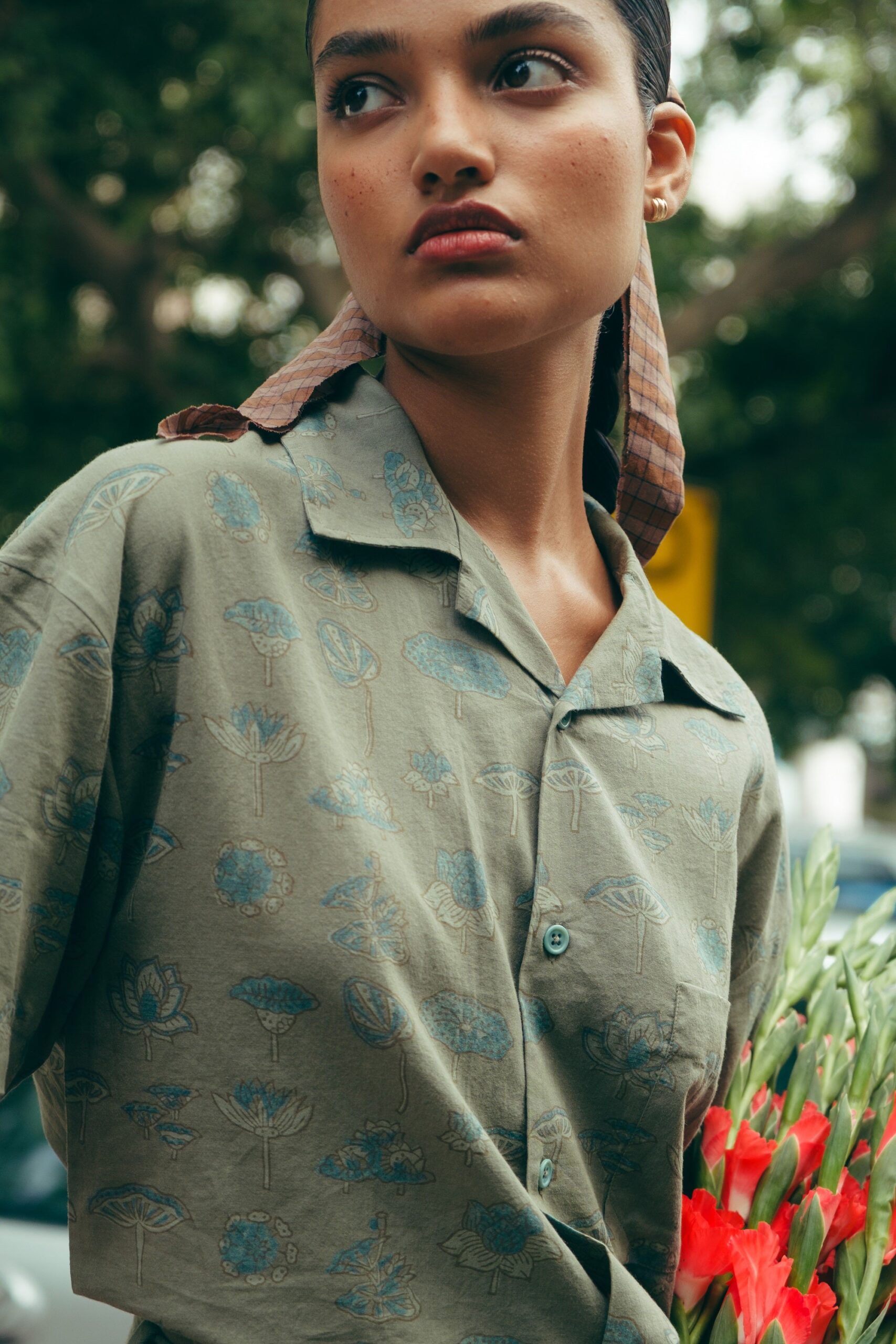
Oshadi controls its supply chain about as completely as a fashion brand can — growing regenerative cotton on its own 250-acre farm and cultivating indigo on-site, then carrying that fibre through ancient hand-spinning and dyeing techniques into the finished garment. Working with 300-plus farmer partners on indigenous long-staple cotton seeds, compost, and pollinator cover crops, Oshadi isn’t just sourcing sustainably — its farming practice is actively drawing down atmospheric carbon.
Maati
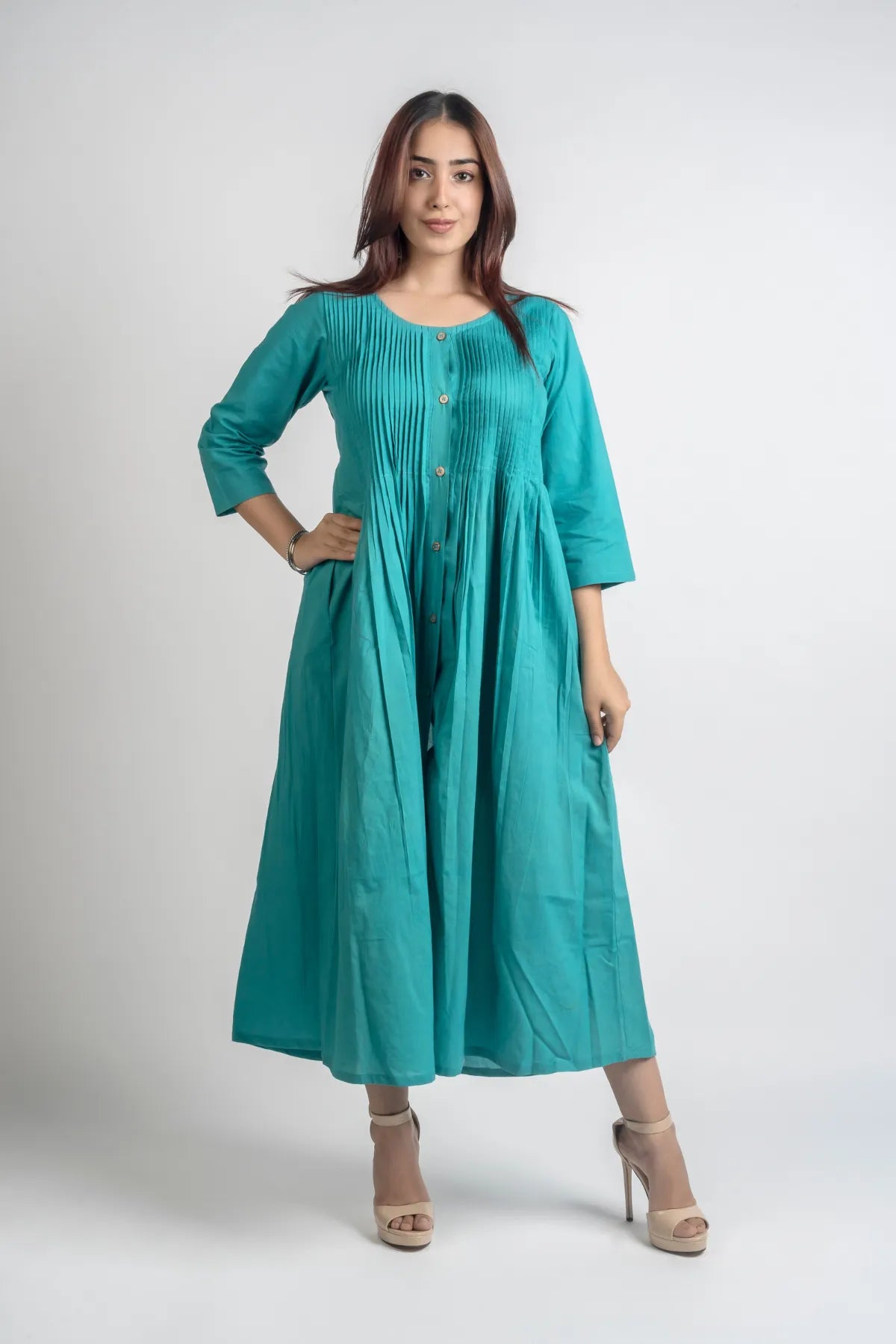
Maati pairs organic fabrics and natural dyes with zero-waste pattern cutting and upcycled yarns — an unglamorous but genuinely difficult design discipline that minimises offcuts before a single seam is sewn. The label is PETA-verified and plastic-free even in its packaging, and is carried by stockists in Bengaluru, Indore, Hyderabad, and Kolkata alongside its own site — waste reduction solved at the drafting table, not after the fact.
11.11/eleven eleven
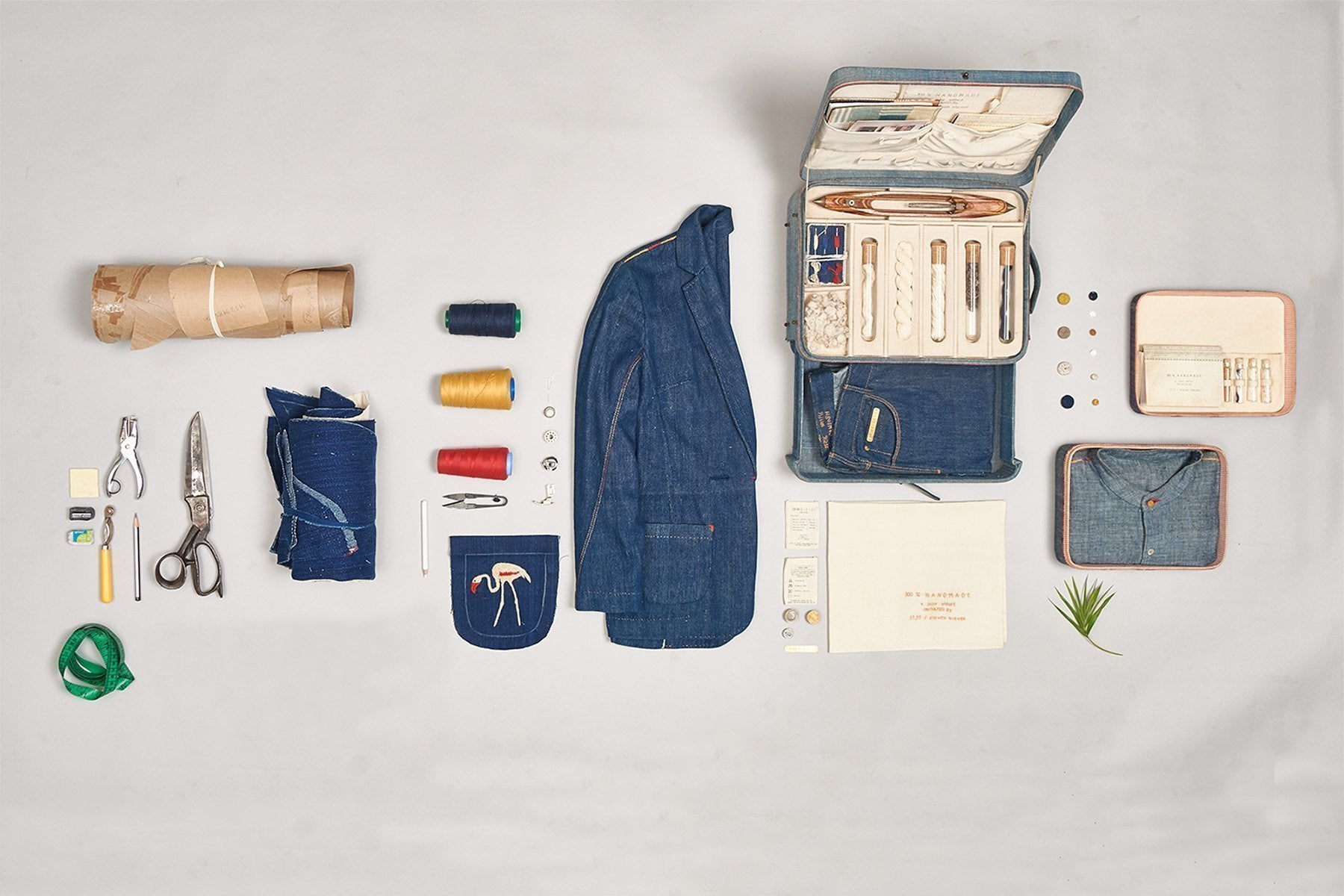
11.11/eleven eleven works almost entirely in indigenous cotton varieties, hand-spun and handloom-woven, finished with 100% natural dyes — a near-total rejection of industrial textile shortcuts. The label’s design vision draws on the work of architect Didi Contractor, and it primarily serves high-end markets in India, Japan, and the USA, making the case that India’s slowest textile traditions can also be its most globally relevant.
Nicobar
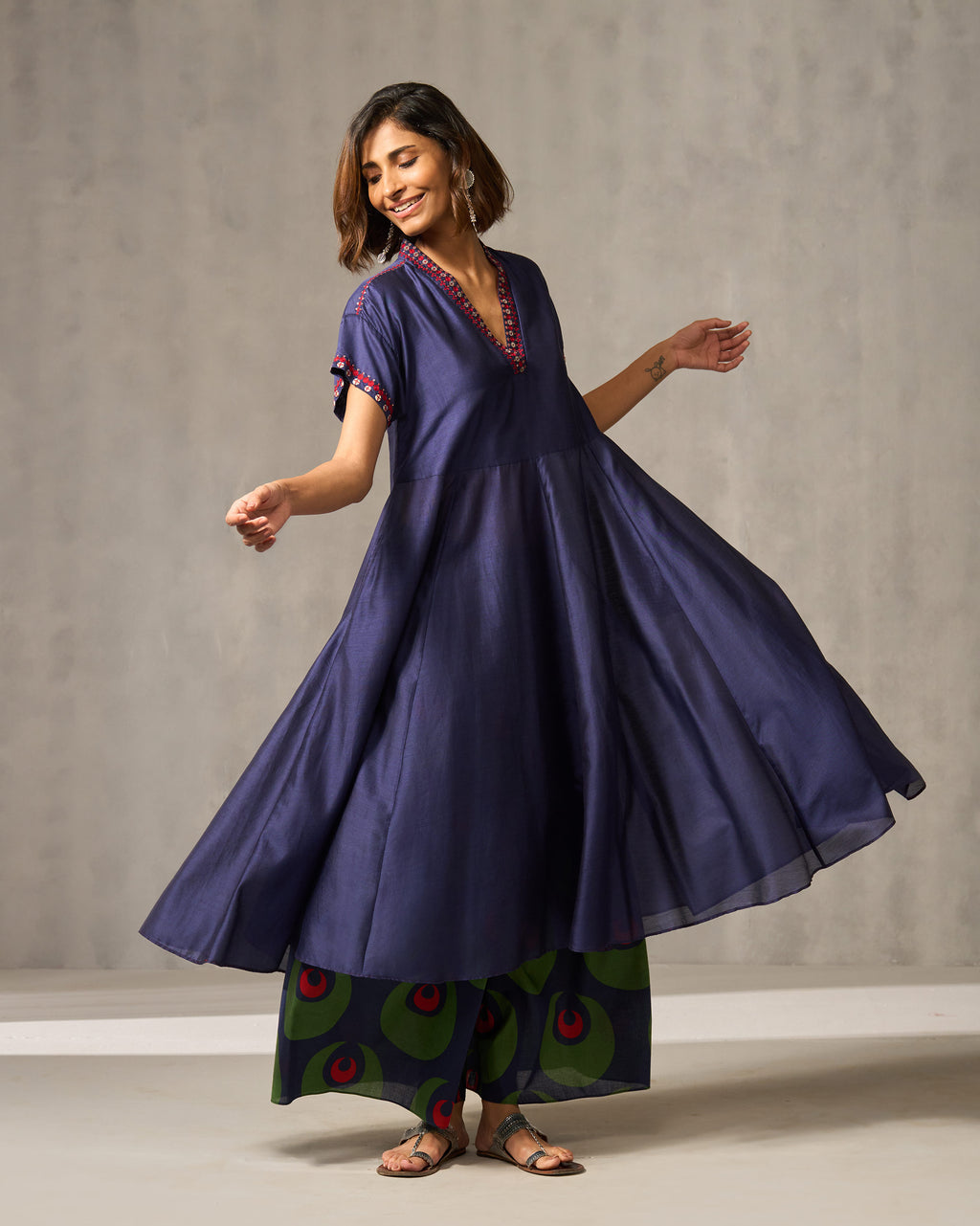
Nicobar takes Indian craft traditions and travel-inspired motifs and resets them into clean, contemporary silhouettes — proof that heritage-inspired design doesn’t have to read as costume. Founder Simran Lal, previously CEO of Good Earth, has grown the label to nearly 30 stores across India spanning apparel, jewellery, dinnerware, and furniture, with considered, unhurried production treated as core to the brand’s identity rather than a side note to it.
IRO IRO
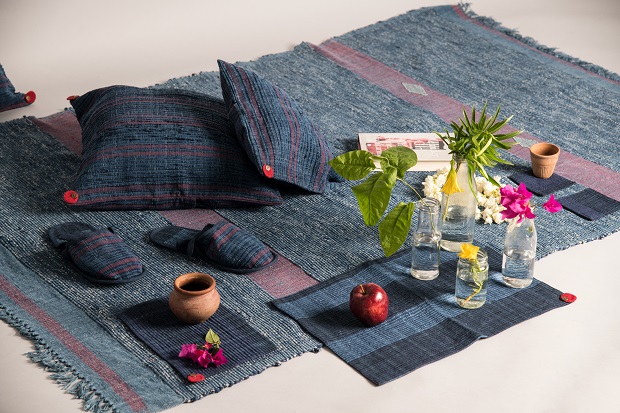
IRO IRO is built squarely around circular design — taking textile waste streams and indigenous craft practices and folding them back into new, wearable pieces rather than treating “waste” and “fashion” as separate categories. The Jaipur studio guarantees year-round work at living wages for 35 artisans, and was a finalist in the Circular Design Challenge by Lakmé Fashion Week — circularity expressed as aesthetic choice, not just constraint.
View on Prakati Green Directory →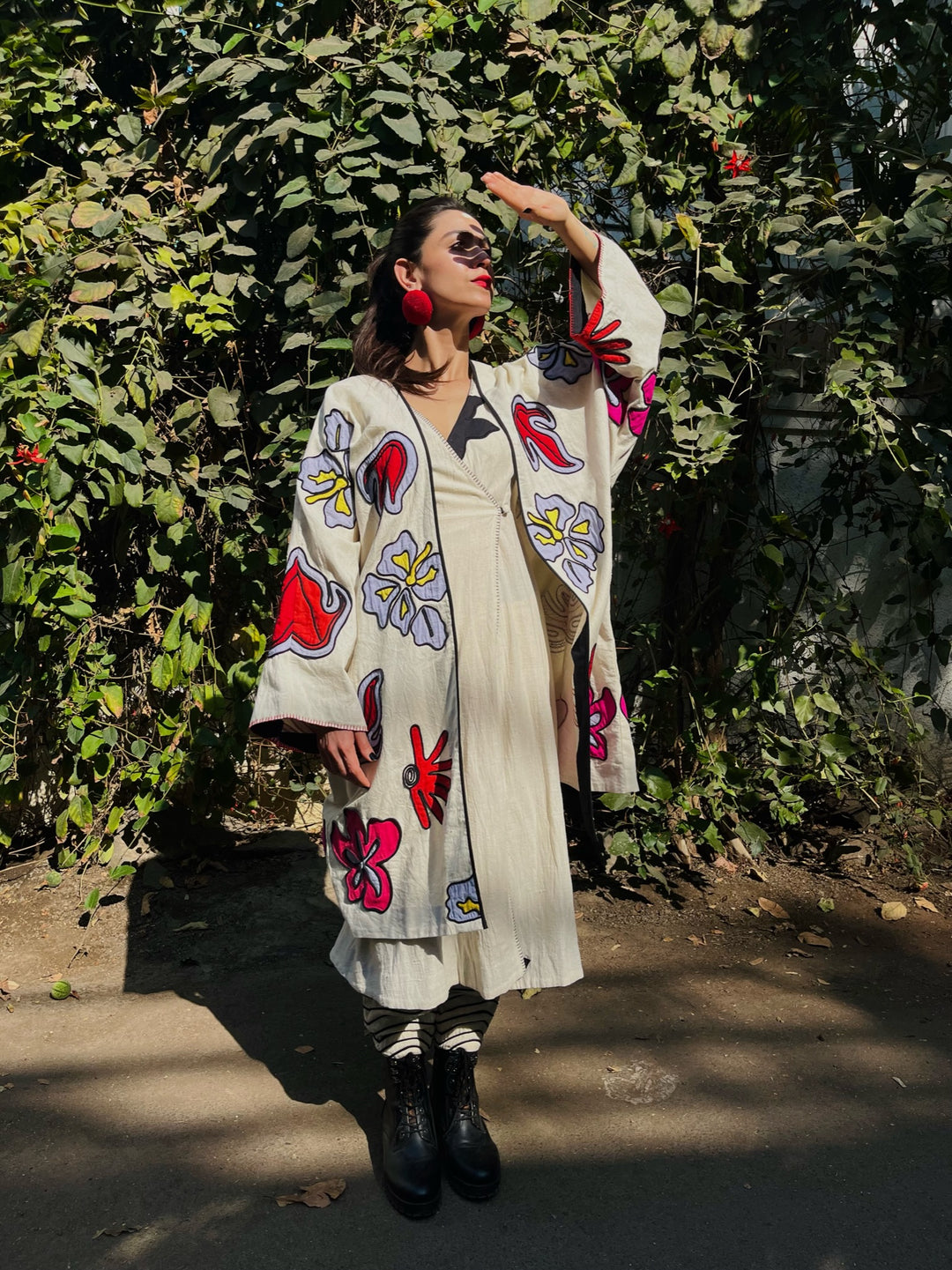
Ka-Sha
Ka-Sha pairs indigenous textiles and artisanal technique with “Heart To Haat,” its dedicated upcycling initiative that turns leftover fabric and past-season pieces into entirely new garments. The initiative began in 2012 purely as an internal effort to manage Ka-Sha’s own post-production waste, before growing into an industry-facing programme — sustainability built into the label’s structure twice over, once in how garments are made and again in what happens to them afterward.
Upasana
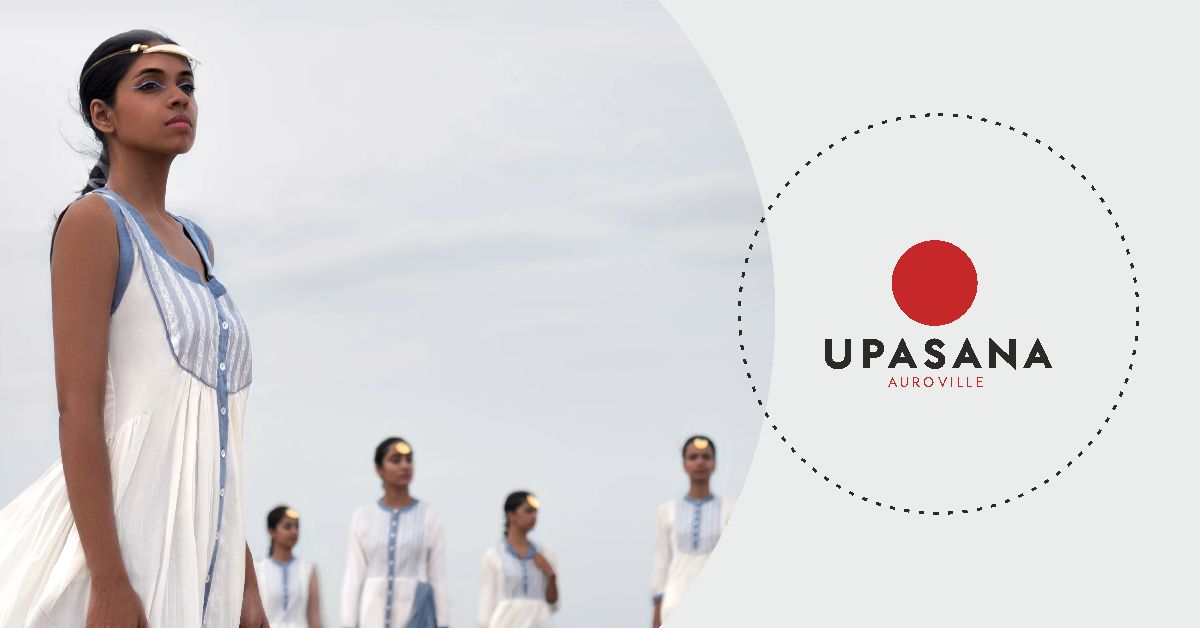
Upasana operates out of Auroville, the experimental township built on principles of collective living, and its fashion practice reflects that DNA — sustainability integrated into the whole creative and community process, not bolted on as a single eco-friendly line. The label also runs Tsunamika, a livelihood project for fisherwomen affected by the 2004 tsunami; founder Uma Prajapati has lived in Auroville since 1996, longer than almost anyone else on this list has been at this work.
OZISS
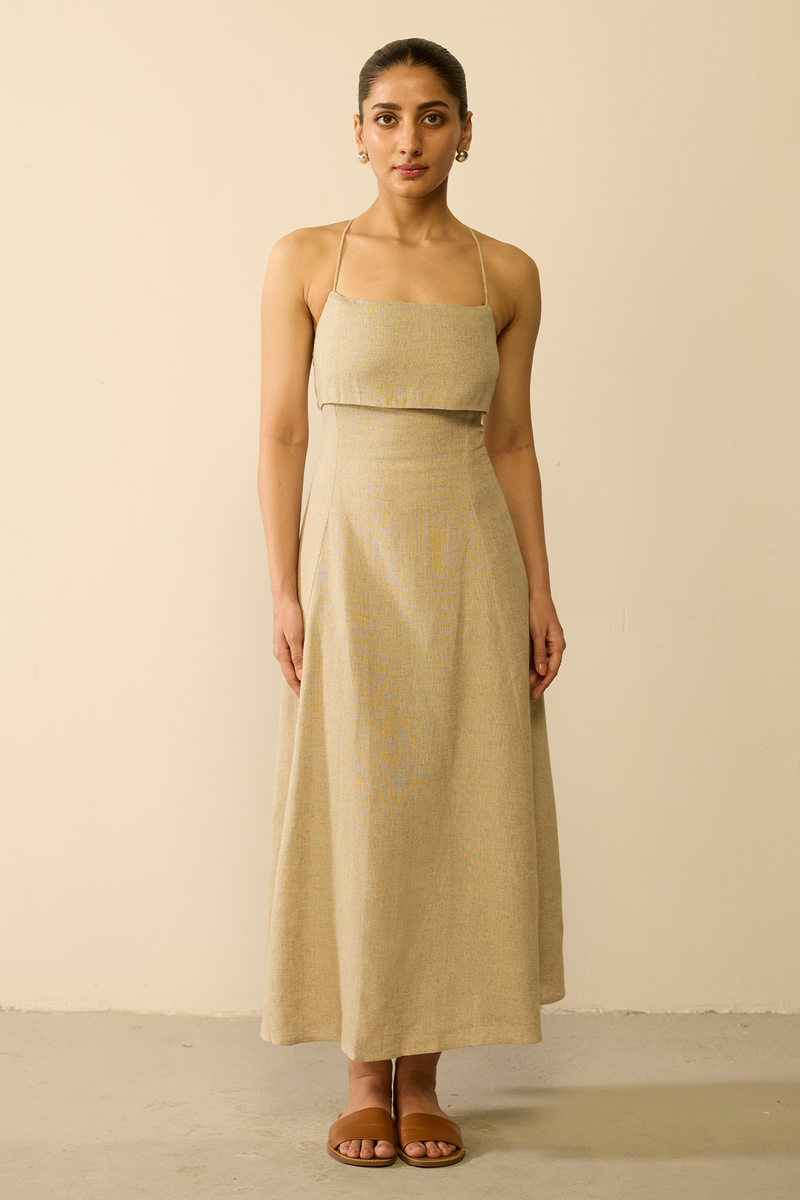
OZISS is making a different bet than most of this list: that sustainable fashion’s biggest opportunity in India isn’t at the premium end but at everyday price points. Founder Siddhant Yadav is a second-generation entrepreneur from a family with 37 years in Indian textile manufacturing and export — including work for Shahi, Manish Arora, and Swarovski — and he’s applying that production know-how to keep sustainable basics genuinely affordable, not positioned as a luxury feature.
Ethicus
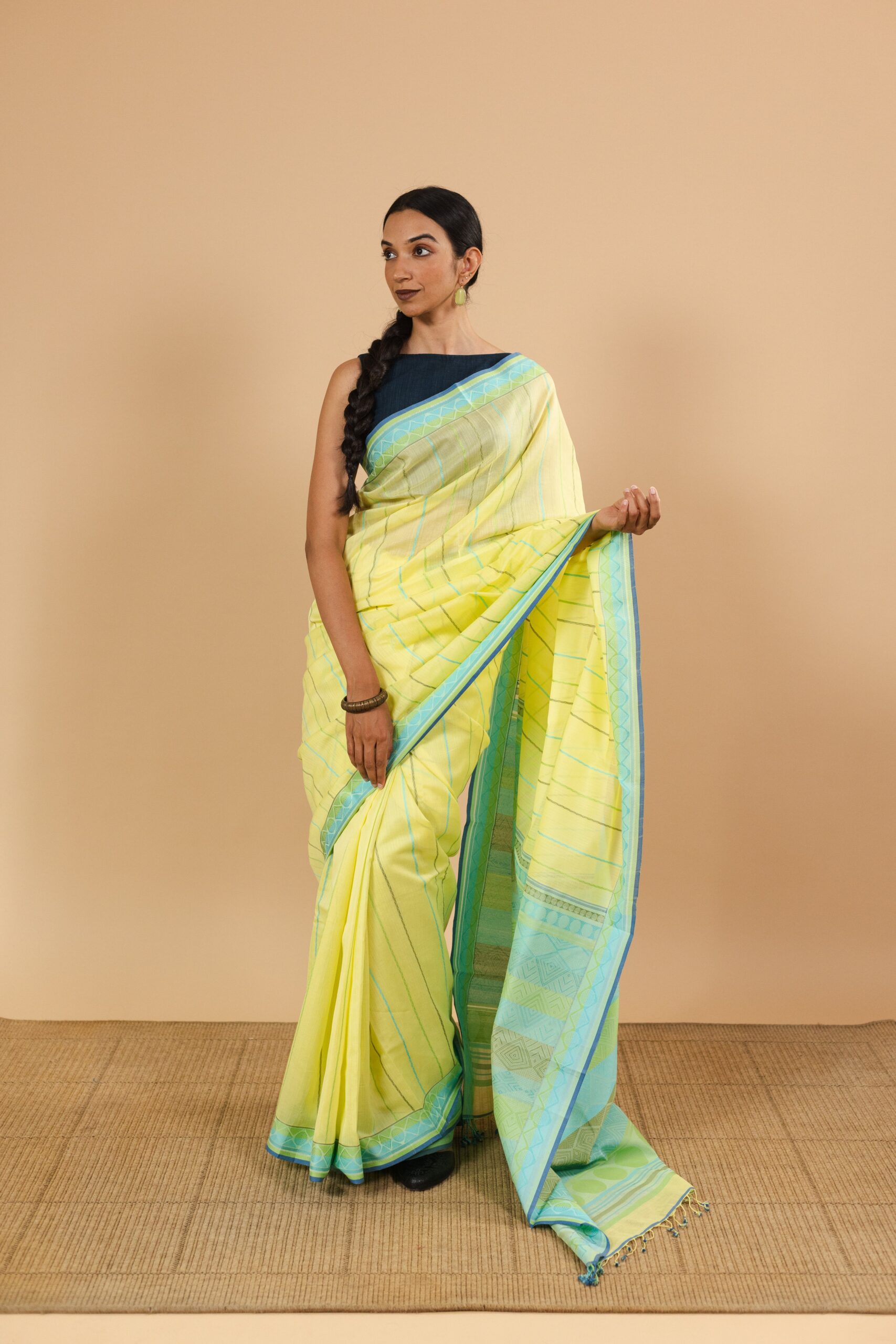
Billed as India’s first farm-to-fashion brand, Ethicus grows organic cotton under its own Eco-Logic programme and hands it directly to the handloom weavers it works with continuously — no anonymous intermediary supply chain in between. Every saree carries a tag with the name of the weaving artisan and how long it took to make, turning “traceability” from a buzzword into simply how the business is run.
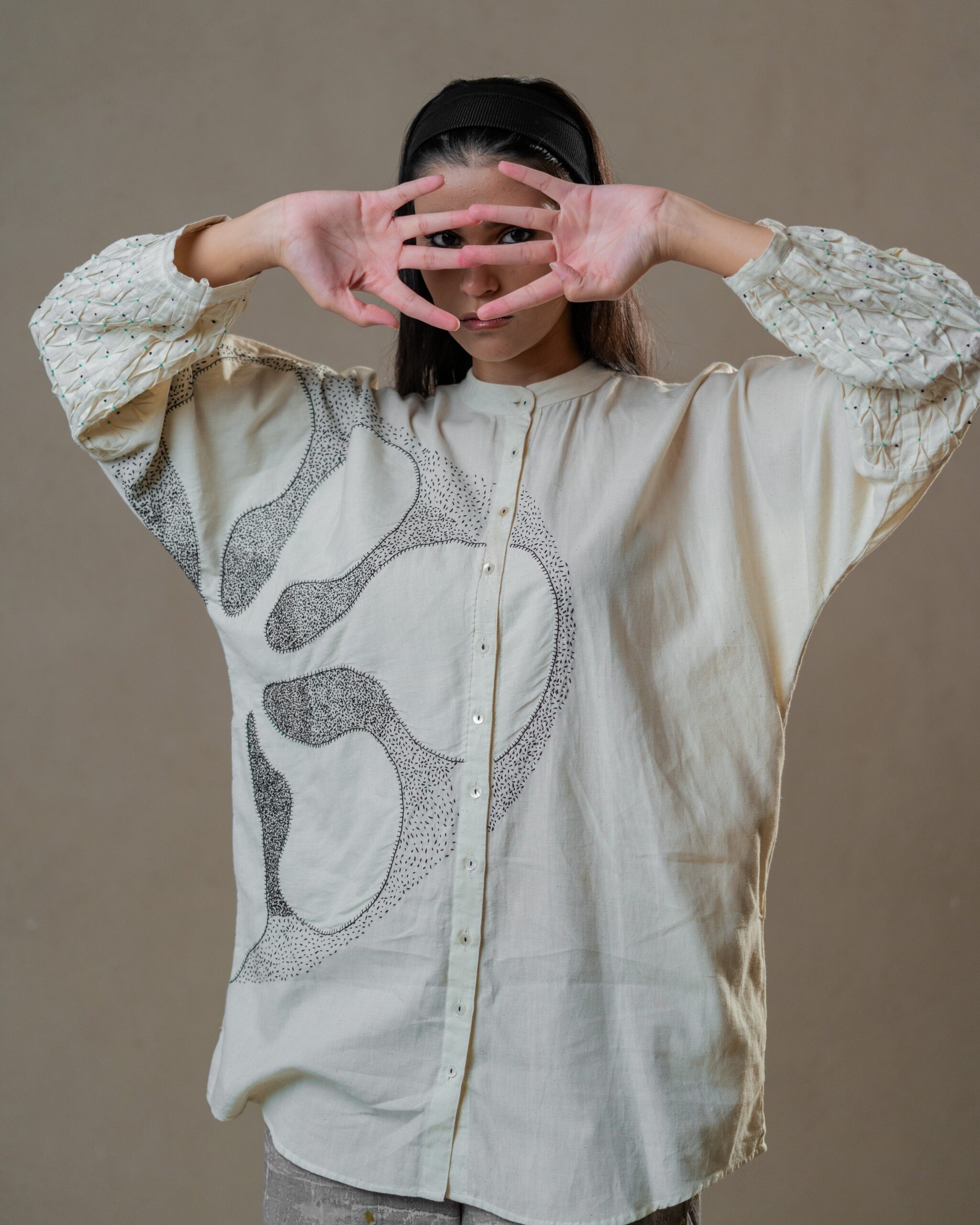
Adheera
Adheera works extensively in shibori, the Japanese-rooted resist-dyeing technique, applied to organic fabric and finished with hand stitching rather than machine production. The label uses only azo-free dyes, and leftover textiles are repurposed back into new designs rather than discarded — each dye pattern essentially one-of-one, a quiet rebuttal to fast fashion’s promise of identical pieces at infinite scale.
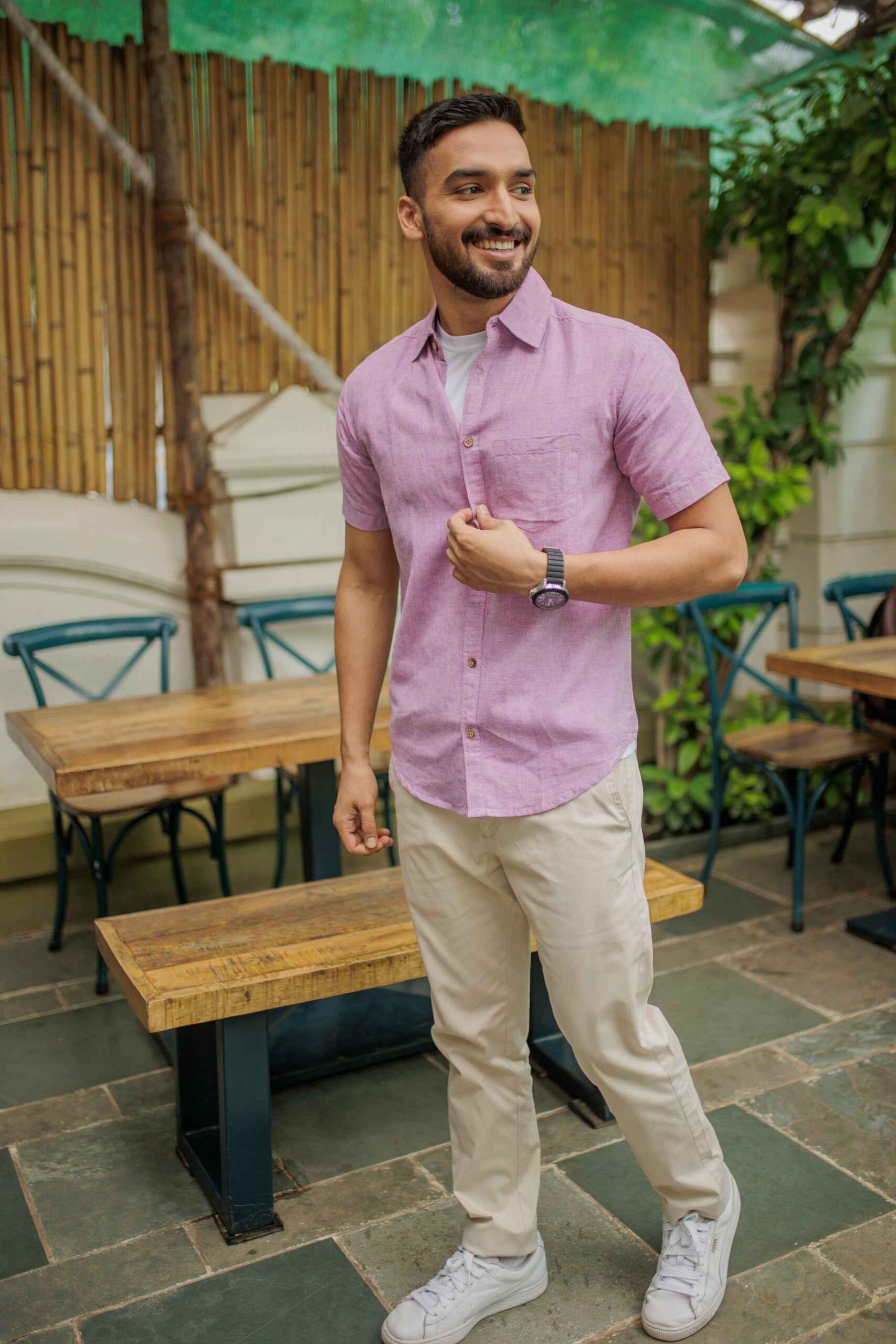
Earthy Route
Earthy Route builds its collections around lyocell and linen — both biodegradable, both meaningfully lower-impact than conventional synthetics — as everyday eco-friendly choices rather than a single hero “sustainable” capsule. Founded by two chartered accountants, the brand ships pan-India from a Mumbai warehouse in 2-3 working days to metros, keeping the proposition simple: better fibres, used consistently, across the whole line.
View on Prakati Green Directory →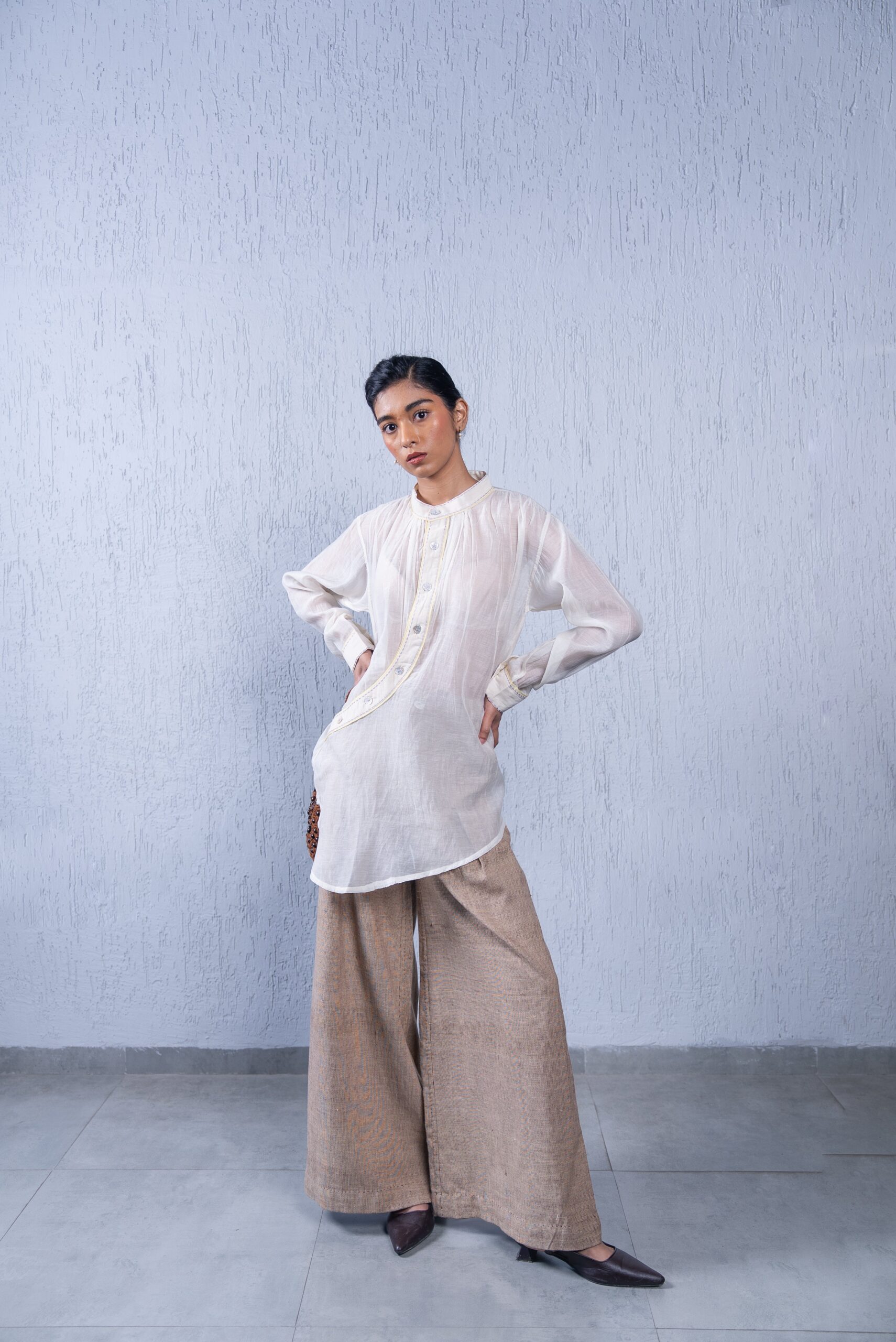
Lafaani
Lafaani closes out this list with a philosophy that ties the whole movement together: slow clothing, built on artisan craftsmanship, designed to be worn for years rather than a single season. The label works specifically with Kala Cotton and Brown Cotton — indigenous, rain-fed, pesticide-free Gujarat cotton varieties, hand-spun on Ambar Charkhas — effectively betting against the entire fast-fashion calendar, and on every label above it on this list making the same bet alongside it.
Twenty-Six Brands, One Shared Instinct
What you wear can carry the same care as what you eat or how you travel. None of these labels would claim to be perfect — sustainability in fashion is a direction, not a finish line. But each is pulling India’s wardrobe a little further from disposability and a little closer to craft, fairness, and intention. Know an Indian sustainable fashion brand we should be tracking? Tell us. And if you run one yourself, you can list it for free in the Prakati Green Directory.
Last but not least there’s another sustainable lifestyle brand I would like to mention:
Brown Rice Studio by Miriam Strehlau from Goa – worth a visit: http://www.brownricestudio.com
Hi,
We are an emerging brand ‘R A JE’. An e-com business making online shopping Ethical and Customisable, it runs on ethics like- BESPOKE, SUSTAINABILITY, GENDERLESS DESIGNS, RENTAL, ZERO-WASTE. We are aiming to introduce a new way of shopping by using Augmented Reality and Virtual Reality where Customers can try our clothes virtually.
This article is too helpful to find out India`s honchoes clothing brand eminant & are hugely successful. Readout this article.
Clothing Brands are extremely important in day today`s life . They inspire & help people to dress properly with less time & labour. Clothing brands are built based on demand trends & consumer friendly way . In these fast pace of societies , they design cloths keeping the imtortance of occasion , timmings, style,trends, colour , skin friendly, body hugging ,easy to carry& fashionable clothes.At the end every valid points ,perspective mentioned in this article deserve a huge thumbs up.
Great information thanks for sharing such a valuable information.
Hey, there is a super brand working in the space Vagmire.com
Clothing Brands are extremely important in day today`s life . They inspire & help people to dress properly with less time & labour. Clothing brands are built based on demand trends & consumer friendly way . In these fast pace of societies , they design cloths keeping the imtortance of occasion , timmings, style,trends, colour , skin friendly, body hugging ,easy to carry& fashionable clothes.At the end every valid points ,perspective mentioned in this article deserve a huge thumbs up.
The multibillion-dollar global fashion industry is focused on the production and retail of clothing. Both new and established Indian fashion businesses have significantly more opportunities to emerge in the Indian apparel market.