
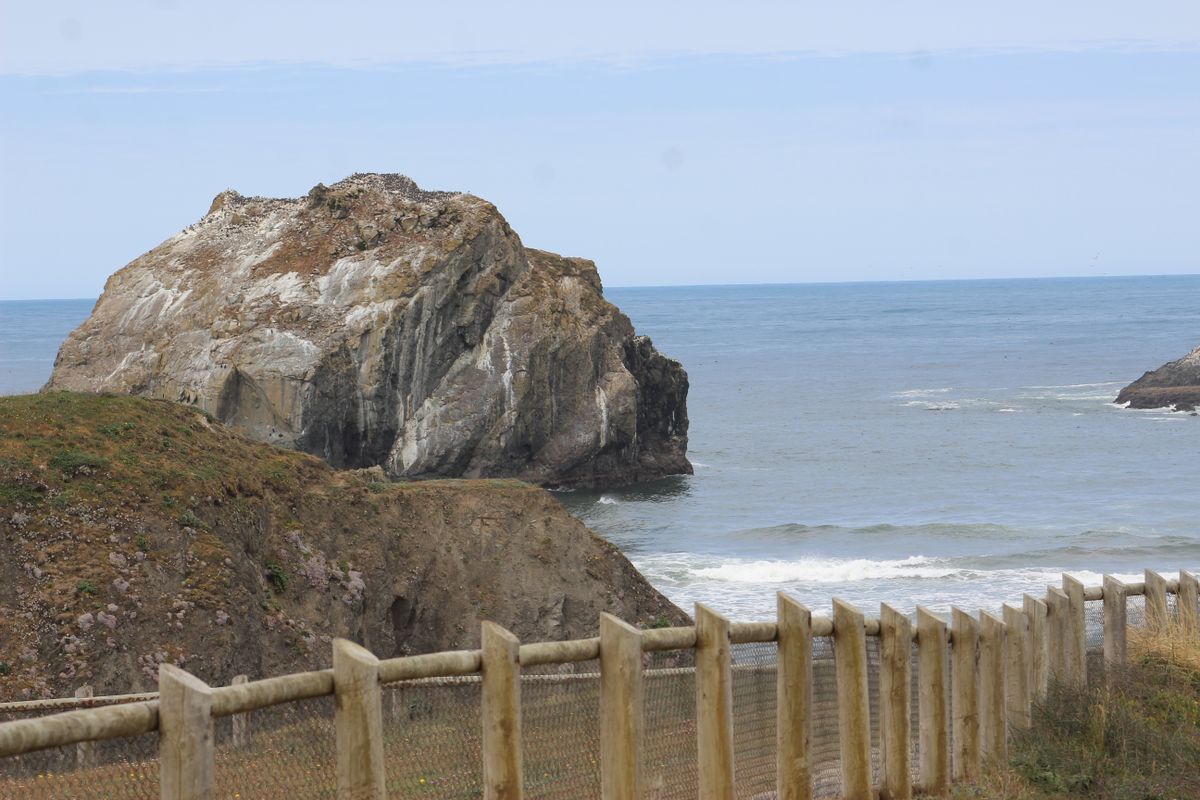
India has 11,000 kilometres of coastline and an Exclusive Economic Zone of nearly 24 lakh square kilometres — one of the largest stretches of managed ocean in the world. For decades, most of India’s fishing activity has hugged the shore, leaving the deep waters of the EEZ and the vast high seas largely untouched by Indian vessels. On 9 July 2026, that began to change.
What the New Framework Does
The Vice-President of India launched the national programme for issuance of Letters of Authorisation (LoAs) for Sustainable Harnessing of Fisheries in the High Seas at Bhubaneswar, presenting LoAs to ten Fish Farmer Producer Organisations (FPPOs) and fishermen from across the country in the first batch. He also launched the Odisha Deep Sea Fishing Mission Document — a state-level framework that operationalises the national initiative for Odisha’s fishing communities.
An LoA under this framework is a mandatory, vessel-specific, non-transferable authorisation for Indian-flagged fishing vessels to operate in the high seas — waters beyond India’s EEZ boundary. It is valid for three years and is linked to a fully online, time-bound application process. The system is designed to ensure that Indian vessels operating in international waters are registered, traceable, and accountable — meeting India’s obligations under international fisheries governance frameworks while unlocking access to high-value species like tuna that were previously accessible only to foreign fleets.
Why Sustainability Is Central to the Design
High seas fishing has a complicated history globally. In the absence of strong governance, it tends toward overexploitation: vessels from multiple countries compete for the same stocks, with no single authority tracking cumulative take. The UN’s Food and Agriculture Organisation estimates that over 35 per cent of global fish stocks are fished at biologically unsustainable levels.
India’s LoA framework attempts to build sustainability into the authorisation from the start. By making each vessel’s permission vessel-specific and non-transferable, and by requiring online registration that links catch data to individual boats, the government is creating a paper trail for what Indian vessels take from international waters. Priority is given to fisheries cooperatives and Fish Farmer Producer Organisations — structured collectives more amenable to compliance and monitoring than individual operators.
The Vice-President was explicit on the broader intent: “Sustainable fishing is a moral responsibility; growth must go hand in hand with conservation.” That framing — not just an economic expansion but one bounded by ecological accountability — is important. It distinguishes this initiative from simple extraction-focused fisheries development and places it within India’s broader environment sustainability commitments.
The Scale of the Opportunity
India is already the world’s second-largest fish-producing country, contributing approximately eight per cent to global fish production. The sector supports the livelihoods of nearly three crore fishermen and fish farmers, and seafood exports crossed ₹73,000 crore in the last financial year. The EEZ and high seas represent the next frontier for that growth — particularly for high-value tuna species in demand in Japan, the European Union, and the United States.
The island territories of Andaman and Nicobar Islands and Lakshadweep sit at the edge of some of the world’s richest tuna fishing grounds. Under the previous regulatory gap, Indian fishermen near these islands had no legal mechanism to venture into the high seas. The LoA framework closes that gap — and the Union Budget 2025-26 specifically called for this enabling framework to be created, giving the initiative both legislative backing and a clear fiscal mandate.
Balancing Growth With Ocean Conservation
The real test of this initiative will be in its implementation. Issuing LoAs is a start; enforcing catch limits, verifying reported data, and monitoring the ecological health of species targeted by Indian high seas vessels is the harder, ongoing work. India will need to participate actively in the Regional Fisheries Management Organisations (RFMOs) that govern international fishing grounds — multilateral bodies with their own allocation systems and science-based catch quotas.
What makes the launch notable from a sustainability perspective is precisely that the government chose to build governance first, rather than opening access and worrying about conservation later. The LoA system, with its traceability requirements and cooperative-first priority, is designed to bring India into the high seas as a responsible actor — not merely an additional source of fishing pressure on already stressed stocks.
For the three crore fishing community members whose livelihoods depend on healthy marine ecosystems, the lesson from global fisheries history is clear: fish beyond the rules, and within a generation the stocks collapse. Fish sustainably, and the sea remains productive indefinitely. India’s LoA framework, at least in its design, appears to have absorbed that lesson. Whether implementation lives up to the intent will determine whether this becomes a model worth replicating — or a cautionary tale.
Source: Press Information Bureau, Government of India — PRID 2282766, dated 9 July 2026. Read the original release.