
Prakati Edit · Reading List
10 Best Slow Living Books for a Calmer, Simpler Life
From a Zen teacher’s notes on stillness to Thoreau’s cabin by a pond — ten books that make a persuasive, practical case for doing less, and living more.
Slow living is not about doing everything at a snail’s pace — it is about doing the right things at the right pace, and letting the rest fall away. In a country that runs on deadlines, traffic, and ten-minute grocery deliveries, choosing slowness has quietly become one of the most radical forms of sustainable living: when you buy less, rush less, and pay attention more, your footprint shrinks along with your stress. The ten best slow living books below — part philosophy, part field manual — are the ones we keep returning to at Prakati. Some come from Japanese and Danish traditions, some from American woods, and every one of them reads beautifully during a monsoon afternoon with a cup of chai.
Disclosure: this reading list contains Amazon India affiliate links. If you buy a book through them, Prakati may earn a small commission at no extra cost to you — it helps keep our sustainability journalism free.
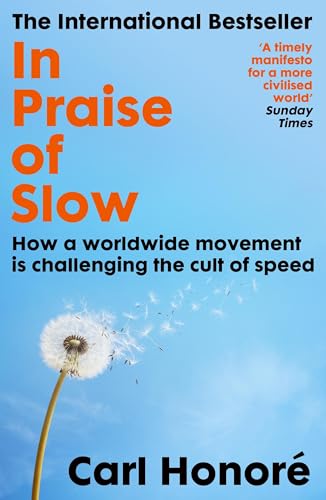
In Praise of Slow — Carl Honoré
If the slow living movement has a founding text, this is it. Canadian journalist Carl Honoré — who caught himself speed-reading bedtime stories to his son — travels through Slow Food in Italy, slow cities, slow work, and the beginnings of slow fashion to ask one uncomfortable question: what is all this speed actually for? Two decades on, his answer feels more urgent, not less. Read it first; every other book on this list is, in some way, a reply to it.
Buy on Amazon.in →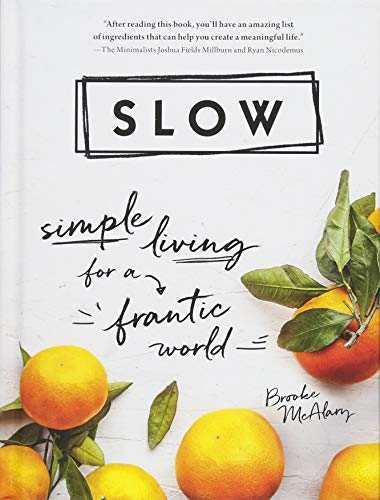
Slow: Simple Living for a Frantic World — Brooke McAlary
Where Honoré diagnoses, McAlary prescribes. After a period of severe burnout, the Australian podcaster rebuilt her family’s life around less — fewer possessions, fewer commitments, fewer tabs open in the brain — and this book is her working manual. What makes it stand out among slow living books is its honesty: there are backyard-chicken failures and messy compromises alongside the decluttering wins. Warm, funny, and completely unpreachy, it reads like advice from a friend who is a few years ahead of you on the same road.
Buy on Amazon.in →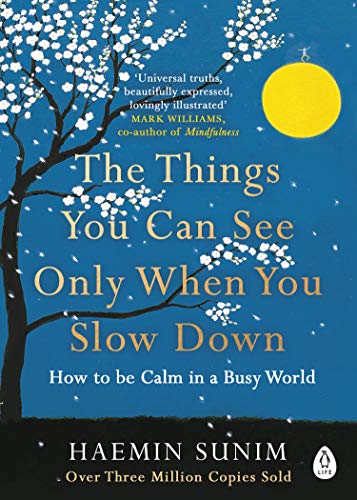
The Things You Can See Only When You Slow Down — Haemin Sunim
A Korean Zen Buddhist teacher’s short meditations on rest, relationships, and the mind’s tendency to sprint — arranged so you can open any page and find something worth sitting with. Sunim’s central insight lands gently but stays: the world moves fast because your mind does; when your mind rests, the world rests with it. Beautifully illustrated and readable in an afternoon, it is the book on this list we most often gift to someone who “doesn’t have time to read”.
Buy on Amazon.in →
Ikigai — Héctor García & Francesc Miralles
The authors went to Ogimi in Okinawa — one of the world’s longest-living communities — to understand why its residents never really retire, and came back with ikigai: the reason you get up in the morning. Beneath the bestseller gloss is a genuinely slow idea, that a long life is built from unhurried days of purpose, small gardens, close friends, and food grown nearby. If your slow living questions are less “how do I declutter” and more “what is it all for”, start here.
Buy on Amazon.in →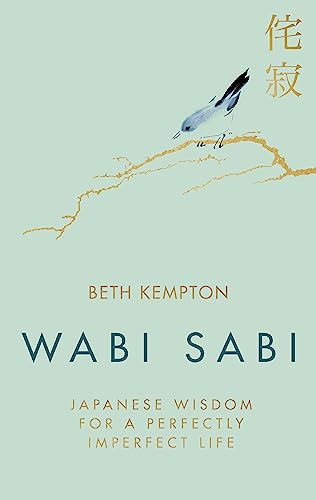
Wabi Sabi — Beth Kempton
Japanologist Beth Kempton unpacks wabi sabi — the Japanese sensibility that finds beauty in the imperfect, the impermanent, and the incomplete — and turns it into a quietly liberating framework for everyday life. For anyone raised on Instagram-perfect homes and careers, its permission slip is profound: the cracked clay cup, the faded cotton kurta, and the unfinished to-do list are not failures to fix but life as it actually is. A natural companion to India’s own handloom and handmade traditions, where no two pieces are ever identical.
Buy on Amazon.in →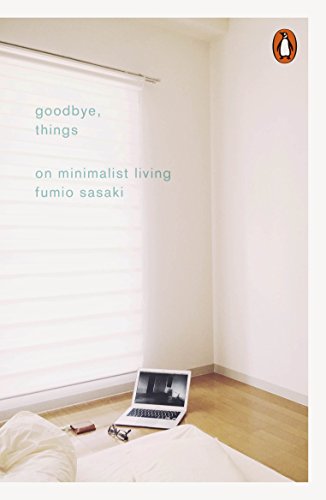
Goodbye, Things — Fumio Sasaki
Sasaki was an ordinary, stressed Tokyo editor living in a cluttered flat when he decided to let almost everything go — and this disarming book documents what happened to his mind when the stuff left. It is minimalism told from the inside, complete with 55 practical rules for parting with possessions and zero judgement about how many you follow. The environmental maths is quietly persuasive too: the greenest object is the one you never bought. Read it before your next big sale-season haul.
Buy on Amazon.in →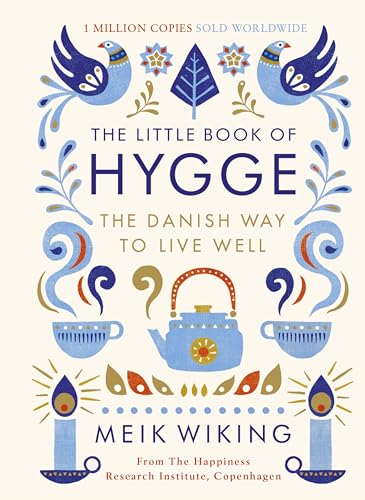
The Little Book of Hygge — Meik Wiking
Written by the CEO of Copenhagen’s Happiness Research Institute, this small book explains hygge — the Danish knack for warm, candlelit, deliberately unproductive togetherness — and why Denmark keeps topping world happiness rankings despite its long dark winters. Its slow living lesson translates effortlessly to Indian evenings: good light, simple food, people you love, phones elsewhere. Proof that atmosphere costs almost nothing and consumes even less.
Buy on Amazon.in →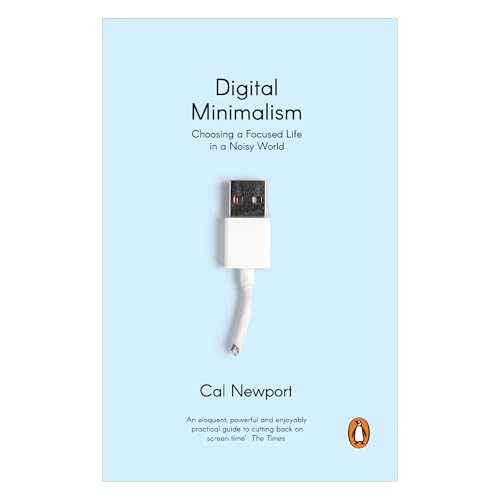
Digital Minimalism — Cal Newport
No honest conversation about slowing down survives first contact with a smartphone, which is why Newport’s book belongs on this list. The computer science professor argues that the attention economy is engineered to defeat willpower, so tinkering with app limits is futile — what works is a 30-day “digital declutter” followed by adding back only the tools that serve something you deeply value. The hours it returns are the raw material every other book here asks for.
Buy on Amazon.in →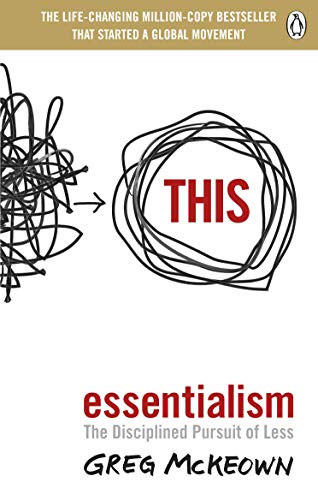
Essentialism — Greg McKeown
Essentialism is slow living for your working hours. McKeown’s discipline — “less, but better” — is a systematic way of trading a dozen half-hearted commitments for the two or three that genuinely matter, then protecting them without guilt. For Indian professionals negotiating hustle culture, its most subversive line is that saying no is not a career risk but a design choice. Pair it with Digital Minimalism and your calendar starts to look like your values.
Buy on Amazon.in →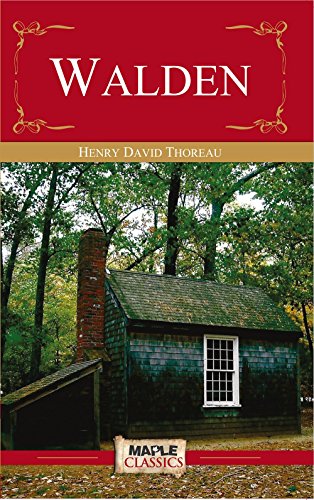
Walden — Henry David Thoreau
A century and a half before “slow living” had a name, Thoreau built a cabin beside Walden Pond and spent two years finding out how little a good life actually requires. “Simplify, simplify” is the line everyone quotes, but the book’s deeper gift is its accounting — of costs, of hours, of what a person buys with their attention. Thoreau’s writing shaped Gandhi’s thinking on simplicity and self-reliance, which gives Indian readers a particular claim on this strange, stubborn, magnificent book. The slow living canon starts here.
Buy on Amazon.in →Ten Books, One Slower Life
You do not need to read all ten — slow living, fittingly, is not a syllabus to race through. Pick the one that names the thing you’re missing (time, purpose, quiet, or simply an evening off your phone) and let it change one habit before you reach for the next. When you’re ready for more, browse our full shelf of books on sustainability, meet the sustainable fashion brands slowing down India’s wardrobes, or explore our curated eco friendly products for the home you’re simplifying.