
Starting a business for the first time is both exciting and overwhelming. Adding a sustainability mission to that mix can feel like extra complexity on top of an already steep learning curve. The good news is that some of India’s most interesting sustainable businesses were built by people with no prior entrepreneurship experience — they simply started solving a real problem they cared about, and built from there.
This guide is for first-time founders specifically: people who want to build something meaningful but need a starting point that is practical, not overwhelming.
Why First-Time Founders Are Well-Placed for Sustainability
Experienced entrepreneurs sometimes carry assumptions from industries that were built on extraction and waste. First-time founders, by contrast, can design a business from scratch with sustainability at the core — not bolted on later as an afterthought. This is a genuine structural advantage.
Consumers and institutional buyers are increasingly rewarding businesses that can demonstrate credible sustainability claims. The demand is real and growing. The question is just: which problem do you solve?
Sustainable Startup Ideas Worth Exploring
1. Upcycled or Zero-Waste Products
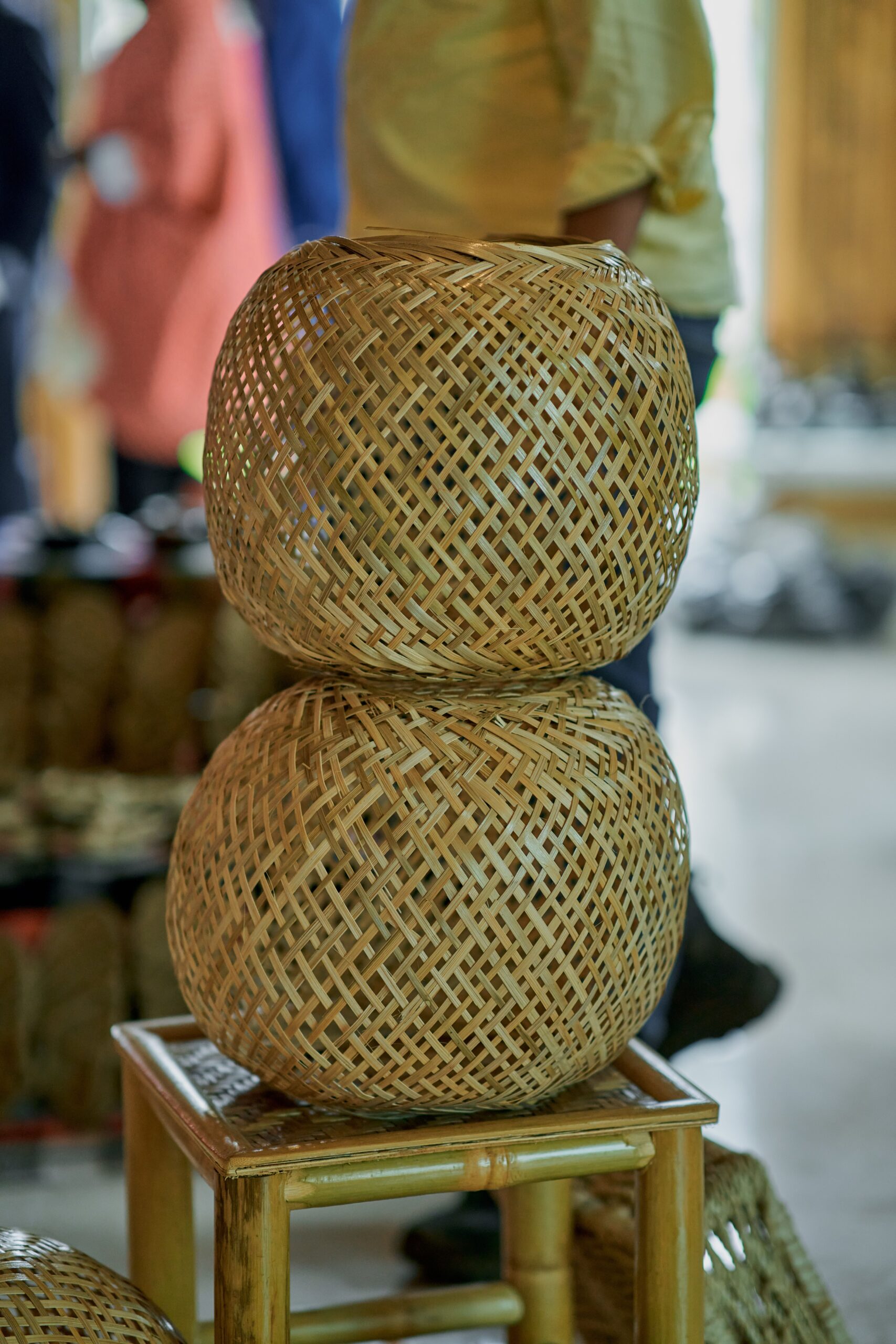
Taking materials that would otherwise become waste and turning them into useful products is one of the most direct forms of sustainable entrepreneurship. The business model is lean by design — your raw material costs are low because you are sourcing from the waste stream.
A real example: reCharkha, profiled on Prakati’s Changemakers directory, takes discarded plastic wrappers and hand-weaves them into bags and mats. What makes this story instructive for first-time founders is its simplicity — it is a craft-based business, not a deep-tech venture. The sustainability impact is tangible, the production process is learnable, and the product tells a clear story.
2. Natural or Plant-Based Personal Care
India has a deep heritage of plant-based ingredients — neem, turmeric, amla, henna, hemp — that are being rediscovered as consumers move away from synthetic chemical formulations. Small-batch, natural personal care brands have relatively low startup costs, can begin direct-to-consumer online, and have strong storytelling potential.
Satliva is a good case study here. The brand built its identity around hemp-derived skincare and hair care products, tapping into a category that was under-served in India at the time of its founding. For a first-time founder, this model is instructive: find an ingredient or tradition that is genuinely underused, source responsibly, and build a clear consumer proposition around it.
3. Biodegradable or Eco-Friendly Alternatives to Everyday Items
Every single-use plastic or synthetic product that people use daily is a potential replacement opportunity for a sustainable alternative. Toothbrushes, packaging, cutlery, straws, food containers, shopping bags — the list is long and the demand for alternatives is real.
Ecoware, listed in the Prakati Changemakers directory, manufactures biodegradable tableware from agricultural residue — turning what would otherwise be burnt farm stubble into plates, bowls, and containers. For a first-time founder, this category is attractive because the sustainability story writes itself: every product sold is one fewer piece of single-use plastic or styrofoam.
4. Sustainable Food and Nutrition
India’s food system is undergoing a shift — consumers are more conscious about what is in their food, where it comes from, and how it was grown. Organic snacks, millets, heritage grains, fermented foods, and chemical-free produce are all growing categories with lower entry barriers than most tech businesses.
The organic food sector has room for local, authentic brands built around regional ingredients. You do not need to compete nationally from day one — many successful food businesses started by serving a single city or even a single farmers’ market.
5. Repair, Resale, and Circular Commerce
The most sustainable product is one that already exists. Businesses built around extending the useful life of products — through repair services, resale platforms, or refurbishment — are inherently low-waste and often low-capital to start.
For a first-time founder, this is worth considering seriously. A local electronics repair service, a curated secondhand clothing business, or a platform connecting furniture restorers with customers all fall into this category. The skill set required is often practical and trainable rather than technical or financial.
The Mindset That Makes the Difference
Looking across India’s most successful sustainable startups, one pattern stands out: the founders started with a real problem, not a trend. They were not chasing the “sustainability” label — they were trying to solve something specific, in a way that happened to be better for the planet.
For a first-time founder, this is the most useful frame. Ask: what waste do I see around me that should not exist? What product do I reach for that is still made from synthetic or polluting materials when a natural alternative could work just as well? What service does my community need that no one is providing sustainably?
The idea that passes the “real problem” test, and that you can genuinely care about for five years, is worth far more than the most fashionable category. Green economy businesses that last are built on genuine purpose, not just positioning.
Explore more sustainable business ideas in the Green Economy section of Prakati, and browse real changemakers already building the future at prakati.in/changemakers.