

The below list includes Biodiesel plants in India:
| Year | Company Name | Biodiesel Plant Location |
|---|---|---|
| 2007 | Southern Biotech Ltd | Andhra Pradesh |
| 2008 | Kaleesuwari Refinery Private Limited | Andhra Pradesh |
| 2008 | Universal Biofuels | Andhra Pradesh |
| 2008 | Nova Biofuels P Ltd | Haryana |
| 2008 | CREDA | Raipur |
| 2008 | Costal Energy | West Bengal |
| 2009 | Bio Max | Andhra Pradesh |
| 2009 | Emami Biotech Pvt Ltd | West Bengal |
| 2009 | Yantra Fintech Ltd | Chennai |
| 2009 | RIL(pilot plant) | Andhra Pradesh |
| 2010 | Southern Biotech Ltd | Andhra Pradesh |
| 2011 | Khanda Biofuels Pvt Ltd | Hyderabad |
| 2012 | Eco Green Fuels Pvt. Ltd | Bangalore |
| 2012 | Kissan Agro Industries Ltd | Noida |
| 2012 | Ruchi(Pilot Plant) | Gujarat |
| 2015 | Yamuna Bio Industries Ltd | Varoda |
| 2015 | Unicon Fibro Chem Ltd | Silvassa |
| 2015 | Wash well | Bhilwara |
| 2015 | Global | Panvel |
| 2015 | Al Noor | Muzaffarnagar |
| 2018 | Rajputana Biofuels Ltd | Jaipur, Rajasthan |
| 2018 | Monopoly Industries Ltd | Khopoli |
| 2018 | Elite Oil Ltd | Kakinada |
| 2019 | Kotiar Biofuels Ltd | Abu Road, rajashtan |
| 2019 | BioD Industries Ltd | Bawal, Haryana |
| 2019 | Munzer Bharat | New Mumbai |
Biodiesel is a clean & green fuel derived from trans-esterification or acid esterification of vegetable oils or fats.
Its properties are very similar to diesel fuels.
In India, there is a vast potential for the production of biodiesel from Jatropha curcas (called Jangli arandi in Hindi and Kattukkotai in Tamil) and Pongamia pinnata (The Indian Beech called Karanj in Hindi and Pungai in Tamil) as they occur in plenty in forests and wastelands.
In the West, biodiesel is produced mostly from field crops like rapeseed and sun flower in Europe and soyabean in the US. While, Malaysia utilises palm oil while Nicaragua uses Jatropha curcas (The Physic Nut) for bio diesel production.
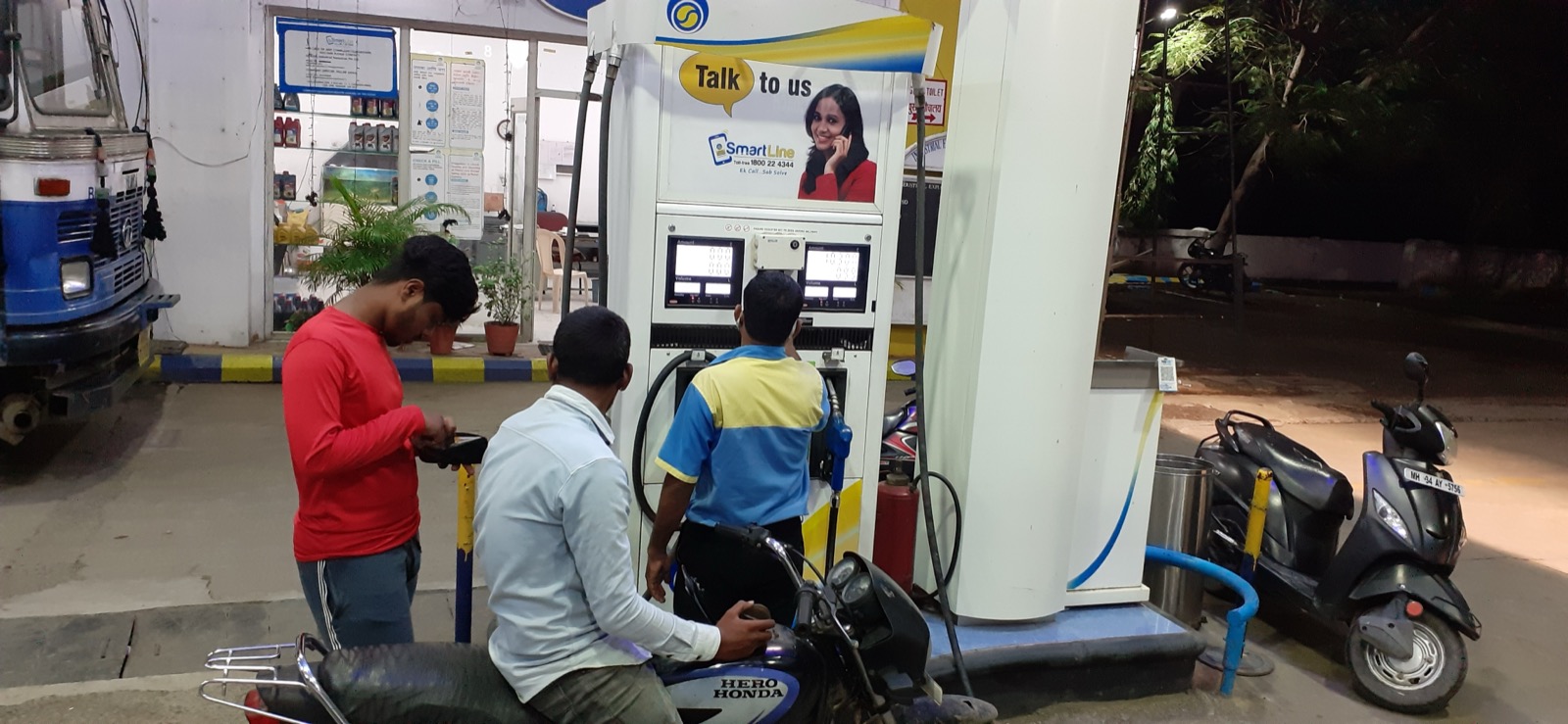
India does not yet publish a single, continuously updated public register naming and mapping every operating biodiesel plant — capacity gets added, licences lapse, and some units switch feedstock or shut down between reporting cycles. The most reliable current sources are the Ministry of Petroleum & Natural Gas (MoPNG), the FSSAI-run RUCO portal’s list of enrolled biodiesel manufacturers, and the Biodiesel Association of India. What follows below reconstructs the state-wise picture from these sources rather than presenting a single unverifiable master list.
Biodiesel Plants in India — State-Wise Snapshot (2026 Update)
The table earlier on this page lists the earliest wave of India’s biodiesel plants, commissioned between 2007 and 2019. Since then, the sector has expanded considerably — driven mostly by the RUCO (Repurpose Used Cooking Oil) aggregation network rather than new dedicated Jatropha or Karanja plantations. Rather than fabricate a precise current count — which changes as FSSAI enrolments are renewed, lapse, or get revoked — here is what can be verified from government sources as of 2026.
States with the most active biodiesel/UCO-collection capacity
Per FSSAI’s most recent Non-Food Production (NFP) unit enrolment order (July 2025, extended to 31 July 2026), 63 enrolled units collecting used cooking oil for biodiesel and soap manufacturing operate across Maharashtra, Uttar Pradesh, Rajasthan, Tamil Nadu, Andhra Pradesh, and Kerala. Older MoPNG- and industry-tracked plant registers additionally show concentrations in Haryana, West Bengal, Karnataka, Telangana, Gujarat, and Chhattisgarh — largely a legacy of the first wave of Jatropha- and Karanja-based plants set up after the 2009 and 2018 biofuel policies.
What changed with the National Policy on Biofuels (2022 amendment)
The original National Policy on Biofuels (2018) set an indicative target of 5% biodiesel blending in diesel by 2030 — alongside a 20% ethanol-blending target for petrol. The 2022 amendment left the 5% biodiesel target unchanged but advanced the ethanol target to 2025-26, redirecting most near-term policy and investment attention toward ethanol blending. This is one reason biodiesel plant capacity has grown more slowly and less visibly than the compressed biogas (CBG) or ethanol sectors in recent years — read more on how India’s draft fuel-economy rules now treat ethanol as carbon-neutral.
Biodiesel vs CBG — a related but separate track
Compressed Biogas (CBG) plants, built under the SATAT scheme, are frequently confused with biodiesel plants because both are billed as diesel/CNG alternatives from waste feedstock — but they use different technology (anaerobic digestion of biomass, dung, or agri-waste, rather than trans-esterification of oils) and produce a different fuel entirely. As of the latest SATAT portal figures, over 100 CBG plants have been commissioned nationally against a phased target of 5,000, with more than 1,000 Letters of Intent issued. Prakati has covered one such CBG plant built to help clean the Yamuna using cow dung in Delhi.
What is RUCO, and why does it matter for biodiesel plants?
Most new biodiesel capacity added in India since 2018 has come from used cooking oil (UCO) rather than fresh non-edible oil crops. FSSAI’s RUCO programme is the aggregation ecosystem that makes this possible — it licenses collection agencies to buy back used cooking oil from restaurants, hotels, and food manufacturers so it doesn’t re-enter the food chain, and instead feeds biodiesel plants. Read the full explainer: What is RUCO? India’s Used Cooking Oil Biodiesel Programme Explained.
A note on data accuracy
We’ve deliberately avoided inventing a precise, definitive count of “biodiesel plants in India” here. Plant registries maintained by MoPNG, FSSAI/RUCO, and the Biodiesel Association of India are not always mutually consistent, and enrolments lapse and renew. If you are sourcing UCO-based biodiesel commercially or researching feedstock supply for a plant, verify current enrolment status directly on the FSSAI RUCO portal rather than relying on any single secondary list, including this one.
Frequently Asked Questions
How many biodiesel plants are there in India?
India has dozens of biodiesel manufacturing units across different states, though the sector is still developing. Major players include BioD Energy (Haryana, UP, Maharashtra), Emami Agrotech, British Petroleum (India JV), and BPCL-linked plants. The government has set an ambitious target of 5% biodiesel blending in diesel by 2030 under the National Biofuel Policy.
What is biodiesel made from in India?
In India, biodiesel is primarily produced from: Used Cooking Oil (UCO) collected through the RUCO scheme by FSSAI, non-edible oils like Jatropha and Karanja (Pongamia), and increasingly from algae and other waste biomass. UCO-based biodiesel is the fastest-growing segment due to the RUCO aggregation network.
What is the RUCO scheme for biodiesel in India?
RUCO (Repurpose Used Cooking Oil) is a programme by FSSAI (Food Safety and Standards Authority of India) that aggregates used cooking oil from food businesses and converts it into biodiesel. FSSAI has empanelled companies to collect UCO from hotels, restaurants, canteens, and food industries across India for biodiesel production.
Can biodiesel be used directly in diesel engines?
Pure biodiesel (B100) can be used in diesel engines but may require modifications. Most Indian government guidelines recommend blended biodiesel — B5 (5% biodiesel, 95% diesel) to B20 (20% biodiesel, 80% diesel) — which can be used in existing diesel engines without modification. Biodiesel blending reduces emissions significantly.
How many biodiesel plants are there in India?
India has over 200 registered biodiesel production facilities spread across states. The National Biofuel Policy 2018 and RUCO (Repurpose Used Cooking Oil) scheme have accelerated new plant setups, particularly in Maharashtra, Uttar Pradesh, Karnataka, and Telangana.
Which state has the most biodiesel plants in India?
Maharashtra and Uttar Pradesh have among the highest concentrations of biodiesel plants in India, supported by strong agricultural feedstock availability (soybean, jatropha) and urban UCO (used cooking oil) collection networks.
What is the RUCO scheme for biodiesel in India?
RUCO (Repurpose Used Cooking Oil) is a government-backed initiative by FSSAI that collects used cooking oil from restaurants, hotels, and food processors and converts it into biodiesel. It aims to channel UCO into biofuel rather than allowing it to re-enter the food supply chain.
Nice
Hello Sir, mam
I want to know can we produce bio fuel from bamboo, and if yes then how. How much will it cost to make one liter ethanol.
This information was very useful for the current project that I’m working on.
Thank you
I am writing on behalf of Chem Energy Biofuels, located in Khurja. We are currently looking to source 80% crude glycerin, requiring 1000- 3000 MT.
We would appreciate it if you could provide us with your best pricing. Additionally, you can reach me directly at deepak.premierchemicals@gmail.com for any further information or to discuss this requirement in detail.
Thank you for your prompt attention to this matter. I look forward to your favorable response.
Best regards,
Deepak
Chem Energy Biofuels
INDIA
email – deepak.premierchemicals@gmail.com