
Prakati Edit · 2026
21 Best Sustainable Bag Brands in India for 2026
From coconut leather grown in Kerala to totes handwoven out of discarded chip wrappers — 21 Indian labels proving a good bag doesn’t need to cost the earth.
A bag is the most honest test of sustainable fashion: we carry one every day, replace it too often, and rarely ask what it’s made of. The answer, for most of the market, is still animal leather or petroleum-based synthetics. But a remarkable set of Indian brands has spent the last decade proving there is another way — leather grown from coconut water, canvas recycled from army tents, fabric spun out of single-use plastic on village charkhas, and jute, cork and organic cotton shaped by artisan hands. We first published this guide in 2022 with ten names; in 2026 the movement has grown, and so has the list. Here are 21 sustainable bag brands in India worth carrying.
Disclosure: some links below are Amazon India affiliate links. If you buy through them, Prakati may earn a small commission at no extra cost to you — it helps keep our sustainability journalism free. Every brand here is chosen on merit alone.
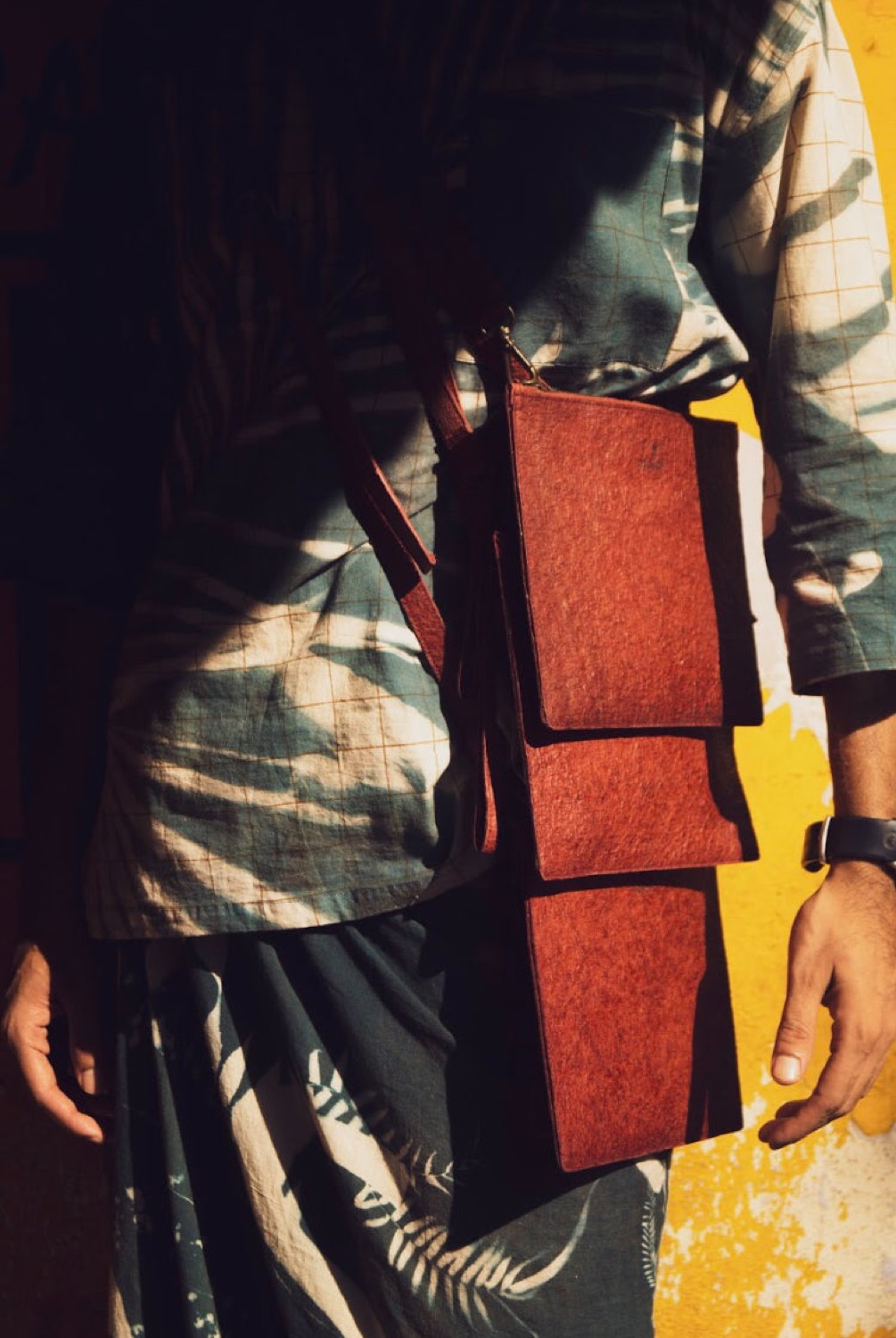
Malai
In a workshop in Kerala, Malai grows something the leather industry said was impossible: a flexible, water-resistant material cultured from bacterial cellulose fed on waste coconut water, strengthened with banana stem, sisal and hemp fibre, and coloured with natural dyes, gums and starches. The result looks like leather, feels closer to handmade paper, and — unlike either leather or PU — composts back into the soil at the end of its life. Their bags and accessories are quiet proof that India’s most advanced material science can come from a coconut.
View on Prakati Green Directory →
A Big Indian Story
A Big Indian Story earned its title of “cruelty-free conscientious sustainable design house” by refusing animal leather entirely and working instead with Piñatex made from pineapple leaves, apple-skin leather and cactus leather. These fruit- and plant-waste materials shrink agricultural waste streams instead of adding to them — and every bag is made by skilled local artisans, so the craft economy grows along with the brand. Proof that a big Indian story can be told without a single animal hide.
View on Prakati Green Directory →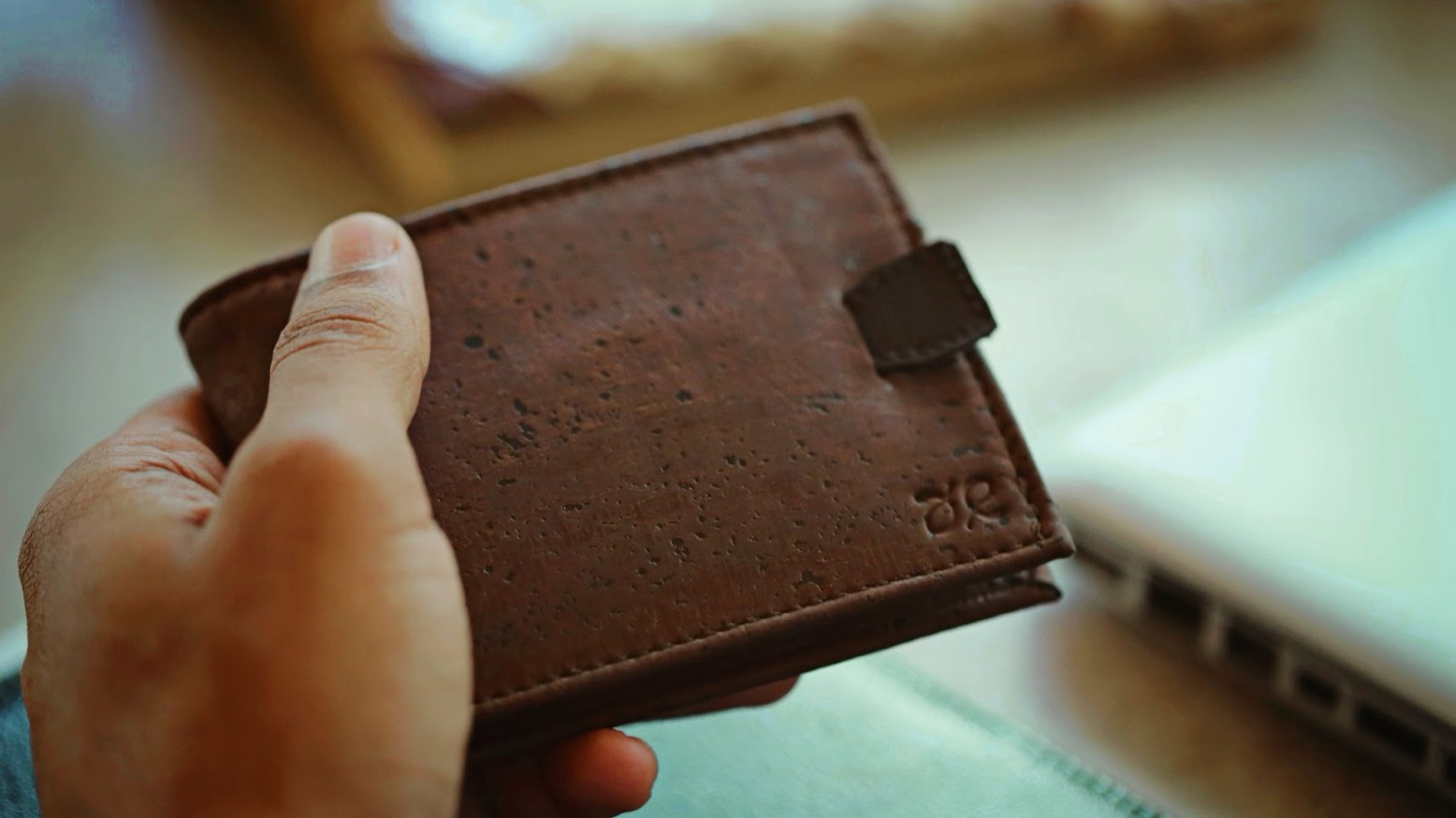
Arture
Arture, founded by Shivani Patel, builds its wallets and accessories from 100% natural cork fabric — waterproof, anti-fungal, anti-bacterial, and harvested without harming a single tree. Only the bark of a mature cork oak is peeled, in late spring, and the tree spends the next nine years quietly growing it back. The fabric that results is durable, flexible and self-cleaning — one of the oldest sustainable materials in the world, given a thoroughly modern silhouette.
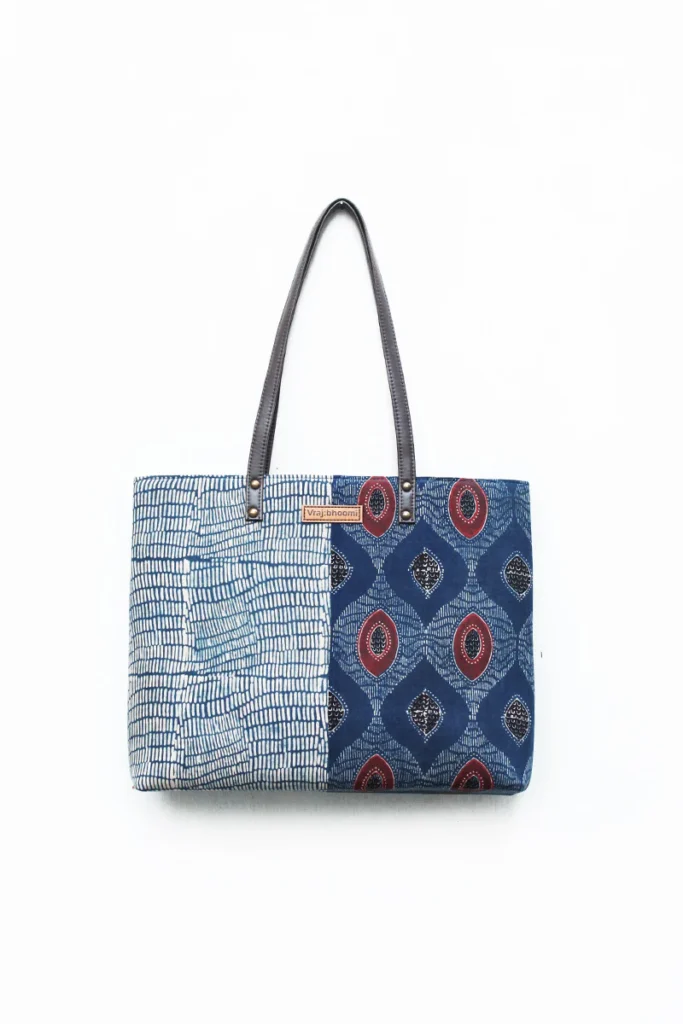
Vraj Bhoomi
Vraj Bhoomi calls itself a “one craft label” — a house dedicated to reviving India’s hand-block printing, one biodegradable bag at a time. Its fabrics are ethically block-printed with plant dyes, and even the leftover scraps are turned into smaller handmade goods rather than waste. In a market that mass-prints imitation block motifs by the kilometre, Vraj Bhoomi’s slow, honest process is the real thing: craft as sustainability, sustainability as craft.
Visit on Green Directory →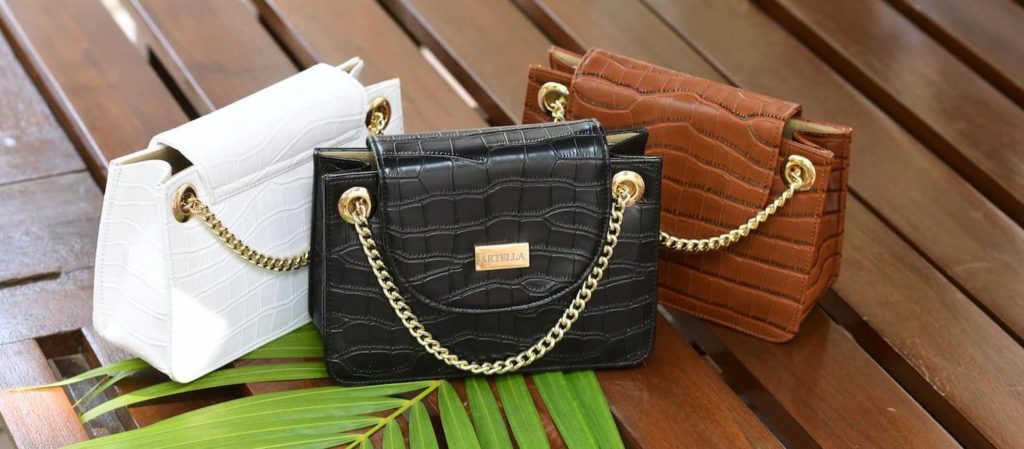
Artella
Artella, founded by Rashi Sanghvi in 2020, is a non-leather accessories brand that refuses to trade style for ethics. Every piece uses cruelty-free, plant-based materials; the production unit is run as a healthy workplace; and products ship only in eco-friendly, biodegradable packaging. It’s a young brand with an old-fashioned conviction — that a beautiful handbag shouldn’t require anyone, or anything, to suffer for it.
Read Artella’s Changemaker story →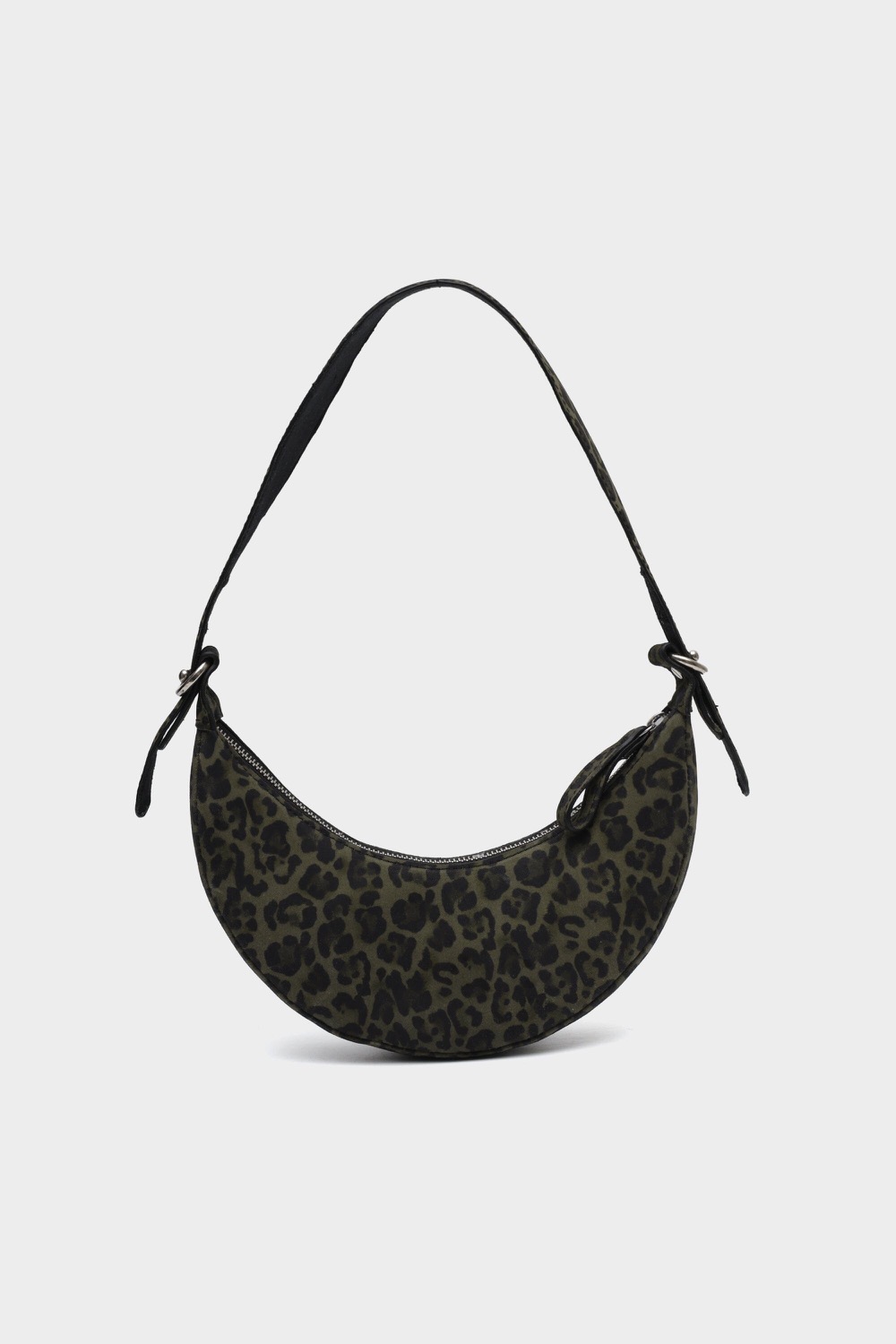
Mistry
Mistry — Hindi for master artisan — makes each bag to order from reclaimed leather cuts recovered from big factories, tanned without chemicals, so nothing new is taken and nothing usable is thrown away. Its signature crescent-shaped Selena (born, the story goes, during a late-night workshop experiment on a crescent-moon night) has become a cult favourite from Vogue to Instagram. The brand also gives 30% of profits to the Hemkunt Foundation — craft, circularity and conscience in one silhouette.
Visit on Green Directory →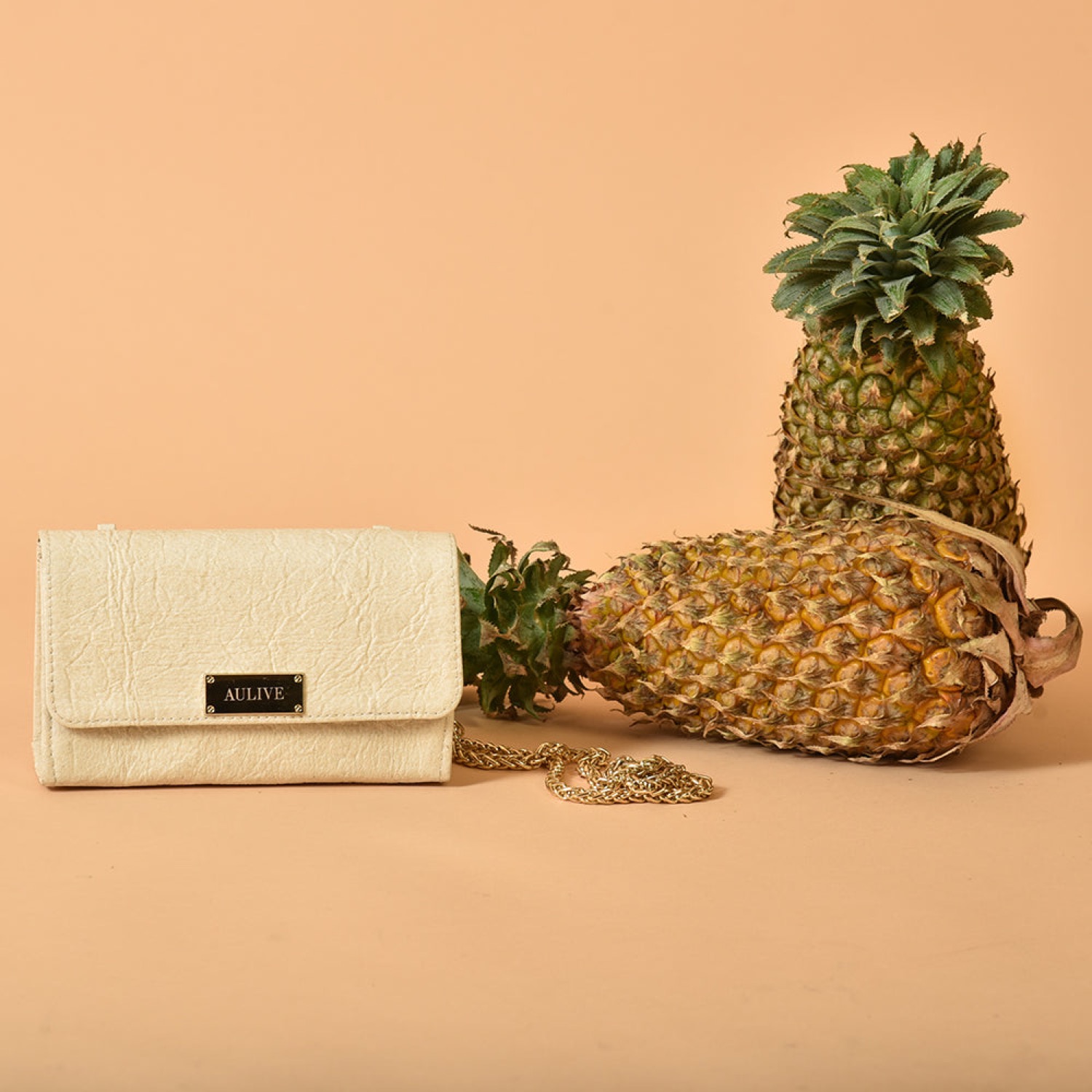
Aulive
Aulive was founded on a simple principle: cruelty-free shouldn’t mean compromise. Its duffels, backpacks and handbags are handcrafted from premium plant-based leather alternatives — derived from pineapples, coconuts and cork — sourced from Italian mills known for quality with a light environmental footprint. The designs are simple and exquisite, built for people who want their everyday carry to whisper luxury rather than shout it.
View on Prakati Directory →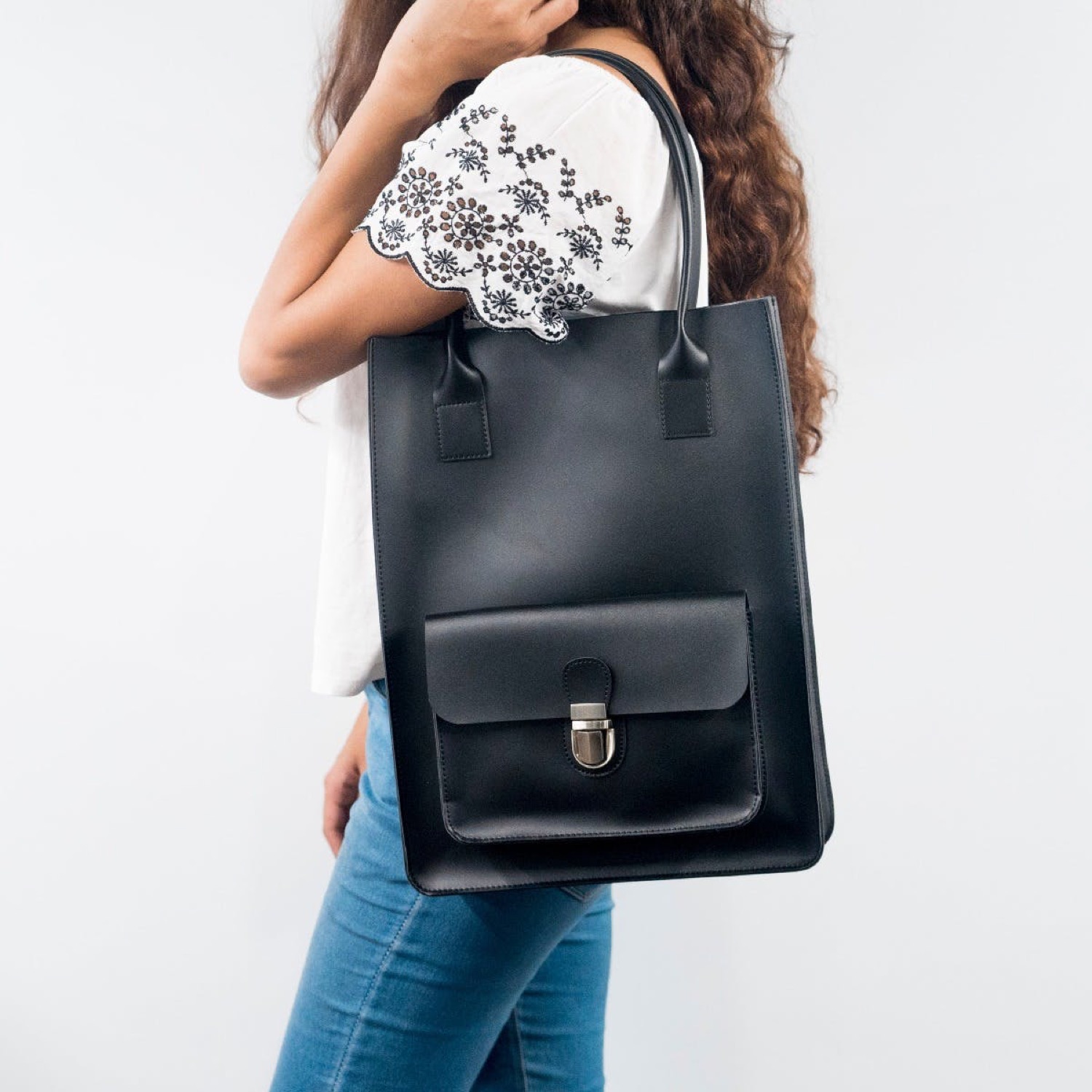
Moon Rabbit
Moon Rabbit is a PETA-approved vegan fashion label whose handcrafted faux-leather bags have quietly built a devoted following. Sustainability is stitched into every step of its process, and the brand’s philosophy is refreshingly plain: a bag should be both functional and beautiful, and no animal should be part of the bill of materials. Distinctive shapes and careful hand-finishing keep it from ever feeling like a compromise.
Shop Moon Rabbit →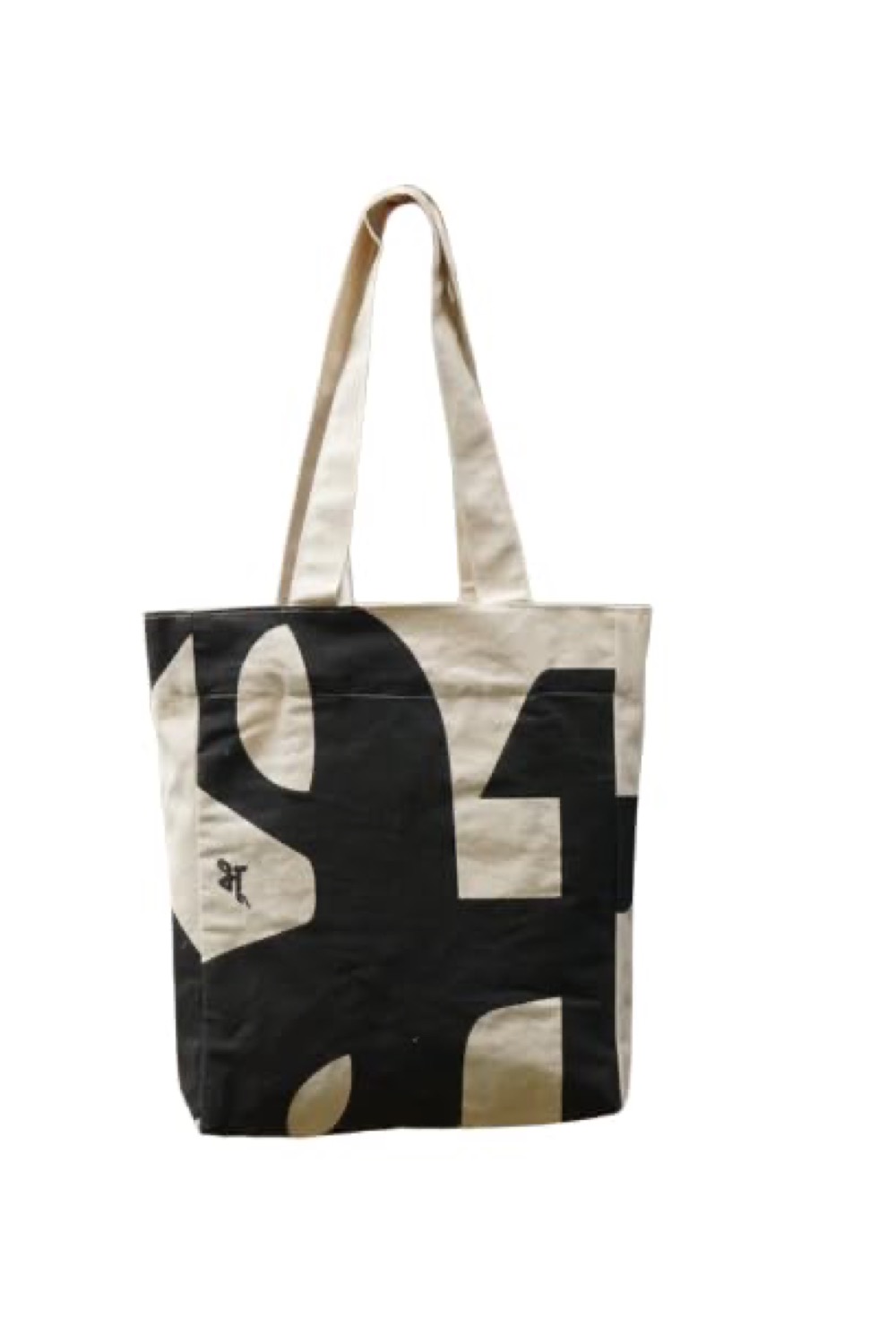
The Burlap People
The Burlap People — one of India’s first Instagram-born labels — works with third- and fourth-generation indigenous artisans to turn natural fibres like jute and cotton, blended with recovered leather, into earthy, long-lasting everyday bags. There is no mass production here by design: each piece is handcrafted in small batches, which is exactly why they last. Burlap, it turns out, ages far more gracefully than plastic ever will.
Zouk
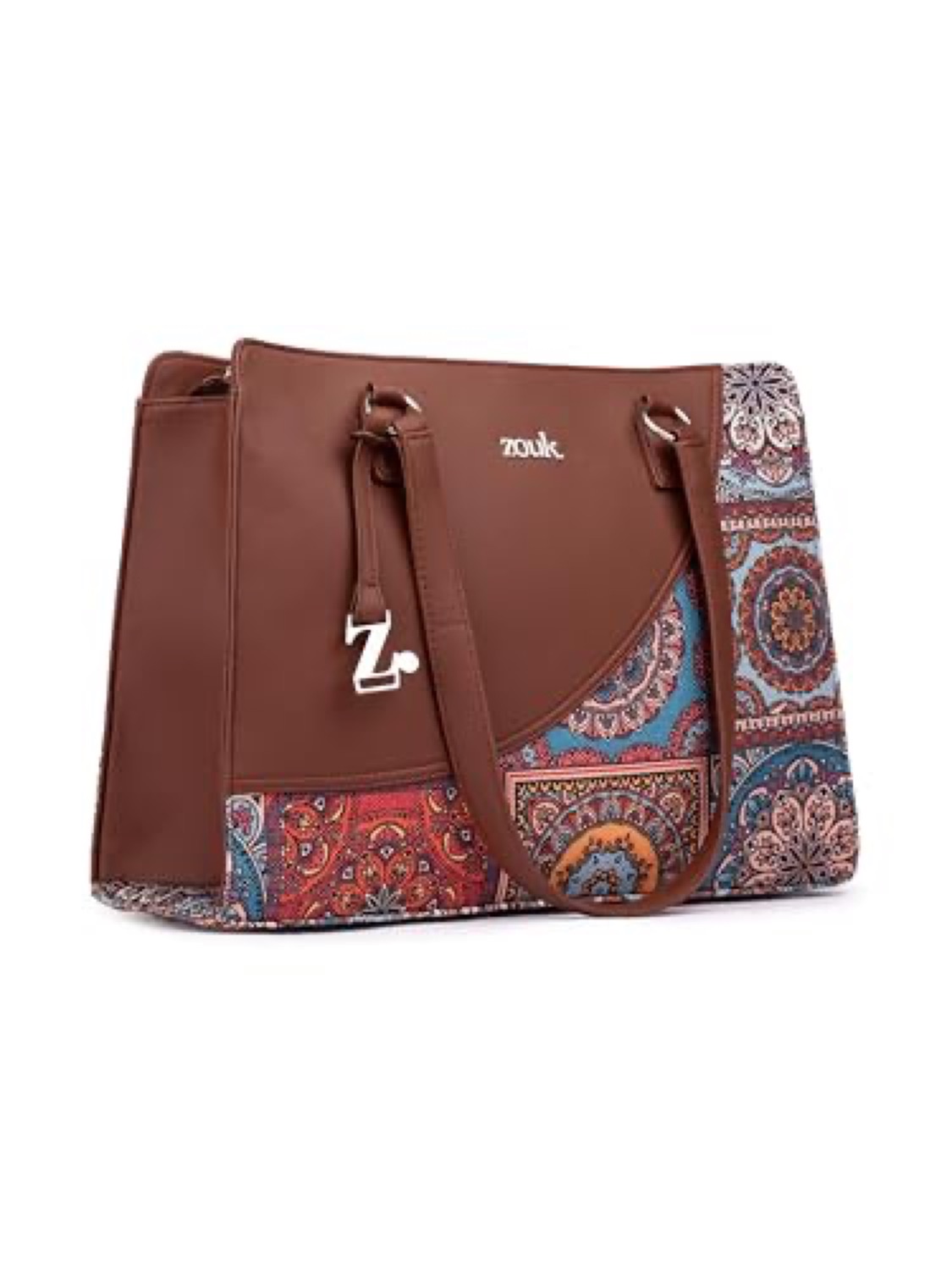
Founded in Mumbai by Disha Singh in 2016, Zouk has become the loudest proof that vegan can go mainstream in India. Every product — office totes, slings, messengers, backpacks — is 100% vegan and proudly Indian, pairing cruelty-free leather with jute, khadi and prints drawn from ikat, Madhubani and other homegrown traditions. It’s the rare sustainable brand you’ll now spot in airports and boardrooms alike, carrying Indian craft into everyday working life.
EcoRight
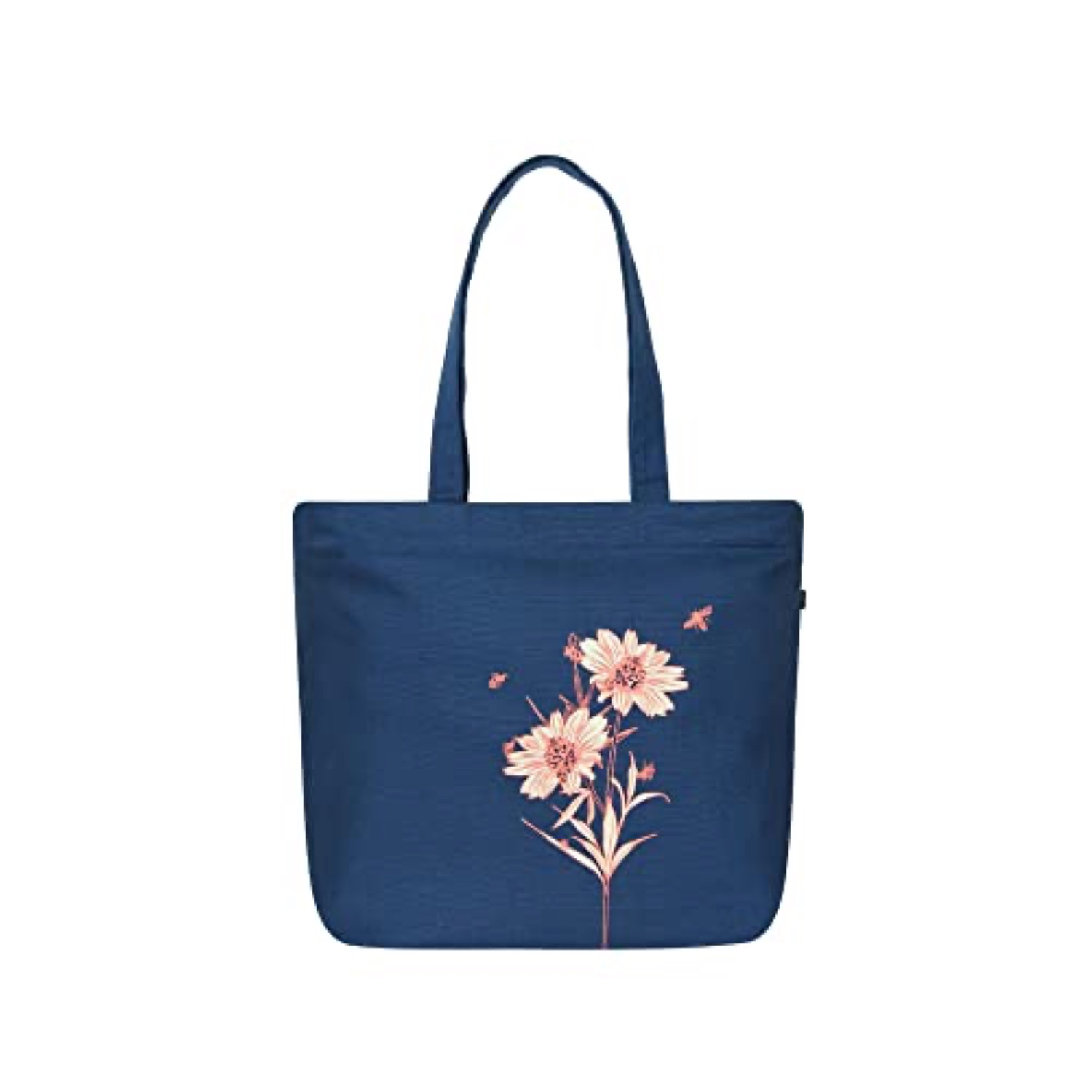
EcoRight, built by husband-wife duo Udit Sood and Nikita Barmecha, set out to make sustainable the affordable default rather than the premium exception. Its cheerful, pun-printed totes and travel bags are cut from organic cotton, juton and fabric made of recycled plastic bottles, stitched in solar-powered, Fair Trade-certified and SEDEX-audited facilities — right down to eco-friendly inks and packaging. Machine-washable, endlessly reusable, and priced so that saying no to plastic doesn’t hurt.
EcoKaari
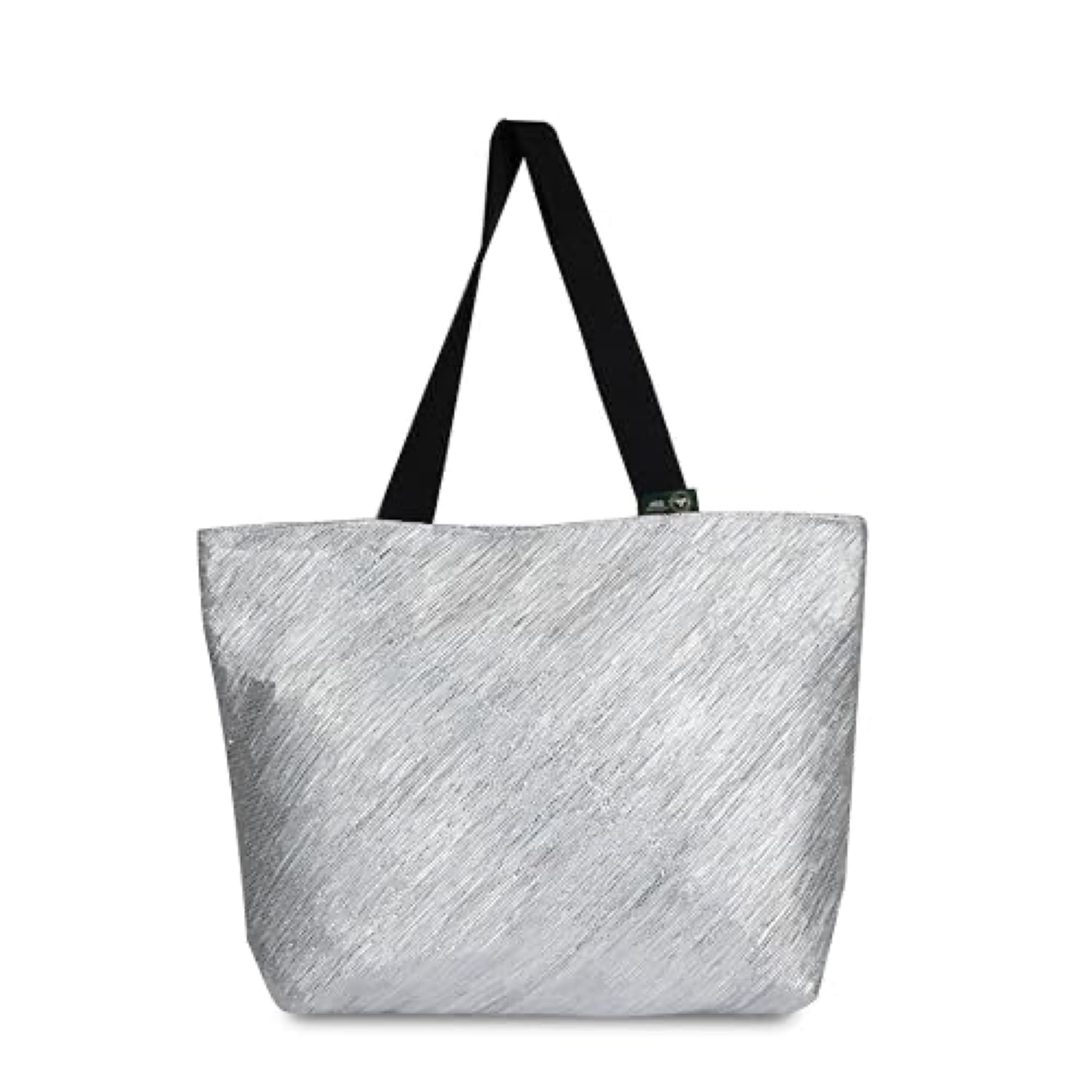
EcoKaari, founded by Nandan Bhat in Pune, answers India’s plastic problem with its oldest technology: the charkha. Waste plastic bags and shiny multi-layer wrappers are collected, cleaned, cut into strips, spun into yarn on wooden charkhas and handwoven into shimmering, tough fabric — a process that has already diverted millions of plastic bags from landfill while providing dignified livelihoods to women and young artisans. Each tote carries its own pattern of rescued packaging; no two are alike.
reCharkha
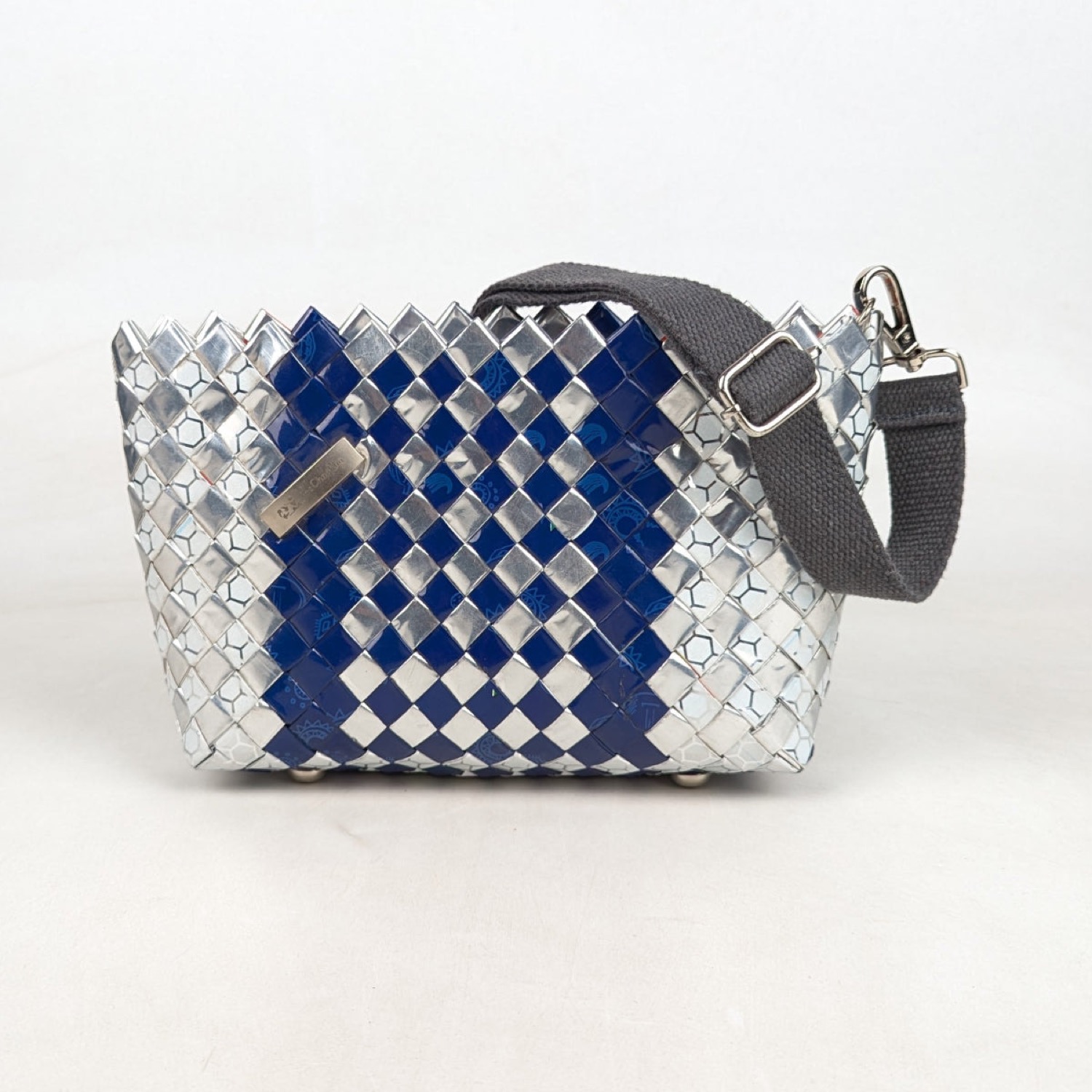
At reCharkha — The EcoSocial Tribe, founder Amita Deshpande left an IT career to spin discarded chip packets, gift wrappers and carry bags into yarn on the humble charkha, then weave them on handlooms into totes, jholas, slings and baskets. The Pune-based enterprise pairs environmental repair with rural and tribal employment, turning some of the least recyclable waste we produce into some of the most striking bags on this list. Labour-intensive by choice, and better for it.
Visit reCharkha →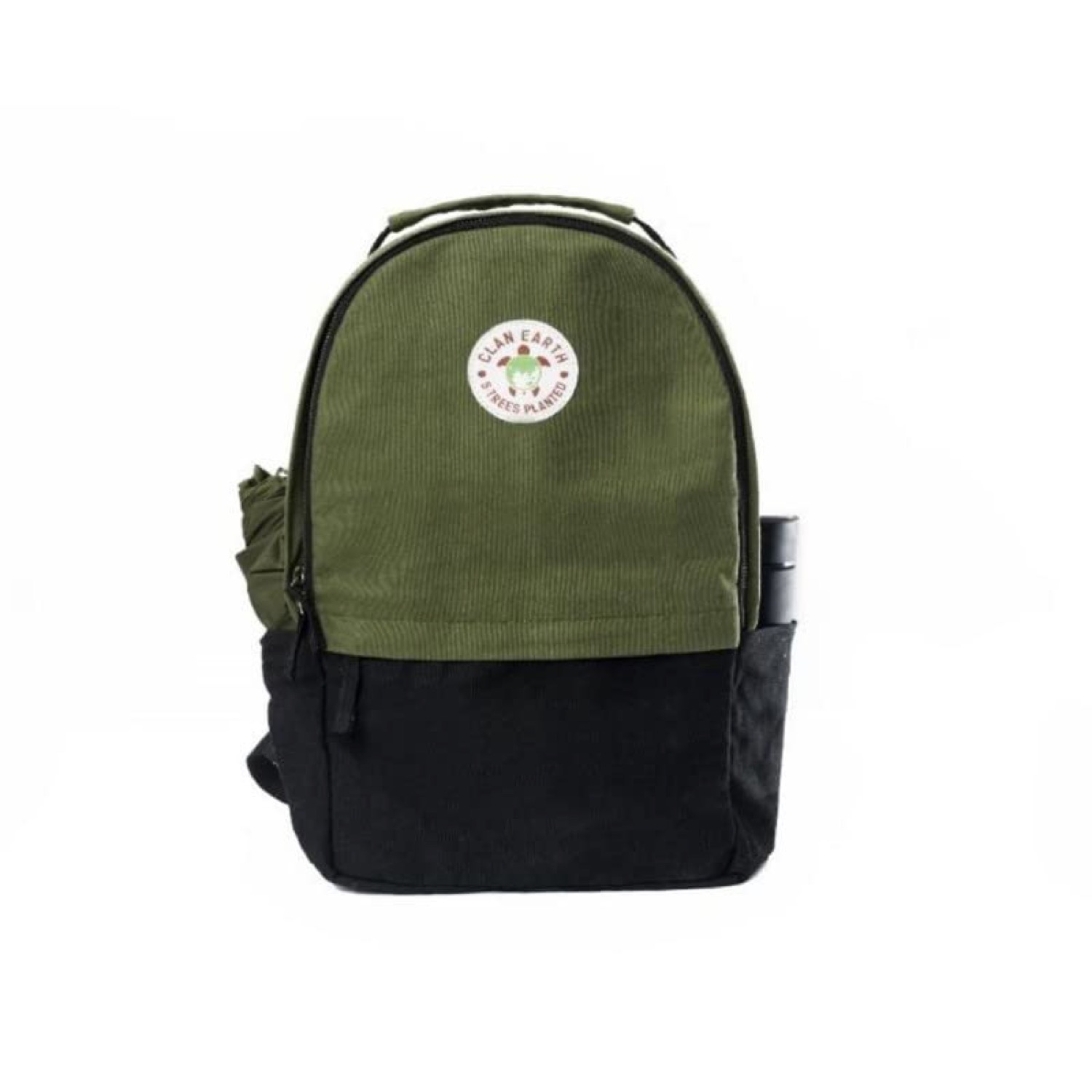
Clan Earth
Kolkata-based Clan Earth names its backpacks after endangered species — Amur, Pangolin, Dugong — and builds them to outlast trends: military-grade cotton canvas, cork detailing, brass fittings, zero plastic, 100% vegan. The founders work directly with local artisans, betting that Indian craftsmanship deserves global recognition, and plant five trees for every product sold. A rare combination of rugged, ethical and genuinely handsome — the kind of bag you buy once a decade.
Mona B
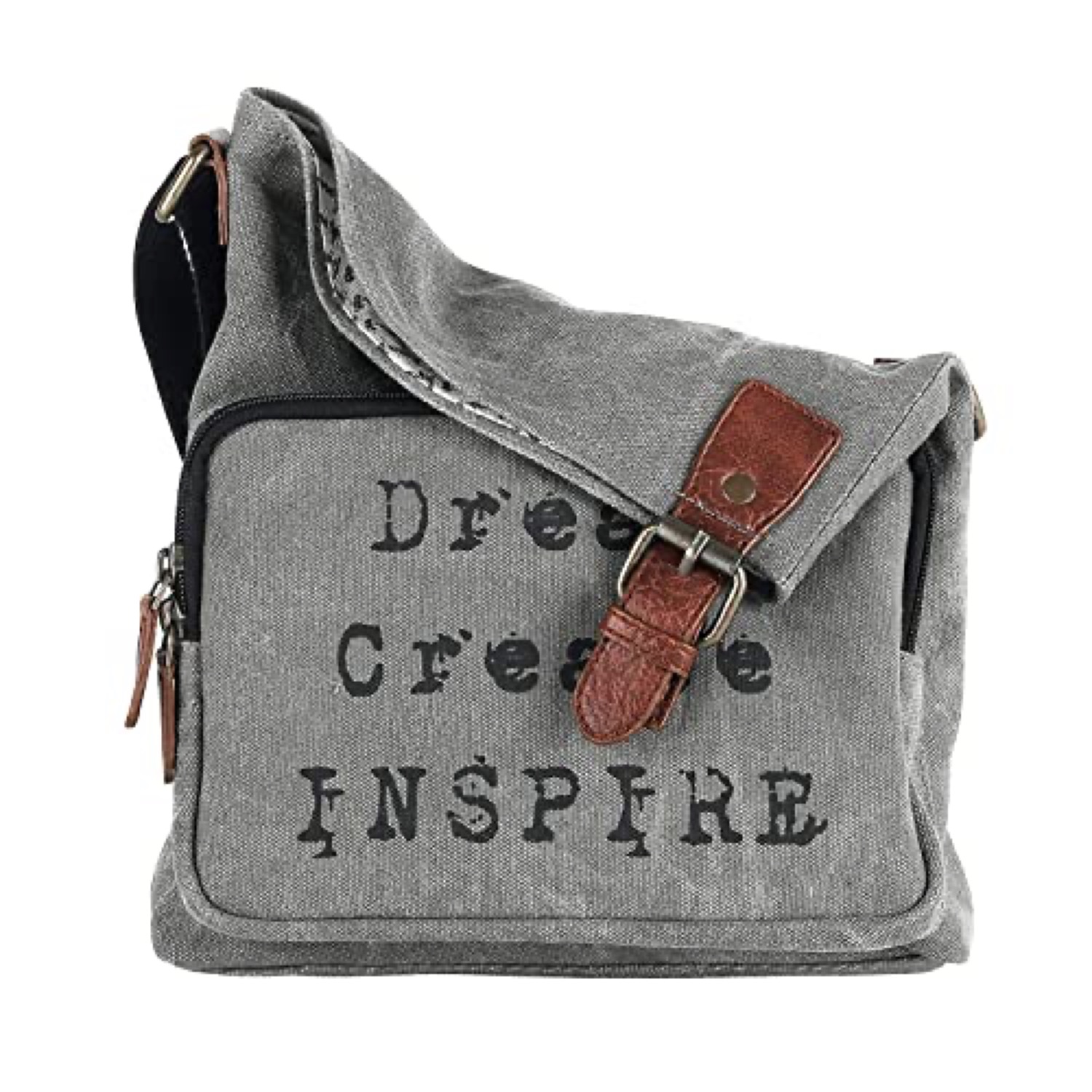
Every Mona B bag begins its life as something else — a military tent, a truck tarp — re-milled and upcycled into rugged canvas with decades of weather already woven in. The faded patches, stencilled numbers and repairs are left visible, so each tote, duffel and crossbody is genuinely one of a kind. Trimmed with vegan leather and handcrafted in India, Mona B makes the strongest case on this list that a bag’s history is its best design feature.
Indha
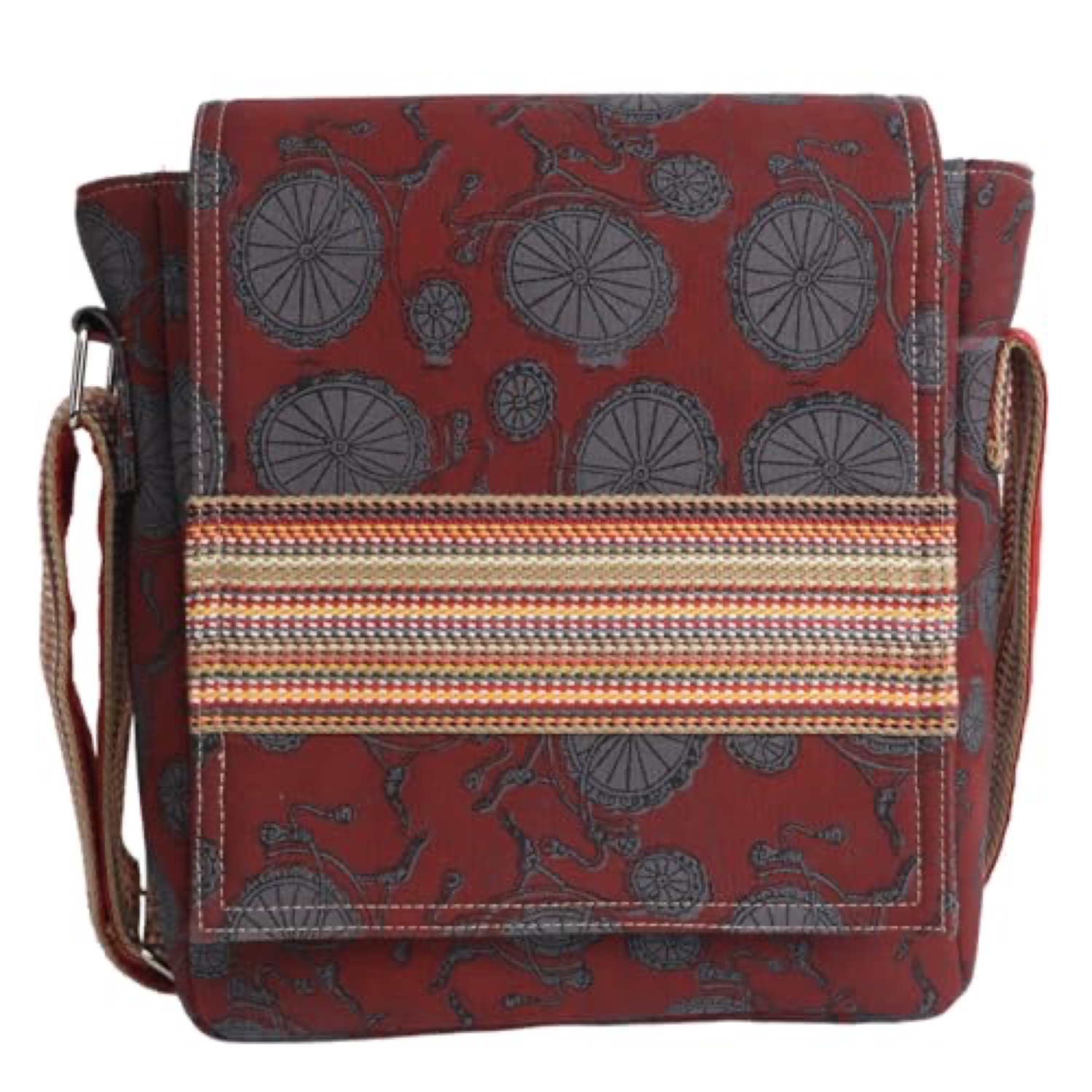
Indha is what a bag brand looks like when its real product is opportunity. Incubated by the NGO Literacy India, this woman-led social enterprise has trained over ten thousand rural women across four states, who hand-block-print and stitch cotton canvas slings, totes and laptop bags — many made from repurposed and discarded fabric. Every purchase funds the training of the next artisan, closing a loop that is as much social as it is environmental.
Jute Cottage
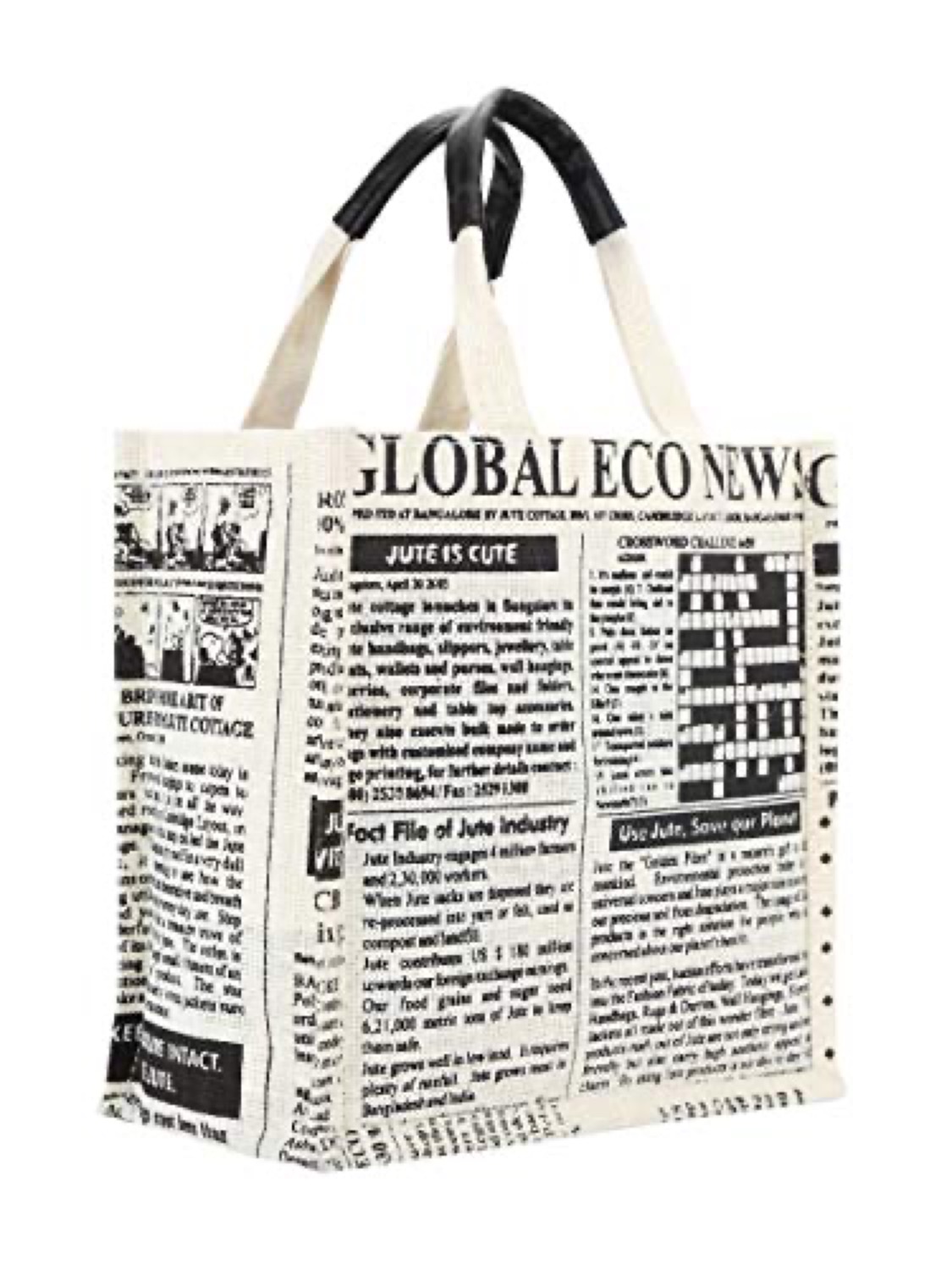
Founded by Nasreen Khan in 1999, Jute Cottage took on a mission most designers wouldn’t touch: making jute — the golden fibre of Bengal — genuinely fashionable. A quarter-century later its handcrafted lunch bags, totes and office carriers are everywhere from local markets to Amazon bestseller lists, proving that the most sustainable bag is often the most ordinary one, made from a fibre that grows in a season and composts when its work is done. Affordable, cheerful and quietly radical.
Studio Beej
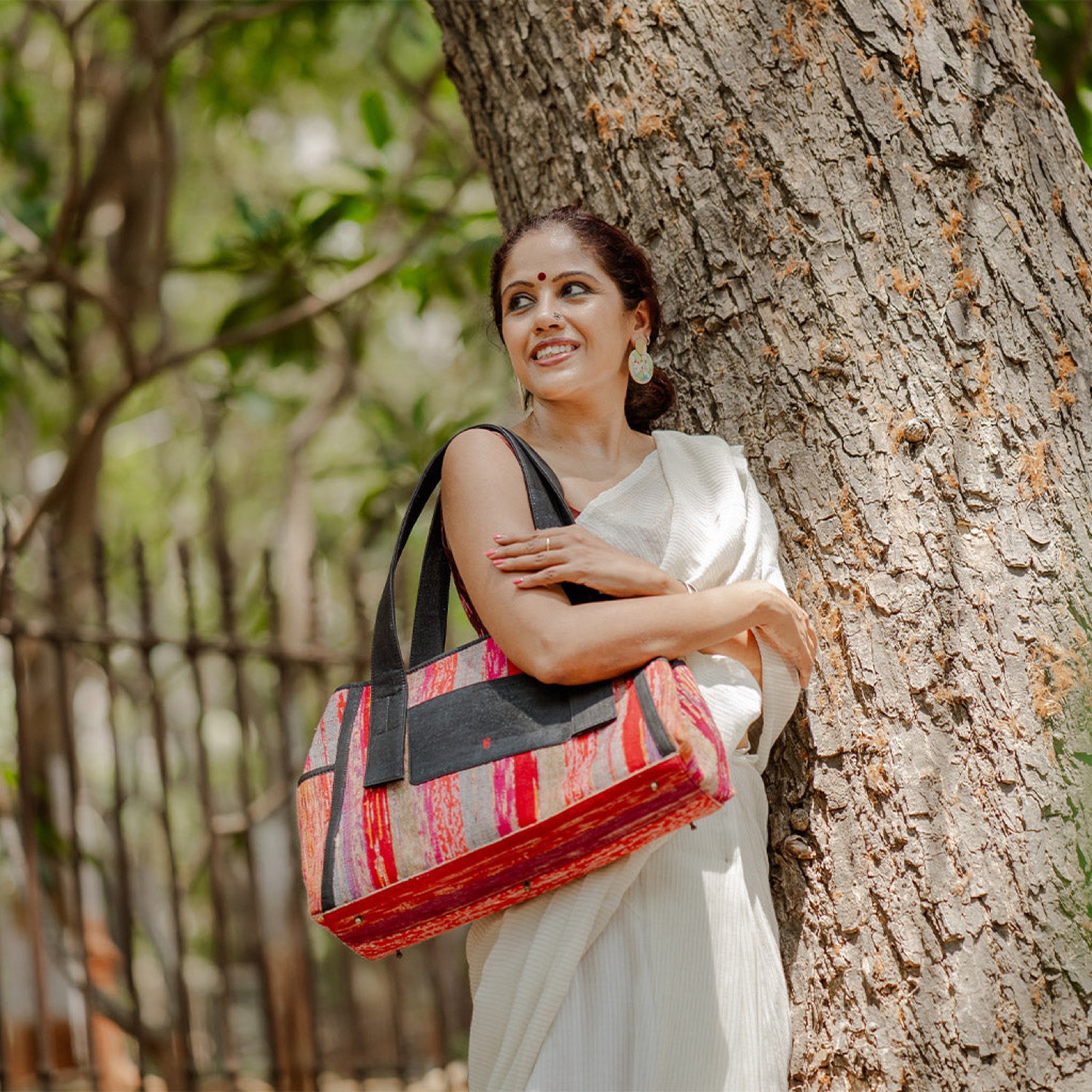
Arundhati Kumar founded Studio Beej after confronting leather’s true cost in water, pollution and cruelty — and built India’s first premium accessories house around what could replace it. Beej works in cork, Piñatex, cactus-based Desserto and banana-crop-waste Banofi, accented with upcycled leather scraps rescued from landfill, and every piece is handcrafted start-to-finish by a single artisan in its Mumbai atelier. Slow, traceable and luxurious enough to convert the sceptics.
Visit Studio Beej →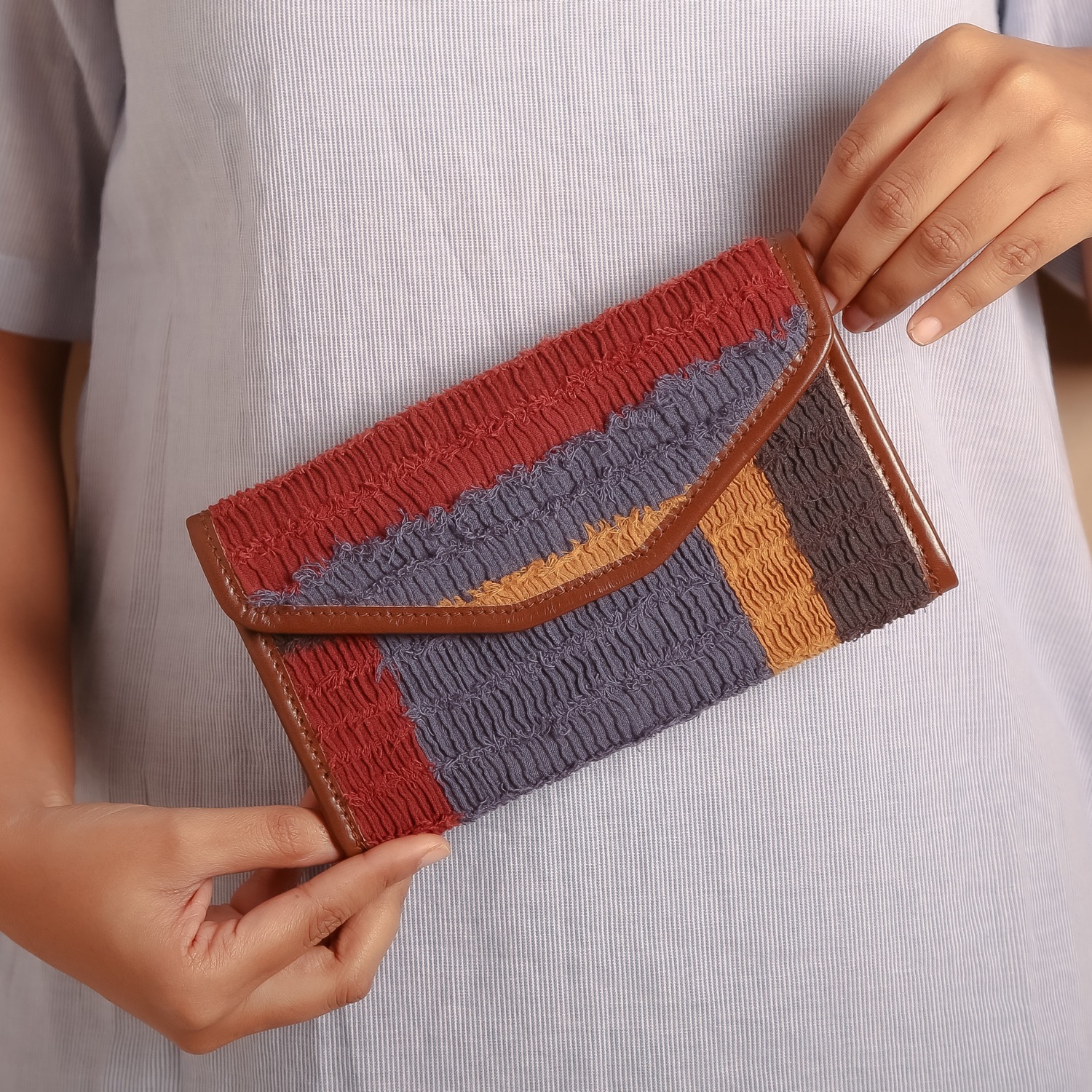
Doodlage
Kriti Tula’s Doodlage has spent over a decade making a virtue of fashion’s sins, rescuing factory rejects and post-consumer textile waste and reworking them into clothing and accessories under one commandment: buy less, choose well, make it last. Its clutches, wallets and pouches — patchworked from panels of saved fabric — carry the texture of their first life on their sleeve. A pioneer of Indian upcycling, and still one of its sharpest practitioners.
Lukka Chuppi
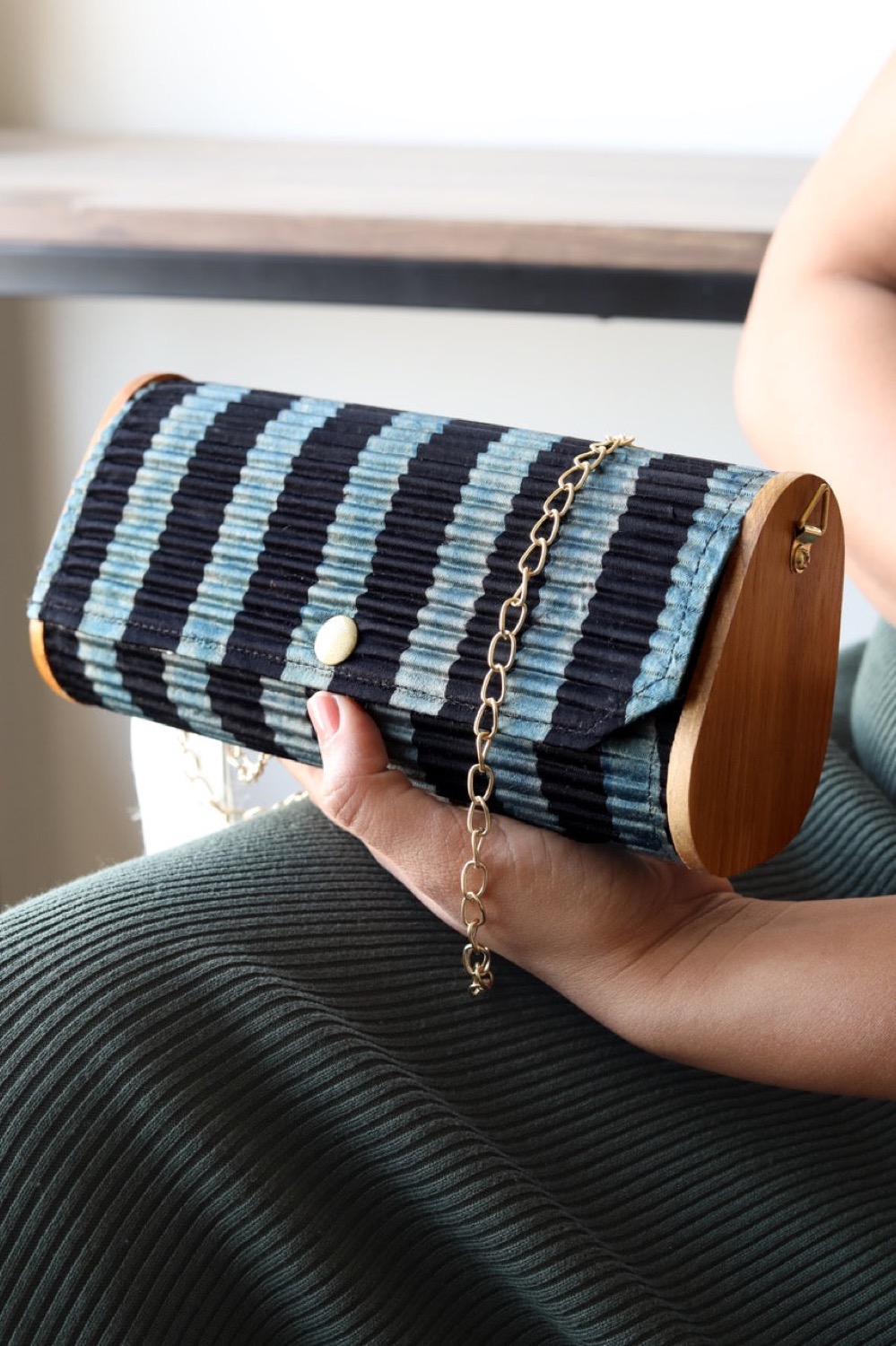
What began in 2012 with founder Ishani Kanani’s habit of collecting fabric souvenirs has grown into Vadodara’s most playful sustainable label. Lukka Chuppi handcrafts clutches, slings and accessories from upcycled leftover fabric and non-animal materials, engineered along origami lines so many pieces fold flat, detach and reconfigure — design that saves storage space as cleverly as it saves textile waste. Sustainability, here, comes with a wink.
Visit Lukka Chuppi →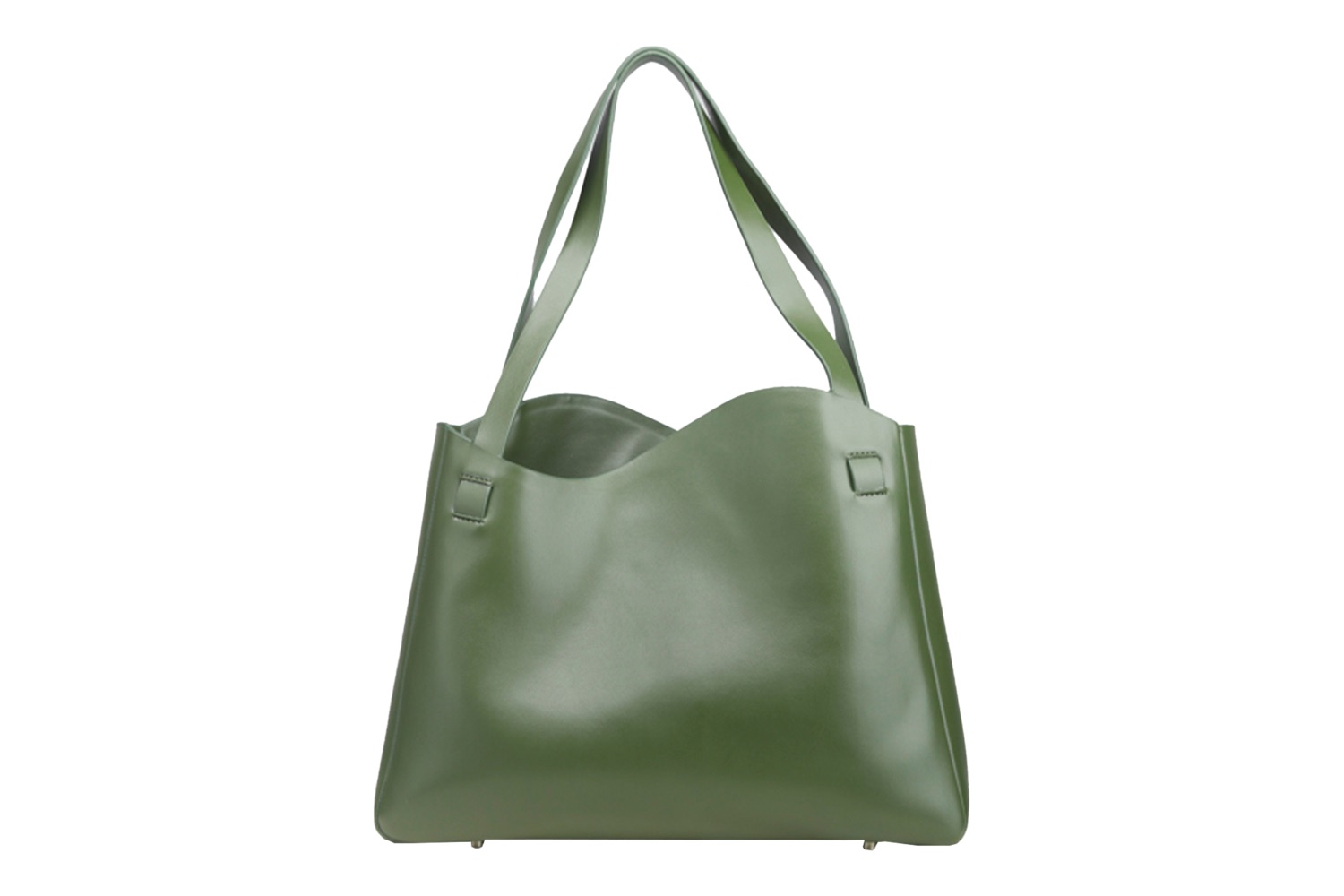
Sarjaa
Founded by Parsons-trained designer Anjana Arjun, Sarjaa turns the juicing industry’s fruit waste into quiet luxury: handbags in apple, pineapple and cactus leather, finished with organic cotton linings and largely recycled hardware, hand-made at its Karnataka facility. The brand’s slow-fashion discipline earned Anjana the ELLE Conscious Craftsmanship Award in 2025 — recognition that India’s most elegant handbags no longer need an animal, or a landfill, behind them.
Visit Sarjaa →Frequently Asked Questions
What are the best sustainable bag brands in India?
India has a remarkable range of genuinely sustainable bag brands. For vegan and plant-based leather, look at Zouk, Sarjaa, Studio Beej, A Big Indian Story and Aulive; for upcycled materials, EcoKaari, reCharkha, Mona B, Doodlage and Lukka Chuppi; for natural fibres like jute, organic cotton and cork, EcoRight, Jute Cottage, The Burlap People, Clan Earth and Arture. Malai even grows compostable leather from coconut water. All 21 brands in this guide were chosen for substance, not just labels.
What is a sustainable bag made of?
Sustainable bags are made from materials that are renewable, recycled or biodegradable: plant-based vegan leather (from pineapple leaves, apple or cactus waste), jute and canvas, organic cotton, cork bark, upcycled fabric scraps, and even fabric handwoven from waste plastic bags and wrappers. The common goal is avoiding both animal leather and virgin petroleum-based synthetics — and making the bag durable enough that you don’t need to replace it often.
Are sustainable bags more expensive in India?
Not necessarily. Jute totes from brands like Jute Cottage start around ₹200–₹800, and EcoRight’s organic cotton totes sit near ₹500 — competitive with any mall brand. Handcrafted and premium plant-leather pieces from labels like Studio Beej, Sarjaa or Mistry range from ₹2,000 to ₹10,000+, reflecting fair artisan wages, certified eco-materials and small-batch production. Because they are built to last, the cost per year of use is usually lower than fast fashion.
What is vegan leather, and is it always sustainable?
Vegan leather is any leather-like material made without animal products — but not all of it is sustainable. Fruit- and plant-based versions such as Piñatex (pineapple leaf fibre), apple-skin leather, cactus leather, cork and coconut-based Malai are genuinely eco-friendly. Conventional PU or PVC “vegan leather,” however, is petroleum-based plastic: cruelty-free, but not planet-friendly. Indian brands like Sarjaa, Studio Beej, A Big Indian Story and Malai use the plant-based kind — which is why they made this list.
Twenty-One Bags, One Direction
None of these brands would call themselves perfect — sustainability is a direction, not a finish line. But every one of them is pulling India’s most-carried accessory away from landfill and toward craft, circularity and fairness. If this list changed how you’ll buy your next bag, keep going: meet India’s top sustainable fashion brands, explore our guides to sustainable fashion, or browse hundreds of verified green businesses on the Prakati Green Directory — and if you run a sustainable bag brand we missed, you can list it there for free.
Good read! Personally, I make sure to live a green life as much as possible. I’m very picky especially with my bags. Loving sustainable and eco-friendly hemp bags