
A newborn baby’s skin is up to five times thinner than adult skin — more permeable, more reactive, and far more vulnerable to synthetic chemicals, rough textures, and pesticide residues. Yet the vast majority of baby clothing is made from conventional cotton (one of the world’s most pesticide-intensive crops) or petroleum-derived synthetics that offer little breathability and no reassurance for parents of infants with sensitive skin.
Soya fibre changes that equation entirely. Made from soybean processing waste, silky-soft to the touch, UV-protective, hypoallergenic, and biodegradable — it is increasingly called the “vegetable cashmere” of sustainable textiles. This article unpacks what soya fibre is, the science behind its extraordinary properties, and why it may be the most considered choice you can make for your baby’s wardrobe.
What Is Soya Fibre?
Soya fibre is a regenerated protein fibre — classified in textile science under the Azlon family of fibres — made from the protein extracted from soybean pulp. That pulp is the residue left behind when soybeans are processed into tofu, soy milk, and soybean oil. Rather than going to waste, this protein-rich material is extracted, dissolved, and engineered into fine textile fibres through a process called wet spinning.
The resulting fibre occupies a remarkable middle ground: it is neither a traditional natural fibre (like cotton or linen, which grow directly from plants) nor a fully synthetic one (like polyester or nylon, which are petroleum-derived). It is a nature-derived, man-made regenerated fibre — the precision of controlled fibre production applied to a 100% plant-based, waste-stream raw material. Scientifically, soybean protein fibre (SPF) is a composite of soybean protein and polyvinyl alcohol, which together give it a blend of properties no single natural fibre can match.
In the market you will find it under several names: soy silk, soy fabric, SPF (soybean protein fibre), and most evocatively, vegetable cashmere — a name that captures both its plant origin and its luxuriously soft hand-feel.
How Is Soya Fibre Made?
The production process is one of soya fibre’s most compelling selling points — it turns a food industry by-product into a premium textile without requiring additional agricultural land, water, or pesticides beyond what was already used to grow the soybeans for food.
- Soybean pulp collection — the defatted soy meal left after soybean oil extraction, or the okara (pulp) from tofu and soy milk production, is collected as the raw material.
- Protein extraction — the soybean protein is isolated using a water-based extraction process. No harsh solvents are required at this stage.
- Liquefaction — the extracted protein is dissolved and blended with polyvinyl alcohol to create a viscous spinning solution.
- Wet spinning — the solution is extruded through fine spinnerets into a coagulating bath, forming continuous fine filaments. Micro-holes in the fibre’s cross-section — a feature unique to soya fibre — are created during this stage and are responsible for its exceptional moisture management.
- Drying and cutting — fibres are dried, crimped for texture, and cut to the desired staple length.
- Spinning into yarn — the staple fibres are spun into yarn and woven or knitted into fabric. The remaining soy pulp after protein extraction becomes high-protein animal feed — a true zero-waste production chain.
Properties of Soya Fibre at a Glance
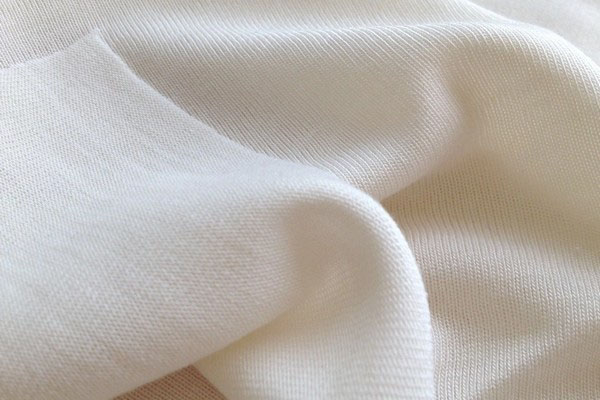
Soya fibre’s popularity in premium baby and sensitive-skin apparel is driven by a combination of properties that, taken together, no competing fabric can replicate in full:
| Property | Soya Fibre Performance |
|---|---|
| Softness | Silk/cashmere-like hand-feel; rated superior to cotton by touch tests |
| UV Protection (UPF rating) | 13.60 — 3 to 4 times higher than cotton or bamboo |
| Moisture absorption | Excellent; micro-holes in cross-section actively wick moisture away from skin |
| Breathability | High; lightweight structure allows air circulation in warm and cold conditions |
| Natural luster | Silk-like sheen without any chemical treatment |
| Flame resistance | Superior to most other sustainable textile options |
| Tensile strength | Moderate; higher than most regenerated protein fibres; blends well to enhance |
| Biodegradability | Fully biodegradable; no microplastic shedding |
Why Soya Fibre Is Magic for Baby Clothes
1. Hypoallergenic and Gentle on Newborn Skin
Soya fibre’s protein structure is inherently gentle. Unlike synthetic fabrics that can trigger contact dermatitis, or conventional cotton that may carry pesticide residues, soya fibre produces no known allergens in its finished form. For babies prone to eczema, heat rash, or nappy rash — or for newborns whose skin barrier is still developing — this matters enormously. The fibre’s smooth surface creates no friction or abrasion against delicate skin, and its natural softness means no scratchy seams or rough patches.
2. Natural UV Protection: 3–4x Better Than Cotton
One of soya fibre’s most remarkable documented properties is its UV protection. Independent testing has recorded a UPF rating of 13.60 for soya fibre — three to four times higher than the protection offered by cotton or bamboo fabric of equivalent weight. For babies who accompany parents outdoors, in prams, or at play, soya fibre clothing provides a meaningful additional layer of protection against UV-induced skin damage during those first critical months when sun exposure should be minimised.
3. Superior Moisture Management
The micro-holes formed in soya fibre’s cross-section during wet spinning act as tiny moisture channels. Moisture — whether from sweat, drool, or feeding — is actively pulled away from the baby’s skin and dispersed through the fabric, keeping the skin dry. This moisture-wicking performance is comparable to cotton while being significantly softer, and it helps prevent the moist microenvironment against skin that encourages nappy rash and fungal irritation.
4. Breathable in All Seasons
Babies cannot regulate their body temperature effectively in the first months of life. Fabrics that trap heat create overheating risks; fabrics that offer no insulation cause chilling. Soya fibre’s lightweight, breathable structure allows air to circulate freely, making it suitable for warm-weather rompers as well as layered winter sleepwear. Unlike polyester, it does not create heat pockets, and unlike heavy organic cotton, it does not feel stiff or restrictive against tiny limbs.
5. No Pesticides, No Harsh Chemicals
Because soya fibre is made from the protein in processing waste — not from the raw soybean itself — the finished fibre carries no pesticide or fertiliser residues. The extraction and spinning process is water-based and does not introduce toxic chemicals into the fibre structure. Compare this to conventional cotton, where pesticide residues can persist through processing, or to polyester, where plasticisers and dye chemicals are integral to the material. For parents who read labels carefully and wash new clothes before use, soya fibre removes the anxiety at the source.
6. Cashmere-Soft Without the Cashmere Price
The “vegetable cashmere” label is not just marketing — soya fibre genuinely mimics the hand-feel of luxury protein fibres like silk and cashmere, with a natural luster that needs no additional finishing. For babies, this translates to clothing that feels good not just to parents who touch it in the shop, but against the baby’s skin through hours of wear. Crucially, soya fibre clothing is available at a fraction of the cost of cashmere baby wear, making genuine luxury-feel sustainable fashion accessible.
Soya Fibre vs Other Baby Fabrics
| Fabric | Softness | UV Protection | Hypoallergenic | Pesticide-Free | Biodegradable | Cost |
|---|---|---|---|---|---|---|
| Soya Fibre | ★★★★★ | Excellent (UPF 13.6) | Yes | Yes | Yes | Mid-range |
| Organic Cotton | ★★★ | Low | Generally yes | Yes (certified) | Yes | Mid-range |
| Conventional Cotton | ★★★ | Low | Not always | No | Yes | Low |
| Bamboo (viscose) | ★★★★ | Low-moderate | Generally yes | Yes | Partially | Mid-range |
| Polyester / Fleece | ★★ | Variable | No | No | No (microplastics) | Low |
| Merino Wool | ★★★★ | Good | Usually yes | Variable | Yes | High |
The Sustainability Story Behind Soya Fibre
Beyond what it does on a baby’s skin, soya fibre has an exceptional environmental profile — one grounded in the logic of circular, zero-waste production.
The raw material is food industry waste. No additional farmland is cleared, no extra water is drawn, and no additional pesticides are applied to produce the fibre — all of that was already accounted for in growing soybeans for food. The protein that becomes soya fibre would otherwise be landfilled or incinerated. The residue after protein extraction becomes high-protein animal feed, closing the loop entirely.
The fibre itself is fully biodegradable — unlike polyester or nylon, it will not break down into microplastics that persist in soil and waterways. For parents already minimising plastic in their households, choosing soya fibre clothing is a consistent extension of that ethos. It also blends readily with sustainable fabrics like organic cotton or hemp, allowing manufacturers to combine the softness of soya with the durability of other natural fibres.
How to Care for Soya Fibre Baby Clothes
Soya fibre is delicate relative to conventional cotton and requires slightly more attentive care — though no more so than any quality organic garment:
- Wash on a gentle or delicate cycle at 30°C or below. Hot water can weaken the protein structure.
- Use mild, pH-neutral detergents. Avoid enzyme-based detergents, which can degrade protein fibres over time.
- Do not tumble dry on high heat. Air-dry flat or on a hanger to retain shape.
- Iron on low heat if needed, or steam.
- Avoid wringing or twisting the fabric when wet — lay flat and gently press out excess water.
- Store away from prolonged direct sunlight to preserve the natural luster.
What to Look for When Buying Soya Fibre Baby Clothes
- Check the fibre composition label. Look for “soy fibre”, “soybean protein fibre”, or “SPF”. Some brands use “soy silk” or “vegetable cashmere” in marketing but may only include a small percentage of soya in a blend.
- Look for OEKO-TEX Standard 100 certification on finished garments — this ensures the fabric has been tested for harmful substances regardless of the base fibre claim.
- Prefer blends with organic cotton or hemp for better durability in high-wear baby items (sleepsuits, bodysuits) while retaining the softness of soya.
- Avoid brands that cannot explain their supply chain. Soya fibre production should use post-food-processing waste as raw material — not virgin soybean crops grown specifically for fibre.
- Check for azo-free or natural dyes. The fibre itself is safe, but the dyes used to colour it should meet baby-safe standards.
A Gentle Fabric for a Gentle Beginning
Soya fibre is not a compromise. It is what you get when food science, textile engineering, and environmental thinking converge: a fabric that is softer than cotton, more UV-protective than bamboo, hypoallergenic, chemical-free, and made from what would otherwise be waste. For parents navigating the crowded and often greenwashed market for sustainable baby products, soya fibre is a category where the science supports the story.
As part of a broader shift toward sustainable fashion, soya fibre represents the kind of quiet, unglamorous innovation that actually moves the needle — not a trend, but a genuinely better material. Pair it with other thoughtful choices — organic living at home, eco-friendly products in the nursery — and you are building an environment where your baby’s first experiences of the world are as clean and gentle as possible.
References
- Soya Fibre: A Sustainable Approach for Textile Industry. ResearchGate (2025). DOI: 10.13140/RG.2.2.395251783
- Soy-Based Fibres for Textile Applications. MDPI Fibers, 12(4), 31 (2024).
- Soybean Fibre for Textile Applications and Printing. IntechOpen — Chapter 53674.